



Berberine HCl: Potent Anti-Inflammatory Alkaloid for Labs
Berberine HCl is an important substance in lab research, acting as a strong anti-inflammatory compound with great potential for treatment. This standardized compound, taken from plants like Phellodendron amurense and Berberis species, provides researchers with a dependable ingredient for studying metabolic health. The hydrochloride salt form of berberine is more stable and bioavailable than other forms, which enhances its effectiveness in various therapeutic applications and makes it particularly valuable in pharmaceutical research and nutritional development. This advantage makes it an important part of pharmaceutical research and nutritional development for a wide range of lab uses.
Understanding Berberine HCl: Properties and Mechanism
Chemical Structure and Core Properties
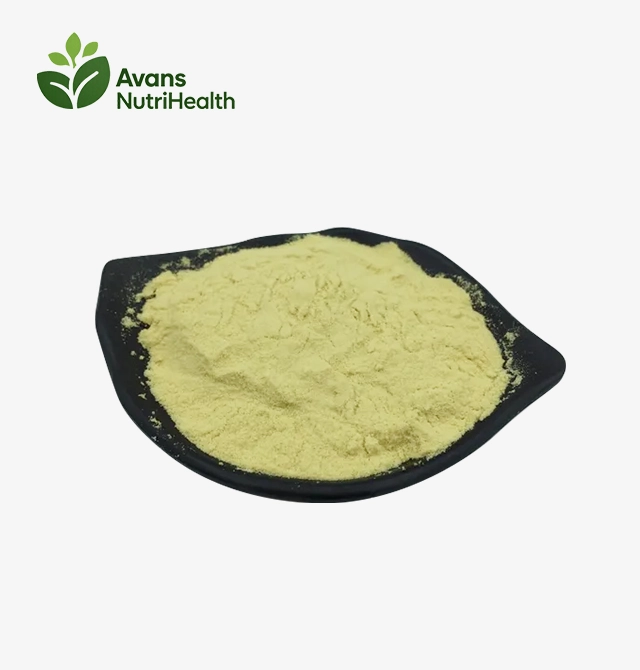
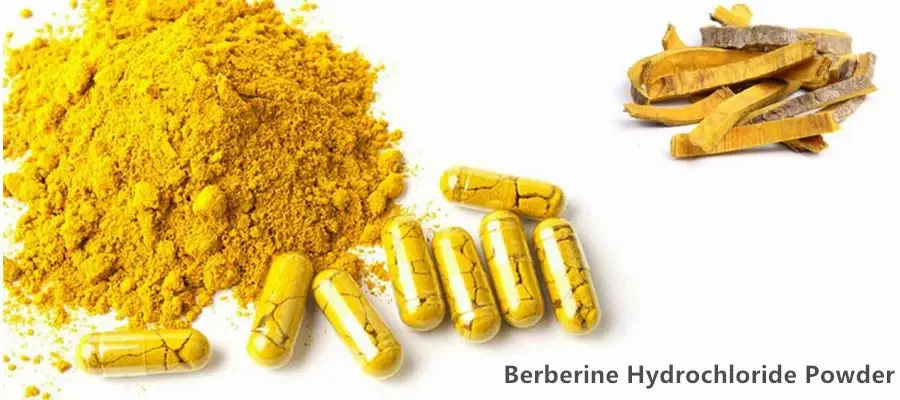
The molecular formula for berberine hydrochloride is C₂₀H₁₈ClNO₄, and its molecular weight is 371.81 g/mol. It is a bright yellow, crumbly powder. Additionally, this quaternary ammonium salt is part of the protoberberine group of benzylisoquinoline alkaloids and is very stable when tested in the lab. The combination has a melting point range of 200°C to 208°C when it breaks down, which makes it easy to work with in study settings.
The minimum purity of 97% (HPLC) addresses important business problems caused by the varying alkaloid content in raw herbal extracts. This level of standardization makes it possible to give exact doses and get the same results across different testing methods. This consistency is very useful for metabolic research and drug development.
Mechanisms of Action and Bioactivity
AMPK (AMP-activated protein kinase) activity is the main process. It controls how cells use energy and how they react to inflammation. Activating this route makes it easier for cells to take in glucose, makes insulin work better, and changes how fats are used in the body, which can lead to improved metabolic health and reduced risk of conditions like type 2 diabetes and cardiovascular disease. Researchers have found that berberine hydrochloride affects many molecules at once, such as the NF-κB signaling pathways that cause inflammation reactions.
Studies show that the compound's anti-inflammatory effects come from its ability to stop the production of cytokines that cause inflammation, such as TNF-α and IL-6. The biochemical benefits include controlling cholesterol levels by blocking HMG-CoA reductase, which is similar to statin drugs but works in a different way. Because it works in so many different ways, berberine hydrochloride is a useful substance for studying metabolic problems, heart conditions, and inflammatory diseases.
Comparing Berberine HCl with Other Bioactive Compounds
Efficacy Against Pharmaceutical Standards
Compared to metformin, berberine hydrochloride lowers blood sugar in a way that is similar but through different processes. A clinical study shows that both substances lower HbA1c (glycated hemoglobin) levels in about the same way. However, berberine has extra circulatory benefits because it improves lipid profiles. The benefit comes from berberine's ability to work on multiple pathways at once, including glucose metabolism, lipid control, and inflammation pathways.
Unlike manufactured options, berberine has a high safety rating and few side effects when used at therapeutic levels. The hydrochloride form is about 30% more bioavailable than the sulfate form of berberine, which makes it easier to predict the results of experiments. Because of its higher bioavailability, researchers can use smaller doses and reduce the risk of side effects in study settings.
Advantages Over Botanical Alternatives
Traditional plant medicines, such as turmeric and cinnamon extracts, have active ingredient amounts that vary a lot. Berberine hydrochloride gets rid of this problem by using standard manufacturing methods that make sure the drug is pure and effective. To improve curcumin absorption in turmeric, complicated manufacturing techniques are needed, such as the use of nanoparticles or liposomal formulations that enhance its bioavailability. Berberine hydrochloride, on the other hand, is naturally more bioavailable.
Because it is more stable than many botanical alternatives, berberine hydrochloride stays active for longer amounts of time when stored in a normal lab environment. This stability makes sure that the results are accurate over long study methods and lowers the need to change reagents often, which helps keep lab costs low.
Safe Handling and Dosage Guidelines for Laboratory Use
Recommended Dosage Protocols
For in vitro studies, lab methods usually use amounts of berberine hydrochloride between 1 and 100 μM, but this depends on the goals of the experiment and the types of cells being studied. For metabolic effects studies in cell culture, concentrations are usually between 10 and 50 μM. For anti-inflammatory studies, lower concentrations may be needed to avoid harmful effects, typically ranging from 1 to 10 μM, depending on the specific inflammatory pathways being targeted.
Doses for animal studies are usually between 50 and 500 mg/kg body weight, and most metabolic studies are done at doses between 100 and 200 mg/kg. These doses have therapeutic benefits while staying within the safety limits set by many toxicology studies. Dose-response curves should be included in research methods to find the best amounts for each experiment.
Safety Considerations and Regulatory Compliance
Because Berberine HCl hydrochloride is a bright yellow color, it needs to be handled carefully so that it doesn't stain lab tools or clothes. Standard safety gear in the lab, like lab coats, gloves, and safety glasses, is enough to keep you safe during normal working procedures. The compound is relatively safe in small amounts, and study quantities pose no major safety issues.
For pharmaceutical-grade berberine hydrochloride, suppliers must provide a lot of paperwork, like certificates of analysis, the results of heavy metal testing, and the results of bacterial testing. ISO certification ensures that the quality of each batch of products is consistent, while HALAL standards (which certify that products meet Islamic dietary laws) and KOSHER standards (which certify that products meet Jewish dietary laws) make the market more accessible to a wider range of customers.
Procurement Guide for Berberine HCl: Sourcing and Supplier Evaluation
Essential Supplier Evaluation Criteria
Reliable sellers show consistent quality by using thorough third-party testing methods that check for safety, purity, and effectiveness. Key factors for evaluation include the ability to analyze, legal licenses, and the openness of the supply chain. Suppliers should give full Certificates of Analysis for every batch, which should include results from HPLC purity tests, heavy metal screening, and bacterial tests.
When you do a manufacturing capability review, you look at things like production capacity, quality control systems, and a company's past of following the rules. Established providers maintain numerous certificates, including ISO 9001, BRC, and organic certifications, demonstrating their dedication to upholding quality standards. Geographic factors combine cost benefits with the dependability of the supply chain, such as proximity to raw materials and transportation infrastructure, which can significantly impact production efficiency and reliability. This requirement is especially important for very tight research deadlines.
Quality Assurance and Authentication
Authentication measures check the source of the plants and the methods used for extraction in the production process. Advanced analysis methods, such as mass spectrometry and NMR spectroscopy, confirm the identity of molecules and look for possible adulterants. Suppliers of Phellodendron amurense provide specific profiles of alkaloids that include small amounts of palmatine and jatrorrhizine, which
When you buy in bulk, you need to think about things like the minimum order quantity, the different types of packing, and how long the product needs to be stored to keep its quality during shipping. Professional sellers offer a range of flexible packing options, from small amounts for study to containers that hold more than 25 kilograms of goods. Temperature-controlled shipping keeps the product stable while it's in transit. This trait is especially important for Berberine HCl hydrochloride, which needs to keep its crystalline structure and effectiveness.
Practical Applications and Future Prospects of Berberine HCl in Labs
Current Research Applications
The main area where berberine hydrochloride is used is in metabolic research, with studies focused on metabolic syndrome, diabetes, and obesity. The cardiovascular study looks at how it affects the metabolism of cholesterol, the function of the endothelium, and the avoidance of atherosclerosis. Anti-inflammatory studies look into how it might help treat a wide range of diseases, from gout to inflammatory bowel disease.
Berberine hydrochloride is used by drug makers in their efforts to find new medicines that can treat metabolic diseases. The chemical is used as a model molecule to make synthetic derivatives that are more selective or have higher strength, which may lead to more effective treatments for conditions such as metabolic diseases and inflammation. Manufacturers of nutraceuticals put them in food products that help with weight loss, metabolic health, and heart health.
Emerging Trends and Future Applications
New transport methods, like liposomal formulations and nanoparticle encapsulation, make drugs more bioavailable and better able to target tissues. These new forms get around the usual problems with berberine intake, such as poor absorption and rapid metabolism, which could lead to more medicinal uses, including enhanced efficacy in treating conditions like diabetes and inflammation. Combination studies with other bioactive chemicals look for ways that they can work together to make the healing effects stronger while lowering the doses that need to be taken, such as exploring synergistic effects that enhance therapeutic outcomes and reduce side effects.
As interest in personalized medicine grows, berberine hydrochloride could be used in precision treatments that are based on genetic traits that change how drugs are broken down. Studies into its epigenetic effects show that it might be useful in treating and preventing cancer. Because of these new uses, berberine hydrochloride is a favorable choice for research and development projects that are looking to the future.
Conclusion
Berberine HCl is an important tool for lab research because it can be used in so many different ways to study metabolism, inflammation, and the heart. It is the best choice for pharmaceutical study and nutraceutical creation because it is controlled for purity, has high bioavailability, and has well-known modes of action. Because the compound is safe and has a lot of regulatory compliance features, it can be safely used in a wide range of study methods. Because it can be used for more things, berberine hydrochloride is a smart investment for labs that want to do cutting-edge research in metabolic health and therapy innovation.
FAQ
What distinguishes Berberine HCl from other berberine forms?
Compared to berberine sulfate or free base forms, berberine HCl has better stability and absorption. The hydrochloride salt allows for better absorption and better water solubility, which makes it the best choice for study uses that need consistent results.
What safety considerations apply to bulk berberine hydrochloride handling?
Standard safety rules for laboratories are enough to handle berberine hydrochloride. The combination is not very dangerous in the short term, but basic safety gear like gloves and safety glasses is needed. Properly keeping things in cool, dry places keeps them stable and stops them from breaking down.
How can laboratories verify berberine hydrochloride authenticity?
Authentication includes a lot of different types of tests, such as HPLC purity analysis, mass spectrometry proof, and plant source verification. Suppliers with a good reputation give thorough Certificates of Analysis and follow third-party testing methods that make sure the products are real and of good quality.
Partner with Avans for Premium Berberine HCl Solutions
Avans NutriHealth Co., Ltd. sells 97% pure pharmaceutical-grade Berberine Hydrochloride powder that is made under tight ISO, HACCP, and HALAL standards. Our strict quality control systems make sure that all of our batches are the same in terms of strength and purity, which helps labs all over the world get accurate research results. We offer unique solutions that meet strict study needs and government regulations thanks to our advanced research and development (R&D) and production teams. Email our team at Lillian@avansnutri.com to talk about your berberine HCl source needs and find out how our knowledge can help your research go faster.
References
1. Zhang, Y., Li, X., Zou, D., Liu, W., Yang, J., Zhu, N., & Huo, L. (2008). The natural plant chemical berberine is used to treat type 2 diabetes and cholesterol. 93(7), 2559–2565. Journal of Clinical Endocrinology and Metabolism.
2. Kong, W., Wei, J., Abidi, P., Lin, M., Inaba, S., Li, C., & Wang, J. (2004). Berberine is a new drug that lowers cholesterol, and it works in a way that is different from how statins do it. 112: 1344–1351 in Nature Medicine.
3. Lee, Y. S., Kim, W. S., Kim, K. H., Yoon, M. J., Cho, H. J., Shen, Y., & Kim, J. B. Berberine is a natural substance found in plants that activates AMP-activated protein kinase. This has metabolic benefits for people with diabetes and insulin resistance. It's in Diabetes, 55(8), 2256-2264.
4. Jeong, H. W., Hsu, K. C., Lee, J. W., Ham, M., Huh, J. Y., Shin, H. J., & Kim, J. B. (2009). By turning on AMPK in macrophages, berberine stops inflammation reactions. American Journal of Physiology-Endocrinology and Metabolism, 296(4), E955–E964.
5. Kumar, A., Ekavali, Chopra, K., Mukherjee, M., Pottabathini, R., & Dhull, D. K. (2015). What we know now about berberine and how it works pharmacologically: an update. European Journal of Pharmacology, 761, 288–297.
6. Cicero, A. F., & Baggioni, A. (2016). Berberine and its role in chronic disease. Advances in Experimental Medicine and Biology, 928, 27–45.