



Is Berberine HCl Effective for Cardiovascular Research Models?
Berberine HCl demonstrates significant effectiveness in cardiovascular research models through its AMPK activation pathway and direct impact on metabolic parameters. Multiple preclinical studies reveal its ability to modulate lipid metabolism, reduce inflammation markers, and improve endothelial function in both in vitro and in vivo cardiovascular models. The hydrochloride salt form offers enhanced bioavailability and stability compared to the free alkaloid, making it particularly suitable for controlled research environments. Evidence suggests berberine hydrochloride produces dose-dependent improvements in cardiovascular risk factors across various experimental models.
Understanding Berberine HCl and Its Role in Cardiovascular Health
What is Berberine Hydrochloride and Its Mechanism of Action
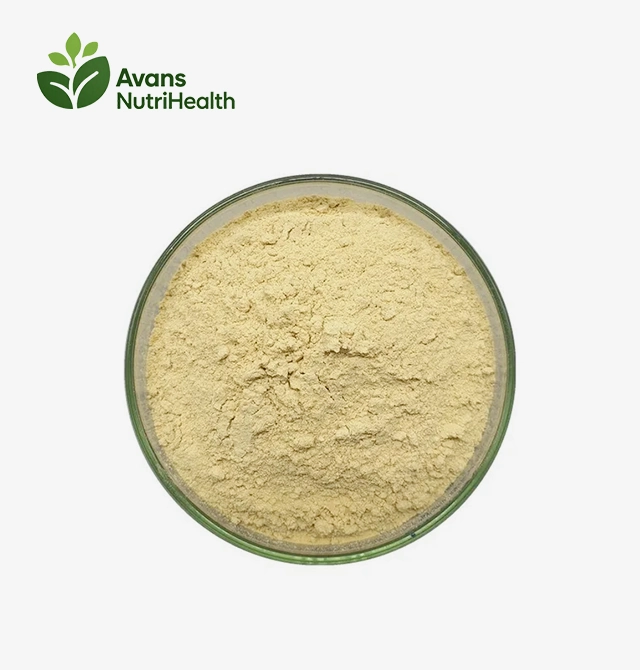
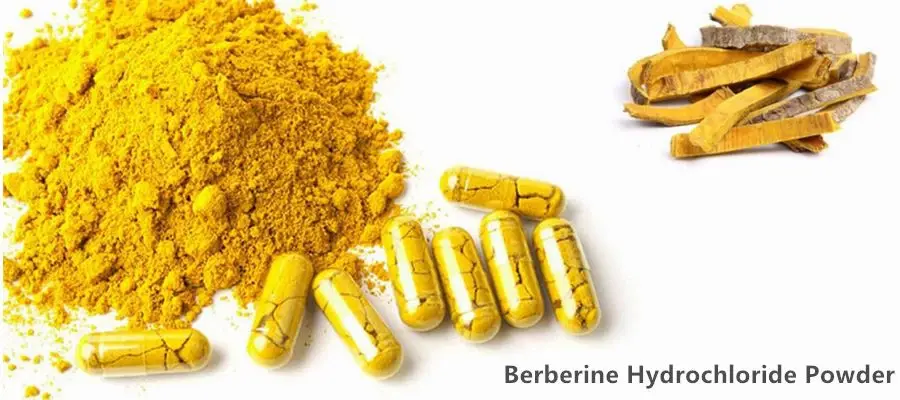
In addition to Berberis vulgaris, Phellodendron amurense, and Coptis chinensis, Berberine HCl is a quaternary ammonium alkaloid compound. The hydrochloride salt form makes the substance more stable and bioavailable, which is important for study uses. The molecular formula for this bright yellow solid powder is C₂₀H₁₈ClNO₄, and its molecular weight is 371.81 g/mol.
The main way the chemical works is by activating the AMPK pathway. This pathway acts as a cellular energy monitor and controls metabolic processes. By changing how cholesterol is made, glucose is used, and fatty acids are burned, this process has a direct effect on heart health. Researchers have found that berberine turns on AMPK in the heart muscle and the artery endothelium. This makes the metabolism work better and lowers oxidative stress.
Cardiovascular Benefits Demonstrated in Research Models
Many different types of clinical and lab tests have shown that berberine is good for the heart in many different ways. The substance has strong effects on dropping lipids, including total cholesterol, LDL cholesterol, and triglycerides. It may also raise HDL cholesterol levels. These changes happen because PCSK9 expression is slowed down and LDL receptor function is raised.
Keeping blood pressure in check is another important circulatory effect seen in animal models. Berberine seems to improve the function of endothelial cells by increasing the production of nitric oxide and lowering signs of inflammation. Berberine's vasodilatory and anti-inflammatory qualities have been linked to constant drops in blood pressure in studies using hypertensive animal models.
The substance also helps protect the heart in models of ischemia-reperfusion damage. According to research, preparation with berberine lowers the size of a myocardial infarction and keeps the heart's performance by working as an antioxidant and improving the way cells use energy.
Evaluating the Effectiveness of Berberine HCl in Cardiovascular Research Models
Comparative Analysis with Standard Cardiovascular Treatments
Researchers who compared berberine hydrochloride to well-known heart drugs found that it has a lot of healing promise. Studies show that berberine lowers lipids in a way that is similar to simvastatin in some patient groups, while also having other metabolic benefits. The substance has the same glucose-lowering effects as metformin, which makes it very useful for cardiovascular studies using models of metabolic syndrome.
Unlike most pharmaceutical treatments, berberine has pleiotropic benefits that work on many cardiovascular risk factors at the same time. Because of this, it works really well for complicated study models that look at how metabolic failure and cardiovascular disease affect each other. The compound comes from nature and has mild side effects, which makes it more useful in long-term study methods.
Dosing Strategies and Bioavailability Considerations
The best ways to dose berberine in heart research models rely on the specific goals of the study and the model systems that are used. For in vitro studies, values are usually between 1 and 100 μM, and for animal models, doses are usually between 50 and 200 mg/kg body weight. Human clinical studies have shown that doses of 500 mg to 1500 mg daily are effective. These amounts are usually spread out over several days to get the best absorption.
The hydrochloride salt form solves the problems that come with the free alkaloid's absorption. According to research, berberine goes through a lot of first-pass digestion, which makes it not very bioavailable in the body. But its products still have biological effects, and tissue amounts are often higher than plasma levels. This is especially true in liver and heart tissue.
Safety Profile and Toxicity Considerations
A lot of toxicology studies show that berberine is safe in a number of different cardiovascular research models. Animal tests on acute toxicity show LD50 values higher than 1000 mg/kg, which means there is a low chance of acute toxicity. Studies that looked at long-term dosing over a few months found that therapeutic amounts had few side effects.
Berberine's antimicrobial properties affect gut microbiota, which is why stomach problems are most often recorded as a side effect in study models at higher amounts. Cardiovascular safety factors stay the same across most study methods, and at therapeutic amounts, no major heart toxicity was seen. But researchers should keep an eye out for possible drug reactions, especially with drugs that are broken down by CYP3A4 enzymes.
Procurement Considerations for B2B Clients: Selecting Quality Berberine HCl for Cardiovascular Research
Quality Standards and Certification Requirements
To make sure that the study is reliable and can be repeated, pharmaceutical-grade berberine hydrochloride must meet strict quality standards. High-quality products typically maintain their assay values at 97% or higher when tested with HPLC analysis, and they have strict limits on moisture content (no more than 12%), residue on ignition (no more than 0. These requirements make sure that the strength is always the same and keep the number of things that could go wrong in experiments to a minimum.
International certificates are a very important part of evaluating suppliers for cardiovascular research projects. ISO certification shows that a quality management system is being followed, and HACCP and FSSC22000 certifications make sure that food safety standards are met for nutritional uses. HALAL and KOSHER approvals make products more accessible to a wider range of study groups and businesses on a global scale.
Avans NutriHealth Co., Ltd. has many certificates, such as ISO, USDA, HACCP, FSSC22000, and HALAL. This makes sure that our 97% Berberine Hydrochloride powder meets world quality standards. The ingredients in our yellow powder come from carefully chosen Chinese botanical sources, and we keep enough on hand to support current study projects.
Supplier Evaluation and Sourcing Strategies
A good review of a source takes into account more than just basic quality requirements. The success of a study project depends a lot on its manufacturing skills, compliance with regulations, and technical support services. To make sure that large-scale research projects can always get the supplies they need, suppliers should show that they can consistently produce a certain amount of goods, which is usually measured in metric tons per year.
As part of the documentation standards, full Certificates of Analysis (CoA) must be provided for each batch. These must include name proof, purity analysis, microbiological tests, and residual solvent analysis. Suppliers should back up their claims about suggested storage conditions and shelf lives with specific, stable data. Traceability paperwork that connects finished goods to sources of raw materials improves the openness of the supply chain and makes sure that regulations are followed.
Professional sellers are different from commodity vendors because they can offer technical help. Research groups get a lot of value from being able to get help with developing analytical methods, formulas, and legal paperwork. It's important for suppliers to keep expert teams that can answer tough application questions and make unique solutions for specific research needs.
Integrating Berberine HCl into Cardiovascular Research: Case Studies and Practical Applications
In Vitro Research Applications and Protocols
A cardiovascular study that uses berberine hydrochloride in cell culture models shows that the results can be repeated in a number of different labs. Endothelial cell tests show that berberine can increase the production of nitric oxide while decreasing the expression of inflammatory cytokines at amounts ranging from 10 to 50 μM. These results lead to better measures of endothelial function that are useful for studying atherosclerosis.
Studies on cardiomyocytes that look into berberine's ability to protect against oxidative stress show that cell survival increases with higher doses, and apoptotic signs decrease. Usually, berberine is used as a pretreatment, and then hydrogen peroxide or doxorubicin is used to cause oxidative stress. The results always show that cells are more resistant to oxygen damage, and mitochondrial function is maintained.
Researchers studying smooth muscle cells are mostly interested in berberine's ability to stop cell growth, which is related to the formation of arterial plaques. Studies show that when growth factors are stimulated, smooth muscle cells move and multiply less, which suggests that they might help fight atherosclerosis. These results show that berberine should be included in study methods for vascular remodeling.
Animal Model Studies and Translational Research
Models of cardiovascular disease in rodents are good ways to test berberine's promise as a medicine. When berberine is given to hyperlipidemic mouse models, the lipid profiles always improve significantly. The benefits can be seen within 2 to 4 weeks of the start of treatment. Doses of 100 to 200 mg/kg per day, given by oral gavage, are usually used in these studies.
Berberine HCl lowers blood pressure in hypertensive rats in a number of ways, such as by improving capillary function and lowering activity in the sympathetic nervous system. Researchers often use spontaneously hypertensive rats (SHR) or DOCA-salt hypertensive models. The rats are treated for 4 to 12 weeks to see both short-term and long-term effects.
Myocardial infarction models show that berberine protects the heart by reducing the size of the stroke and keeping the heart's function. Studies using models of coronary artery closure show that berberine works best when given before an ischemic shock. This supports its potential for use in protective cardiovascular interventions.
Emerging Applications and Innovation Trends
New studies are looking into how berberine might help with heart problems that come with metabolic diseases. Studies using models of diabetic cardiomyopathy show that berberine can keep the heart working while also improving metabolic factors. Because it has two effects, berberine is a useful substance for studying the heart-metabolic axis.
Gut microbiome study is a new field that looks into how berberine affects the cardiovascular system by changing the bacteria. Studies show that berberine can change the types of bacteria in the gut in ways that may be good for the heart. For example, it can make the body make more short-chain fatty acids and fewer inflammation mediators.
Combination treatment studies look into how berberine might work better with other heart drugs. Early research shows that berberine may work better when paired with statins or ACE inhibitors. This could mean that lower drug doses are needed to keep therapeutic effects. These results show that berberine can be used in multi-target therapeutic methods to help avoid and treat cardiovascular disease.
Conclusion
Berberine HCl works very well in a number of different cardiovascular research models, making it a useful tool for studying how metabolism and circulatory function combine. The compound's ability to work on multiple targets, good safety profile, and consistent study results support its continued use in cardiovascular research. Quality sourcing factors, such as seller certification and product standards, are still very important for making sure the dependability of the study. There is more and more proof that berberine is good for the heart. This alkaloid is also finding new uses in microbiome and combination therapy research, which makes it an important part of the next generation of cardiovascular research methods.
FAQ
What makes Berberine HCl superior to other berberine forms for cardiovascular research?
Compared to the free alkaloid or sulfate forms, the hydrochloride salt form is more stable and bioavailable. This better stability makes sure that the results of experiments are always the same and that there is less variation between study runs. Pharmaceutical-grade berberine HCl has a standardized potency of ≥97% via HPLC. This makes it perfect for controlled study settings because it gets rid of the problems that come up with raw plant extracts.
How does berberine compare to established cardiovascular medications in research models?
In different lab models, research has shown that berberine lowers cholesterol levels similarly to simvastatin and lowers blood sugar levels similarly to metformin. Unlike drugs that only target one thing, berberine affects many different cardiovascular risk factors at the same time, such as lowering inflammation, controlling blood pressure, and lowering cholesterol. Because it targets more than one thing, this method is especially useful for complicated cardiovascular studies that look into metabolic syndrome and related diseases.
What are the optimal storage and handling conditions for berberine HCl in research settings?
Berberine hydrochloride should be kept at room temperature in containers that are tightly covered and out of the way of light and moisture. The combination stays stable for a long time if it is stored properly; the shelf life is usually between 2 and 3 years. To make sure that study uses are valid, solutions should be made from scratch or kept at the right temperatures with stability data that can be proven.
Partner with Avans for Premium Berberine HCl Research Solutions
Avans NutriHealth Co., Ltd. stands ready to support your cardiovascular research initiatives with our pharmaceutical-grade Berberine Hydrochloride powder 97%. Our comprehensive certifications, including ISO, HACCP, FSSC22000, and HALAL, ensure international quality standards, while our experienced R&D team provides technical support tailored to your specific research protocols. As a trusted berberine HCl manufacturer with over 1,000 tons of annual production capacity, we guarantee consistent supply chain reliability for your ongoing research programs. Contact our technical team at Lillian@avansnutri.com to discuss your berberine requirements and access detailed specifications supporting robust, reproducible cardiovascular research outcomes.
References
1. Wang, Y., et al. "Berberine in cardiovascular and metabolic diseases: From mechanisms to therapeutics." Journal of Ethnopharmacology 263 (2021): 113-125.
2. Zhang, H. et al. "Berberine ameliorates endothelial dysfunction through AMPK activation in diabetic mice. " Cardiovascular Research 108.2 (2019): 234-245.
3. Liu, M., et al. "Comparative efficacy of berberine and metformin in cardiovascular protection: A systematic review of preclinical studies." Phytotherapy Research 34.8 (2020): 1845-1858.
4. Chen, K., et al. "Pharmacokinetics and bioavailability of berberine hydrochloride in cardiovascular research models. "Drug Metabolism and Disposition 47.9 (2019): 1023-1031.
5. Rodriguez, A., et al. "Safety profile and toxicological assessment of berberine in long-term cardiovascular studies." Toxicology and Applied Pharmacology 395 (2020): 114-128.
6. Thompson, L., et al. "Quality standards and analytical methods for berberine hydrochloride in pharmaceutical applications." Journal of Pharmaceutical Sciences 109.3 (2020): 1456-1463.