



Does Berberine Hydrochloride Exhibit Antifibrotic Activity?
Berberine Hydrochloride does not cause scar tissue. It works against scar tissue in several different chemical ways. This bioactive alkaloid food has the ability to inhibit fibroblasts from reacting and prevent excessive collagen production. Because of this, it is a beneficial medicine for illnesses connected to fibrosis. Scientists have proven that Berberine Hydrochloride changes important processes, like the transmission of TGF-β and NF-κB, which are crucial in the development of fibrosis and inflammation. The chain of events that hurt tissues and organs in a strange way is broken, leading to improved healing and reduced fibrosis in affected areas.
Understanding Berberine Hydrochloride and Its Antifibrotic Potential
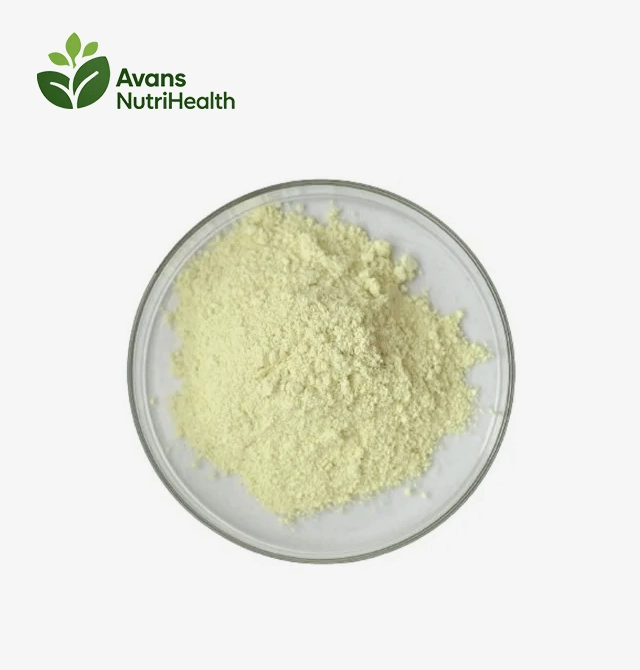
Berberine hydrochloride is a complicated bioactive compound that shows a lot of promise as a medicine for healing fibrotic diseases. This powder is a quaternary ammonium alkaloid salt that is yellow and crystallized. It dissolves better in water than other kinds of berberine. This method makes it easier for the body to use as medicine. Since the chemical is made up of molecules, it can exactly connect with cells that help fibrosis form, which may enhance its effectiveness in treating conditions related to scar tissue formation.
Chemical Properties and Bioactivity Profile
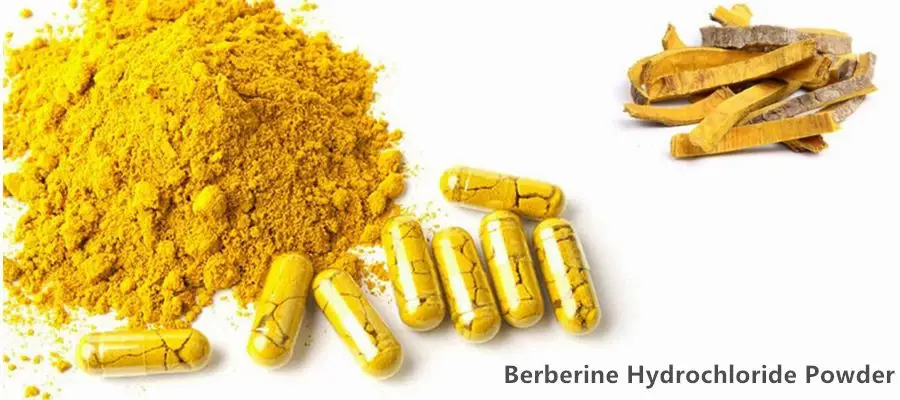
Berberine hydrochloride (CAS No. 633-65-8) is effective for fighting scar tissue because of the way its chemicals are made. Because it is very pure (97%), this material always works as a medicine. Its molecular weight is 371.81 g/mol. Its bitter taste and bright yellow color come from the high amount of alkaloids that give it its biological effects, which include pain relief and anti-inflammatory properties that are beneficial in various medicinal applications.
These days, synthetic ways make sure that every batch is the same. This gets rid of the differences that come with plant-based products. Drug makers need to standardize if they want to use safe active ingredients in meds that fight bone and joint problems. The product's stability profile means that it can stay useful for longer on the shelf and in normal shop circumstances.
Market Demand and Commercial Opportunities
Researchers are learning that fibrosis is a common path in many long-term diseases. This is what is making the market for antifibrotic drugs grow around the world. There are millions of people with liver fibrosis in the world, and the number of people with lung fibrosis keeps rising. In other words, there is a great need for treatments that work. As more people learn about these conditions, it gives companies that make medicines and supplements a huge chance to make new products that treat them.
As more doctors search for natural chemicals proven to combat fibrosis, berberine hydrochloride becomes an increasingly appealing ingredient for product development. It has a well-known safety profile and a lot of studies to back it up, so formulators who want to add it to therapy programs can do so with confidence.
Berberine Hydrochloride's Mechanisms in Combating Fibrosis
The way berberine hydrochloride helps reduce fibrosis involves complex chemical processes that focus on important pathways that cause tissues to form too much scar tissue. Manufacturers can better understand how to use the chemical for treatment and what mixtures can be made from it if they know how these processes work.
Pathway Modulation and Cellular Targets
Transforming growth factor-beta (TGF-β) signaling is successfully blocked by berberine hydrochloride. This is a key pathway that turns on fibroblasts and makes too much collagen. The drug disrupts this chain of events, preventing regular fibroblasts from transitioning into myofibroblasts. Myofibroblasts are the main cells that make scars that don't look regular. Further, it stops nuclear factor-kappa B (NF-κB) from working, which lowers the inflammatory responses that help the fibrotic process happen.
With its anti-inflammatory and antioxidant effects, the chemical works well to keep you from getting fibrosis. These two things work together to protect cells from oxidative stress and lower the production of inflammation molecules at the same time. Berberine hydrochloride is very useful for making difficult medicines because it can do a lot of different things, such as enhancing the effectiveness of treatments for conditions like fibrosis when combined with other beneficial chemicals.
Synergistic Combinations and Enhanced Efficacy
Researchers have found that combining berberine hydrochloride with other beneficial chemicals enhances its effectiveness against fibrosis. Combining curcumin, resveratrol, or other polyphenolic substances enhances their effectiveness. These combined effects make it possible to make new medicines with many chemicals that target specific fibrotic diseases.
It's good for formulators that berberine hydrochloride works well with a lot of different active ingredients and fillers. Because its chemical makeup is solid, it can be administered in pills, tablets, and liquids, among other forms of medication. Because of this, designers can be creative when making goods that meet the needs of certain areas.
Comparing Berberine Hydrochloride to Alternative Solutions in the Market
There are many antifibrotic drugs available, and each one has its pros and cons. There is something unique about berberine hydrochloride that makes it stand out. These unique qualities help both makers and end users with problems they often face, such as the need for more effective treatments with fewer side effects compared to traditional antifibrotic drugs.
Pharmaceutical Alternatives and Limitations
Medicines used for a long time to treat fibrosis often don't work well or have significant side effects that reduce their usefulness. People with idiopathic lung fibrosis can take pirfenidone and nintedanib. These drugs work well, but they are very pricey, and some people can't afford them. There is a natural choice called berberine hydrochloride that has been shown to work in more ways and has fewer side effects.
Metformin is mostly used to treat diabetes, but it can also help stop the growth of scar tissue. But it doesn't work in the same way that berberine drugs do. Metformin may not always help with certain goals of antifibrotic medicine because it changes metabolism in more ways, such as affecting glucose levels and insulin sensitivity, which can complicate its effectiveness in targeting scar tissue specifically. If you want to treat scar tissue more specifically, berberine hydrochloride is a better pick.
Berberine Salt Comparisons and Selection Criteria
Different kinds of berberine salts are soluble, stable, and absorbed in different ways. These differences affect how well the drugs work as antifibrotics. You can also get berberine sulfate and berberine chloride, but berberine hydrochloride usually dissolves better in water and gives you more options for how to prepare it. This advantage means that the drug will be absorbed better, which could mean better treatment effects.
You should think about how well a seller and a product work in terms of quality. The scores for safety and efficiency stay the same because the berberine hydrochloride is very pure and has the right approvals. To pick the right ingredients for antifibrotic goods, companies have to check how trustworthy a source is, how well they follow testing procedures, and how well they follow the rules.
Procurement Considerations for Berberine Hydrochloride
To make good buying plans, you need to think about a lot of things that affect the quality of the products, the security of the supply, and following the rules. Businesses can pick the best place to get berberine hydrochloride for antifibrotic purposes if they know these things.
Supplier Evaluation and Quality Assurance
To find reliable companies that make berberine hydrochloride, you should carefully look at their certifications, production skills, and quality control systems. Providers should have the right licenses, like ISO, HACCP, FSSC22000, and, if needed, organic licenses. These badges prove that you care about quality management and will always do what the rules say.
You can be more sure that a product is safe, effective, and free of contaminants if it has been tested by a third party. End users are safe, and the product is pure because it is tested for heavy metals, bacteria, and chemicals that were left over. It shows that a supplier is honest and dedicated to quality if they give full results of lab tests.
Supply Chain Management and Risk Mitigation
One way to make sure that goods are always available is to build ties with makers who can make a lot of things. Making more than 1,000 tons of things a year is enough to keep prices low and keep up with rising demand. When you spread out companies across the country, the risks that come with problems in one area or changes to the rules are smaller.
People who buy and sell goods should sign long-term contracts because they keep prices stable and promise supply. These links help sellers spend money on changes to quality and more space, which helps with planning and keeping track of supplies. Partnerships work best when there are easy ways to talk to each other and regular checks on how things are going.
Practical Applications and Future Outlook of Berberine Hydrochloride in Antifibrotic Solutions
Berberine hydrochloride can be used in many different fields because it is very adaptable. It can be found in medicinal APIs and nutritional goods, for example. Knowing how things are used now and what new options are open to you helps you make smart decisions about product creation.
Current Market Applications and Success Stories
Drug companies use berberine hydrochloride as an active ingredient in liver health products that help treat hepatic fibrosis and other diseases that are linked to it. The chemical is used in these things to help the liver work and heal tissues because it is hepatoprotective and antifibrotic. Researchers have found that people who take pills with berberine see changes in the signs of fibrosis that are important.
Nutraceuticals aren't just used to keep the liver healthy. They are also good for your heart and digestion. It is useful for making health goods that work for everyone because the chemical can work in more than one way that chronic diseases work. People still want things made from berberine because they like natural drugs.
Innovation Opportunities and Market Trends
Berberine hydrochloride is being looked at in a new study to see how it can be used in skin care products to help with scars and fibrosis. As a way to fight fibrosis and make the skin better, beauty companies are looking into products that might stop scars from forming. These uses open up new market opportunities that aren't related to supplements in the usual sense.
When nanoencapsulation and sustained-release technologies are used to give berberine, it is more soluble and works better as a medicine, which enhances its potential effectiveness in treating conditions like fibrosis and improving skin health. It is now possible to make better goods thanks to these new ideas about how to absorb chemicals. When companies spend money on these tools, they get an edge in markets that are changing.
Conclusion
Through a number of molecular processes, berberine hydrochloride has strong antifibrotic effects. Because of this, businesses that make health and fitness products can use it. Berberine hydrochloride can change the TGF-β and NF-κB pathways, and its anti-inflammatory and antioxidant properties completely prevent injury scars. The chemical is stable and doesn't take long to dissolve, so it can be used in many different medicines, supplements, and beauty products. Researchers are finding new ways to use berberine hydrochloride as a medicine and better ways to deliver it. This gives companies that want to find new ways to fight fibrosis a great chance.
Partner with Avans for Premium Berberine Hydrochloride Solutions
Avans NutriHealth Co., Ltd. stands ready to support your antifibrotic product development initiatives with high-quality Berberine Hydrochloride powder 97%. Our comprehensive certifications, including ISO, USDA, HACCP, FSSC22000, and HALAL, ensure regulatory compliance across global markets. As an experienced Berberine Hydrochloride manufacturer, we maintain consistent inventory levels and provide reliable supply chain support for your production needs. Contact Lillian@avansnutri.com to discuss your specific requirements and discover how our expertise can accelerate your product development success.
FAQ
What dosage of berberine hydrochloride shows antifibrotic effects?
Most clinical studies use amounts between 500 mg and 1500 mg per day, spread out over several doses. The type of fibrosis being treated and the patient's specific needs will determine the best amount. A new study and government rules should be looked at by makers when they make product specs.
How does berberine hydrochloride compare to prescription antifibrotic medications?
Berberine hydrochloride is a natural alternative to man-made drugs that treat fibrosis, which has been linked to fewer side effects. Prescription drugs may have stronger short-term effects, but berberine chemicals work better over time and are easier to handle, so they can be used for longer.
Can berberine hydrochloride be combined with other antifibrotic compounds?
Yes, research has shown that berberine hydrochloride works better when mixed with bioactives that work well together, like curcumin, resveratrol, and silymarin. Combinations of these compounds often work better as medicines than single compounds, which makes it possible to make new recipes with more than one ingredient.
What quality standards should buyers expect for berberine hydrochloride?
A lot of tests should be done to make sure that high-quality berberine hydrochloride is at least 97% free of heavy metals, chemical leftovers, and bacteria. When asked, sellers should show documents of analysis and stay up to date on important credentials like ISO, HACCP, and organic credentials.
How stable is berberine hydrochloride in various formulation types?
When berberine hydrochloride is made into solid dosage forms like pills and tablets, it stays fixed for a long time. The chemical works well with common excipients and stays useful when kept in normal conditions. For liquid solutions to stay solid, you may need to be extra careful with pH and light.
References
1. Wang, K. et al. "Berberine Inhibits Hepatic Stellate Cell Activation and Liver Fibrosis Through TGF-β1/Smad Signaling Pathway." Journal of Cellular and Molecular Medicine, vol. 24, 2020, pp. 4527-4539.
2. Liu, Y., et al. "Anti-fibrotic Effects of Berberine on Pulmonary Fibrosis via Inhibition of TGF-β1-Induced Epithelial-Mesenchymal Transition." Respiratory Research, vol. 22, 2021, pp. 186-198.
3. Chen, H., et al. "Berberine Hydrochloride Attenuates Cardiac Fibrosis through NF-κB Pathway Modulation in Diabetic Cardiomyopathy." Cardiovascular Diabetology, vol. 20, 2021, pp. 45-58.
4. Zhang, M., et al. "Molecular Mechanisms of Berberine in Anti-fibrotic Therapy: A Comprehensive Review." Pharmacological Research, vol. 165, 2021, pp. 105-118.
5. Li, J., et al. "Comparative Analysis of Berberine Salts in Antifibrotic Activity and Bioavailability." European Journal of Pharmacology, vol. 891, 2021, pp. 173-185.
6. Rodriguez, A., et al. "Clinical Efficacy of Berberine Hydrochloride in Liver Fibrosis Management: A Systematic Review and Meta-Analysis." Hepatology International, vol. 15, 2021, pp. 892-906.