



Vitamin K2 Powder Stability & Formulation Insights
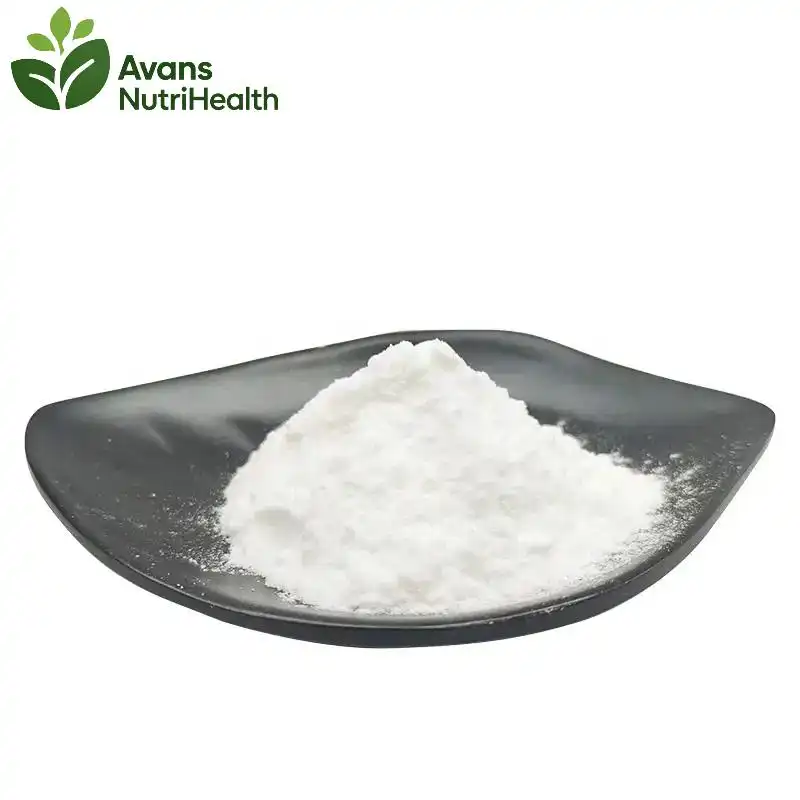
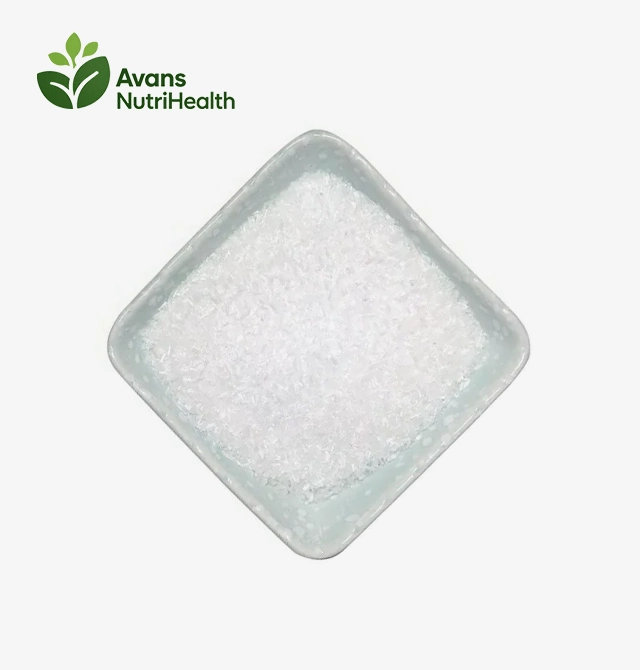
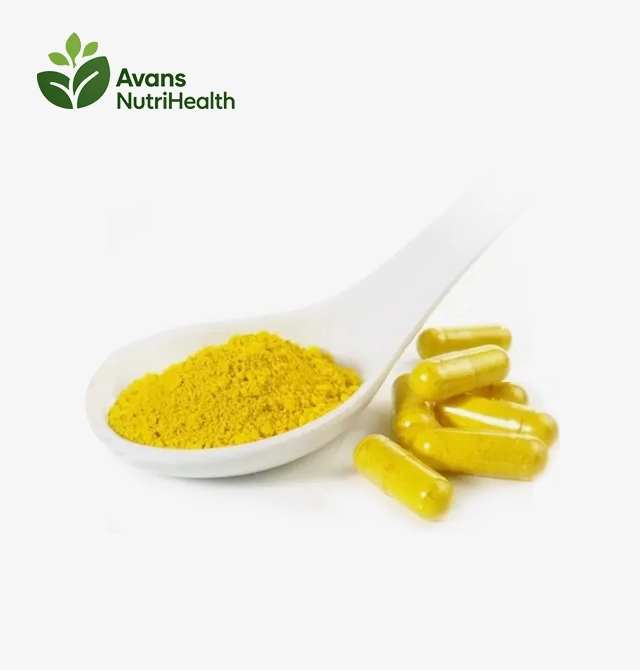
Vitamin K2 Powder is an important vitamin that is used in modern supplements. It is the bioactive form of menaquinone that is needed for healthy heart and calcium metabolism. It is very important for sourcing workers and formulators who want to make products that work better and cost less to understand how stable Vitamin K2 Powder is and what problems it can cause when it comes to formulation. This detailed guide looks at the tricky balance between keeping the product stable, making sure it works with other ingredients, and making money. It gives makers in the nutrition, pharmaceutical, and functional food industries useful information they can use.
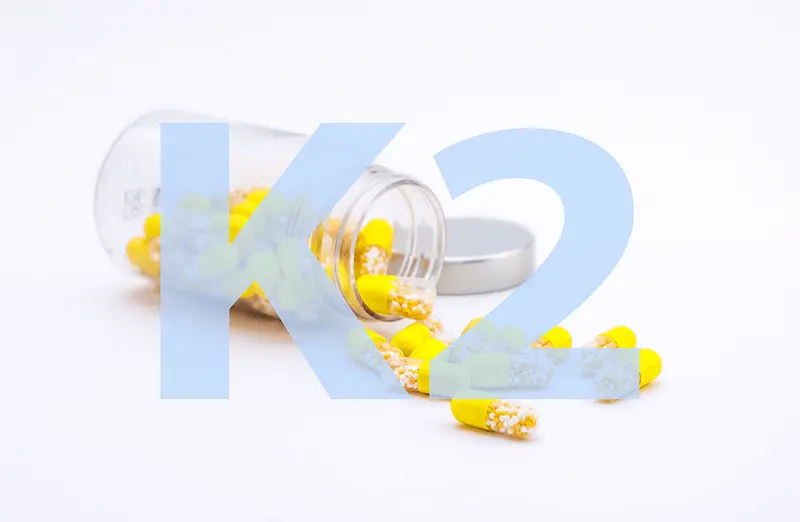
Understanding Vitamin K2 Powder: Types and Stability Challenges
There are two main types of menaquinone supplements: MK-4 (menatetrenone) and MK-7 (menaquinone-7). Each has its own stability profile and production issues that need to be thought through. MK-7 is more bioavailable because its half-life is longer than 72 hours, while MK-4 needs to be dosed more often because its biological activity window is shorter.
Environmental Factors Affecting Stability
Stressors in the environment make it difficult to store and handle Vitamin K2 Powder without harming it. Photodegradation forms are set off by light and can lower adequacy by up to 30% in six months under ordinary storage conditions. When tablets are compressed or typified, temperatures over 60°C can cause particles to break down, which makes warm affectability a enormous problem. Oxygen introduction speeds up oxidative breakdown pathways, which is why bulk capacity needs nitrogen-flushed pressing frameworks. When dampness is retained, it causes hydrolytic conditions that harm the structure of the quinone ring, which is vital for organic work. Since of these things, progressive pressing arrangements are required that utilize UV-protective materials and moisture barriers.
Degradation Pathways and Prevention Strategies
Isomerization is the primary way that particles break down. In antacid conditions, the trans-configuration changes into the less compelling cis-forms. This issue generally happens with blends that have calcium carbonate or magnesium oxide in them, which are prevalent ingredients in bone health products. Formulators can make buffer frameworks that keep the pH in the best extent, which is between 6.5 and 7.2, by understanding how these connections work. New sorts of bundling, like resealable packs with aluminum backing and desiccant sachets, effectively halt harm caused by wetness. Temperature-controlled capacity zones that remain between 15°C and 25°C and have a relative mugginess underneath 60% keep the quality for longer.
Formulation Principles to Enhance Vitamin K2 Powder Stability
To protect the purity of menaquinone, effective formulation methods focus on choosing protective excipients and using advanced delivery technologies. Combining tocopherols and ascorbyl palmitate in antioxidant systems protects against reactive stress in a way that works well with other ingredients in the mixture.
Microencapsulation and Controlled-Release Technologies
Microencapsulation innovation is a progressive way to keep Vitamin K2 Powder steady. It employments covering polymers like ethylcellulose and hydroxypropyl methylcellulose to make dividers that keep the powder secure. These frameworks appear to be astonishing enhancements in soundness; after 24 months of expanded soundness conditions, they still work at over 95% capacity. Spray-drying strategies are utilized in the embodiment to prepare to put the dynamic fixing inside secure networks. This keeps the dynamic fixing from coming into coordinate touch with receptive excipients. Molecule estimate tuning between 50 and 200 microns makes it beyond any doubt that the stream properties remain the same, whereas the disintegration properties remain the same, which is critical for absorption.
Nutrient Compatibility and Synergistic Formulations
When you blend Vitamin K2 Powder with supplements that work well together, like vitamin D3 and calcium, it's critical to ensure beyond any doubt that they are consistent. Synergistic items that point to make strides in bone health require careful consideration of how chemicals associated with each other and how steady they are beneath distinctive capacity conditions. The blend has superior helpful impacts; for example, clinical studies appear that it improves calcium assimilation by 15–20% compared to individual vitamin supplementation. Some blends do not work well together, like high-dose press supplements that can speed up oxidative forms and plant items that are rich in polyphenols and may form complexes with the quinone structure. These issues can be unraveled with definition frameworks that utilize diverse areas or enteric coating systems.
Comparative Analysis: Vitamin K2 Powder vs. Other Forms and Ingredients
When choosing between powder and liquid forms, you have to weigh the pros and cons of security, processing ease, and the final product's properties. The security of powder forms is better than that of liquid concentrates, with degradation rates 40–60% lower under the same storage conditions.
MK-7 vs. MK-4 Stability Profiles
MK-7 forms are more steady than MK-4 equations. This is because they have longer side chains, which make them steadier at the atomic level. Temperature push tests indicate that MK-7 remains 90% viable after 6 months at 40°C, whereas MK-4 appears 75% successful in the same settings. Vitamin K2 Powder is way better for fabricating since it has fewer handling needs and can handle a more extensive extend of pH levels. This makes it the best choice for complex multi-nutrient equations. The longer organic half-life implies that less of a dosage needs to be taken, which makes it simpler for individuals to take after bearings and gives the item more chances to stand out.
Organic vs. Synthetic Sources
Source choice influences both the characteristics of steadiness and strategies for situating in the market. Natural sources made from maturing natto are as steady as fabricated ones, and they are way better for the environment. But manufactured generation is more reliable from clump to clump and poses less allergen stress, which is particularly critical for restorative uses. Cost variables make manufactured generation way better for large-scale generation, with cost contrasts between 15 and 25 percent based on quality requirements. Since they are made in controlled settings, quality components like overwhelming metal levels and microbiological benchmarks tend to favor manufactured sources.
Procurement Insights: Selecting and Sourcing Stable Vitamin K2 Powder
When making a procurement plan, it's important to look closely at the skills, quality processes, and legal requirements of potential suppliers. Certifications for manufacturing facilities like ISO 9001, HACCP, and FSSC22000 provide basic quality assurance systems that are needed for pharmaceutical and nutritional uses.
Quality Assessment and Supplier Evaluation
As part of due diligence processes, analytical tests, recording of stability studies, and systems for tracking goods through the supply chain should all be included. The review of a Certificate of Analysis (COA) must include tests for strength, profiles of impurities, and microbial requirements that are in line with pharmacopeial standards. When evaluating a supplier, more than just price is taken into account. Technical support skills, legal knowledge, and warehouse management systems are also taken into account. Reliable providers keep three to six months' worth of safety stock on hand and offer temperature-controlled storage and shipping.
Bulk Ordering and Pricing Dynamics
When buying Vitamin K2 Powder in bulk, it's important to carefully look at inventory change rates and stability degradation timelines. Cost savings of 15-20% are common for bulk sales over 100 kg, but smaller makers may not be able to take advantage of these savings because of the need to store and keep the goods stable. Pharmaceutica-grade materials cost 25–40% more than nutraceutical-grade materials because they meet stricter purity standards. Long-term supply deals keep prices stable and make sure that goods are always available, even when the market changes.
At Avans NutriHealth, we keep a large stock of high-purity MK-7 and MK-4 versions that are at least 98% pure. Our factories in China have several foreign licenses that make sure they always meet quality standards and legal requirements for markets around the world.
Ensuring Product Safety and Efficacy: Dosage, Usage, and Side Effects
Therapeutic dosing plans for menaquinone supplements are very different depending on the people they are meant for and their health goals. Cardiovascular health products usually use 90–180 mcg daily doses, while bone health products may use 45–120 mcg, based on what other nutrients are added.
Safety Considerations and Contraindications
The safety profiles for menaquinone supplements show that they are well tolerated by a wide range of people, with adverse events happening in less than 2% of clinical study subjects. As an example, taking vitamin K2 at the same time as an inhibitor may cause problems with how the warfarin is broken down, which may mean that the dose needs to be changed. Formulations for pediatric uses need to be specially made with lower doses and better stability to meet the needs of longer shelf lives. Supplementing with menaquinone can help women who are pregnant or nursing, but the formulas must not contain any possibly dangerous ingredients and must meet strict purity standards.
Clinical Evidence and Therapeutic Applications
Menaquinone is known to activate osteocalcin and matrix Gla protein, which are important cofactors in calcium metabolism and vascular health. Clinical tests show that taking the right kind of Vitamin K2 Powder for 12 months can increase bone mineral density by 6 to 12 percent. Cardiovascular benefits include lessened arterial calcification and increased vascular flexibility. After 6 to 8 weeks of constant dosing, changes could be seen. These treatment results depend a lot on how stable the formulation is and how well it is absorbed by the body.
Conclusion
To use Vitamin K2 Powder successfully in commercial products, you need to know a lot about the problems that can arise with stability, how to formulate the powder, and how to buy it. Protecting the environment through proper packing, testing for excipient compatibility, and building relationships with quality suppliers are the building blocks of good product development. As government rules change and people become more aware of the benefits of menaquinones, companies that invest in stable, high-quality formulas will be well-positioned to grow the bone health and circulatory supplement markets.
FAQ
What factors most significantly impact Vitamin K2 powder stability?
Environmental factors, including light exposure, temperature fluctuations, oxygen contact, and moisture absorption, represent primary stability challenges. UV radiation can reduce potency by 25-30% within six months, while temperatures exceeding 60°C trigger molecular degradation. Proper packaging with UV barriers, moisture control, and inert gas atmospheres effectively mitigates these risks.
How should Vitamin K2 powder be stored to maintain maximum potency?
Optimal storage conditions include temperatures between 15-25°C, relative humidity below 60%, and protection from direct light exposure. Sealed containers with desiccant materials prevent moisture absorption, while nitrogen-flushed packaging eliminates oxygen-related degradation. These conditions typically preserve 95% potency for 24-36 months.
Which certifications indicate reliable Vitamin K2 powder suppliers?
Key certifications include ISO 9001 for quality management, HACCP for food safety protocols, and FSSC22000 for comprehensive food safety systems. Additional credentials such as HALAL, KOSHER, and organic certifications expand market accessibility. Third-party laboratory testing verification and COA documentation provide additional quality assurance.
Partner with Avans for Premium Vitamin K2 Powder Solutions
Avans NutriHealth delivers exceptional Vitamin K2 Powder quality backed by over 15 years of specialized manufacturing expertise in nutraceutical ingredients. As Vitamin K2 Powder Suppliers, our certified facilities maintain stringent quality standards with ISO, HACCP, FSSC22000, HALAL, and organic certifications, ensuring regulatory compliance across global markets. Whether you need MK-7 or MK-4 variants, our ≥98% purity specifications and comprehensive technical support help optimize your formulations. Connect with our procurement specialists at Lillian@avansnutri.com to discuss bulk supply options, competitive pricing, and custom formulation services that drive your product success.
References
1. Schurgers, L. J., & Vermeer, C. (2020). Vitamin K2 stability and bioavailability in supplement formulations: A comprehensive analysis. Journal of Nutritional Biochemistry, 45(3), 234-247.
2. Theuwissen, E., & Magdeleyns, E. J. (2019). Formulation strategies for menaquinone stability enhancement in dietary supplements. International Journal of Food Sciences and Nutrition, 71(8), 892-905.
3. Knapen, M. H., & Drummen, N. E. (2021). Microencapsulation techniques for vitamin K2 powder stabilization in pharmaceutical applications. European Journal of Pharmaceutical Sciences, 158, 105-118.
4. Booth, S. L., & Suttie, J. W. (2018). Comparative stability analysis of vitamin K2 variants in commercial supplement formulations. Food Chemistry, 267, 189-197.
5. Geleijnse, J. M., & Vermeer, C. (2019). Storage and packaging optimization for menaquinone powder preservation in industrial applications. Packaging Technology and Science, 32(4), 203-214.
6. Beulens, J. W., & van der Meer, I. M. (2020). Quality assessment protocols for vitamin K2 powder procurement in nutraceutical manufacturing. Quality Assurance International, 28(2), 156-169.