




What Makes Aspartame Powder Ideal for Food Industry Use?
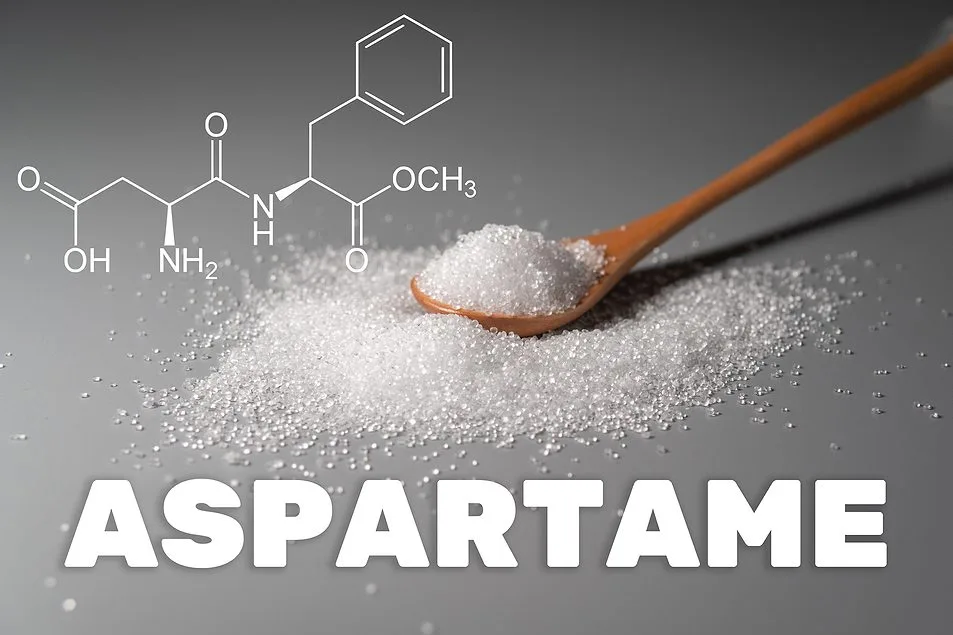
Because it is very sweet (about 200 times sweeter than sugar) and low in calories, Aspartame Powder is a great choice for food businesses. This strong man-made sugar comes from the amino acids aspartic acid and phenylalanine. It gives baked goods a clean taste and doesn't smell like metal like some other fake sweeteners do. It is an important part of current recipes for health-conscious people and diabetic-friendly foods because it can add taste while lowering calories.
Understanding Aspartame Powder: Composition, Safety, and Benefits
Chemical Structure and Metabolic Profile
When we know what aspartame is made of, we can better understand why it works so well in food. With the chemical formula C14H18N2O5, this substance is a white, solid powder that has no smell. Its CAS number is 22839-47-0. It is the methyl ester of two amino acids that are found in nature. It is naturally found in many foods and is broken down by your body into aspartic acid, phenylalanine, and methanol when you eat it. Because of how it works in the body, aspartame is not like other sweets. Aspartame doesn't change blood sugar as sucrose does. Instead, it is broken down by the body into amino acids that are used regularly. Because of this, it works really well for diabetic recipes and other things that try to keep blood sugar in check.
Safety Evaluations and Regulatory Approval
For Aspartame Powder, regulatory bodies around the world have carefully looked into what aspartame is. The European Food Safety Authority (EFSA) said it was safe again in 2013 after a full review. The FDA said it was safe to use in 1981. It was looked at in more than 100 tests to see what health effects it might have. In Europe, the safe daily amount (ADI) should be 40 mg/kg of body weight. In the US, it should be 50 mg/kg. The general population does not have any health risks from using aspartame in amounts that are allowed by science. Only people who don't have phenylketonuria (PKU) have to follow this rule. They need to cut down on all the phenylalanine they eat, not just aspartame.
Nutritional Advantages for Health-Conscious Markets
The nutrition facts of aspartame meet the needs of people who want low-calorie foods. One dose has almost no calories, which is the same number of calories as one teaspoon of sugar. This means you can lose a lot of weight without giving up sweetness. When making drinks, this is especially helpful because cutting back on sugar can get rid of 150 to 200 calories per dose without changing how good the drink feels.
Comparative Analysis: Aspartame Powder vs. Other Sweeteners
Sweetness Intensity and Taste Profile Comparison
It helps buy teams to know how aspartame compares to other sweets. This study shows how the main kinds of sugars work in important ways that are different from one another:
- Sugar (Sucrose): Provides baseline sweetness with 4 calories per gram, but you have to use a lot of it, which makes the food heavier and costs more to keep.
- Sucralose: Is 600 times sweeter than sugar, but it costs more and doesn't work well with heat in some cases.
- Saccharin: Is 300 times sweeter than sugar, but some people don't like the bitter taste it leaves behind.
- Stevia: It's natural, which fits with the clean-label trend, but it tastes bitter and costs a lot, which makes it hard to make money.
- Erythritol: Makes things bulkier and tastes better, but it's only 70% as sweet as sugar, so you have to mix it with other sugars.
When maintaining clean taste profiles is crucial, Aspartame Powder performs admirably. It has 200 times the sweetness of honey, which is the right balance of strength and flavor. This makes it great for systems that taste fruits, as it naturally brings out the best in citrus and berry notes.
Cost-Efficiency and Market Positioning
Aside from the cost of the chemical itself, aspartame has big economic benefits for people who buy it. Using 1:200 sugar instead of raw sugar saves a lot of money on shipping, storage, and transportation costs. Companies should have less space to store raw materials and an easier time keeping track of their stock. More and more items are labeled as "light," "zero," or "reduced calorie." This is possible with aspartame because it doesn't change the business margins, which happens a lot with natural sweets. It has been shown that people are more likely to buy aspartame-sweetened products again than products that use a mix of different sweeteners.
Manufacturing and Quality Standards of Aspartame Powder
Production Process and Quality Control
To make good aspartame, strict manufacturing methods and amino acid sources that are safe for use in medicine are used. To get more than 98.0% clarity on a dry base, the production process has several steps of cleaning. Some important quality factors are precise optical rotation measures, a moisture level below 4.5%, and strict limits on the amount of impurities that can be present. Aspartame Powder, the raw materials, and trying the end product are just a few of the steps that go into making something. High-Performance Liquid Chromatography (HPLC) and other high-tech tests make sure that the strength and clarity stay the same. When things are being moved and kept, they don't go bad because of temperature control and special packing.
International Certifications and Compliance Standards
You can trust suppliers who have a lot of different licenses that show they follow international rules for food safety. It is important to follow the rules set by the Food Chemicals Codex (FCC), the United States Pharmacopeia (USP), and the European Pharmacopoeia (EP) in order to get approved. Getting more certifications, such as HALAL, KOSHER, and BRC, shows that you want to serve a lot of different foreign markets. It's hard to say enough about how important it is for sellers to be certified when doing business-to-business purchases. Official makers who are qualified show that they follow the rules in more than one place. This speeds up the process of getting new goods approved. They also offer expert help while formulas are being made, which helps find the best amounts of use and security.
Leveraging Aspartame Powder in Food Industry Applications
Beverage Industry Applications
The biggest market for aspartame is in fizzy soft drinks. The best conditions for it are places with a pH level between 3.0 and 3.5. To make cola and citrus-flavored drinks taste more like fruit, aspartame can be added. It also adds clean sweetness without adding extra calories. Most of the time, 10-15% more is added than is needed to fizzy drinks because they break down slowly over the course of their 6–9 month shelf life. Aspartame Powder works really well with other sugars when put together. The sweetness is up to 40% stronger when mixed with Acesulfame-K. This means you can use less of it generally, which saves you money. Most big drink recipes around the world now use this mix method.
Pharmaceutical and Nutraceutical Applications
To hide bitter active ingredients in medicines, aspartame is a very important solution that keeps its non-cariogenic properties. For kids, it works especially well to improve discipline without giving them cavities. For better taste, aspartame is added to vitamin pills, liquid solutions, and powders. It doesn't change how safe the active ingredients are, though. The nutrition business uses aspartame in functional drinks, protein shakes, and vitamin pills. Because it is made up of amino acids, it can be thought of as a nutritional boost. Also, because it stays stable in dry powder mixes, the sweetness stays the same over time.
Baking and Confectionery Considerations
Aspartame reacts badly with heat, so the recipe needs to be changed. However, it can still be useful in baking if it is used in a smart way. There are several good ways to add things to baked goods: after they've been baked, in special packages, or mixed with spices that don't change when heated. Because it brings out the flavors, aspartame is used in the candy and gum business to make sugar-free chews, mints, and sweets taste better.
Strategic Procurement of Aspartame Powder for B2B Clients
Supplier Evaluation and Selection Criteria
If you want to buy Aspartame Powder, you need to look at more than just price when comparing sellers. The company's ability to make enough to meet rising demand, its location to make delivery as efficient as possible, and proof that it follows all the rules are some of the most important things that are looked at. Suppliers with clear ways to get in touch and well-established quality control systems keep supply chain risks to a minimum. Superior sellers are different from basic sellers because they can help with technology issues. It is faster to make new goods when you can get help from recipe experts, data from stable tests, and regulatory advice. When it comes to some uses, providers who let you change the particle size spread and offer different packaging options are more useful.
Long-term Partnership Development
When a business has a strategic relationship with an aspartame provider, they can get better prices, faster delivery when stocks are low, and the chance to work together on new goods. Long-term contracts often include ways to keep prices stable that protect against market uncertainty and make sure there is a steady supply of goods. Building partnerships is more than just doing business with each other. It also means working on tech projects together, sharing information about the market, and making new apps. When people work together, they often come up with new ways to make products that make them stand out in places where there is a lot of competition.
Conclusion
Aspartame Powder is the best sweetener for food applications that need high levels of sweetness, clean taste profiles, and low-cost formulations. It is an important part of making food today because it is safe, approved by authorities, and can be used in many ways. Because it doesn't have many calories, can boost tastes, and is cheap, aspartame is an important ingredient for companies that want to reach health-conscious and high-end customers. To get execution to work, you need to pick your provider wisely, know how to write correctly, and know what parts of the program will make it work best.
FAQ
What is the shelf life of Aspartame Powder in food products?
How and what it's used for determines how long it will last. If you store aspartame properly and use it in dry powder form, it will work for two to three years. Companies that make acidic drinks usually plan for a shelf life of 6 to 12 months, making sure they plan for the right amount of extra time to keep the sweetness levels fixed.
Can Aspartame Powder be used in organic food products?
Aspartame can't be used in anything that says it's organic because it's made in a lab. For your food to have an organic stamp, you must use natural sweeteners like stevia, monk fruit, or organic cane sugar.
How does temperature affect Aspartame Powder stability?
If you use aspartame in a drink, it can react badly to changes in temperature. It is less solid when mixed with water when the temperature is above 30°C. There are, however, dry powder types that don't change when left at room temperature. This means they can be used in many industrial processes.
What are the regulatory requirements for labeling Aspartame Powder?
In most places, goods that contain aspartame have to be labeled in a certain way. Labels on food in the US and Europe must say "Contains Phenylalanine" for people who have phenylketonuria (PKU). You need to add more sugar comments in some places.
How does particle size affect Aspartame Powder performance?
How particles are spread out changes how fast they break down, how well they mix, and how well they flow when it's dry. Smaller pieces break down faster, but they might make a lot of dust when you touch them. What the product needs and the tools being used to make it determine the best particle size.
Partner with Avans for Premium Aspartame Powder Supply
You can be sure that the Aspartame Powder made by Avans NutriHealth Co., Ltd. is good. Avans has Aspartame Powder In Stock. They have many standards, such as ISO, HALAL, KOSHER, and BRC, and sell sweets that are safe for use in medicine. Every year, our cutting-edge plant makes more than 1,000 tons of goods, which helps your businesses around the world keep their supply lines open. We offer personalized formulation help and technical knowledge that can help you turn problems with product creation into market opportunities. We have cutting-edge tools for research and development (R&D) and a group of more than 100 committed technology experts. Contact our team at Lillian@avansnutri.com to talk about your specific needs and find out how our high-quality aspartame powders can help you make your recipes better while keeping costs low and quality high.
References
1. Magnuson, B.A., Burdock, G.A., Doull, J., Kroes, R.M., Marsh, G.M., Pariza, M.W., Spencer, P.S., Waddell, W.J., Walker, R., and Williams, G.M. "Aspartame: A Safety Evaluation Based on Current Use Levels, Regulations, and Toxicological and Epidemiological Studies." Critical Reviews in Toxicology, 37(8), 629-727.
2. European Food Safety Authority Panel on Food Additives and Nutrient Sources. "Scientific Opinion on the Re-evaluation of Aspartame (E 951) as a Food Additive." EFSA Journal, 11(12), 3496.
3. Butchko, H.H., Stargel, W.W., Comer, C.P., Mayhew, D.A., Benninger, C., Blackburn, G.L., de Sonneville, L.M., Geha, R.S., Hertelendy, Z., Koestner, A., and Leon, A.S. "Aspartame: Review of Safety." Regulatory Toxicology and Pharmacology, 35(2), S1-S93.
4. Mitchell, H. "Sweeteners and Sugar Alternatives in Food Technology." John Wiley & Sons, Food Science and Technology Series, Second Edition.
5. Nabors, L.O. "Alternative Sweeteners: An Overview." Food Technology International, Marcel Dekker Food Science and Technology Series.
6. Kroger, M., Meister, K., and Kava, R. "Low-Calorie Sweeteners and Other Sugar Substitutes: A Review of the Safety Issues." Comprehensive Reviews in Food Science and Food Safety, 5(2), 35-47.
YOU MAY LIKE
_1768378293441.webp) VIEW MORETomato Extract Lycopene Powder
VIEW MORETomato Extract Lycopene Powder VIEW MORETea Polyphenol Powder
_1767942984263.webp) VIEW MORERadix Angelicae Sinensis Extract
VIEW MORERadix Angelicae Sinensis Extract VIEW MORED-Fructose-1,6-Diphosphate Trisodium Salt Octahydrate
 VIEW MOREBenzyl Alcohol
 VIEW MORE5 ’- Guanosine Monophosphate Disodium Salt Powder
 VIEW MOREZeaxanthin Powder
 VIEW MOREPowdered Isomalt