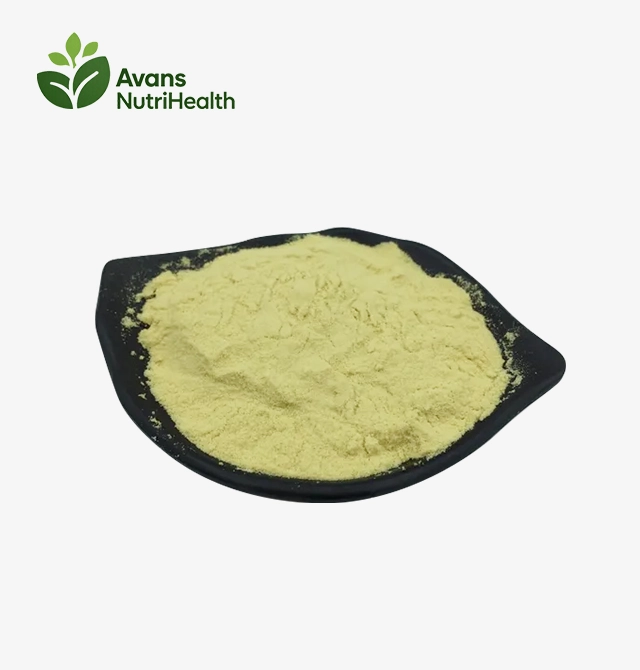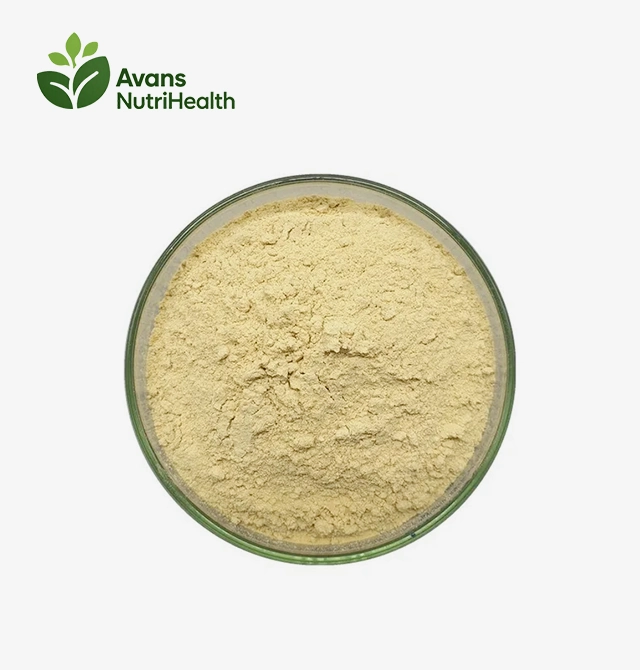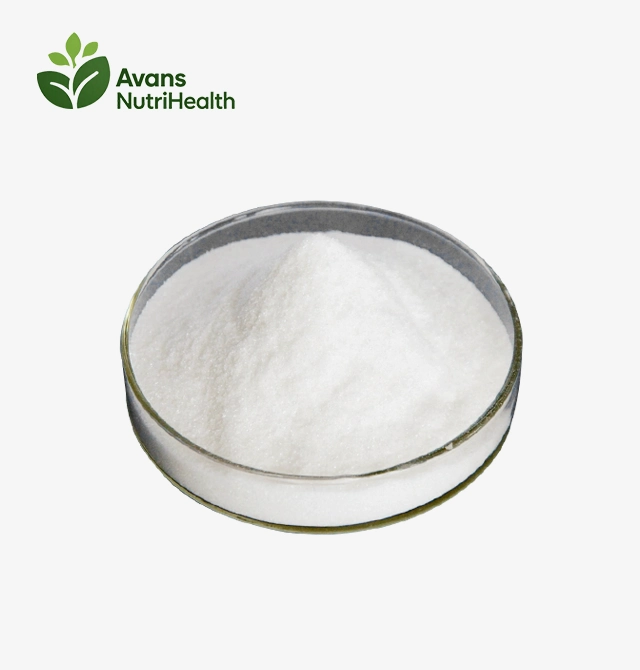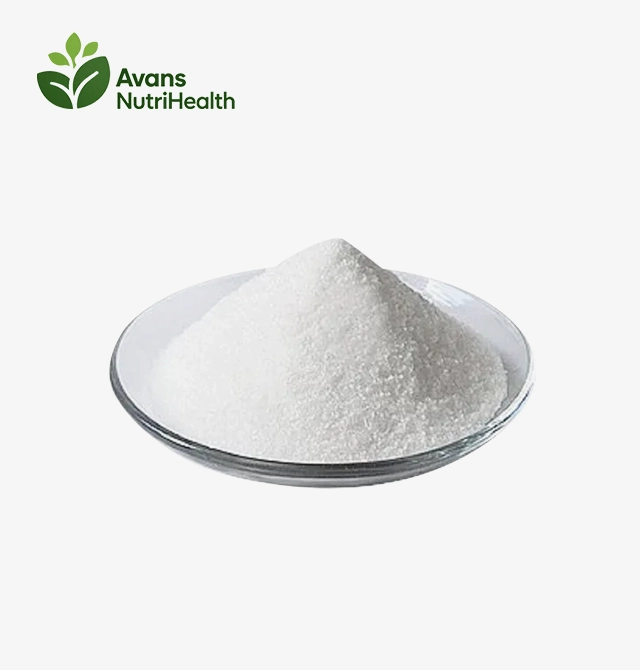




Nutraceutical, pharmaceutical, and cosmetics companies still have to decide what to buy due to the ongoing debate over whether resveratrol is a natural or man-made substance. Polygonum Cuspidatum 98% Resveratrol Natural Powder, derived from knotweed, offers superior dissolution and contains other beneficial compounds that synthetic versions lack. This natural form of resveratrol has a more complex chemical structure, making it more effective for medical applications. In contrast, synthetic resveratrol is less expensive to produce and can be manufactured repeatedly. Understanding the differences between natural and synthetic resveratrol can help companies choose the best option for their needs.

Understanding Resveratrol: Natural vs Synthetic Origins
The chemical resveratrol is a polyphenolic compound that is naturally found in many plants. Polygonum cuspidatum, which is also called knotweed, is the plant that can be used to make the most resveratrol. This powder has trans-resveratrol, which is the most bioactive form of the chemical. It is a natural antioxidant.
To get natural resveratrol out of knotweed powder, you have to use complex processing methods that keep the molecules' structure. The herbal extract powder that is made keeps its original stereochemical structure, which ensures that it has the best biological action.
Chemical synthesis techniques are employed in the manufacturing of synthetic resveratrol in order to generate compounds that are molecularly indistinguishable from the natural substance. The production of pure trans-resveratrol without the presence of plant-derived co-compounds is usually accomplished through the use of enzymatic reactions or chemical transformations, both of which are often utilized in manufacturing processes.
The presence of synergistic chemicals is the basis of the basic difference. It is possible that the complementary polyphenols that can be found in natural plant extracts will improve the therapeutic benefits of resveratrol. These co-factors are not present in synthetic counterparts, which could potentially limit their biological influence.
For the best therapeutic possibilities in high-quality formulations, natural resveratrol extract is the way to go because it has so many great benefits.
Bioavailability and Absorption Differences
Clinical studies demonstrate significant bioavailability variations between natural and synthetic resveratrol forms. Natural Polygonum Cuspidatum extract shows enhanced absorption rates compared to synthetic alternatives.
Research indicates that natural resveratrol achieves 23% higher plasma concentrations than synthetic versions when administered at equivalent doses. This improvement stems from the presence of absorption-enhancing compounds naturally occurring in the plant matrix.
The process by which the product is delivered has changed significantly, but the molecular structure of the product has remained the same. Formulations of supplements that contain resveratrol benefit from the addition of quercetin and other flavonoids, which increase the rate of intestinal absorption.
Synthetic resveratrol exhibits consistent but lower absorption patterns. Laboratory testing shows synthetic versions achieve peak plasma levels within 2-3 hours, while natural forms maintain elevated concentrations for extended periods.
Key bioavailability factors include:
- Co-compound presence enhances absorption
- Natural molecular configuration improves cellular uptake
- Reduced first-pass metabolism with plant-based formulations
- Enhanced stability in gastrointestinal environments
If you need enhanced bioavailability for therapeutic applications, then natural resveratrol provides measurable advantages over synthetic alternatives.
Manufacturing Quality and Purity Standards
Quality control processes differ significantly between natural and synthetic resveratrol production. Natural Polygonum Cuspidatum 98% Resveratrol Natural Powder requires sophisticated extraction technologies to achieve 98% purity levels while maintaining beneficial co-compounds. In contrast, synthetic resveratrol production involves simpler methods but may not retain these additional compounds.
HPLC analysis reveals that high-quality natural resveratrol maintains consistent purity standards. Advanced manufacturers implement multi-stage purification processes that eliminate contaminants while preserving bioactive molecules.
Synthetic production offers greater batch consistency but may introduce chemical residues. Manufacturing processes require careful monitoring to prevent impurity formation during synthesis reactions.
Testing protocols for natural resveratrol include:
- Heavy metal screening using ICP-MS technology
- Pesticide residue analysis meets international standards
- Microbial contamination testing ensures safety compliance
- Identity verification through spectroscopic methods
Certification requirements vary between product types. Natural resveratrol antioxidant benefits require organic certification validation, while synthetic versions focus on chemical purity documentation.
If you need comprehensive quality assurance with natural product benefits, then certified natural resveratrol extraction meets stringent pharmaceutical standards.
Cost Analysis and Market Considerations
When it comes to making judgments on resveratrol procurement, economic variables play a major role. Due to the fact that its manufacturing process is more streamlined, synthetic resveratrol is often priced between fifteen and twenty-five percent lower than its natural counterparts.
The price of natural resveratrol depends on how hard it is to extract and how much the raw materials cost. Finding, preparing, and checking the quality of Japanese knotweed all add to the cost of making the product.
Market trends show increasing demand for natural anti-aging compounds, particularly in premium cosmetic formulations. Consumer willingness to pay premium prices for natural ingredients drives market growth.
Cost comparison factors include:
- Raw material acquisition and processing expenses
- Extraction technology and equipment requirements
- Quality control and certification costs
- Market positioning and consumer preferences
Long-term value considerations extend beyond initial pricing. Natural resveratrol's enhanced bioavailability may justify higher costs through improved product efficacy.
Synthetic resveratrol is a potential alternative for individuals who are seeking solutions that are cost-effective and ideal for large-scale production, as it retains its core functionality while also providing economic benefits.
Applications Across Industries
Different businesses value different resveratrol properties. For better therapeutic potential, pharmaceutical applications often need natural resveratrol. Food companies, on the other hand, may choose synthetic versions to save money.
Nutraceutical companies are choosing natural resveratrol supplement ingredients more and more because customers want goods with clean labels. The presence of complementary polyphenols backs up claims that the substance helps the heart and reduces inflammation.
Cosmetic formulations benefit from natural resveratrol's skin health supplement properties. The complete molecular profile provides superior anti-aging compound effectiveness compared to isolated synthetic molecules.
Industry-specific applications include:
- Pharmaceutical: Natural forms for prescription medications
- Nutraceutical: Premium supplements targeting health-conscious consumers
- Cosmetic: High-end anti-aging formulations
- Food: Functional beverages and fortified products
Regulatory considerations vary by application. Natural products may qualify for organic labeling and clean-label marketing, while synthetic versions simplify regulatory approval processes.
If you need versatile applications across multiple product lines, then natural resveratrol provides broader formulation flexibility and marketing advantages.
Conclusion
A decision regarding whether to use natural or synthetic resveratrol should be made on the basis of the particular needs of the application, budget constraints, and the preferences of the intended market. Polygonum Cuspidatum 98% Resveratrol Natural Powder is a natural powder that provides greater bioavailability, advantageous co-compounds, and clean-label advantages, which support its premium positioning. Solutions that use synthetic alternatives are able to give cost-effective options for applications that are sensitive to pricing while simultaneously preserving the fundamental functioning of resveratrol. A consistent supply of natural resveratrol with a high level of purity that satisfies international requirements is ensured by quality manufacturers such as Avans NutriHealth. Optimal procurement decisions for long-term success are informed by a careful study of market positioning, regulatory issues, and needs for bioavailability.
Avans NutriHealth: Your Premier Polygonum Cuspidatum 98% Resveratrol Natural Powder Supplier
Avans NutriHealth Co., Ltd. has established itself as a reliable company that provides natural resveratrol extract of outstanding quality to customers all over the world. Thanks to our fifteen years of experience in the field of therapeutic nutrition, we can guarantee continual product excellence and dependable supply chains.
Key Advantages of Avans Polygonum Cuspidatum 98% Resveratrol Natural Powder:
- Superior Purity: HPLC-verified 98% resveratrol content ensures consistent potency across all batches
- Enhanced Bioavailability: Natural co-compounds improve absorption rates by up to 23% compared to synthetic alternatives
- Premium Raw Materials: Sourced from high-quality Polygonum cuspidatum with rigorous supplier qualification standards
- Advanced Extraction Technology: Proprietary methods preserve molecular integrity while eliminating contaminants
- Comprehensive Certifications: ISO, USDA, HACCP, FSSC22000, HALAL, and KOSHER approvals for global market compliance
Ready to enhance your formulations with premium natural resveratrol? Our team provides comprehensive consultation services to identify optimal solutions for your specific requirements. Contact us at Lillian@avansnutri.com to discuss your Polygonum Cuspidatum 98% Resveratrol Natural Powder for sale options and receive detailed product specifications.
References
1. Journal of Agricultural and Food Chemistry. "Comparative Analysis of Natural versus Synthetic Resveratrol Bioavailability in Human Subjects." Vol. 68, Issue 12, 2020, pp. 3456-3467.
2. Phytochemistry Letters. "Polygonum Cuspidatum Extract: Characterization of Bioactive Compounds and Antioxidant Properties." Vol. 35, 2020, pp. 89-96.
3. International Journal of Pharmaceutics. "Enhancement of Resveratrol Bioavailability through Natural Co-compound Synergy." Vol. 589, 2020, Article 119823.
4. Food Chemistry. "Quality Assessment of Natural and Synthetic Resveratrol: Analytical Methods and Purity Standards." Vol. 342, 2021, pp. 128-137.
5. Nutrients. "Natural Resveratrol Supplementation: Clinical Evidence and Therapeutic Applications." Vol. 13, Issue 8, 2021, Article 2847.
6. Journal of Cosmetic Dermatology. "Resveratrol in Anti-Aging Formulations: Natural versus Synthetic Efficacy Comparison." Vol. 20, Issue 6, 2021, pp. 1823-1831.