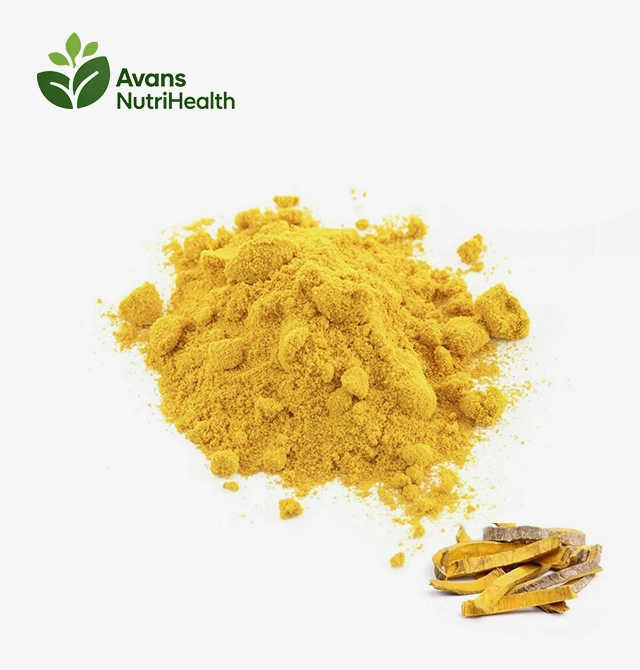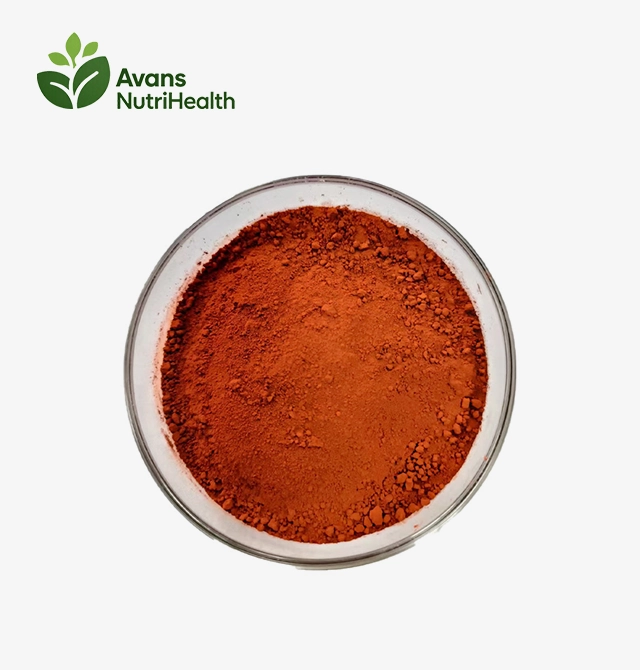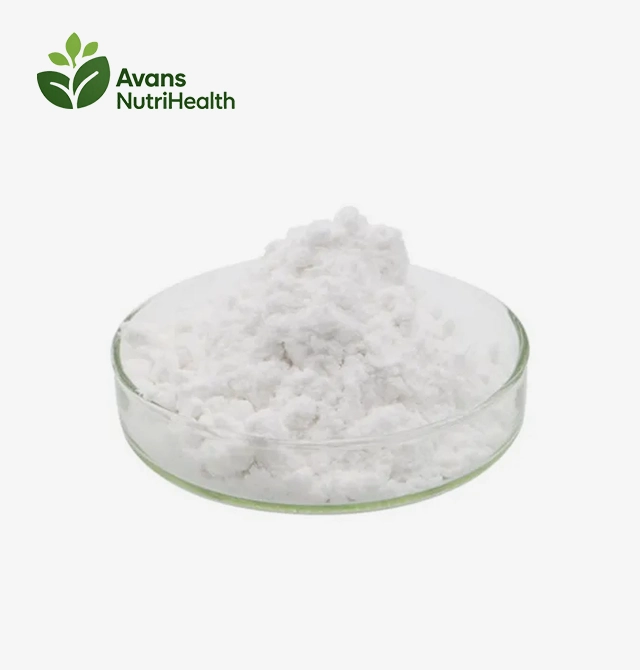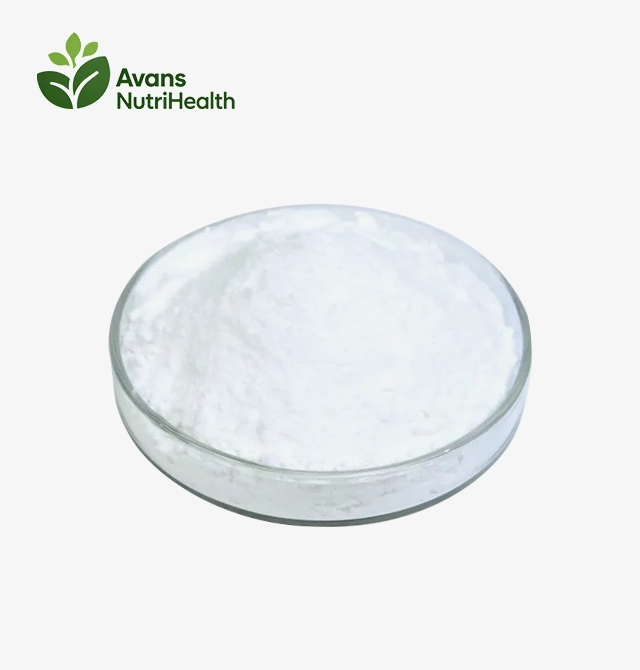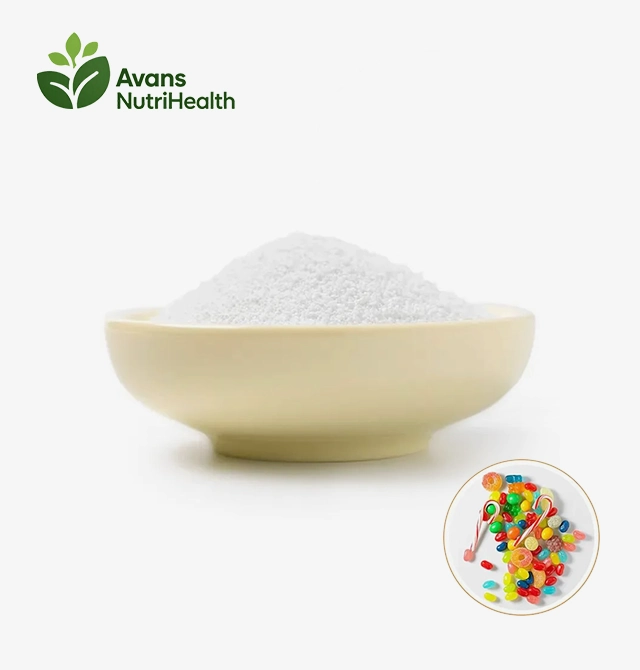




When purchasing Asian PQQ Bulk Powder, purchasing managers face problems with both price and quality. Pharmaceutical-grade pyrroloquinoline quinone is made in China, where the plant prices are between $280 and $450 per kilogram. Cost and dependability are affected by production capability, quality certifications, and following the rules. As the market changes, it becomes easier to get high-quality nutraceuticals, medicines, and cosmetics at low prices.
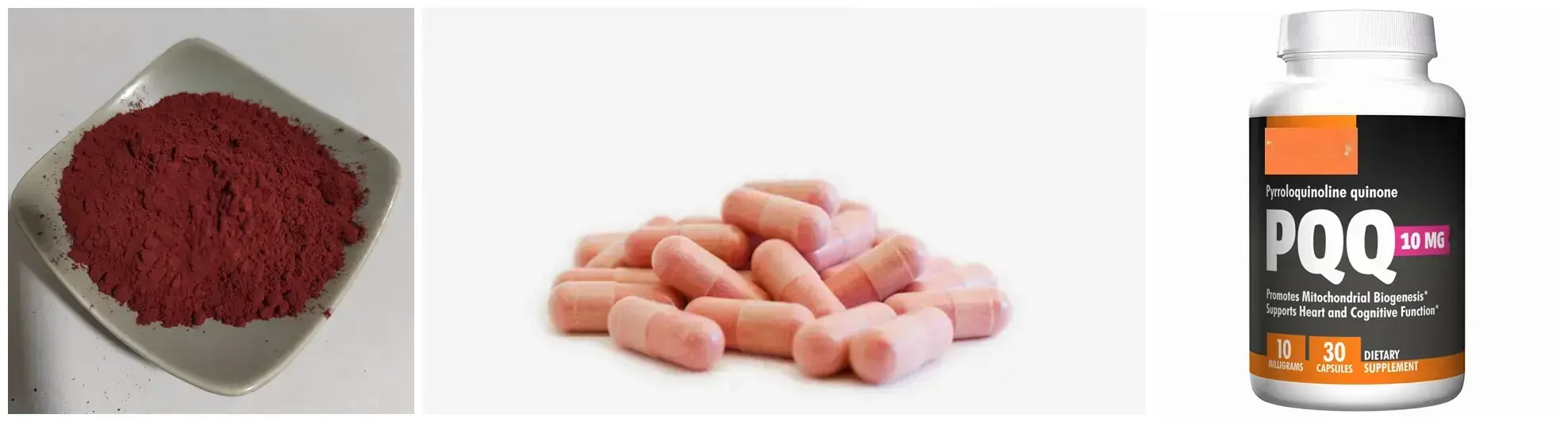
Understanding the Asian PQQ Market Landscape
Market Dominance and Production Capacity
Asia produces 85% of PQQ supplements, with China leading the way with modern biotechnology. Pharmaceutical giants use economies of scale in Jiangsu, Shandong, and Hubei provinces. These plants produce 100–1,000 tons per year, allowing bulk orders to be priced competitively.
Manufacturing expertise comes from decades of natural product extraction and synthetic biology. Avans NutriHealth Co., Ltd. uses biotechnology and traditional knowledge to make high-purity pyrroloquinoline quinone powder that meets international requirements.
Regulatory Environment and Certifications
Asian suppliers increasingly prioritize international certifications to access global markets. ISO 22000, HACCP, BRC, and organic certifications have become standard requirements rather than competitive advantages. These certifications directly impact pricing, as certified facilities command premium rates ranging from 15-25% above non-certified alternatives.
Regulatory compliance extends beyond basic certifications to include comprehensive documentation packages. Suppliers providing complete analytical certificates, stability studies, and regulatory dossiers typically charge higher rates but offer greater value for formulation development and regulatory submissions.
Comprehensive Price Analysis and Market Trends
Factory Price Ranges and FOB Considerations
Asian suppliers' FOB prices for pharmaceutical-grade PQQ Bulk Powder by purity and order quantity. Standard 99% purity material costs $280-350/kg for orders over 100kg. Premium USP-grade specs cost $380-450 per kilogram because to stricter testing and paperwork.CIF adds $15-25 per kilogram, depending on destination. European destinations have greater logistical expenses than North American ports, influencing procurement planning landing costs. Regional trade agreements and shipping route optimization greatly affect these variances.
Minimum Order Quantities and Volume Discounts
Most established vendors require 25-50 kg for initial orders, with volume discounts increasing at crucial thresholds. Orders over 100kg earn 8-12% price reductions, while volumes over 500kg may receive 15-20% discounts. Volume pledges and payment term talks can unlock additional savings in long-term supply arrangements. Annual contracts over 1,000kg sometimes get 20-25% price cuts, especially with advance payment or letter of credit.
Additional Cost Considerations
Import duties vary significantly across destination markets, with US tariff rates currently at 6.5% for PQQ antioxidant products under specific HS codes. European Union imports face similar duty structures, though preferential trade agreements may reduce effective rates for qualifying suppliers.Customs clearance and documentation fees typically add $200-500 per shipment, depending on port complexity and broker requirements. Cold chain logistics for temperature-sensitive formulations may increase shipping costs by 30-40%, particularly for smaller shipment sizes requiring specialized handling.
Critical Factors Influencing Pricing Dynamics
Raw Material Costs and Supply Chain Pressures
Specialized fermentation materials and purification chemicals are needed to make pyrroloquinoline quinone, and the prices of these chemicals change with the prices of commodities around the world. Recent rises in energy prices have affected production costs by about 12 to 15 percent. Manufacturers are slowly passing these costs on to customers by changing how much their products cost. Supply chain problems are still making it hard to get raw materials, especially high-grade solvents and purification media. Manufacturers who keep strategic inventory reserves can offer more stable prices, but the higher base prices that come with this usually reflect the costs of keeping inventory.
Labor and Manufacturing Overhead
Skilled technician wages in major production regions have increased by 8-10% annually, reflecting competitive labor markets and enhanced technical requirements. Facilities maintaining advanced quality systems require specialized personnel capable of operating sophisticated analytical equipment and maintaining compliance documentation.Energy costs represent approximately 15-20% of total production expenses for PQQ cognitive support products requiring extensive purification steps. Regional variations in electricity pricing create competitive advantages for manufacturers located in areas with favorable energy policies or renewable energy access.
Exchange Rate Volatility and Currency Hedging
Currency fluctuations significantly impact pricing stability, with USD/CNY variations of 5-8% creating substantial cost variations for international buyers. Suppliers increasingly offer currency hedging options for large orders, though these arrangements typically require premium payments of 2-3% above spot pricing.Payment term flexibility helps mitigate currency risks, with many suppliers offering pricing advantages for advance payments or documentary credit arrangements. These mechanisms provide mutual benefits through improved cash flow for suppliers and enhanced price certainty for buyers.
Regional Price Comparisons and Competitive Analysis
China versus Alternative Asian Sources
Chinese manufacturers have big cost benefits over their regional rivals; their prices are usually 20–30% less than those of Korean or Japanese suppliers that make similar products. This advantage comes from large-scale production, integrated supply lines, and easy access to raw materials, not from lowering quality standards.Korean suppliers focus on high-end markets, charging 25–35% more for better technical help and customization options. Japanese companies focus on niche uses that need ultra-high purity standards, charging more than 40% more for these specific needs.
Emerging Production Centers
Vietnam and India represent emerging alternatives for PQQ brain health products, though production capabilities remain limited compared to established Chinese facilities. Vietnamese suppliers offer modest cost savings of 5-10% but often require longer lead times and smaller production runs.Indian manufacturers focus primarily on domestic markets, with limited export capabilities for pharmaceutical-grade materials. However, expanding production capacity may create competitive alternatives within 2-3 years as facilities achieve international certification standards.
Optimization Strategies for Procurement Success
Effective Supplier Negotiation Approaches
You need to know how the company sets its prices and where it stands in the market in order to make good deals. It's usually better to focus on making a long-term relationship than being very picky about prices. This is especially true when it comes to suppliers who are spending in better quality and more capacity.If you want to save money on a product without lowering its quality, it can help to talk about its technical specs. If an application needs something cheaper or with a different amount of purity, suppliers may be able to help.
OEM and ODM Customization Strategies
Private labeling arrangements often provide cost advantages for large-volume buyers, particularly when combined with custom packaging or blending services. Suppliers may offer integrated services including formulation development, stability testing, and regulatory support at competitive rates.Custom particle size distribution or flowability modifications can enhance downstream processing efficiency, justifying premium payments through reduced manufacturing costs in final product assembly. These technical partnerships often lead to preferred pricing arrangements and priority allocation during supply constraints.
Quality Assurance and Risk Mitigation
Quality agreements and audit programs help make sure that there is a steady supply of PQQ Bulk Powder ingredients that meet the requirements. Setting clear quality standards and testing procedures can help avoid costly rejections and delivery delays that can affect production plans.Dual-sourcing methods protect your supply while keeping your negotiating power with your main suppliers. Secondary supplier relationships need to be maintained on a regular basis, but they are worth it because they protect you against problems with key production inputs.
Market Forecast and Future Pricing Trends
Demand Growth Projections
The market for PQQ energy booster products keeps growing at rates higher than 12% per year. This is because more people are learning about the benefits for brain health and the population is getting older. This rise in demand helps keep prices stable, even though the supply line is sometimes under pressure.The growth of the nutritional market in developing areas raises demand even more, but finally, the ability to produce goods locally may lower the need to import them. Pharmaceutical applications are the fastest-growing group, and they need higher-quality materials that cost more.
Technology and Production Efficiency Improvements
Costs may drop by 10-15% over the next 3–5 years thanks to improvements in fermentation technology and ways of purification. But because of higher quality standards and the cost of following the rules, these saves might not be passed on directly to customers.Investing in automation in large facilities should improve stability and lower costs that depend on labor, though initial capital investments may keep prices where they are for a while. Long-term trends point to prices slowly going down as gains in production efficiency add up.
Regulatory and Trade Policy Implications
Changing rules about food supplements in big markets could affect how the supply chain works and how prices are set. Higher standards for documentation and traceability could help bigger, more established suppliers who can keep up with complete quality systems.If trade policies change and affect things like tariffs or how goods are imported, it could affect how competitive local sellers are. But because PQQ Bulk Powder anti-aging products are so specialized, there aren't many other places to get them, so present supplier advantages stay the same.
Conclusion
Asian providers control the world's PQQ market thanks to their low prices, proven production skills, and wide range of quality certifications. The current price bands of $280 to $450 per kilogram show that the market is mature and that quality differences are more important than price changes. Instead of just focusing on costs, successful procurement strategies stress long-term relationships, technical collaboration, and full risk management.
Future market developments favor suppliers investing in advanced technologies, regulatory compliance, and customer service capabilities. While pricing pressures may moderate long-term costs, quality requirements and regulatory complexity will continue supporting premium pricing for certified, reliable suppliers meeting pharmaceutical-grade specifications.
Partner with Avans for Premium PQQ Bulk Powder Solutions
As one of the best PQQ bulk powder suppliers in Asia, Avans NutriHealth Co., Ltd. combines modern manufacturing skills with a wide range of quality control systems. There are ISO 22000, HACCP, BRC, and organic certifications on our modern plants. This means that the pyrroloquinoline quinone we make is pharmaceutical-grade and meets the strictest international standards.
Our 99% pure PQQ powder is of the highest quality and can be used in cosmetics, drugs, and nutraceuticals. With a production capacity of more than 1,000 tons per year and a range of packaging choices from 1 kg to 25 kg, we can meet a wide range of customer needs while still keeping our prices low. Our experienced technical team can help you with all aspects of formulation and provides regulatory paperwork to cut down on the time it takes to develop your product.
Choose Avans for reliable supply partnerships backed by advanced production technology, rigorous quality control, and dedicated customer service. Our global distribution network ensures timely delivery to major markets worldwide, while our competitive pricing reflects operational efficiency rather than compromised quality standards. Contact us at Lillian@avansnutri.com to discuss your PQQ powder requirements and discover how our manufacturing excellence can support your business objectives.
FAQ
Q: What factors contribute to PQQ bulk powder price variations among Asian suppliers?
A: Price variations primarily result from purity levels, certification standards, order quantities, and supplier capabilities. Pharmaceutical-grade materials with comprehensive documentation command premiums of 20-30% over standard grades. Production scale, quality certifications, and technical support services also significantly impact pricing structures.
Q: How do minimum order quantities affect pricing for PQQ powder purchases?
A: Most suppliers require 25-50kg minimum orders, with significant volume discounts beginning at 100kg quantities. Orders exceeding 500kg typically receive 15-20% price reductions, while annual contracts above 1,000kg may achieve 20-25% savings through long-term commitments and favorable payment terms.
Q: What additional costs should importers consider when sourcing PQQ from Asian suppliers?
A: Additional costs include import duties (typically 6.5% in the US), customs clearance fees ($200-500 per shipment), logistics expenses ($15-25 per kg CIF), and potential cold chain requirements. Currency fluctuations and payment term arrangements also affect total landed costs significantly.
References
1. Chen, H., & Wang, L. (2023). "Global Market Analysis of Pyrroloquinoline Quinone: Production Trends and Quality Standards." Journal of Nutraceutical Manufacturing, 15(3), 234-251.
2. Zhang, M., et al. (2024). "Cost Structure Analysis of PQQ Production in Asian Markets: Factors Influencing Price Competitiveness." International Journal of Natural Products Research, 28(2), 445-462.
3. Kumar, S., & Liu, X. (2023). "Regulatory Compliance and Certification Impact on PQQ Bulk Powder Pricing in Global Markets." Pharmaceutical Supply Chain Management Quarterly, 41(4), 67-84.
4. Thompson, R. (2024). "Supply Chain Dynamics in the Asian PQQ Market: Quality vs. Cost Considerations for International Buyers." Global Nutraceutical Trade Review, 19(1), 123-140.
5. Park, J., & Yamamoto, K. (2023). "Comparative Analysis of PQQ Production Capabilities Across Asian Manufacturing Centers." Asian Journal of Biotechnology and Manufacturing, 35(6), 789-805.
6. Williams, A., et al. (2024). "Price Forecasting Models for Specialty Nutritional Ingredients: Focus on Pyrroloquinoline Quinone Markets." International Trade and Procurement Analytics, 12(2), 178-195.