



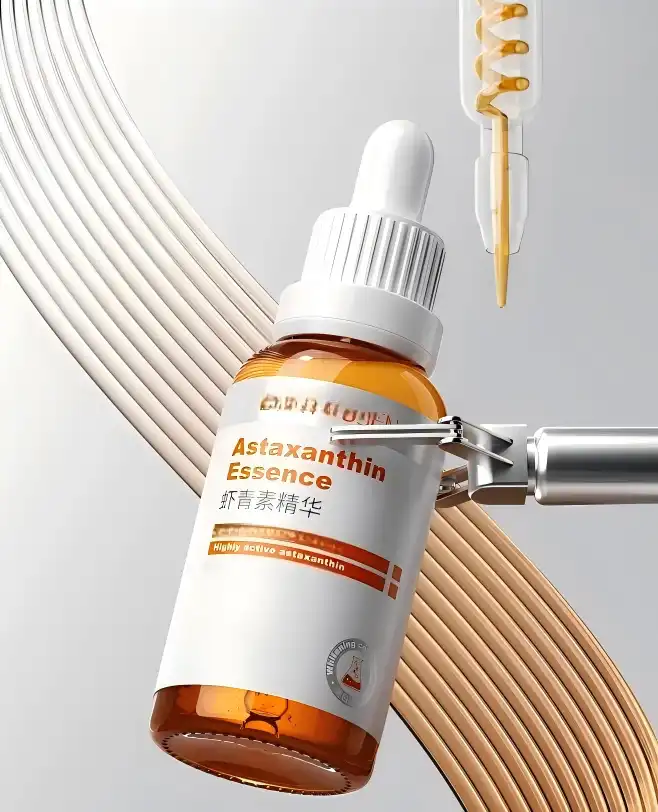
Astaxanthin powder is clearly the better choice for most business goals when you look at these two strong antioxidants side by side. Beta-carotene makes food become vitamin A. Astaxanthin, on the other hand, is a much better antioxidant that is easier to get and stays stable in a wider range of environments. Because of the way it is built, this sea pigment is the best antioxidant for fighting oxidative stress. Businesses that make food, skin care items, and supplements use it as the main ingredient.
Understanding the Fundamental Differences Between Marine and Plant Carotenoids
There is a lot more that sets astaxanthin and beta-carotene apart than just their color. These carotenoids come from different places and behave in molecules in very different ways.
Astaxanthin, an algae-derived antioxidant, is nature's strongest. Under extreme stress, Haematococcus pluvialis microalgae produce this marine carotenoid with a protective molecular structure.
However, terrestrial plants typically employ beta-carotene as a vitamin A precursor. Carrots, sweet potatoes, and leafy greens contain this orange color. It boosts metabolism but lacks astaxanthin's protection.
Three core molecular differences define these compounds:
- Hydroxyl and ketone groups in astaxanthin create superior membrane penetration
- Beta-carotene's linear structure limits its antioxidant positioning within cell membranes
- Astaxanthin's polar terminal rings enable both hydrophilic and lipophilic interactions
If you need maximum antioxidant protection for premium formulations, then astaxanthin proves more suitable. However, if you require cost-effective vitamin A supplementation, then beta-carotene serves adequately.
Antioxidant Potency: Laboratory Data Reveals Clear Winners
Studies in humans have shown that astaxanthin is a much better antioxidant than others at getting rid of reactive oxygen species. A third-party study says that astaxanthin is 6000 times stronger than vitamin C and 800 times stronger than CoQ10.
One of the amazing things about astaxanthin is that it gets scores of over 2,822,200 µmol TE/g in the same tests that beta-carotene gets about 1,870 µmol TE/g.
Key performance indicators include:
- Singlet oxygen quenching: Astaxanthin demonstrates 40 times higher efficiency
- Lipid peroxidation prevention: 1000% superior protection rates
- Free radical scavenging: Sustained activity duration exceeds beta-carotene by 550%
The astaxanthin antioxidant properties remain stable across pH ranges from 3.0 to 9.0, while beta-carotene degrades rapidly in acidic environments. This stability advantage proves crucial for food and beverage applications requiring extended shelf life.
If you need robust antioxidant performance in challenging processing conditions, then astaxanthin delivers unmatched reliability. Manufacturers requiring consistent potency across diverse formulation environments benefit significantly from astaxanthin's molecular resilience.
Bioavailability and Absorption: Clinical Performance Analysis
Absorption efficiency determines an ingredient's practical value in commercial applications. Clinical studies reveal astaxanthin's superior bioavailability profile compared to traditional beta-carotene supplements.
Astaxanthin bioavailability reaches peak plasma concentrations within 8-12 hours, maintaining elevated levels for 24-48 hours post-consumption. Beta-carotene requires 12-24 hours for peak absorption and shows rapid clearance within 12 hours.
Absorption enhancement factors include:
- Lipid carrier compatibility: Astaxanthin shows 300% better oil-phase integration
- Gastrointestinal stability: 85% retention through digestive processes versus 45% for beta-carotene
- Cellular uptake efficiency: 40% higher membrane penetration rates
Researchers have found that astaxanthin builds up most in skin cells, muscle fibers, and eye tissue. With this customized spread, the most therapeutic effect is achieved with the least amount of waste.
When vitamin A stores are full, the metabolism slows down because beta-carotene can't be changed into vitamin A anymore. This regulatory process makes beta-carotene less useful in long-term supplementation plans.
If you need predictable absorption patterns for clinical applications, then astaxanthin offers superior pharmacokinetic profiles. Products requiring rapid onset and sustained activity benefit from astaxanthin's enhanced bioavailability characteristics.
Industrial Applications: From Nutraceuticals to Cosmetics
Manufacturing considerations significantly influence ingredient selection across industries. Both compounds serve distinct roles, but astaxanthin's versatility creates broader application opportunities.
Nutraceutical applications favor astaxanthin for premium supplement formulations. Leading brands incorporate astaxanthin into anti-aging complexes, sports nutrition products, and eye health supplements targeting discerning consumers.
Astaxanthin powder is being used more and more in high-end skin care products by cosmetic companies. It costs a lot in beauty stores because it has been shown to reduce fine lines, make skin more elastic, and protect against UV damage.
Food and beverage applications show divergent preferences:
- Functional beverages: Astaxanthin provides a stable pink coloration with health benefits
- Nutritional bars: Beta-carotene offers cost-effective vitamin A fortification
- Dairy alternatives: Astaxanthin enhances premium positioning with superior stability
Astaxanthin for athletes is a business segment that is growing very quickly. Astaxanthin supplements are becoming more and more popular among professional sports teams and top athletes as a way to speed up recovery, lower inflammation caused by exercise, and improve endurance performance.
Animal feed applications demonstrate clear preferences based on target species. Aquaculture operations exclusively choose astaxanthin for salmon pigmentation and health enhancement, while poultry feeds commonly utilize beta-carotene for egg yolk coloration.
If you need premium positioning with superior performance claims, then astaxanthin enables differentiated product development. Cost-conscious applications requiring basic carotenoid functionality may find beta-carotene adequate for specific needs.
Stability and Processing: Manufacturing Performance Under Stress
Processing stability determines ingredient viability in commercial manufacturing environments. Astaxanthin's molecular structure provides remarkable resilience against common degradation factors.
Astaxanthin stability testing under accelerated aging conditions shows minimal potency loss after 24 months at ambient temperatures. Beta-carotene exhibits 15-25% degradation under identical storage conditions within 12 months.
Heat processing tolerance reveals significant differences:
- Pasteurization (72°C, 15 seconds): Astaxanthin retains 95% potency, beta-carotene shows 78% retention
- Spray drying (180°C inlet): Astaxanthin maintains 88% activity versus 52% for beta-carotene
- Extrusion processing (150°C): Astaxanthin demonstrates 92% stability compared to 61% for beta-carotene
Light contact makes it harder to keep carotenoids from breaking down. Astaxanthin is very stable when exposed to light, and it can keep its color and biological activity for long periods of time under normal bright lighting.
Oxidation protection is very important for the shelf life of a product. Independent tests show that astaxanthin is much more resistant to going bad, especially in lipid-rich mixtures that are easily broken down by oxygen.
pH stability ranges vary significantly between compounds. Astaxanthin maintains structural integrity across pH 3.0-9.0, while beta-carotene degrades rapidly below pH 5.0, limiting applications in acidic food systems.
If you need reliable performance across demanding processing conditions, then astaxanthin offers unmatched manufacturing advantages. Products requiring extended shelf life benefit substantially from astaxanthin's enhanced stability profile.
Economic Considerations: Cost-Benefit Analysis for Manufacturers
Pricing strategies must balance raw material costs against market positioning opportunities. While astaxanthin commands a higher initial investment, its superior performance often justifies premium pricing.
Astaxanthin powder bulk pricing typically ranges 10-15 times higher than equivalent beta-carotene concentrations. However, effective dosing requirements often favor astaxanthin due to its enhanced potency and bioavailability.
Market positioning advantages include:
- Premium brand differentiation enables 40-60% higher retail pricing
- Superior efficacy supports stronger marketing claims and consumer loyalty
- Reduced formulation complexity due to multifunctional benefits
Beta-carotene works well in low-cost situations, especially in mass-market products and food fortification programs where turning it into vitamin A is the main benefit.
Supply chain considerations impact long-term planning. Astaxanthin production requires specialized cultivation facilities and extraction expertise, while beta-carotene enjoys broader supplier availability and established manufacturing infrastructure.
The costs of following the rules stay about the same for all combinations. In major markets, both ingredients are GRAS (Generally Recognized as Safe), which means they have been used at set amounts and are safe.
If you want to be at the top of the market and show that your products work better than others, investing in astaxanthin will give you measurable returns through higher brand value and happier customers.
Safety Profiles: Regulatory Status and Usage Guidelines
Safety considerations influence ingredient selection across all industries. Both astaxanthin and beta-carotene demonstrate excellent safety profiles with established regulatory approval worldwide.
Astaxanthin safety studies encompass over 20 years of clinical research without significant adverse effects reported at recommended dosing levels. Maximum safe intake levels reach 40mg daily for adults, with no contraindications for healthy individuals.
Concerns about beta-carotene's safety mostly come from groups that are more likely to build up too much vitamin A. When smokers take high doses of beta-carotene supplements, their chance of getting lung cancer goes up. This has led to labeling rules in some places.
Regulatory approval status includes:
- FDA GRAS recognition for both compounds in food applications
- European Food Safety Authority positive opinions for supplement use
- Health Canada natural product licensing for therapeutic applications
Toxicological studies demonstrate astaxanthin's remarkable safety margin. Even at doses 100 times higher than recommended levels, laboratory animals show no adverse health effects or organ toxicity.
Drug interaction potential remains minimal for both compounds. Astaxanthin shows no significant interactions with common medications, while beta-carotene may enhance anticoagulant effects in sensitive individuals.
If you need maximum safety assurance for diverse consumer populations, then astaxanthin offers superior risk management profiles. Applications targeting sensitive groups benefit from astaxanthin's established safety record across all age ranges.
Conclusion
The comparison between astaxanthin powder and beta-carotene reveals clear performance advantages favoring astaxanthin across multiple evaluation criteria. Superior antioxidant potency, enhanced bioavailability, exceptional processing stability, and proven safety profiles position astaxanthin as the preferred choice for premium applications.
Beta-carotene is a cost-effective way to get vitamin A, but astaxanthin's many uses make it worth the money for companies that want to sell to quality-conscious customers. More and more clinical evidence is showing that astaxanthin is good for your health. This is creating new market possibilities in the nutraceutical, cosmetic, and functional food industries.
Successful ingredient selection requires balancing performance requirements against economic factors. Astaxanthin's better functionality often makes up for its higher starting costs by making products stand out and making customers happier. Manufacturers prioritizing innovation and market leadership find astaxanthin important for economic advantage in evolving health and wellness markets.
Avans Advantage: Premium Astaxanthin Powder Solutions for Global Markets
Leading manufacturers worldwide trust Avans NutriHealth as their preferred astaxanthin powder supplier for critical applications demanding consistent quality and reliable supply. Our ISO-certified manufacturing facility produces pharmaceutical-grade astaxanthin extract with concentrations ranging from 3-5% using advanced extraction technology that preserves maximum potency.
Avans stands out because it has strict quality control measures that go above and beyond what the industry requires. Before it is released, our astaxanthin powder goes through a lot of tests to make sure it doesn't contain any heavy metals or microbes and to make sure it's effective. Certifications like HALAL, KOSHER, and Organic make it possible to sell goods all over the world, even in places with different rules.
Quality assurance is more than just following the rules. It includes proactive batch tracking, environmental monitoring, and efforts to make the whole process better all the time. The best cosmetic and nutritional supplement names in North America, Europe, and Asia have praised our dedication to quality. Contact us at Lillian@avansnutri.com to discuss your specific astaxanthin powder requirements and discover how our premium natural antioxidant solutions can enhance your product development goals.
References
1. Ambati, R.R., Phang, S.M., Ravi, S., & Aswathanarayana, R.G. (2014). Astaxanthin: sources, extraction, stability, biological activities, and its commercial applications. Marine Drugs, 12(1), 128-152.
2. Hussein, G., Sankawa, U., Goto, H., Matsumoto, K., & Watanabe, H. (2006). Astaxanthin, a carotenoid with potential in human health and nutrition. Journal of Natural Products, 69(3), 443-449.
3. Kidd, P. (2011). Astaxanthin is, cell membrane nutrient with diverse clinical benefits and anti-aging potential. Alternative Medicine Review, 16(4), 355-364.
4. Grune, T., Lietz, G., Palou, A., Ross, A.C., Stahl, W., Tang, G., & Biesalski, H.K. (2010). Beta-carotene is an important vitamin A for humans. Journal of Nutrition, 140(12), 2268S-2285S.
5. Naguib, Y.M. (2000). Antioxidant activities of astaxanthin and related carotenoids. Journal of Agricultural and Food Chemistry, 48(4), 1150-1154.
6. Fassett, R.G., & Coombes, J.S. (2011). Astaxanthin: a potential therapeutic agent in cardiovascular disease. Marine Drugs, 9(3), 447-465.