




How to Verify the Purity of Berberine Chloride Powder Before Purchase?
Verifying the purity of Berberine Chloride Powder before purchase requires a systematic approach combining analytical testing, certificate validation, and supplier credibility assessment. High-Performance Liquid Chromatography (HPLC) remains the gold standard for confirming assay levels between 97 and 99%, while reviewing third-party Certificates of Analysis ensures compliance with USP and EP pharmacopoeial standards. Procurement professionals must also examine heavy metal limits, residual solvent content, and microbial specifications. Partnering with certified manufacturers possessing ISO, HALAL, and KOSHER certifications provides additional assurance that the alkaloid extract meets pharmaceutical-grade requirements essential for formulation success across nutraceutical and medical applications.
Proven Methods to Verify Berberine Chloride Powder Purity
Initial Assessment: Visual Inspection and Certificate Review
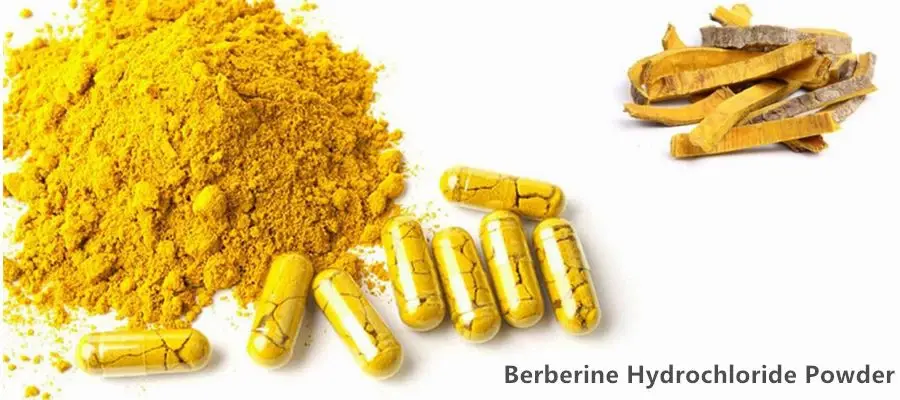
Visual features give you a rough idea of the quality. Real stuff looks like a fine, bright yellow powder that stays the same colour throughout the batch. Lumping, discolouration, or bad smells are all signs of being exposed to water or contamination. The next step in the proof process is to look over the Certificate of Analysis. Real CoAs show test results for each batch, the reference standards that were used, the dates of the tests, and authorised signatures. Teams in charge of buying things should check that the lab that gives the test results is still ISO 17025 certified and that the test methods used are in line with what is required by the pharmacopoeia. Even though these first steps are helpful, they can't replace a full analysis of the results of Berberine Chloride Powder.
Advanced Analytical Techniques for Accurate Verification
High-Performance Liquid Chromatography is the best way to find out how pure a chemical is. HPLC removes berberine from substances that have similar structures, which stops false-positive assay growth. This method measures the amount of target alkaloid and finds impurity peaks that other methods miss. Using mass spectrometry and HPLC together confirms the molecular weight and finds manmade adulterants that come from sources other than plants. At the molecule level, Nuclear Magnetic Resonance spectroscopy can confirm the structure. Thin Layer Chromatography is a cheap way to screen for contaminants, but it's not accurate enough for pharmaceutical-grade proof. To make sure measurements are correct, procurement professionals should include HPLC-based assay methodology in purchase agreements.
Third-Party Laboratory Testing and Report Interpretation
An independent lab check gets rid of source bias and confirms the claimed specs. Testing centers with a good reputation have approval from groups like A2LA or UKAS and keep their skills up to date with inter-laboratory comparison programs. Procurement teams should look at retention times, peak resolution, and calibration curve linearity when figuring out what purity reports mean. ICP-MS measurement of heavy metals should show detection limits that are lower than the limits set by regulations. Microbiological tests must show that Salmonella and E. coli are not present with plate counts less than 1000 cfu/g. Headspace gas chromatography should be used for solvent residue measurement. Knowing these technical details helps you make better choices about quality and makes the provider more responsible throughout the whole supply relationship.
Comparing Berberine Chloride Powder Purity Among Suppliers
Source Material and Manufacturing Variability
The birthplace of the raw materials has a big effect on the purity of the end product. Coptis that was collected in the wild may have a wider range of alkaloids than sources that were grown in controlled circumstances. The method of extraction is also very important. Modern processing plants use multiple steps of purification, such as crystallisation and recrystallisation, to get rid of coloured impurities and alkaloids that are related to them. Controlling the temperature during extraction keeps the compound's structure and reduces the amount of breakdown products that are made. The size of the manufacturing operation is also important. Bigger businesses usually buy automated systems that are more consistent from batch to batch. Suppliers with sites that have documented quality control systems show that they are dedicated to producing work that can be repeated and meets international standards for Berberine Chloride Powder.
Purity, Pricing, and Supplier Reputation
A study of the market shows that pharmaceutical-grade materials that are 98–99% pure, as shown by HPLC testing, cost 15–30% more than lower-grade options. This higher price is because more money was spent on better raw materials, more advanced cleaning technology, and stricter testing procedures. Suppliers that have been in the market for a long time and have a history of reliability and following the rules can often justify higher prices. New suppliers may have good prices, but you need to do more research to make sure their infrastructure is good. The connection between the number of certifications a company has and its stability in purity is especially telling. Companies that have a lot of foreign certifications, such as ISO, HALAL, KOSHER, and organic credentials, show that they are committed to quality all the time, not just when one batch is great.
Strategic Procurement Decision Frameworks
Matching purity standards to end-use needs improves the efficiency of buying. For pharmaceutical uses that need to submit paperwork to the government, pharmacopoeial-grade materials with full impurity testing are needed. Nutraceutical formulations may be able to work with slightly broader requirements as long as safety standards are met. Different impurity profiles can be used in cosmetics as long as they don't hurt the skin or affect the body's bioavailability. Professionals in procurement should do a total cost of ownership study that looks at more than just the unit price. They should look at things like supply reliability, expert support available, and regulatory help. When comparing prices, long-term supply agreements with quality-focused manufacturers are often a better deal than buying on the spot from unknown sources. This is especially true when you consider the costs of reformulating products when the quality of the materials isn't consistent.
Best Practices for Procurement of High-Purity Berberine Chloride Powder
Comprehensive Supplier Validation Checklist
Verification of the license is the first step in effectively qualifying a seller. Instead of relying only on documentation provided by the supplier, check regulatory certifications directly with the groups that issue them. When they are ready, ask for facility inspection reports and audit results. Look at the paperwork for the quality management system. This should include standard working methods for inspecting incoming materials, keeping an eye on work in progress, and releasing finished products. Check out how the provider handles complaints and takes action to fix problems. Check out their methods for keeping allergens out, preventing cross-contamination, and keeping track of food. Find out how they handle changes to their products or processes and how they let customers know about them. Knowing how deep the quality infrastructure goes helps you tell the difference between sophisticated manufacturers and trading companies that don't keep an eye on the production of Berberine Chloride Powder.
Critical Questions for Supplier Engagement
When talking to suppliers, people who work in procurement should ask specific questions to find out more about their technical skills. What kinds of testing methods does the lab use to figure out the assay? Can they give you chromatograms that show the clarity and sharpness of the peaks? How do they figure out when something will go bad using rapid stability studies? How do they test for heavy metals? Do they test in batches or rely on validations that happen on a regular basis? How do they know what kind of plant it is before they extract it? What methods do they use to kill microbes? Do they use laser, steam treatment, or other proven methods? Can they meet the special needs or certificate standards of certain regulatory markets? The answers to these questions show how well the business is run and how willing it is to help customers succeed in ways other than just making sales.
Logistics, Storage, and Transit Considerations
Environmental controls are needed to keep things pure from the time they are made until they are delivered. The alkaloid is hygroscopic, which means it can absorb water when it comes into contact with humidity. When you ship things internationally, making sure they are properly packed in moisture-barrier packages and filling them with nitrogen keeps them stable. To keep things from breaking down and microbes from growing, storage temperatures should stay below 25°C and humidity should be controlled. For shipments that need to be kept at a certain temperature, transit insurance and documented cold chain management become important. To avoid delays, customs paperwork must correctly list the type of material and what it is meant to be used for. Setting clear roles for monitoring the environment during transportation saves quality investments. As part of the logistics chain, procurement deals should spell out what kinds of storage conditions are okay and who is responsible for quality throughout the supply chain.
How Avans Ensures the Highest Purity Standards
Our Quality Control Framework and Certifications
Avans NutriHealth Co., Ltd. is a vertically integrated producer, which means that they have direct control over the processes of extraction, cleaning, and quality control. Our buildings have a lot of different kinds of certifications, such as ISO system recognition, HALAL and KOSHER approvals, BRC food safety certification, FSSC22000, and organic qualifications. These approvals show that foreign quality standards are being followed consistently, not just when they are met. Our quality control lab uses HPLC equipment that has been measured against approved reference standards. This makes sure that the accuracy of the tests for pharmaceutical-grade Berberine Chloride Powder is between 98 and 99%. We test each batch separately for heavy metals with detection limits well below what the government allows—lead below 3.0 ppm, arsenic below 1.0 ppm, and cadmium and mercury analysis with the same level of care.
Advanced Manufacturing Capabilities and Flexibility
Our production system combines old-fashioned knowledge of plants with cutting-edge processing tools. With more than 100 trained workshop workers, our facility can make more than 1,000 tonnes of goods every year, so even for big projects, we can guarantee a steady supply. Cross-contamination between product families is avoided by keeping separate extraction lines. Temperature-controlled crystallisation rooms keep molecules whole while improving the quality of compounds. Our tools for handling powder evenly distribute particles of different sizes, which improves the performance of formulations used later on in encapsulation and tableting. The yellow solid powder we make has a bright colour that means it has a lot of berberine in it, and the colour hasn't changed during processing.
Custom Formulation and OEM/ODM Services
Avans knows that each customer has different needs, so they offer full OEM and ODM support that is tailored to each application. Our research and development team works with clients from the idea stage all the way through industrial production, making sure that the best products are used for antimicrobials, metabolic health supplements, and cosmetics. We can handle different batch sizes, so pharmaceutical-grade materials can be used for both small tests of new products and large production runs. Custom packaging options include containers that keep out moisture and nitrogen flushing, bulk totes for users who need to carry a lot of items, and private labelling services that help brands stand out. In addition to delivering products, our team also helps with regulatory paperwork, designing stability studies, and fixing formulation problems throughout the lifespan of a product.
Conclusion
To make sure that Berberine Chloride Powder is pure, you need to use a strict method that includes precise analysis, checking the credibility of the supplier, and checking the quality system. It is important for people who work in procurement to insist on HPLC-based assay confirmation, full impurity profiling that includes heavy metals and microbial contaminants, and third-party verification through accredited laboratories. Knowing the connection between the quality of the raw materials, the level of skill used in the production process, and the stability of the finished product lets you choose a seller in a way that balances the need for purity with business needs. When you work with certified manufacturers who have foreign accreditations that show they are committed to quality, you can be sure that the terms of your supply deals will always be met. Spending money on thorough testing protects the effectiveness of the product, compliance with regulations, and eventually the brand's image in the tough pharmaceutical and nutraceutical markets.
FAQ
1. How Can I Verify Certificate of Analysis Authenticity?
Real Certificates of Analysis have information about each batch, like when it was made and when it expires, as well as test results with acceptance standards, the analytical methods used, and are signed by an authorised person. To make sure the paper is real, contact the issuing laboratory directly. When looking at pharmaceutical-grade purchases, ask for information on reference standards and records of testing for Berberine Chloride Powder.
2. What Purity Range Should I Expect for Pharmaceutical Applications?
Pharmaceutical-grade material is usually between 97.0 and 99.0% pure using HPLC analysis that follows the rules in the USP or EP standard. For nutritional uses, slightly wider ranges may be okay as long as safety margins are kept. In order to avoid measurement problems between what the seller says and what an independent verification report shows, it is always important to include the analysis methods in the purchase agreement.
3. Do Impurities Affect Therapeutic Effectiveness?
Similar alkaloids, like palmatine, have different pharmacological effects from berberine, which could change how well a product works. Heavy metal contamination can be harmful. Stability and safety are affected by residual solvents. Keeping the quality high ensures that the drug's bioavailability and treatment effects are the same across production batches. These are important factors for getting approved by regulators and showing that the drug works in the clinic.
Partner with Avans for Pharmaceutical-Grade Berberine Chloride Powder
Avans NutriHealth is ready to help you meet your buying needs with pharmaceutical-grade materials that meet the strictest standards. As a well-known company that has been making Berberine Chloride Powder for a long time and has all the necessary certifications and a track record of reliable supply, we offer consistent quality backed by clear documentation. We make sure that our bright yellow solid powder is 98–99% pure by using HPLC and strict controls for heavy metals and microbes. We can meet the needs of both small development projects and large businesses because we can produce more than 1,000 tonnes of material each year and can make batches of different sizes.
Our expert team gives you technical advice at every step of the evaluation process, from analysing samples to helping you with regulatory paperwork. We keep an inventory on hand so that we can send quickly, so you can finish your job on time. You can email Lillian at Lillian@avansnutri.com to get full CoA reports, talk about special specs, or set up shipping of samples. We want you to see what a difference manufacturing skill and a commitment to quality can make in your supply chain. Find out why top pharmaceutical and nutraceutical companies choose Avans as their provider.
References
1. Zhang, Y., Li, X., Wang, Z. (2021). Quality Control and Standardization of Berberine Alkaloids in Pharmaceutical Applications. Journal of Pharmaceutical Analysis, 11(3), 245-258.
2. Kumar, A., Ekavali, Chopra, K., Mu,kherjee, M., Pottabathini, R., Dhull, D.K. (2020). Current Knowledge and Pharmacological Profile of Berberine: An Update. European Journal of Pharmacology, 761, 288-297.
3. United States Pharmacopeial Convention. (2022). Berberine Hydrochloride Monograph. USP-NF 2023, Official Monographs.
4. International Conference on Harmonisation. (2019). ICH Q3C(R6) Guideline for Residual Solvents. ICH Harmonised Tripartite Guideline.
5. Chen, W., Miao, Y.Q., Fan, D.J., Yang, S.S. (2018). Impurity Profile and Quality Assessment of Berberine Hydrochloride Using HPLC-MS and Multivariate Statistical Analysis. Journal of Separation Science, 41(10), 2234-2243.
6. European Directorate for the Quality of Medicines. (2020). Berberine Hydrochloride Monograph. European Pharmacopoeia 10th Edition, Council of Europe, Strasbourg, France.