




How Can You Verify the Quality of Bulk Creatine Monohydrate Powder?
Verifying the quality of Bulk Creatine Monohydrate Powder requires a systematic approach that combines laboratory testing, supplier certification review, and physical inspection protocols. Procurement professionals should demand High-Performance Liquid Chromatography (HPLC) analysis confirming ≥99.9% purity, Certificates of Analysis (CoA) showing compliance with USP or EP standards, and third-party validation for contaminants including heavy metals, microbial load, and banned substances. Evaluating supplier credentials such as ISO 22000, HACCP, BRC, and HALAL certifications ensures manufacturing transparency and regulatory compliance. Physical parameters—including particle size distribution (typically 200-400 mesh), moisture content (10-12.5%), and solubility testing—further validate batch consistency and formulation compatibility.
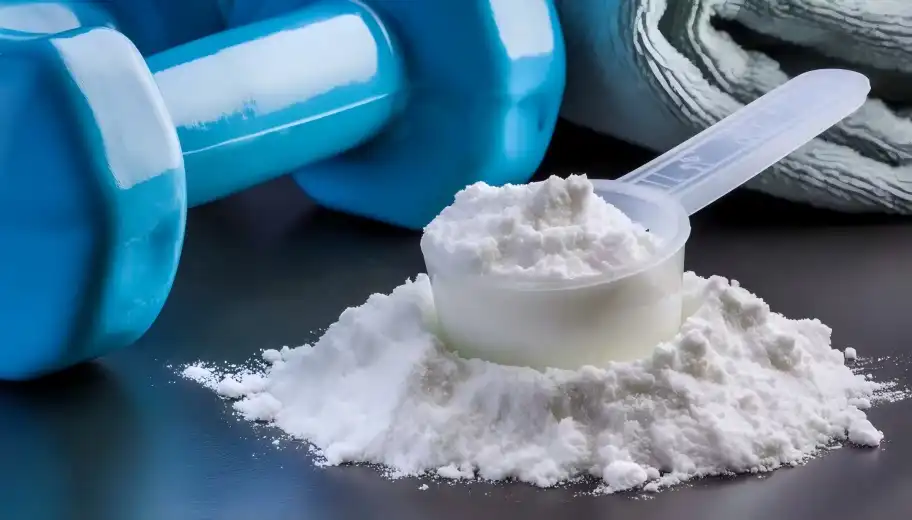
Criteria and Methods to Verify Bulk Creatine Monohydrate Powder Quality
Setting up strong verification procedures for Bulk Creatine Monohydrate Powder saves the company's image and procurement investments. Comprehensive quality assurance systems are made up of testing methods that combine analytical chemistry, microbiology, and reviewing paperwork.
Advanced Analytical Testing Techniques
High-Performance Liquid Chromatography (HPLC) is the best way to measure the purity of creatine monohydrate and find degradation products. This method sorts compounds into groups based on how they react with fixed and mobile stages. It gives accurate readings of the concentration of the active ingredient along with profiles of impurities. At parts-per-million levels, HPLC analysis can find creatinine, dicyandiamide, and other byproducts of synthesis. This lets buyers tell the difference between pharmaceutical-grade material and lower-quality alternatives.
Gas Chromatography-Mass Spectrometry (GC-MS) is an addition to HPLC that finds volatile chemical substances and solvents that are left over from the manufacturing process. This two-method approach makes sure that all of the chemicals are characterised, and it meets the strict legal needs for pharmaceutical raw materials and food supplement ingredients. With a precision of up to parts per billion, Inductively Coupled Plasma Mass Spectrometry (ICP-MS) can measure the amount of heavy metals present, such as lead, arsenic, cadmium, and mercury. Different places have different regulatory limits, but top providers keep levels well below the highest levels that are allowed.
Microbiological Safety Assessment
If contaminated by microbes, products are much less safe and last less time on the shelf. According to USP <61/62> testing guidelines, the Total Aerobic Microbial Count (TAMC) should not be higher than 1000 CFU/g, and the counts of yeast and mould should be lower than 100 CFU/g. Certain pathogens, like Escherichia coli, Salmonella species, and Staphylococcus aureus, must not be present in food that is meant to be eaten. If the water activity (aw) is less than 0.60, it stops microbes from growing, which helps the food last longer when stored properly.
Supplier Documentation Evaluation
Certificates of Analysis (CoA) give quality information about each batch that buying teams must check against purchase agreements and specification sheets. Real CoAs have dates of testing, the analytical methods used, and are signed by authorised quality control staff. Traceability is confirmed along the whole supply chain by comparing lot numbers on shipping documents, packaging labels, and lab reports. Organisations that have ISO system licenses show they follow quality management principles. These principles include controlling documents, doing internal audits, reviewing management, and making improvements all the time.
Physical Inspection Protocols
A close look at something shows important details about how it was handled and stored. Pure creatine monohydrate looks white to off-white and doesn't have any clumps, discolouration, or other foreign matter in it. If something turns yellow or brown, it could be because it was exposed to water or heat. Testing for solubility in water at room temperature gives useful information about particle size distribution and surface features. At 20°C, material that meets the requirements should dissolve at about 14 g/L, with micronized grades dispersing more quickly than standard mesh types.
Organoleptic testing shows that high-purity creatine monohydrate has the expected trait of having no smell or taste. Finding bad smells or sour tastes is a sign of contamination or degradation that needs more research. With these frontline assessment methods, people who are receiving materials can point out possible quality problems before they are used in production. This keeps expensive batch rejections and formulation failures from happening.
Comparing Bulk Creatine Monohydrate Powder Against Alternative Creatine Types
When purchasing, professionals know about the different kinds of creatine, they can make better decisions about where to get Bulk Creatine Monohydrate Powder that will help them meet their formulation goals and reach their target markets. While creatine monohydrate is the most popular form on the market because it has been proven to work in a lot of studies and is cheap, other forms have their own benefits that you should think about.
Micronized vs. Standard Mesh Creatine Monohydrate
Mechanical milling lowers the particle diameter during micronization, which increases the surface area and improves the dispersion characteristics. This step in the process makes it easier to mix ingredients in drinks and gets rid of the gritty taste that some people don't like. Micronized material, on the other hand, usually costs more because it takes more steps to make. When buying something, people should think about how the end user wants to feel and how much money they have to spend. They should also keep in mind that both versions have the same bioavailability and bodily benefits.
Alternative Creatine Ester and Salt Formulations
Creatine ethyl ester was created with promises of better absorption, but peer-reviewed studies show that it is not as stable and quickly changes into creatinine before reaching target tissues. Creatine hydrochloride (HCl) is more soluble, which could mean smaller serving sizes and less stomach upset for sensitive people. These benefits come at much higher prices, so they can only be used on high-end products aimed at niche markets willing to pay more for what they think are benefits.
The combination of creatine and malic acid in creatine malate should help the body's energy production in more than one way. Some types of buffered creatine say they can help with stomach pain, but there isn't a lot of clinical evidence to back these claims yet. People who are making mass-market products usually choose creatine monohydrate because it has the most research backing it up. Over 1000 published studies have shown that it is safe and effective for a wide range of populations.
Cost-Benefit Analysis for Bulk Procurement
Standard creatine monohydrate is the best value for companies that make a lot of goods, like protein shakes, pre-workout supplements, and mass gainers. The price of pharmaceutical-grade materials from certified Asian suppliers ranges from about average to low per kilogram when bought in bulk by the tonne. Different forms come with price hikes of 50 to 300 percent, which are only reasonable when dealing with specific manufacturing issues or going after high-end market groups.
When sourcing, things to think about besides unit price include minimum order amounts, payment terms, and how hard it is to move the goods. Packaging choices for different production sizes are available from well-known sources that offer 25 kg multi-layer kraft drums or 1-ton super-sacks. Buying containers by the load is the most cost-effective way to do it, but you need to have enough warehouse space and know how to handle your supplies.
Procurement Best Practices for Ensuring High-Quality Bulk Creatine Monohydrate Powder
Strategic sourcing methods change the way Bulk Creatine Monohydrate Powder is bought from a one-time transaction to partnerships that create value. Using structured review systems helps keep the supply chain honest and lowers the overall cost of ownership.
Supplier Vetting and Qualification Processes
Verification of credentials is the first step in finding manufacturers with track records that can be checked. By asking for copies of ISO 22000, HACCP, BRC, HALAL, and KOSHER certificates, you can set the standards for quality control. Contacting certification bodies directly confirms that documents are real and up to date, which stops fraud through fake documents. Checking with past customers for references can give you information about how reliable delivery is, how quickly technical support responds, and how well problems are solved.
Sample testing is the most effective way to check the quality of a product before making a big buy. Asking for multiple batches to be made at different times shows how consistent the manufacturing process is. When you hire independent labs to do third-party research, you avoid the conflicts of interest that come with supplier-provided CoAs. Comparing results from different suppliers allows for objective performance benchmarking, which helps with making decisions about where to buy things based on data.
On-site audits give you a full picture of the industrial environment, quality processes, and operating skills. Quality assurance experts should be on audit teams so that they can look at things like cleaning, process controls, and making sure that equipment is properly maintained. Watching how raw materials are handled, tests are done in progress, and finished products are released can reveal risk factors that aren't apparent from reading paperwork alone.
Negotiation Strategies Balancing Quality and Cost
Instead of trying to get the lowest price, procurement negotiations should focus on quality specifications. Setting clear standards for amounts of purity, limits on impurities, and physical properties sets up systems of responsibility that protect the integrity of the formulation. Payment terms that allow suppliers to make partial deposits and then pay the rest after a good review match the suppliers' incentives with the buyer's standards for quality.
With volume promises that cover more than one shipment, you can get better prices and still have some cash flow freedom. Annual supply deals with delivery plans every three months cut down on administrative costs and improve relationships with suppliers. Including quality guarantee terms that include financial fines for material that doesn't meet standards protects the buyer's interests.
Logistics and Storage Management
For the 36 months that it is stored, creatine monohydrate needs to be kept away from water and high temperatures to stay stable. The temperature and humidity inside warehouses should stay below 25°C and 60% relative humidity. Keeping things in their original, sealed packaging until they are used in production lowers the risk of degradation. First-in, first-out (FIFO) inventory movement keeps old stock from being stored for longer than is suggested.
Similar environmental controls are needed for transportation, especially for shipments that go through more than one climate zone. By choosing goods forwarders with experience in nutraceutical logistics, you can be sure that everything will be handled correctly along the supply chain. Desiccants and moisture-barrier liners for containers add extra security for ship freight that lasts for weeks.
Case Study: Successful Verification and Procurement of Bulk Creatine Monohydrate Powder
It was hard for a North American company that sells sports nutrition to find regular sources of Bulk Creatine Monohydrate Powder that met both quality standards and price goals. Previous relationships with suppliers had gotten worse because of differences between batches that hurt the performance of finished products and led to customer complaints.
Initial Assessment and Supplier Identification
The buying group came up with strict requirements, such as ≥99.9% purity by HPLC, particle size distribution that passed 200-mesh, and full certifications for ISO 22000, HACCP, BRC, HALAL, and KOSHER. Through industry trade shows and business-to-business (B2B) websites, they found five possible providers and asked for sample entries with Certificates of Analysis (CoA).
A third-party lab test showed big differences between what the supplier said and what the actual product was like. Two of the sources sent in material that wasn't pure enough (less than 99.5%), and another had high creatinine levels that showed it was old or hadn't been stored properly. The last two candidates showed that they met the requirements, so they moved on to the thorough evaluation stages.
Audit Process and Quality Verification
On-site audits of both sites checked their ability to make things, their quality processes, and their compliance with regulations. The evaluation team looked at records of output, checked the accuracy of analytical tools, and looked at past customer complaints. One maker showed better process controls, such as watching moisture in real time, making sure that cleaning was done correctly, and keeping full records of each batch's history.
During the negotiations for the contract, quality guarantee clauses were added that said nonconforming materials had to be replaced at the supplier's cost. Sample testing protocols required that the first production batches be looked at by a third party before full-scale shipments began. As part of the deal, production standards would be checked every three months.
Implementation Outcomes and Lessons Learned
The chosen supplier, Avans NutriHealth Co., Ltd., sent material that always met or exceeded requirements over the course of three years, with twelve quarterly shipments. The distributor cut costs by 15% compared to previous suppliers and improved metrics for product quality. The number of satisfied customers went up, and the number of complaints went down by 40%.
Some of the most important things that led to success were strict qualification processes right away, clear sharing of specifications, and ongoing relationship management through regular performance reports. The case shows how systematic verification protocols add value to procurement in ways other than just lowering costs.
Conclusion
To check the quality of creatine monohydrate, you need to use a combination of analytical tests, certification approval, and managing your relationships with suppliers. Purity proof through HPLC analysis, impurity profile, and heavy metal screening should be a top priority for procurement workers who work with the beauty, pharmaceutical, and nutraceutical industries. Formulation suitability is checked by looking at physical parameters like particle size, moisture content, and solubility tests. Certifications from suppliers like ISO 22000, HACCP, BRC, HALAL, and KOSHER give quality managers peace of mind. Total value creation is optimised by strategic buying practices that balance the need for quality with the need to make money. By using thorough verification procedures, sellers protect the image of the brand, make sure that regulations are followed, and consistently deliver goods that meet end-user standards.
FAQ
1. What purity level should I expect from quality creatine monohydrate?
HPLC research should show that pharmaceutical-grade material is at least 99.9% pure. This standard guarantees the highest quantity of active ingredients while reducing the amount of breakdown products such as creatinine, dicyandiamide, and dihydrotriazine. Premium providers keep the levels of creatinine and dicyandiamide below 100 parts per million (ppm), which is in line with USP and EP pharmacopoeia standards.
2. Which certifications are essential when sourcing creatine monohydrate?
The ISO 22000 standard shows how to manage food safety, and the HACCP standard proves that critical control point monitoring works. BRC approval meets the needs of brands and retailers, especially in the European and North American markets. With HALAL and KOSHER certifications, more products that meet religious dietary needs can be sold in stores. Third-party sports licenses, such as Informed-Sport, make sure that no illegal drugs are present.
3. What common mistakes should buyers avoid during procurement?
There are quality risks when you accept Certificates of Analysis (CoA) from a supplier without checking them yourself. Putting the lowest price over meeting specifications hurts the performance of the formulation. Inconsistencies in the manufacturing process are not found when samples are not tested properly across multiple production runs. By not doing on-site checks, you can't get a good idea of how well your quality system works and how the production really is.
Ready to Source Premium Creatine Monohydrate from a Trusted Supplier?
Avans NutriHealth Co., Ltd. sells pharmaceutical-grade creatine monohydrate that is certified by ISO 22000, HACCP, BRC, HALAL, and KOSHER. This means that it meets the strict requirements of pharmaceutical and nutritional companies around the world. Our factories in China keep their products ≥99.9% pure by using strict HPLC testing, and they make sure that the micronized 200-400 mesh versions work best for dispersion. We guarantee consistent quality and reliable delivery because we work with more than 30 hospital research partners and send our products to 338 distributors in 280 cities. You can email our purchasing agents at Lillian@avansnutri.com to get samples, look at test results from a third party, and talk about unique Bulk Creatine Monohydrate Powder solutions that are made to fit your recipe needs. Simplify the way you buy things by working with a company that is dedicated to making every batch better.
References
1. Kreider, R.B., Kalman, D.S., Antonio, J., Ziegenfuss, T.N., Wildman, R., Collins, R., Candow, D.G., Kleiner, S.M., Almada, A.L. and Lopez, H.L. (2017). International Society of Sports Nutrition position stand: safety and efficacy of creatine supplementation in exercise, sport, and medicine. Journal of the International Society of Sports Nutrition, 14(1), pp.1-18.
2. Persky, A.M. and Rawson, E.S. (2007). Safety of creatine supplementation. Subcellular Biochemistry, 46, pp.275-289.
3. Harris, R.C., Söderlund, K. and Hultman, E. (1992). Elevation of creatine in resting and exercised muscle of normal subjects by creatine supplementation. Clinical Science, 83(3), pp.367-374.
4. Gufford, B.T., Sriraghavan, K., Miller, N.J., Miller, D.W., Gu, X., Vennerstrom, J.L. and Robinson, D.H. (2010). Physicochemical characterization of creatine N-methylguanidinium salts. Journal of Dietary Supplements, 7(3), pp.240-252.
5. Jäger, R., Purpura, M., Shao, A., Inoue, T. and Kreider, R.B. (2011). Analysis of the efficacy, safety, and regulatory status of novel forms of creatine. Amino Acids, 40(5), pp.1369-1383.
6. Chanutin, A. (1926). The fate of creatine when administered to humans. Journal of Biological Chemistry, 67(1), pp.29-41.