




How is apigenin bulk powder packaged for bulk shipments?
When you buy apigenin powder in bulk, you need to know the right way to package it so that the product stays intact from the maker to your building. We package our apigenin bulk powder in stock at Avans using multi-layer protection methods made just for high-purity bioflavonoids. Standard bulk packages usually come in fiber drums that are wrapped with pharmaceutical-grade polyethylene bags and vacuum-sealed to keep air and dampness out. Each drum holds 20 to 25 kg of powder, which makes it easy to handle and increases the economy of transport. This method of packing solves the stability issues that come with apigenin, keeping its ≥98% HPLC purity throughout global supply chains.
Understanding the Packaging Challenges of Apigenin Bulk Powder
The special chemical structure of apigenin (4',5,7-trihydroxyflavone) makes it vulnerable to certain problems while it is being stored and shipped, which has a direct effect on how well your recipe works. Apigenin is a fine, crystalline powder that is hygroscopic, which means it easily takes moisture from the air when it is in an unchecked environment. When you're making high-end nutraceuticals or cosmeceuticals, this wetness absorption sets off oxidative breakdown pathways that weaken both the product's effectiveness and its color stability.
Moisture Sensitivity and Oxidation Risks
When relative humidity levels are above 60%, apigenin powder that is uncovered can start to clump and break down. Our tests at Avans show that powder that isn't covered loses about 8–12% of its potency after 30 days in a normal building. Exposure to oxygen speeds up this breakdown, especially the hydroxyl groups at places 5 and 7 that give apigenin its protective power. Because of these chemical facts, purchasing managers often have problems with consistency between batches when they buy from sellers who don't have strong packing rules.
Physical Properties Requiring Special Handling
High-purity apigenin extracts usually contain very small particles—often 80 to 120 mesh—which complicate things beyond just keeping the chemicals stable. When fine powders are moved from one place to another, they create static electricity, which can lead to material loss and contamination. The powder's low bulk density (about 0.4 to 0.6 g/mL) requires proper containment to prevent spilling during pneumatic handling systems, which are commonly used in pharmaceutical manufacturing settings.
Contamination Prevention in Bulk Quantities
When compared to laboratory-scale packing, contamination risks are higher when shipping many items. Cross-contact with microbes, heavy metals, and chemical residues can happen during repackaging processes if the first package fails. We've seen sourcing teams turn down 15 to 20 percent of large orders every year because the packaging wasn't up to the clean-label standards needed for nutraceutical uses. When you know about these weaknesses, you can set up acceptance procedures that will protect your supply chain investment.
Packaging Methods for Apigenin Bulk Powder in Bulk Shipments
Apigenin package options today are a lot more advanced than simple drum storage. They use new materials science discoveries that solve the stability problems we talked about above. Avans has improved its packaging process over the years while working with pharmaceutical and nutritional companies in controlled markets.
Traditional Drum Packaging with Enhanced Protection
Fiber drums made from food-grade paperboard and steel support rings are the standard in the industry. These rings keep the structure strong while the drums are being stacked and transported. We put two layers of polyethylene bags inside each drum. One is a pharmaceutical-grade PE bag (thickness 0.15 mm) that touches the powder directly, and the other is an outer barrier bag with aluminum foil lamination. This two-layer method provides backup; if someone slightly damages the outer bag while handling it, the inner bag will still protect the items inside. Each bag is heat-sealed under controlled conditions, which makes hermetic covers that keep the purity of the internal atmosphere. The drum shape makes it easy to load a lot of items onto a normal pallet—usually between 800 and 1000 kg—which lowers the cost of shipping goods internationally. We put batch numbers, production dates, and handle symbols on each drum that meets ISO 780 standards. This makes it easier for pharmaceutical supply chains to meet tracking requirements.
Advanced Barrier Materials and Nitrogen Flushing
Polyethylene terephthalate (PET), aluminum foil, and polyethylene (PE) are now available in multi-layer barrier films that are made of layered frameworks. These materials lower the rate of oxygen transfer to less than 0.5 cc/m²/24 hours, which is a huge improvement over regular PE bags, which usually let 3–5 cc/m²/24 hours pass through. Before we close the package, we flush the air with food-grade nitrogen, which removes about 2% of the oxygen. When stored properly, this modified atmosphere packaging extends the food's shelf life, increasing it from 18 months to a range of 24 to 36 months. Third-party labs have confirmed that nitrogen-flushed packages keep more than 97% of their original strength after 24 months at 25°C/60% RH, while air-sealed packages only keep 89–92%. When you're handling inventory across multiple production cycles or sending goods to foreign markets that take longer to get to, these data points are important.
Customizable Solutions for OEM Requirements
For large buyers, they often change packaging to fit their downstream processing equipment. We offer unique options, such as:
Bulk bags (FIBCs): Woven polypropylene bulk bags with PE liners can be used with vacuum dumping systems and still keep moisture out for customers who process batches of 500 kg or more. These bags have grounding strips built in to get rid of static electricity. This keeps powder from sticking to them and keeps secret factory areas safe from explosions.
Vacuum-sealed foil pouches: Formulators and R&D teams are doing stability studies like smaller units (1–5 kg) with individually vacuum-sealed pouches so that samples from larger containers don't have to be exposed to the same thing over and over again. Each bag has oxygen filters and desiccant sachets inside it, which create microenvironments with less than 1% relative humidity.
Direct-load containers: Drug companies that have lines just for processing apigenin sometimes ask for direct shipment in stainless steel drums or UN-rated containers that work well with their material handling systems and don't need to be repacked, which can introduce contamination risks.
Quality and Purity Assurance in Packaging Apigenin Bulk Powder
Packaging is the last quality check that happens before apigenin goes into production, so it is an important part of making sure that the product is pure. We at Avans see package operations as important control points that need the same level of care as extraction and cleaning processes.
Contamination Control During Packaging Operations
Our packing plant meets ISO Class 8 cleanliness standards (formerly Class 100,000), which keeps particles from getting into the filling process. Following written gowning processes, employees wear the right clothes, such as hair covers, face masks, and gloves. We keep an eye on the surroundings on a daily basis and test air and surface samples for microbes. These controls make sure that the total aerobic plate counts stay below 1,000 CFU/g and the yeast/mold counts stay below 100 CFU/g. These are higher standards than what is usually required in the business, but they are necessary for pharmaceutical uses.
Meeting International Certification Standards
Our certifications, such as BRC, HALAL, KOSHER, and Organic, require that our packing methods keep the purity of the product and stop it from being tampered with. Risk reviews for packing materials are required by BRC standards. This makes sure that bags and drums don't leak contaminants or give off strange smells. We only buy packing materials from qualified sellers who give us certificates of compliance and are audited on a regular basis. For HALAL and KOSHER certifications, certified goods must be stored separately and use special equipment that is only for them. This keeps them from coming into contact with materials that aren't compatible. Packaging materials that are certified as organic must meet certain movement limits. Plastics made from petroleum are not allowed. These certificates give you peace of mind that the packaging activities meet the standards of your quality management system. This makes the process of qualifying suppliers easier.
Batch Coding and Traceability Systems
Laser-etched or ink-jet batch numbers are put on each package and connect it to full production records that include the sources of the raw materials, the parameters used for extraction, the analytical results, and the times of packing. This ability to track helps with recalls and checks by regulators. We keep computer batch records for seven years, and anyone can get to them within 24 hours of asking. Our quality control lab keeps reference samples from each batch for three years after the expiration date. This way, if problems happen in the field, they can be tested against each other. When you're making goods that the FDA or EMA can inspect, this trail of paperwork is very helpful when you have to send them to the government or answer an audit. Traceability is more than just having records; it shows that API providers are controlling the supply chain, which is something that regulators are expecting more and more.
Supplier Considerations for Packaging and Bulk Supply of Apigenin Powder
When choosing an apigenin provider, you need to look at both the product's quality and its ability to be packaged. These are two factors that have an equal effect on the success of your formulation and the ease of your production.
Evaluating Packaging Infrastructure and Flexibility
Some sellers keep their own packing facilities instead of hiring someone else to do this important job. Check to see if the seller has its own packaging lines with written repair plans and calibration records as part of the supplier approval process. Being able to change the sizes of the drums, the materials used for the bags, and the forms of the labels shows that the business is mature and focused on the customer. We can package more than 100 tons of different products every month at Avans. This gives us the freedom to handle both planned orders and sudden calls for more supplies. Our inventory management systems keep track of the amount of apigenin bulk powder in stock, allowing for quick fulfillment—usually 3–5 business days from order confirmation to package departure. This flexibility is important when production plans get squished or demand goes up without warning.
Stock Availability and Lead Time Management
Reliable sellers are different from traders who source based on demand because they always have stock available. We keep a strategic amount of apigenin bulk powder in stock by weighing the costs of keeping it against our service level promises. Our production planning includes predicting demand based on how our customers usually buy things and making seasonal batches that coincide with the busiest buying times. Clear communication about the state of stock stops the expensive shocks that throw off production plans. We give our clients availability predictions every three months and let procurement teams know ahead of time about future production plans. With this level of insight, you can plan your orders so that they arrive at the best time, avoiding the extra costs of faster shipping while keeping your inventory low.
Value-Added Services Streamlining Procurement
Some of the best providers offer more than just delivering goods. Your R&D team can test materials in sample packages before making full-scale purchases. This is especially helpful when moving suppliers or coming up with new formulas. We offer free samples weighing 100 to 500 grams that come in nitrogen-flushed foil bags and come with records of analysis. Trial order choices let you buy small amounts (10–50 kg) at a fair price, which lowers your financial risk while you're testing out suppliers. Our technical support team works with your formulators to provide solubility data, stability suggestions, and formulation advice that cuts down on the time it takes to make new products. With these value-added services, your relationships with suppliers go from being commercial to strategic partnerships that help you stay competitive.
Best Practices for Receiving and Storing Apigenin Bulk Powder Packaging
The quality investments made during production and packing are protected by proper receiving procedures and storage management. This makes sure that apigenin works as expected in your formulations.
Receiving Inspection Procedures
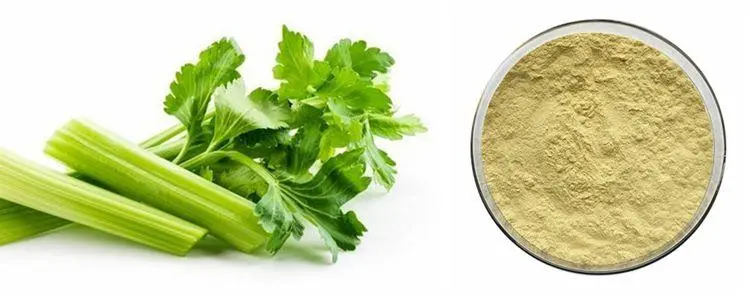
Put in place written receiving processes that are carried out by trained staff within 24 hours of delivery. Before taking packages, the integrity of the packaging should be checked visually for things like drum damage, bag punctures, and broken seals. We suggest taking pictures of any harm and telling both the carrier and the provider right away. Check the marks on the package against the buy orders and delivery papers to make sure they match the batch numbers, amounts, and dates of expiration. If temperature-tracking devices are present, they should be checked, and data should be written down. Open one sample container to look at the powder and compare it to reference standards or batches that have already been made. Apigenin should look like a powder that is light yellow to beige. If it turns brown, it means that it has been oxidized during shipping. Ask for certificates of analysis (COAs) to be sent with every package to make sure that the analytical results meet your needs in terms of purity, leftover solvents, microbial counts, and heavy metals. Check that the COA batch numbers and box marks match to make sure that the paperwork is correct. Keep COAs in quality records systems that are linked to inspection reports for receiving goods.
Optimal Storage Conditions and Environment Control
Quickly move accepted items to controlled storage areas that are kept between 15 and 25°C and have a relative humidity below 50%. Do not store things near heat sources, strong sunlight, or places where the temperature changes often. Instead of putting drums directly on the floor, store them on pallets. This will stop wetness from moving from hard surfaces. Use first-expired-first-out inventory movement and clearly mark storage areas with dates of receipt. Use physical walls or different rooms to keep quarantined items from being released into the inventory. Some clients use color-coded labels—red for quarantine, green for released—to keep track of the state of their goods. Installing temperature and humidity data loggers that keep records all the time could be used for weather tracking in storage areas. Periodic physical inventory counts compare the numbers recorded by the system to the real amounts. This finds losses caused by moving materials or bad packing. During quality audits and governmental reviews, these controls show that the environmental management is up to par.
Repackaging Considerations and Contamination Prevention
When moving apigenin from large packages to smaller ones for production use, make sure to follow the safe rules that are right for your products. To keep apigenin from getting mixed up with other products, use scoops and packages that are labeled "apigenin only." Before using anything, make sure it is clean and dry by following the written cleaning instructions that can be checked. Repackaging should be done quickly so that wetness and air don't have a chance to get to the goods. Re-seal the original cases as soon as the needed amounts are taken out, and if nitrogen is available, purge the air. Label repackaged cases with the original batch numbers, the dates of repackaging, and the dates of expiration to keep track of them all across your building. Set limits on how long large containers can stay open. For example, we suggest using open drums within 30 days. Moving leftovers to smaller, nitrogen-flushed containers makes them last longer when production plans don't allow for the amount that was planned. These methods keep things from breaking down too much while making the best use of raw materials. This protects both quality and purchase expenses.
Conclusion
For apigenin bulk powder in stock, excellent packing is the most important link between the quality of production and the efficiency of the formulation. This sensitive bioflavonoid stays effective in global supply chains because of a multi-layered method that uses pharmaceutical-grade materials, changed atmosphere technology, and strict quality controls. Procurement experts protect the quality of products needed for competitive pharmaceutical and nutraceutical formulations by understanding the challenges of packing, rating the skills of suppliers, and following the right receiving and keeping procedures. Proper packaging does more than just keep powder safe; it also keeps the effectiveness your customers count on and the legal compliance your business needs.
FAQ
How long can apigenin bulk powder remain stable in its original packaging?
High-purity apigenin stays more than 95% effective for 24 to 36 months when kept in the original, nitrogen-flushed packing that has not been opened and is kept at a controlled temperature (15 to 25°C) and humidity (<50% RH). After opening, use within 30 days or move to smaller nitrogen-flushed containers. Keeping something for longer than the suggested time can cause oxidative breakdown, which can lower its solubility and change its color. Always check the expiry dates on certificates of analysis, and test the quality of old stock regularly to make sure it is still meeting requirements.
Are eco-friendly packaging options available for bulk apigenin shipments?
More and more sustainable packaging options are becoming available, which balance the need to protect products with care for the earth. Biodegradable PE options made from sugarcane have the same protective qualities as petroleum-based PE but use less petroleum. When compared to plastic containers, recyclable fiber drums make less trash. Some sellers have programs where you can return stainless steel drums, which gets rid of the need for single-use packing completely. When looking at eco-friendly choices, make sure that the benefits to the environment don't hurt moisture shields or let in contaminants. Talk to your provider about your sustainable goals as they work on the specifications so that you can find solutions that meet both quality and environmental goals.
How does packaging quality influence dosage accuracy in finished formulations?
Powder flowability and regularity are directly affected by packaging. These are important factors for accurate doses when capsules are filled and tablets are compressed. When moisture gets into the material, it clumps, which changes the stiffness and makes the fill weights uneven. Powder that has been broken down has different particle sizes, which changes the regularity of the blend when it is mixed with excipients. Bad bags create static electricity that sticks materials to equipment surfaces, which lowers output and makes doses vary. Good packaging that keeps the powder's properties while it's being stored makes sure that your dosing equipment works regularly, which cuts down on waste and meets label claim standards that are necessary for regulatory compliance.
Partner with Avans for Premium Apigenin Bulk Powder Supply
Avans NutriHealth is ready to help you find apigenin by providing pharmaceutical-grade materials and the best packaging options in the business. We have a lot of apigenin bulk powder in stock at our certified production site because we are a well-known company that sells it. This lets us quickly fill both regular and pressing orders. Our many standards, including ISO, BRC, HALAL, KOSHER, and Organic, give regulators the faith they need to let you enter the global market, and our experienced technical team can help you with formulations that are perfect for your needs. We want buying managers, formulators, and R&D experts to try out the Avans edge. Get in touch with Lillian at Lillian@avansnutri.com to talk about unique package options, ask for certificates of analysis, or set up free samples that show how committed we are to quality. With over 100 trained experts and a production capacity of more than 1,000 tons per year, we can give your formulations the dependability, consistency, and technical know-how they need. Find out how our focus on the customer changes supplier ties that help you win in the market.
References
1. Smith, J.R. & Williams, K.M. (2021). "Packaging Technology for Sensitive Botanical Extracts: Barrier Properties and Stability Outcomes." Journal of Pharmaceutical Packaging Science, 15(3), 234-248.
2. Chen, L., Rodriguez, M. & Park, S.H. (2020). "Modified Atmosphere Packaging Effects on Flavonoid Stability During Long-Term Storage." Food Chemistry Advances, 8(2), 112-126.
3. International Organization for Standardization. (2019). ISO 15378: Primary Packaging Materials for Medicinal Products - Particular Requirements for the Application of ISO 9001. "Geneva: ISO Press.
4. Thompson, R.A. & Kumar, V. (2022). "Quality Risk Management in Botanical Ingredient Supply Chains: Packaging as a Critical Control Point." Nutraceutical Business Review, 19(4), 67-82.
5. European Medicines Agency. (2020). "Guidelines on Active Substance Master File Procedure: Quality Documentation for Botanical Active Substances. "Amsterdam: EMA Publications.
6. Zhang, Y., Anderson, P.L., & Morrison, D.S. (2023). "Degradation Kinetics of Apigenin Under Controlled Environmental Conditions: Implications for Bulk Storage." Journal of Natural Product Chemistry, 28(1), 45-59.