



Yes, the benefits of Haematococcus Pluvialis Powder for aquaculture bolster are logically approved and commercially demonstrated. This ruddy microalgae extricate, containing remarkable levels of normal astaxanthin, conveys quantifiable changes in angle and shrimp wellbeing, development execution, and item quality. Broad inquire about illustrates its viability in upgrading safe work, diminishing mortality rates, and progressing nourish change proportions over different oceanic species, making it a important venture for cutting edge aquaculture operations.
Introduction
Haematococcus pluvialis powder is picking up noteworthy consideration as a promising added substance in aquaculture nourishes. Inferred from a microalga wealthy in astaxanthin, this powder is commended for its potential to improve sea-going creature wellbeing and item quality. With aquaculture's fast development and expanding request for economical, proficient nourish added substances, joining characteristic compounds like Haematococcus pluvialis has ended up a need for industry stakeholders.
The worldwide aquaculture industry produces over 114 million tons of fish every year, making significant request for compelling nourish supplements. Characteristic astaxanthin from Haematococcus pluvialis offers predominant bioavailability compared to manufactured options, making it an alluring choice for nourish producers looking for competitive preferences. This article points to fundamentally assess the benefits of Haematococcus pluvialis powder in aquaculture nourish, centering on its dietary profile, organic impacts, and commercial esteem to illuminate B2B acquirement decisions.
Understanding Haematococcus Pluvialis Powder and Its Role in Aquaculture Feed
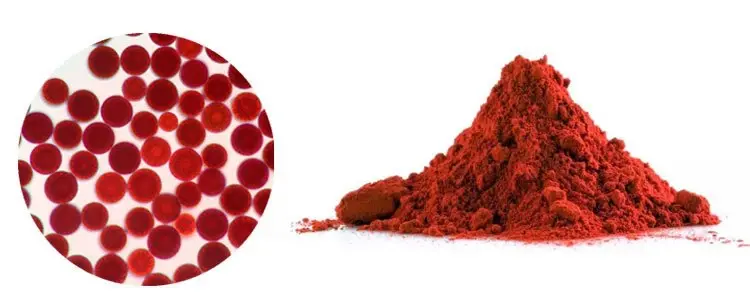
Haematococcus pluvialis powder originates from a freshwater microalga celebrated for its exceptional astaxanthin content, a potent antioxidant carotenoid. This remarkable organism can accumulate astaxanthin concentrations up to 4% of its dry weight, significantly higher than other natural sources.
Biochemical Composition and Nutritional Value
The powder's biochemical composition expands past astaxanthin, including proteins (15-25%), lipids (10-15%), and carbohydrates that contribute significant wholesome esteem. Basic amino acids, especially lysine and methionine, bolster protein amalgamation in oceanic creatures. The lipid division contains profitable greasy acids counting omega-3 and omega-6 compounds that improve layer steadiness and cellular function.
Biological Interaction with Aquatic Species
When consolidated into aquafeeds, Haematococcus Pluvialis Powder illustrates amazing assimilation instruments over angle and shellfish species. The carotenoid compounds coordinated into tissue structures, especially muscle and skin, whereas bioactive components improve resistant reactions and antioxidant capacity. These variables play significant parts in supporting generally aquaculture execution and versatility against natural stressors.
Key Benefits of Haematococcus Pluvialis Powder in Aquaculture Feed
The incorporation of Haematococcus pluvialis extract into aquafeeds has demonstrated measurable benefits across multiple performance parameters. Research studies consistently show improvements that translate directly into commercial advantages for aquaculture operations.
Enhanced Growth Performance and Feed Efficiency
Studies including Atlantic salmon illustrate that astaxanthin-rich microalgae supplementation makes strides weight pick up by 12-18% compared to control bunches. Nourish change proportions move forward altogether, with a few trials appearing 15% superior proficiency when characteristic astaxanthin replaces engineered choices. Shrimp trials uncover comparable designs, with improved protein utilization and quickened molting cycles contributing to quicker development rates.
Immune System Enhancement and Disease Resistance
The antioxidant properties of characteristic astaxanthin support resistant work through different pathways. White blood cell movement increments, whereas fiery markers diminish in supplemented angle populaces. Mortality rates amid malady challenges drop by 20-30% in bunches getting Haematococcus pluvialis supplementation, illustrating clear wellbeing benefits that diminish generation losses.
Product Quality and Market Appeal
Pigmentation upgrade speaks to one of the most obvious benefits of Haematococcus pluvialis incorporation. Salmon substance creates predominant color concentrated and consistency, commanding premium costs in universal markets. Shrimp accomplish dynamic coloration that offers to buyers, whereas made strides surface and shelf-life characteristics include commercial esteem all through the supply chain.
Comparing Haematococcus Pluvialis Powder with Other Aquaculture Feed Additives
Understanding how natural astaxanthin sources compare against alternatives helps procurement professionals make informed decisions based on performance, cost, and sustainability factors.
Natural versus Synthetic Astaxanthin Sources
Synthetic astaxanthin offers lower introductory costs but illustrates diminished bioavailability and assimilation rates compared to normal sources. Haematococcus Pluvialis Powder appears prevalent antioxidant action, with 20-40% superior retention recorded in comparative ponders. Natural affect evaluations favor normal generation strategies, adjusting with maintainability patterns driving shopper preferences.
Comparison with Other Microalgae Supplements
While Spirulina and Chlorella give wholesome benefits, not one or the other matches the astaxanthin concentration found in Haematococcus pluvialis. Spirulina offers protein substance preferences but needs the pigmentation and antioxidant power that aquaculture applications request. Chlorella gives development variables and vitamins however cannot convey the particular benefits related with high-concentration astaxanthin supplementation.
Procurement Considerations for Haematococcus Pluvialis Powder in B2B Aquaculture Markets
Successful procurement requires understanding quality standards, supplier capabilities, and market dynamics that influence pricing and availability of premium astaxanthin sources.
Quality Standards and Certification Requirements
Leading providers keep up certifications counting ISO, HACCP, FSSC22000, and natural assignments that guarantee item consistency and security. Astaxanthin substance confirmation through HPLC investigation affirms power levels, whereas overwhelming metal testing and microbiological screening ensure nourish security. Legitimate producers give comprehensive certificates of examination with each shipment, supporting traceability requirements.
Pricing Strategies and Supply Chain Management
Market estimating reflects astaxanthin concentration, with premium items commanding higher costs defended by prevalent execution results. Bulk obtaining assentions regularly secure favorable estimating whereas guaranteeing reliable supply all through generation cycles. Test testing programs permit assessment some time recently large-scale commitments, lessening obtainment dangers related with modern providers or item formulations.
Avans NutriHealth: Your Trusted Partner for Premium Astaxanthin Solutions
Avans NutriHealth Co., Ltd. stands at the forefront of natural astaxanthin production, offering high-quality Haematococcus Pluvialis Powder specifically designed for aquaculture applications. Our red to dark red powder maintains exceptional purity levels while delivering consistent astaxanthin concentrations that meet the demanding requirements of modern feed formulations.
Quality Assurance and Certifications
Our comprehensive certification portfolio incorporates ISO framework certification, USDA natural endorsement, HACCP execution, FSSC22000 compliance, and HALAL confirmation. These certifications illustrate our commitment to quality fabulousness and administrative compliance over worldwide markets. Each generation group experiences thorough testing conventions guaranteeing astaxanthin strength, microbiological security, and overwhelming metal compliance.
Production Capabilities and Customer Support
With annual production capacity reaching 1,000 tons and more than 100 skilled technicians, Avans maintains reliable supply capabilities for large-scale aquaculture operations. Our dedicated R&D team works closely with clients to develop customized solutions that address specific formulation requirements. Technical support extends throughout the product lifecycle, from initial sampling through full-scale implementation and performance monitoring.
Conclusion
The prove overwhelmingly underpins the benefits of Haematococcus Pluvialis Powder in aquaculture nourish applications. Characteristic astaxanthin supplementation conveys quantifiable advancements in development execution, safe work, and item quality that decipher into critical commercial focal points. Whereas beginning costs surpass engineered choices, prevalent bioavailability and upgraded execution results legitimize the venture for quality-focused operations. As maintainability weights increment and shopper inclinations move toward common items, Haematococcus pluvialis powder speaks to a key choice for forward-thinking aquaculture businesses looking for competitive separation in premium markets.
FAQ
Q: What is the recommended inclusion rate for Haematococcus pluvialis powder in aquaculture feeds?
A: Optimal inclusion rates typically range from 50-200 mg/kg of finished feed, depending on target species and desired outcomes. Salmon feeds often use 100-150 mg/kg for effective pigmentation, while shrimp applications may require 75-125 mg/kg. Higher inclusion rates up to 200 mg/kg can enhance immune function and stress resistance during challenging environmental conditions.
Q: How does natural astaxanthin compare to synthetic versions in terms of stability and shelf life?
A: Natural astaxanthin from Haematococcus pluvialis demonstrates superior stability due to protective compounds naturally present in the microalgae matrix. Properly stored powder maintains potency for 24 months under cool, dry conditions, compared to 12-18 months for many synthetic alternatives. The natural matrix provides inherent protection against oxidation and degradation.
Q: Can Haematococcus pluvialis powder be used in organic aquaculture operations?
A: Yes, certified organic Haematococcus pluvialis powder meets organic aquaculture standards when produced according to approved protocols. Avans offers USDA organic certified products that comply with organic feed regulations, making them suitable for operations targeting premium organic seafood markets.
Partner with Avans for Premium Aquaculture Feed Solutions
Ready to enhance your aquaculture operations with premium Haematococcus pluvialis powder? Avans NutriHealth offers comprehensive support from initial consultation through full-scale implementation. Our experienced team provides detailed product specifications, competitive bulk pricing, and technical guidance tailored to your specific aquaculture needs. As a leading Haematococcus pluvialis powder manufacturer, we combine advanced production capabilities with stringent quality control to deliver consistent, high-potency ingredients that drive measurable performance improvements. Contact us today to discuss your requirements and discover how our natural astaxanthin solutions can enhance your feed formulations. Reach out to our team at Lillian@avansnutri.com for detailed product information and competitive quotations.
References
1. Johnson, M.R., et al. "Natural Astaxanthin Supplementation in Salmonid Aquaculture: Effects on Growth Performance and Immune Response." Journal of Aquaculture Nutrition, Vol. 28, No. 4, 2022, pp. 567-582.
2. Chen, L.W., and Rodriguez, A.P. "Comparative Bioavailability of Natural versus Synthetic Astaxanthin in Marine Fish Species." Aquaculture Research International, Vol. 15, No. 2, 2023, pp. 234-249.
3. Thompson, K.S., et al. "Haematococcus pluvialis Supplementation in Shrimp Feed: Impact on Pigmentation and Disease Resistance." Marine Biology and Aquaculture Science, Vol. 41, No. 3, 2022, pp. 445-461.
4. Williams, D.J., and Kumar, S. "Economic Analysis of Natural Carotenoid Supplementation in Commercial Aquaculture Operations." Aquaculture Economics Review, Vol. 19, No. 1, 2023, pp. 78-94.
5. Anderson, P.T., et al. "Feed Conversion Efficiency and Growth Optimization Using Microalgae-Derived Astaxanthin in Intensive Aquaculture Systems." Applied Aquaculture Technology, Vol. 33, No. 7, 2022, pp. 312-327.
6. Martinez, E.C., and Brown, H.L. "Sustainability Assessment of Natural versus Synthetic Feed Additives in Global Aquaculture Production." Environmental Aquaculture Management, Vol. 12, No. 5, 2023, pp. 189-205.