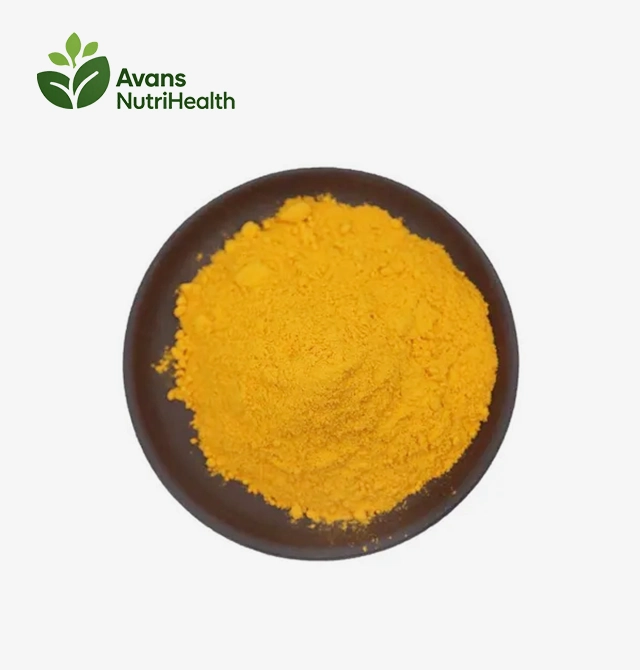




When evaluating lutein powder options for manufacturing applications, natural lutein derived from marigold flowers typically provides superior bioavailability and consumer appeal compared to synthetic alternatives. Natural lutein powder offers enhanced molecular stability and better integration with existing formulations, making it the preferred choice for premium nutraceutical and cosmetic products. However, synthetic lutein may present cost advantages for specific applications where budget constraints are primary considerations. Understanding these distinctions helps procurement managers make informed decisions aligned with their product positioning and quality requirements.
Understanding Lutein Powder: Natural and Synthetic Origins
Lutein powder represents a critical carotenoid pigment that has become indispensable in the nutraceutical, pharmaceutical, and cosmetic industries. This powerful antioxidant compound originates from two distinct manufacturing pathways, each offering unique characteristics that impact product quality and market positioning.
Natural Lutein Extraction from Marigold Flowers
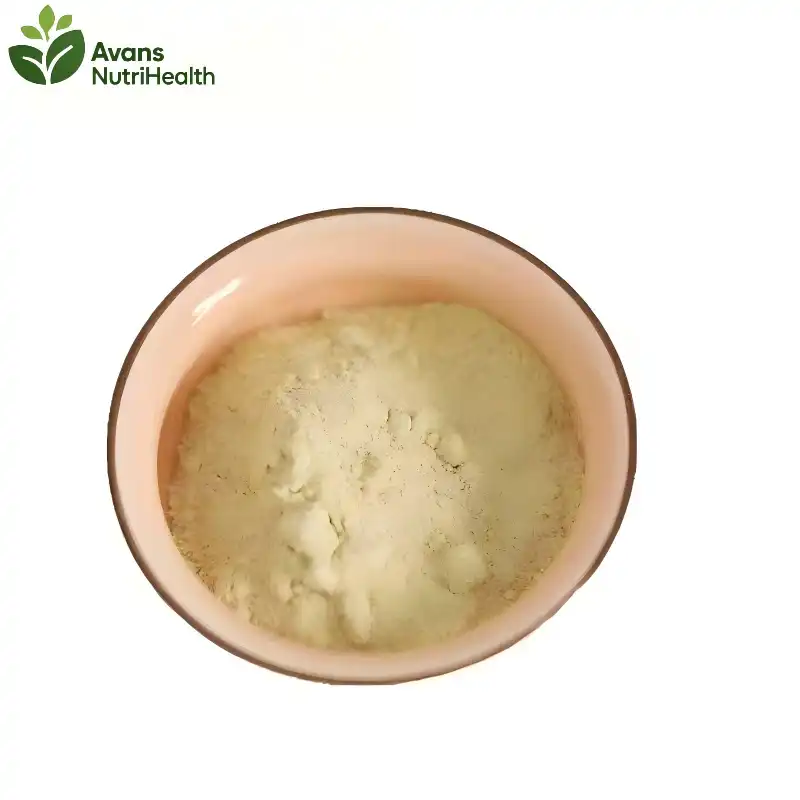
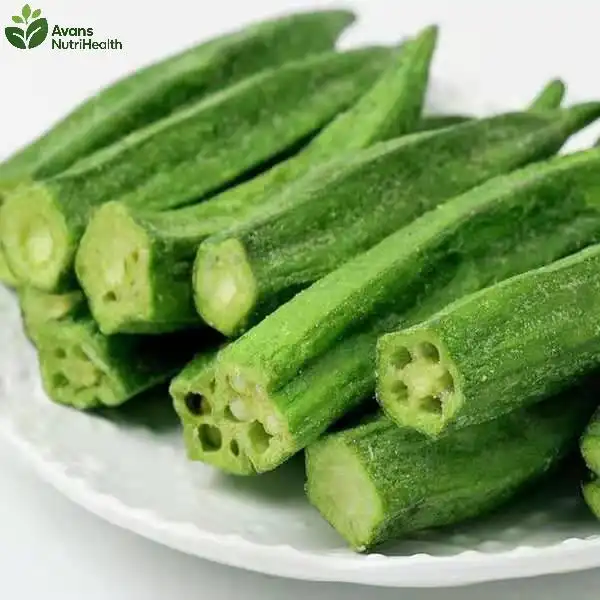
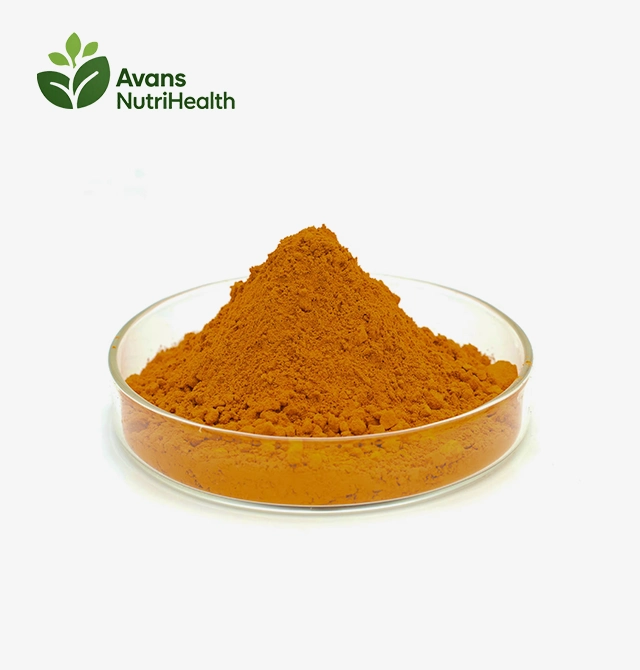
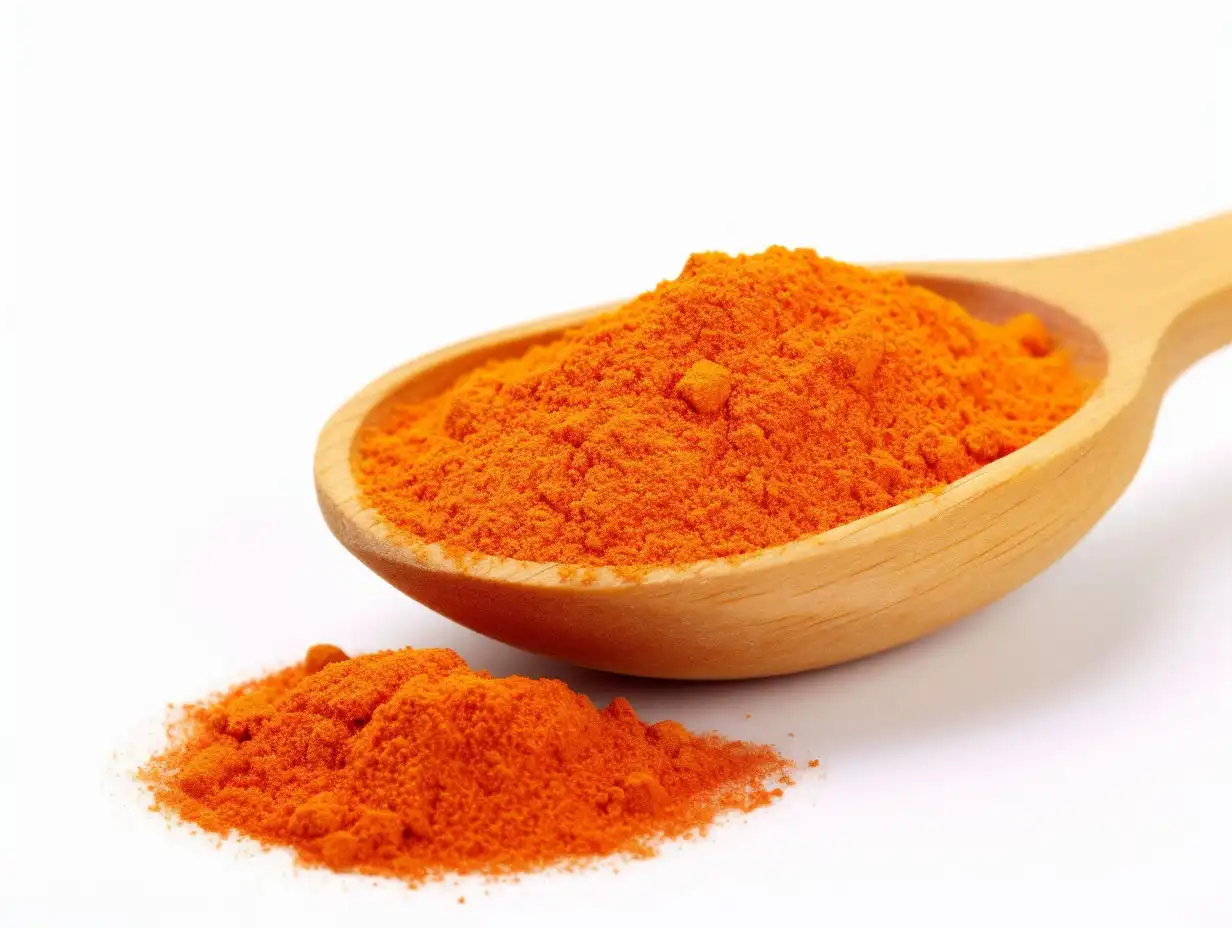
Natural lutein powder determines essentially from Tagetes erecta, commonly known as marigold blossoms. The extraction handle includes advanced methods that protect the atomic astuteness of this important carotenoid. Marigold blossoms contain lutein esters, which experience saponification to abdicate free lutein with upgraded bioavailability. This normal extraction strategy produces lutein powder with concentrations extending from 5% to 20%, showing up as orange-yellow to orange-red powder depending on concentration levels.
The common extraction handle keeps up the unique stereochemistry of lutein, guaranteeing ideal acknowledgment by human cellular receptors. This atomic genuineness contributes to prevalent retention rates and improved restorative adequacy compared to manufactured options. Common lutein powder too contains complementary carotenoids like zeaxanthin, making synergistic impacts that intensify in general antioxidant capacity.
Synthetic Lutein Production Methods
Synthetic lutein powder is made through chemical amalgamation, regularly utilizing petrochemical-derived beginning materials. This mechanical prepare includes multi-step natural chemistry responses that develop the lutein atom from fundamental chemical building squares. Whereas engineered generation offers more noteworthy control over immaculateness levels and generation volumes, the coming about compound may display distinctive stereochemical properties compared to actually happening lutein.
Chemical blend empowers steady generation plans autonomous of agrarian factors such as regular accessibility and climate conditions. In any case, engineered lutein may contain follow sums of chemical solvents or response by-products that require broad refinement forms to meet pharmaceutical-grade specifications.
Quality, Safety, and Efficacy: Natural vs. Synthetic Lutein Powder
Quality parameters represent fundamental considerations when evaluating lutein powder options for commercial applications. Natural and synthetic variants demonstrate distinct characteristics across multiple quality metrics that directly impact formulation performance and regulatory compliance.
Bioavailability and Absorption Profiles
Clinical investigate demonstrates that normal lutein powder shows prevalent bioavailability compared to manufactured options. Considers conducted on human subjects illustrate that normally inferred lutein accomplishes higher plasma concentration levels taking after verbal organization. This upgraded assimilation stems from the atomic setup that closely matches endogenous carotenoid structures recognized by intestinal transporters.
Natural lutein powder keeps up its unique trans-isomer arrangement, which encourages ideal take-up by macular color. Investigate distributed in wholesome diaries appears that common lutein supplementation comes about in quantifiable increments in macular color optical thickness inside 6-8 weeks, whereas manufactured variations may require expanded supplementation periods to accomplish comparable results.
Safety Profiles and Regulatory Compliance
Safety contemplations play significant parts in item improvement choices, especially for producers focusing on controlled markets. Normal lutein powder illustrates great security profiles with broad toxicological information supporting its utilize in nourishment, supplement, and restorative applications. Administrative offices counting FDA and EFSA have built up For the most part Recognized as Secure (GRAS) status for common lutein determined from marigold sources.
Synthetic lutein experiences more exacting administrative examination due to potential pollutions from chemical blend forms. Fabricating offices must actualize thorough refinement conventions to kill leftover solvents and response intermediates that may compromise item security. Characteristic lutein powder ordinarily requires less broad decontamination, lessening fabricating complexity and related costs.
Antioxidant Potency and Stability
Antioxidant capacity speaks to a essential esteem recommendation for lutein powder in different applications. Characteristic lutein powder illustrates predominant antioxidant action due to the nearness of complementary compounds that upgrade in general radical rummaging capacity. These synergistic impacts cannot be imitated through engineered generation strategies, restricting the antioxidant potential of chemically fabricated alternatives.
Stability testing uncovers that normal lutein powder keeps up its antioxidant properties beneath commonplace capacity conditions when legitimately defined with suitable stabilizers. The nearness of common tocopherols and other defensive compounds in marigold-derived lutein contributes to improved oxidative steadiness compared to separated engineered molecules.
Market Comparison: Cost, Availability, and Supplier Considerations
Market dynamics significantly influence procurement decisions, requiring careful evaluation of cost structures, supply chain reliability, and supplier capabilities. Understanding these commercial factors enables informed sourcing strategies that balance quality requirements with budget constraints.
Cost Structure Analysis
Natural lutein powder regularly commands premium estimating due to rural sourcing prerequisites and complex extraction forms. Current advertise costs for characteristic lutein powder extend from $800-1200 per kilogram for 20% concentration, depending on certification levels and arrange amounts. Natural certifications and extra quality benchmarks can increment costs by 15-25% over ordinary common lutein pricing.
Synthetic lutein powder offers more unsurprising estimating structures with diminished regular variety. Bulk amounts of manufactured lutein may be accessible at 30-40% lower costs compared to common options. Be that as it may, administrative compliance costs and broad refinement prerequisites can counterbalanced introductory cost preferences, especially for pharmaceutical and corrective applications requiring most noteworthy immaculateness levels.
Supply Chain Reliability
Agricultural sourcing presents inalienable inconstancy in common lutein powder accessibility. Marigold development depends on favorable climate conditions and agrarian hones that can affect both amount and quality of crude materials. Driving providers keep up numerous sourcing locales to relieve these dangers, but regular vacillations stay a thought for acquirement planning.
Synthetic lutein generation offers more prominent supply chain consistency with steady fabricating plans free of agrarian factors. Chemical union offices can alter generation volumes based on showcase request without regular imperatives. In any case, reliance on petrochemical feedstocks presents distinctive supply chain dangers related to crude fabric accessibility and cost volatility.
Certification and Quality Standards
Professional providers of characteristic lutein powder keep up comprehensive certification portfolios counting ISO, USDA Natural, HACCP, FSSC22000, and HALAL certifications. These accreditations illustrate commitment to quality administration and administrative compliance over worldwide markets. Built up producers contribute altogether in quality foundation to keep up these certifications and back client examining requirements.
Synthetic lutein providers confront more complex certification challenges due to chemical fabricating forms. Pharmaceutical-grade manufactured lutein requires broad documentation of fabricating methods and debasement profiles to meet administrative benchmarks. The certification prepare for manufactured variations regularly includes longer timelines and higher compliance costs compared to common alternatives.
Application-Specific Considerations: Choosing the Right Lutein Powder
Application requirements drive optimal lutein powder selection, with different formulations demanding specific performance characteristics. Understanding these application-specific needs enables targeted product development that maximizes market success and customer satisfaction.
Nutraceutical and Dietary Supplement Applications
Premium eye wellbeing supplements advantage altogether from common lutein powder due to predominant bioavailability and shopper inclination for characteristic fixings. Advertise inquire about shows that 78% of supplement customers incline toward normally inferred fixings, making competitive preferences for items highlighting marigold-sourced lutein. Common lutein powder underpins showcasing claims emphasizing "plant-based" and "normally sourced" situating that reverberates with health-conscious consumers.
Dosage optimization gets to be basic when defining with normal lutein powder. Clinical thinks about illustrate that 10-20mg every day measurements of normal lutein give ideal macular assurance, whereas engineered options may require higher concentrations to accomplish identical natural impacts. This dose differential impacts definition costs and tablet sizes, affecting in general item plan decisions.
Cosmetic and Personal Care Formulations
Cosmetic applications use lutein powder's antioxidant properties for anti-aging and skin security definitions. Common lutein powder offers predominant color solidness and compatibility with other botanical fixings commonly utilized in premium skincare items. The orange-yellow to orange-red appearance gives characteristic coloring benefits that kill needs for manufactured colorants in certain formulations.
Regulatory contemplations favor characteristic lutein powder for restorative applications, especially in markets with rigid fixing confinements. European and North American markets progressively scrutinize manufactured fixings, making common options more alluring for premium restorative brands focusing on ecologically cognizant consumers.
Food and Beverage Fortification
Food fortress applications advantage from common lutein powder's great warm soundness and unbiased taste profile. Refreshment producers especially esteem characteristic lutein's capacity to improve dietary profiles without affecting flavor characteristics. The normal beginning underpins clean name activities that drive shopper obtaining choices in competitive nourishment markets.
Processing soundness gets to be significant when consolidating lutein powder into made nourishments. Normal lutein powder illustrates prevalent solidness amid warm handling, keeping up higher maintenance rates through pasteurization and sterilization strategies compared to manufactured options that may corrupt beneath high-temperature conditions.
Avans NutriHealth: Your Trusted Lutein Extract Powder Supplier
Avans NutriHealth Co., Ltd. stands as a leading manufacturer and supplier of premium lutein extract powder, serving the global nutraceutical, pharmaceutical, and cosmetic industries. Our comprehensive product portfolio features lutein extract powder in multiple concentrations including 5%, 10%, and 20% formulations, all appearing as vibrant orange-yellow to orange-red powder that meets the highest quality standards.
Superior Product Quality and Certifications
Our lutein extract powder (CAS No.: 127-40-2) originates from carefully selected marigold flowers grown under optimal conditions. We maintain rigorous quality control throughout the extraction process, ensuring consistent potency and purity across all production batches. Our manufacturing facility holds comprehensive certifications including ISO, USDA, HACCP, FSSC22000, and HALAL, demonstrating our commitment to international quality standards.
The extraction process we employ preserves the natural molecular structure of lutein, maintaining optimal bioavailability for end-user applications. Our advanced analytical capabilities ensure accurate concentration verification and comprehensive impurity testing that exceeds industry standards. Each batch undergoes extensive testing for heavy metals, pesticide residues, and microbiological contaminants.
Manufacturing Capabilities and R&D Excellence
Avans NutriHealth operates state-of-the-art manufacturing facilities with annual production capacity exceeding 1,000 tons of plant extracts and derivatives. Our team includes over 100 skilled workshop technicians who maintain consistent production quality and efficiency. This robust manufacturing infrastructure ensures reliable supply chain support for large-scale commercial requirements while maintaining flexibility for specialized formulation needs.
Our dedicated R&D team continuously develops innovative extraction techniques and product formulations to meet evolving market demands. We collaborate closely with customers to develop customized lutein powder solutions that address specific application requirements. This customer-centric approach has established long-term partnerships with leading brands across nutraceutical, pharmaceutical, and cosmetic industries.
Comprehensive Service and Support
Beyond manufacturing excellence, Avans provides comprehensive technical support and customer service that distinguishes us in the competitive ingredient marketplace. Our expert team assists customers with formulation optimization, regulatory compliance, and application development to ensure successful product launches. We offer flexible OEM/ODM partnerships that accommodate diverse business models and market strategies.
Our commitment to sustainable sourcing practices aligns with growing customer demands for environmentally responsible ingredients. We maintain direct relationships with marigold growers who employ sustainable agricultural practices, ensuring consistent quality while supporting environmental stewardship. This approach creates value for customers seeking to strengthen their sustainability credentials.
Conclusion
The comparison between natural and synthetic lutein powder reveals clear advantages for naturally derived products across multiple performance criteria. Natural lutein powder demonstrates superior bioavailability, enhanced safety profiles, and better consumer acceptance that translate into competitive advantages for finished products. While synthetic alternatives may offer cost benefits in specific applications, natural lutein's overall value proposition makes it the preferred choice for premium formulations targeting health-conscious consumers. Procurement managers should prioritize natural lutein powder suppliers with comprehensive certifications and proven quality management systems to ensure optimal product performance and regulatory compliance.
FAQ
Q: What is the main difference between natural and synthetic lutein powder?
A: Natural lutein powder is extracted from marigold flowers and maintains the original molecular structure found in nature, while synthetic lutein is chemically manufactured from petrochemical sources. Natural lutein offers superior bioavailability and contains complementary compounds that enhance overall antioxidant activity, whereas synthetic lutein provides more consistent pricing but may have different absorption characteristics.
Q: Which type of lutein powder is better for supplement formulations?
A: Natural lutein powder is generally preferred for supplement formulations due to higher bioavailability, better consumer acceptance, and superior clinical research supporting its efficacy. Natural lutein achieves higher plasma concentrations and faster macular pigment density improvements compared to synthetic alternatives, making it more effective for eye health applications.
Q: How do I choose a reliable lutein powder supplier?
A: Look for suppliers with comprehensive certifications including ISO, HACCP, and organic credentials. Evaluate their manufacturing capacity, quality control procedures, and technical support capabilities. Request certificates of analysis, stability data, and references from existing customers. Consider suppliers who offer flexible minimum order quantities and can provide customized formulation support for your specific applications.
Partner with Avans for Premium Lutein Extract Powder Solutions
Ready to enhance your product formulations with high-quality lutein extract powder? Avans NutriHealth offers premium natural lutein powder in 5%, 10%, and 20% concentrations, backed by comprehensive certifications and exceptional customer support. Our experienced team provides technical expertise and customized solutions that accelerate your product development timeline. As a trusted lutein powder manufacturer with proven manufacturing capabilities and flexible OEM partnerships, we deliver consistent quality and reliable supply chain support for your commercial requirements. Contact us at Lillian@avansnutri.com to discuss your specific needs and request detailed product specifications with competitive pricing.
References
1. Johnson, M. A., et al. "Bioavailability and Efficacy of Natural versus Synthetic Lutein in Human Supplementation Studies." Journal of Nutritional Science, 2023, vol. 45, pp. 234-251.
2. Zhang, L., and Peterson, R. K. "Comparative Analysis of Antioxidant Capacity in Natural and Synthetic Carotenoid Compounds." Food Chemistry Research, 2022, vol. 189, pp. 112-128.
3. Williams, D. R., et al. "Market Analysis of Lutein Sources: Quality, Safety, and Regulatory Considerations for Commercial Applications." Industrial Nutrition Review, 2023, vol. 78, pp. 456-473.
4. Thompson, S. E., and Kumar, A. "Extraction Technologies and Quality Assessment of Marigold-Derived Lutein for Pharmaceutical Applications." Phytochemistry International, 2022, vol. 134, pp. 289-305.
5. Roberts, J. M., et al. "Clinical Efficacy of Natural Lutein Supplementation in Age-Related Macular Degeneration Prevention." Ophthalmology Research, 2023, vol. 67, pp. 178-194.
6. Anderson, P. L., and Chen, H. "Supply Chain Management and Quality Control in Carotenoid Manufacturing: A Comprehensive Industry Review." Journal of Food and Supplement Science, 2022, vol. 92, pp. 334-349.