



Comparing Luteolin Powder to Other Natural Flavonoid Ingredients
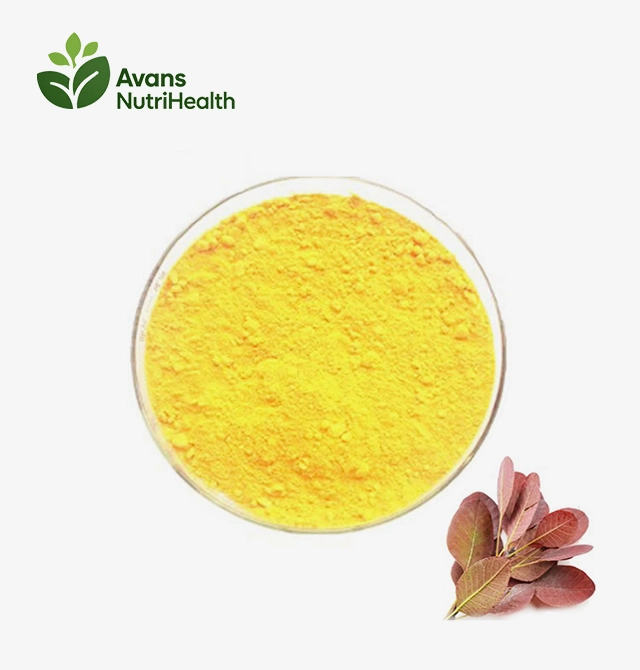
Luteolin powder has emerged as a powerful contender in the realm of natural flavonoid ingredients, offering a unique set of benefits that set it apart from its counterparts. As consumers and health enthusiasts increasingly turn to plant-based compounds for their potential health-promoting properties, understanding the distinctions between various flavonoids becomes crucial. This blog post delves into a comprehensive comparison of luteolin powder with other popular flavonoids, exploring its potency, bioavailability, antioxidant and anti-inflammatory benefits, as well as its applications and formulation considerations. By examining luteolin powder's unique characteristics, we aim to shed light on why this yellow crystalline compound has garnered significant attention in the fields of food, health care products, and medicine. Join us as we navigate through the intricate world of flavonoids and discover what makes luteolin powder a standout ingredient in the natural health landscape.
Potency and Bioavailability — How Luteolin Powder Stands Out Among Flavonoids
Superior Absorption and Cellular Uptake
Luteolin powder distinguishes itself from other flavonoids through its exceptional absorption and cellular uptake properties. Unlike some flavonoids that struggle to cross cellular membranes, luteolin's molecular structure allows for enhanced penetration into cells. This superior bioavailability means that a greater proportion of the ingested luteolin can exert its beneficial effects within the body. Studies have shown that luteolin powder, particularly when formulated with advanced delivery systems, can achieve higher plasma concentrations compared to other flavonoids like quercetin or kaempferol. This increased bioavailability translates to potentially greater therapeutic effects at lower doses, making luteolin powder an attractive option for supplement manufacturers and consumers alike.
Potent Antioxidant Activity at Lower Concentrations
When it comes to antioxidant potency, luteolin powder shines brightly among its flavonoid peers. Research has demonstrated that luteolin exhibits stronger free radical scavenging activity than many other flavonoids, even at lower concentrations. This heightened antioxidant capacity is attributed to luteolin's unique chemical structure, which allows it to neutralize a wide range of reactive oxygen species effectively. In comparative studies, luteolin powder has shown to outperform quercetin and kaempferol in protecting cells against oxidative stress-induced damage. This potent antioxidant activity makes luteolin powder an invaluable ingredient in anti-aging formulations and products aimed at combating oxidative stress-related conditions.
Enhanced Stability and Shelf Life
Another aspect where luteolin powder stands out is its stability and shelf life. Many flavonoids are susceptible to degradation when exposed to light, heat, or oxygen, which can significantly reduce their efficacy over time. Luteolin, however, demonstrates remarkable stability under various storage conditions. This enhanced stability ensures that products containing luteolin powder maintain their potency for extended periods, providing consistent benefits to consumers. Additionally, the stability of luteolin powder makes it easier to incorporate into a wide range of formulations without the need for extensive protective measures. This characteristic not only simplifies product development but also contributes to the overall cost-effectiveness of luteolin-based supplements and functional foods.
Antioxidant and Anti-Inflammatory Benefits Compared to Quercetin and Kaempferol
Superior Free Radical Scavenging Abilities
When comparing the antioxidant properties of luteolin powder to other popular flavonoids like quercetin and kaempferol, luteolin often emerges as a frontrunner. Its molecular structure, featuring multiple hydroxyl groups, enables luteolin to neutralize a broader spectrum of free radicals more efficiently. In vitro studies have shown that luteolin powder exhibits higher Oxygen Radical Absorbance Capacity (ORAC) values compared to quercetin and kaempferol, indicating its superior ability to quench harmful free radicals. This enhanced antioxidant activity translates to better protection against oxidative stress-induced cellular damage, potentially offering more comprehensive support for overall health and longevity. The potent free radical scavenging abilities of luteolin powder make it an excellent choice for formulations aimed at boosting antioxidant defenses and combating age-related oxidative damage.
More Potent Anti-Inflammatory Effects
In the realm of anti-inflammatory benefits, luteolin powder showcases impressive capabilities that often surpass those of quercetin and kaempferol. Luteolin has been found to inhibit multiple inflammatory pathways more effectively, including the suppression of pro-inflammatory cytokines and the modulation of key inflammatory enzymes. Studies comparing the anti-inflammatory effects of these flavonoids have demonstrated that luteolin powder can achieve similar or greater reductions in inflammation markers at lower concentrations. This heightened potency is particularly noteworthy in conditions characterized by chronic inflammation, such as arthritis or inflammatory bowel diseases. The superior anti-inflammatory profile of luteolin powder positions it as a valuable ingredient for developing targeted supplements and functional foods aimed at managing inflammatory conditions and supporting overall immune health.
Unique Neuroprotective Properties
While quercetin and kaempferol are known for their general health benefits, luteolin powder stands out for its unique neuroprotective properties. Research has shown that luteolin possesses a remarkable ability to cross the blood-brain barrier, allowing it to exert direct effects on brain health. This characteristic sets luteolin apart in its potential to support cognitive function and protect against neurodegenerative diseases. Studies have demonstrated that luteolin powder can reduce neuroinflammation, inhibit the formation of amyloid plaques associated with Alzheimer's disease, and protect neurons from oxidative stress more effectively than quercetin or kaempferol. These neuroprotective benefits make luteolin powder an exciting ingredient for formulations targeting brain health, cognitive enhancement, and the prevention of age-related cognitive decline.
Applications and Formulation Considerations for Luteolin Powder vs. Other Flavonoids
Versatility in Product Formulations
Luteolin powder offers remarkable versatility in product formulations, often surpassing other flavonoids in its application range. Its stability across various pH levels and temperatures makes it suitable for incorporation into a wide array of products, from dietary supplements to functional foods and beverages. Unlike some flavonoids that may degrade or lose potency during processing, luteolin powder maintains its integrity, allowing for more flexible manufacturing processes. This versatility extends to its compatibility with other ingredients, enabling formulators to create synergistic blends that enhance overall product efficacy. For instance, luteolin powder can be easily combined with other antioxidants or anti-inflammatory compounds to create powerful nutraceutical formulations. Its solubility profile also allows for diverse delivery formats, including capsules, tablets, powders, and liquid formulations, catering to different consumer preferences and product concepts.
Enhanced Bioavailability Strategies
When considering formulation strategies for luteolin powder compared to other flavonoids, bioavailability enhancement becomes a crucial factor. While luteolin naturally exhibits better absorption than some of its counterparts, innovative formulation techniques can further improve its bioavailability. Nanoencapsulation and liposomal delivery systems have shown promising results in increasing the absorption and cellular uptake of luteolin powder. These advanced delivery methods not only enhance the efficacy of luteolin-based products but also allow for lower effective doses, potentially reducing costs and improving the overall value proposition for consumers. Additionally, combining luteolin powder with natural bioavailability enhancers like piperine or phospholipids can significantly boost its absorption, a strategy that may not be as effective with other flavonoids due to their different molecular structures and absorption mechanisms.
Targeted Health Applications
Luteolin powder's unique properties open up opportunities for targeted health applications that may not be as readily achievable with other flavonoids. Its potent anti-inflammatory and neuroprotective effects make it an ideal ingredient for formulations aimed at brain health, cognitive support, and managing neurological conditions. Products targeting age-related cognitive decline or supporting mental clarity and focus can benefit significantly from the inclusion of luteolin powder. Moreover, its strong antioxidant profile and ability to modulate various cellular pathways make luteolin powder an excellent choice for anti-aging formulations, both in dietary supplements and topical applications. In the realm of immune support and allergy relief, luteolin's ability to stabilize mast cells and reduce histamine release positions it as a valuable ingredient for seasonal wellness products. These targeted applications highlight the versatility and specificity of luteolin powder, offering formulators and brands the opportunity to develop innovative, efficacious products that stand out in the competitive natural health market.
Conclusion
Luteolin powder emerges as a standout ingredient among natural flavonoids, offering superior potency, bioavailability, and a unique set of health benefits. Its exceptional antioxidant and anti-inflammatory properties, coupled with its neuroprotective effects, make it a versatile and valuable component in various health applications. From enhancing cognitive function to supporting overall wellness, luteolin powder presents exciting opportunities for product innovation in the nutraceutical and functional food industries. As research continues to unveil its potential, luteolin powder is poised to play an increasingly significant role in the development of targeted, effective natural health solutions.
At Avans NutriHealth Co., Ltd., we are committed to providing high-quality luteolin powder and other plant extracts to meet the growing demand for natural, health-promoting ingredients. Our state-of-the-art manufacturing facilities and rigorous quality control processes ensure that our products meet the highest standards of purity and efficacy. With our extensive R&D capabilities and customer-focused approach, we are well-positioned to support your product development needs and help you harness the power of luteolin powder in your formulations. For more information or to discuss how we can support your business, please contact us at Lillian@avansnutri.com.
FAQ
Q: What is luteolin powder?
A: Luteolin powder is a natural flavonoid extracted from various plants, known for its potent antioxidant and anti-inflammatory properties.
Q: How does luteolin powder compare to quercetin in terms of bioavailability?
A: Luteolin powder generally exhibits better bioavailability than quercetin, with enhanced absorption and cellular uptake.
Q: What are the main health benefits of luteolin powder?
A: Luteolin powder offers strong antioxidant and anti-inflammatory effects, neuroprotective properties, and potential benefits for cognitive health and immune support.
Q: Can luteolin powder be easily incorporated into different product formulations?
A: Yes, luteolin powder is versatile and can be incorporated into various products, including supplements, functional foods, and beverages.
Q: Are there any specific applications where luteolin powder excels compared to other flavonoids?
A: Luteolin powder is particularly effective in formulations targeting brain health, cognitive support, and anti-aging applications due to its unique properties.
References
1. Lopez-Lazaro, M. (2009). Distribution and biological activities of the flavonoid luteolin. Mini Reviews in Medicinal Chemistry, 9(1), 31-59.
2. Seelinger, G., Merfort, I., & Schempp, C. M. (2008). Anti-oxidant, anti-inflammatory and anti-allergic activities of luteolin. Planta Medica, 74(14), 1667-1677.
3. Nabavi, S. F., Braidy, N., Gortzi, O., Sobarzo-Sanchez, E., Daglia, M., Skalicka-Woźniak, K., & Nabavi, S. M. (2015). Luteolin as an anti-inflammatory and neuroprotective agent: A brief review. Brain Research Bulletin, 119, 1-11.
4. Aziz, N., Kim, M. Y., & Cho, J. Y. (2018). Anti-inflammatory effects of luteolin: A review of in vitro, in vivo, and in silico studies. Journal of Ethnopharmacology, 225, 342-358.
5. Patel, D., Shukla, S., & Gupta, S. (2007). Apigenin and cancer chemoprevention: progress, potential and promise (review). International Journal of Oncology, 30(1), 233-245.
6. Salehi, B., Venditti, A., Sharifi-Rad, M., Kręgiel, D., Sharifi-Rad, J., Durazzo, A., ... & Martins, N. (2019). The therapeutic potential of apigenin. International Journal of Molecular Sciences, 20(6), 1305.
_1767942984263.webp)