



Silymarin Powder Applications in Functional Foods and Beverages
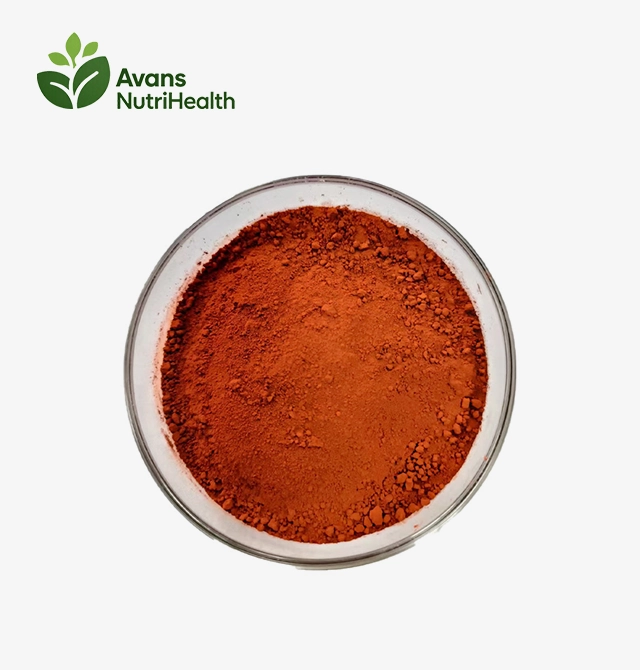
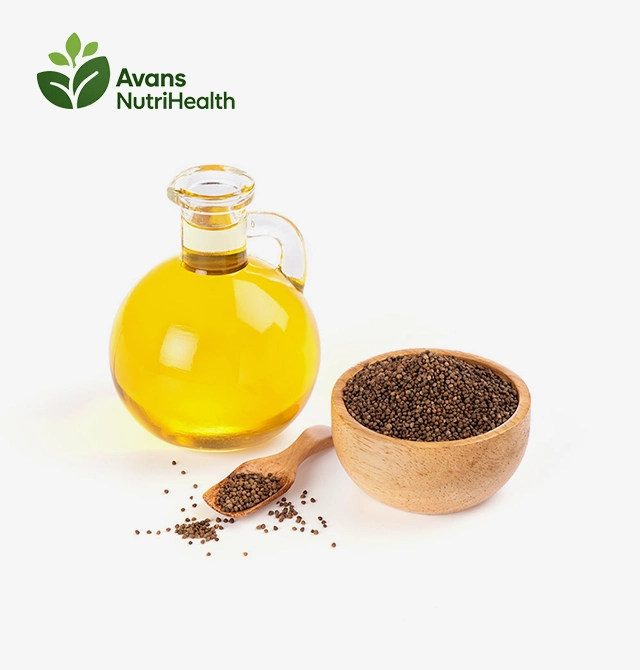
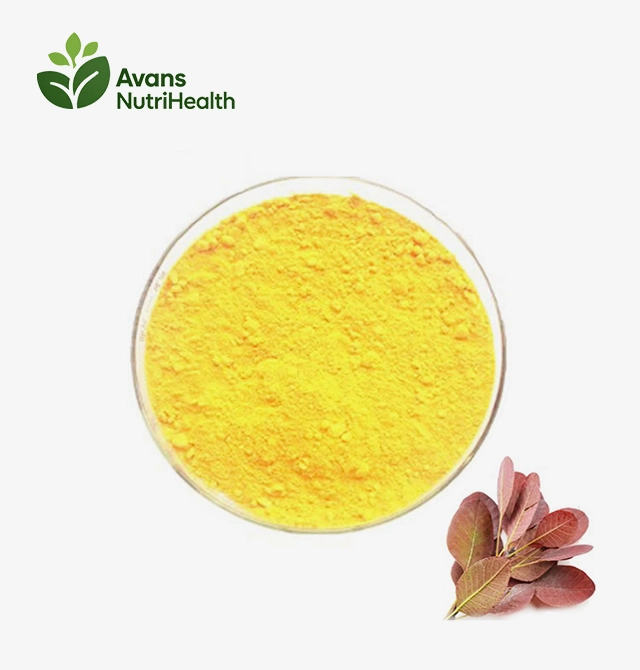
In recent years, the functional food and beverage industry has witnessed a surge in interest for natural ingredients that offer health benefits beyond basic nutrition. Among these, silymarin powder has emerged as a powerful contender, particularly for its liver-protective and antioxidant properties. Derived from milk thistle seeds (Silybum marianum), silymarin powder is a concentrated extract rich in flavonolignans, with silybin being the most active component. As consumers become increasingly health-conscious, manufacturers are exploring innovative ways to incorporate silymarin powder into a variety of functional foods and beverages. This blog post delves into the applications of silymarin powder in the functional food and beverage sector, examining its potential benefits, formulation strategies, and important considerations for product development.

Incorporating Silymarin Powder for Liver Health and Antioxidant Benefits
Liver Support Formulations
Silymarin powder has gained significant attention for its hepatoprotective properties, making it a valuable ingredient in liver support formulations. When incorporated into functional foods and beverages, silymarin powder can help protect liver cells from damage caused by toxins and free radicals. Product developers can create liver-focused beverages, such as detox smoothies or herbal teas, by combining silymarin powder with other liver-friendly ingredients like dandelion root or artichoke extract. These formulations can be marketed as daily liver support drinks or as part of a cleanse program. It's important to note that while silymarin powder shows promise in supporting liver health, product claims should be carefully worded and backed by scientific evidence to comply with regulatory guidelines.
Antioxidant-Rich Products
The antioxidant properties of silymarin powder make it an excellent addition to products targeting overall wellness and anti-aging benefits. Functional beverages like antioxidant-rich juices or smoothie bowls can be enhanced with silymarin powder to boost their free radical-scavenging capacity. Snack bars or energy bites fortified with silymarin powder can offer a convenient way for consumers to incorporate this powerful antioxidant into their daily routine. When formulating antioxidant-rich products with silymarin powder, it's crucial to consider potential synergies with other antioxidants like vitamin C or E, which may enhance the overall efficacy of the product. The stability of silymarin powder in different food matrices should also be evaluated to ensure that its antioxidant properties are maintained throughout the product's shelf life.
Stress-Relief and Adaptogenic Blends
As the demand for stress-relief and adaptogenic products continues to grow, silymarin powder can play a role in formulations targeting these benefits. While primarily known for its liver-protective properties, some studies suggest that silymarin may have adaptogenic effects, helping the body cope with stress. Functional beverage manufacturers can explore combining silymarin powder with other adaptogenic herbs like ashwagandha or rhodiola to create unique stress-relief blends. These products could be positioned as daily wellness tonics or pre-workout drinks to support the body's resilience to physical and mental stress. When developing stress-relief formulations with silymarin powder, it's important to consider the taste profile and potential interactions with other ingredients to ensure a palatable and effective product.
Formulation Strategies for Beverages and Functional Food Products
Optimizing Solubility and Dispersion
One of the primary challenges in incorporating silymarin powder into beverages and functional foods is its limited water solubility. To overcome this, formulators can employ various strategies to improve the dispersion and bioavailability of silymarin powder. Micronization techniques can be used to reduce particle size, increasing the surface area and potentially enhancing solubility. Emulsion-based systems, such as nanoemulsions or liposomes, can be developed to encapsulate silymarin powder and improve its dispersion in aqueous formulations. Additionally, the use of natural emulsifiers or solubilizers compatible with silymarin powder can help create stable and homogeneous products. When working with silymarin powder, it's crucial to conduct thorough stability testing to ensure that the active compounds remain dispersed and bioavailable throughout the product's shelf life.
Masking Bitter Notes
Silymarin powder can impart a bitter taste to formulations, which may be challenging in certain food and beverage applications. To address this, flavor masking techniques can be employed to create more palatable products. Natural sweeteners like stevia or monk fruit extract can help balance the bitterness of silymarin powder without adding calories. Complementary flavors such as citrus or herbal notes can be used to create a harmonious taste profile that complements the inherent characteristics of silymarin powder. In some cases, encapsulation technologies can be utilized to coat silymarin powder particles, reducing their interaction with taste receptors and minimizing the perception of bitterness. When developing flavor systems for products containing silymarin powder, it's important to consider the target consumer demographic and their taste preferences to ensure product acceptability.
Synergistic Ingredient Combinations
To maximize the health benefits and market appeal of functional foods and beverages containing silymarin powder, formulators can explore synergistic ingredient combinations. For liver health formulations, silymarin powder can be paired with other hepatoprotective ingredients like N-acetyl cysteine (NAC) or alpha-lipoic acid. In antioxidant-focused products, combining silymarin powder with vitamin C or green tea extract may enhance the overall free radical scavenging capacity. For stress-relief blends, adaptogens like ashwagandha or rhodiola can complement the potential adaptogenic effects of silymarin powder. When creating these multi-ingredient formulations, it's essential to consider potential interactions between components and conduct thorough stability and efficacy testing. Additionally, the regulatory status of ingredient combinations should be carefully evaluated to ensure compliance with relevant food and beverage regulations in target markets.
Stability, Dosage, and Regulatory Considerations for Silymarin Powder Use
Ensuring Product Stability
Maintaining the stability of silymarin powder in functional foods and beverages is crucial for ensuring product efficacy and safety throughout its shelf life. Factors such as temperature, pH, light exposure, and oxygen can affect the stability of silymarin compounds. Formulators should conduct comprehensive stability studies to determine the optimal storage conditions and packaging materials for products containing silymarin powder. Antioxidants like vitamin E or rosemary extract may be added to protect silymarin from oxidation in certain formulations. For beverages, the use of amber glass bottles or opaque packaging can help shield silymarin powder from light-induced degradation. In dry product applications, such as powdered drink mixes or snack bars, moisture control through appropriate packaging and the inclusion of desiccants may be necessary to maintain silymarin powder stability. Regular testing of silymarin content throughout the product's shelf life is essential to validate stability claims and ensure consistent delivery of the intended health benefits.
Determining Appropriate Dosage
Establishing the appropriate dosage of silymarin powder in functional foods and beverages requires careful consideration of efficacy, safety, and regulatory guidelines. While research on silymarin has shown potential benefits at various dosages, the optimal amount can vary depending on the specific health claim and product format. Generally, silymarin supplements often contain 200-400 mg of silymarin extract per serving, but the dosage in functional foods and beverages may need to be adjusted based on factors such as bioavailability and consumption patterns. It's crucial to review the available scientific literature and consult with experts to determine a dosage that balances efficacy with safety. Additionally, formulators should consider the cumulative intake of silymarin powder from multiple sources to avoid excessive consumption. Clearly communicating the silymarin content per serving on product labels and providing usage instructions can help consumers make informed choices about their intake.
Navigating Regulatory Landscape
The regulatory landscape for silymarin powder in functional foods and beverages can be complex and varies by region. In some markets, silymarin may be classified as a novel food ingredient, requiring pre-market approval before use in food products. Manufacturers must carefully review the regulatory status of silymarin powder in their target markets and ensure compliance with all relevant food safety and labeling regulations. Health claims related to silymarin powder should be substantiated by scientific evidence and adhere to local regulatory guidelines. In the United States, for example, structure-function claims may be permissible with appropriate disclaimers, but disease prevention claims are generally not allowed for food products. It's advisable to work closely with regulatory experts and legal counsel when developing and marketing functional foods and beverages containing silymarin powder to navigate the evolving regulatory landscape successfully. Regular monitoring of regulatory updates and industry trends can help manufacturers stay compliant and capitalize on new opportunities in the functional food and beverage market.
Conclusion
Silymarin powder presents a promising ingredient for functional foods and beverages, offering potential liver health and antioxidant benefits. By addressing formulation challenges, ensuring product stability, and navigating regulatory considerations, manufacturers can successfully incorporate this powerful extract into innovative products. As consumer interest in natural health solutions continues to grow, silymarin powder-enhanced functional foods and beverages are poised to play a significant role in the evolving landscape of wellness-oriented nutrition.
At Avans NutriHealth Co., Ltd., we are committed to providing high-quality silymarin powder and comprehensive support for your functional food and beverage development needs. Our team of experts is dedicated to delivering exceptional customer service and tailored solutions. With our state-of-the-art facilities and rigorous quality control processes, we ensure that our silymarin powder meets the highest standards of purity and potency. For more information on how we can support your product development efforts, please contact us at Lillian@avansnutri.com.
FAQ
Q: What is silymarin powder?
A: Silymarin powder is a concentrated extract derived from milk thistle seeds, rich in flavonolignans with potential liver-protective and antioxidant properties.
Q: How can silymarin powder be incorporated into beverages?
A: Silymarin powder can be incorporated into beverages using techniques like micronization, emulsion-based systems, or natural emulsifiers to improve solubility and dispersion.
Q: What are the main challenges in formulating with silymarin powder?
A: The main challenges include limited water solubility, potential bitter taste, and ensuring stability throughout the product's shelf life.
Q: Are there any regulatory considerations for using silymarin powder in food products?
A: Yes, regulatory considerations vary by region. In some markets, silymarin may be classified as a novel food ingredient requiring pre-market approval.
Q: What is the typical dosage of silymarin powder in functional foods?
A: While dosages can vary, many silymarin supplements contain 200-400 mg per serving. However, the optimal amount in functional foods may differ based on various factors.
References
1. Abenavoli, L., Capasso, R., Milic, N., & Capasso, F. (2010). Milk thistle in liver diseases: past, present, future. Phytotherapy Research, 24(10), 1423-1432.
2. Surai, P. F. (2015). Silymarin as a natural antioxidant: an overview of the current evidence and perspectives. Antioxidants, 4(1), 204-247.
3. Vargas-Mendoza, N., Madrigal-Santillán, E., Morales-González, A., Esquivel-Soto, J., Esquivel-Chirino, C., García-Luna y González-Rubio, M., ... & Morales-González, J. A. (2014). Hepatoprotective effect of silymarin. World Journal of Hepatology, 6(3), 144.
4. Karimi, G., Vahabzadeh, M., Lari, P., Rashedinia, M., & Moshiri, M. (2011). "Silymarin", a promising pharmacological agent for treatment of diseases. Iranian Journal of Basic Medical Sciences, 14(4), 308.
5. Loguercio, C., & Festi, D. (2011). Silybin and the liver: from basic research to clinical practice. World Journal of Gastroenterology: WJG, 17(18), 2288.
6. Bijak, M. (2017). Silybin, a major bioactive component of milk thistle (Silybum marianum L. Gaernt.)—Chemistry, bioavailability, and metabolism. Molecules, 22(11), 1942.