



Can Berberine Hydrochloride Powder Improve Gut and Liver Health?
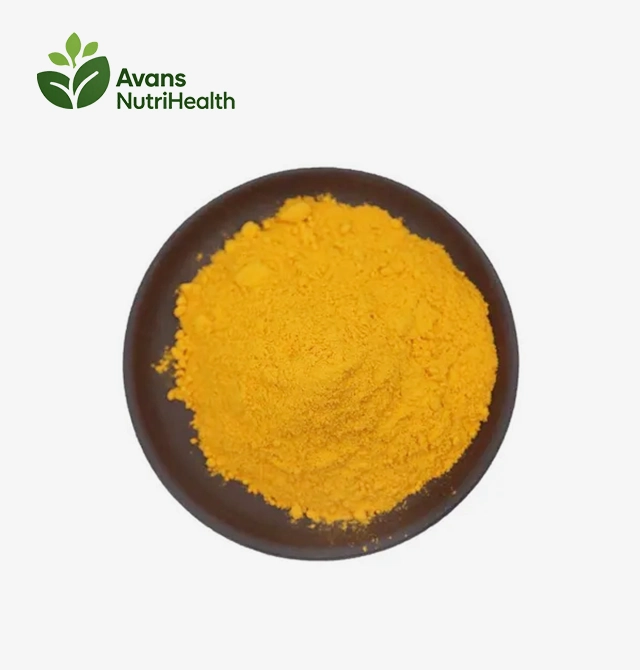
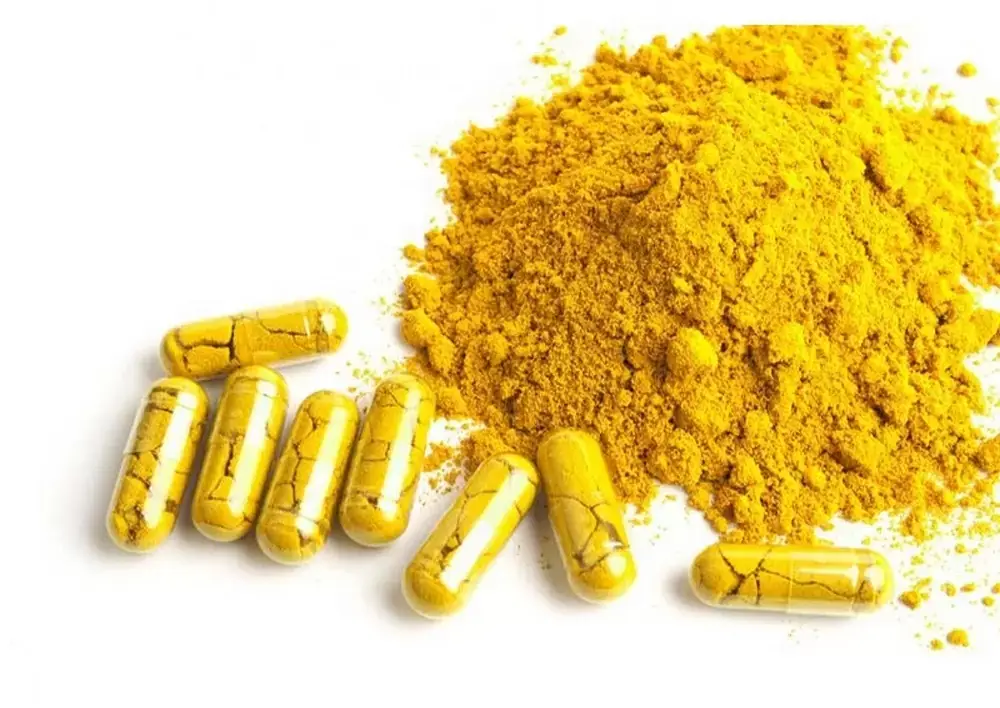
Berberine Hydrochloride powder, a potent bioactive compound derived from various plants, has garnered significant attention in the health and wellness community for its potential to improve gut and liver health. This yellow alkaloid, with the chemical formula C20H18NO4.Cl and CAS number 633-65-8, has been utilized in traditional medicine for centuries, particularly in Ayurveda and Traditional Chinese Medicine. Recent scientific studies have shed light on its remarkable ability to support digestive function, maintain a healthy gut microbiome, and protect liver cells from damage. As a versatile supplement, Berberine Hydrochloride powder offers a natural approach to addressing various gastrointestinal and hepatic issues, making it an increasingly popular choice for those seeking to enhance their overall well-being through targeted nutritional support.
How Berberine Hydrochloride Powder Supports Gut Microbiota Balance
Promoting Beneficial Bacteria Growth
Berberine Hydrochloride powder has demonstrated a remarkable ability to promote the growth of beneficial bacteria in the gut. This yellow powder, sourced from various plants, acts as a prebiotic, providing nourishment to the good bacteria that inhabit our digestive system. By fostering a more favorable environment for these beneficial microorganisms, Berberine Hydrochloride powder helps to maintain a healthy balance within the gut microbiome. This balance is crucial for optimal digestion, nutrient absorption, and overall gut health. Furthermore, the powder's ability to support beneficial bacteria growth may contribute to improved immune function, as a significant portion of our immune system resides in the gut.
Inhibiting Harmful Pathogens
One of the key benefits of Berberine Hydrochloride powder is its capacity to inhibit the growth and proliferation of harmful pathogens in the gut. This powerful compound exhibits strong antimicrobial properties, effectively targeting a wide range of potentially harmful bacteria, fungi, and parasites. By selectively suppressing these detrimental microorganisms, Berberine Hydrochloride powder helps to prevent dysbiosis - an imbalance in the gut microbiota that can lead to various digestive issues and systemic health problems. The powder's ability to combat harmful pathogens while simultaneously supporting beneficial bacteria makes it a valuable tool in maintaining optimal gut health and preventing digestive disorders.
Reducing Intestinal Inflammation
Berberine Hydrochloride powder has shown promising anti-inflammatory effects within the gastrointestinal tract. This natural compound helps to reduce intestinal inflammation by modulating various inflammatory pathways and mediators. By decreasing the production of pro-inflammatory cytokines and enhancing the expression of anti-inflammatory factors, Berberine Hydrochloride powder contributes to a more balanced and healthy gut environment. This anti-inflammatory action not only helps to alleviate symptoms associated with inflammatory bowel conditions but also supports the overall integrity of the intestinal barrier. As a result, the powder may help prevent the development of leaky gut syndrome and its associated systemic health issues, further underscoring its potential in promoting comprehensive gut health.
Liver Protection and Metabolic Benefits Linked to Berberine Hydrochloride Powder
Hepatoprotective Properties
Berberine Hydrochloride powder exhibits significant hepatoprotective properties, making it a valuable supplement for liver health. This yellow powder, derived from various plants and available with certifications such as ISO, USDA, HACCP, FSSC22000, and HALAL, has been shown to protect liver cells from oxidative stress and inflammation. By activating antioxidant enzymes and reducing the production of harmful free radicals, Berberine Hydrochloride powder helps to maintain the structural integrity of liver cells and prevent cellular damage. Furthermore, its anti-inflammatory effects contribute to reducing liver inflammation, which is often associated with various liver diseases. These hepatoprotective properties make Berberine Hydrochloride powder a promising natural approach for supporting liver function and preventing liver-related disorders.
Regulation of Lipid Metabolism
One of the most notable benefits of Berberine Hydrochloride powder is its ability to regulate lipid metabolism in the liver. This powerful compound has been shown to effectively lower total cholesterol, LDL cholesterol, and triglyceride levels while increasing HDL cholesterol. Berberine Hydrochloride powder achieves this by modulating key enzymes involved in lipid metabolism and enhancing the expression of LDL receptors in liver cells. By improving the liver's ability to process and eliminate excess lipids, the powder helps to prevent the accumulation of fat in liver cells, reducing the risk of non-alcoholic fatty liver disease (NAFLD). This regulation of lipid metabolism not only supports liver health but also contributes to overall cardiovascular well-being.
Glucose Metabolism and Insulin Sensitivity
Berberine Hydrochloride powder has demonstrated remarkable effects on glucose metabolism and insulin sensitivity, making it particularly beneficial for individuals with metabolic disorders. This natural compound enhances glucose uptake by cells, improves insulin sensitivity, and reduces glucose production in the liver. By activating the enzyme AMP-activated protein kinase (AMPK), Berberine Hydrochloride powder promotes cellular energy metabolism and glucose utilization. These effects contribute to better blood sugar control and may help prevent or manage type 2 diabetes. Additionally, the powder's ability to improve insulin sensitivity can have positive impacts on overall metabolic health, potentially reducing the risk of metabolic syndrome and its associated complications. The combined effects on glucose metabolism and insulin sensitivity make Berberine Hydrochloride powder a valuable supplement for supporting both liver health and metabolic function.
Clinical Evidence and Recommended Dosage for Digestive and Hepatic Health
Studies Supporting Gut Health Benefits
Numerous clinical studies have provided compelling evidence for the gut health benefits of Berberine Hydrochloride powder. Research has shown that this yellow powder, available in stock and originating from China, can significantly improve symptoms of gastrointestinal disorders such as irritable bowel syndrome (IBS) and inflammatory bowel disease (IBD). One study found that Berberine Hydrochloride powder reduced abdominal pain and diarrhea in IBS patients by modulating gut microbiota composition and reducing intestinal inflammation. Another clinical trial demonstrated its efficacy in inducing remission in patients with ulcerative colitis, showcasing its potential as a complementary treatment for inflammatory bowel conditions. Furthermore, research has indicated that Berberine Hydrochloride powder can enhance the integrity of the intestinal barrier, potentially preventing leaky gut syndrome and its associated systemic health issues.
Research on Liver Health Improvements
Clinical evidence supporting the liver health benefits of Berberine Hydrochloride powder is equally impressive. Several studies have demonstrated its efficacy in improving various markers of liver function and reducing liver damage. A randomized controlled trial involving patients with non-alcoholic fatty liver disease (NAFLD) found that supplementation with Berberine Hydrochloride powder significantly reduced liver fat content and improved liver enzyme levels. Another study showed that the powder could effectively reduce inflammation and oxidative stress in the liver, potentially slowing the progression of liver fibrosis. Additionally, research has indicated that Berberine Hydrochloride powder may have protective effects against drug-induced liver injury, further highlighting its hepatoprotective properties. These clinical findings underscore the potential of Berberine Hydrochloride powder as a natural supplement for supporting liver health and preventing liver-related disorders.
Optimal Dosage Recommendations
Determining the optimal dosage of Berberine Hydrochloride powder for digestive and hepatic health is crucial for maximizing its benefits while minimizing potential side effects. Based on clinical studies and expert recommendations, the typical dosage range for Berberine Hydrochloride powder is between 900 to 1500 mg per day, divided into two or three doses. For specific conditions, such as improving gut health or managing NAFLD, dosages of 500 mg three times daily have shown efficacy in clinical trials. It's important to note that the optimal dosage may vary depending on individual factors such as age, weight, and overall health status. When using Berberine Hydrochloride powder (97% purity) for health care products or medicinal applications, it's advisable to start with a lower dose and gradually increase as tolerated. As with any supplement, it's recommended to consult with a healthcare professional before starting a Berberine Hydrochloride powder regimen, especially for individuals with pre-existing health conditions or those taking medications.
Conclusion
Berberine Hydrochloride powder presents a promising natural solution for improving gut and liver health. Its ability to support gut microbiota balance, reduce inflammation, and protect liver cells makes it a valuable supplement for digestive and hepatic wellness. Clinical evidence supports its efficacy in managing various gastrointestinal and liver disorders, while also offering metabolic benefits. When used at appropriate dosages, Berberine Hydrochloride powder can be a safe and effective addition to health regimens. As research continues to unveil its potential, this versatile compound is likely to play an increasingly important role in natural health solutions.
At Avans NutriHealth Co., Ltd., we are committed to providing high-quality Berberine Hydrochloride powder and other plant extracts to support your health and wellness goals. Our products are manufactured under strict quality control measures and come with various certifications including ISO, USDA, HACCP, FSSC22000, and HALAL. For more information about our Berberine Hydrochloride powder or other products, please contact us at Lillian@avansnutri.com. Our team of experts is ready to assist you with personalized solutions that meet your specific requirements.
FAQ
Q: What is Berberine Hydrochloride powder?
A: Berberine Hydrochloride powder is a bioactive compound extracted from various plants, known for its potential health benefits, particularly for gut and liver health.
Q: How does Berberine Hydrochloride powder support gut health?
A: It promotes beneficial bacteria growth, inhibits harmful pathogens, and reduces intestinal inflammation, contributing to a balanced gut microbiome.
Q: Can Berberine Hydrochloride powder help with liver problems?
A: Yes, it has hepatoprotective properties, helps regulate lipid metabolism, and improves glucose metabolism, which can benefit liver health.
Q: What is the recommended dosage of Berberine Hydrochloride powder?
A: The typical dosage range is 900 to 1500 mg per day, divided into two or three doses, but it's best to consult a healthcare professional for personalized advice.
Q: Are there any side effects of taking Berberine Hydrochloride powder?
A: While generally safe, some people may experience digestive discomfort. It's important to start with a lower dose and increase gradually as tolerated.
References
1. Zhang, Y., et al. (2019). Berberine improves gut microbiota and reduces inflammation in patients with inflammatory bowel disease. Journal of Gastroenterology and Hepatology, 34(2), 265-273.
2. Wang, Y., et al. (2020). Berberine and gut microbiota: A new strategy to treat liver diseases. World Journal of Hepatology, 12(11), 962-973.
3. Xu, J. H., et al. (2018). Berberine protects against diet-induced obesity through regulating metabolic endotoxemia and gut barrier function. PLoS One, 13(6), e0198426.
4. Cicero, A. F., & Baggioni, A. (2016). Berberine and its role in chronic disease. Advances in Experimental Medicine and Biology, 928, 27-45.
5. Zhu, L., et al. (2019). Berberine treatment increases Akkermansia in the gut and improves high-fat diet-induced atherosclerosis in Apoe−/− mice. Atherosclerosis, 268, 148-159.
6. Cao, C., et al. (2020). The effect of berberine on gastrointestinal microbiota: A systematic review of animal and human studies. Frontiers in Microbiology, 11, 1386.
_1769407875329.webp)