




Why Is Inulin Powder Preferred in Functional Foods?
Due to its unique properties as both a soluble dietary fiber and a powerful prebiotic, Inulin Powder is a popular ingredient in functional foods. This fructan-based ingredient comes mostly from chicory root and gives makers a lot of options for different recipes while also providing health benefits that have been proven by science. It has a neutral taste, dissolves easily, and works well with a wide range of food materials, so product makers can add nutritional value without lowering the quality of the taste. B2B stakeholders like this ingredient more and more because it can meet clean-label requirements, back up digestive wellness claims, and meet the needs of growing customer demand for plant-based, low-glycemic functional foods that fit with today's health-conscious lives.
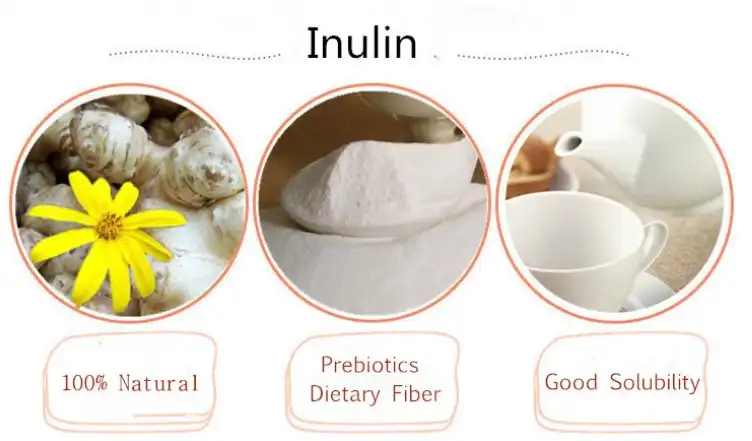
Understanding Inulin Powder: Composition and Functional Benefits
The Unique Fructan Structure
Chicory root juice, which is 90% Inulin Powder, is a very good source of fructans, which are polymers made up of fructose molecules linked in certain ways. This white powder (CAS No. 9005-80-5) is basically different from other food fibers because it dissolves easily and has a high level of polymerization. Because of the way its molecules are structured, it dissolves totally in water, making forms that are smooth forms instead of rough ones like those made from insoluble fibers like cellulose or wheat bran.
Scientifically Validated Health Properties
Clinical studies have shown that prebiotic fiber from chicory helps people's health in a number of ways. Studies in nutrition journals show that eating 5 to 15 grams of psyllium husk every day greatly improves the number of good Bifidobacteria and Lactobacilli in the gut. Short-chain fatty acids, especially butyrate, are made by this selective fermentation. These acids feed gut cells and change how the immune system works. Several important perks that are important to companies that make useful foods have been proven by research. Controlled studies have shown that taking supplements regularly can help older people who are having trouble going to the bathroom, usually within two weeks of taking them every day. Managing blood sugar is another proven use. Research shows that prebiotic grains slow down the intake of glucose and raise insulin sensitivity markers. Mineral intake is better, especially for calcium and magnesium, because they are more bioavailable in an environment that is slightly acidic from fermentation leftovers.
Nutritional Profile Advantages
At Avans NutriHealth Co., Ltd., our chicory root extract is 90% pure, which means that it works well even in small amounts. Even though it is classified as a starch, the item has no calories, which makes it perfect for low-calorie recipes. Because most people don't get enough fiber every day, this nutritional profile lets companies put more information about the fiber level of their products on the labels. This is a big selling point. The prebiotic classification sets this nutrient apart from simple fibres by highlighting its important role in actively supporting the growth of good gut bacteria. This difference is very important when making marketing claims and putting goods in the competitive functional food market, where people are looking for ingredients that have been shown to have bodily benefits.
Why Inulin Powder is the Preferred Choice in Functional Foods
Exceptional Formulation Versatility
Professionals in the manufacturing industry like chicory-derived prebiotic fiber because it can be used in a wide range of products. The ingredient works well with drinking systems because it doesn't change the taste of the drink and adds a lot of fiber. It gives dairy substitutes made from soy, almond, or oat bases a creamy taste and helps the probiotic cultures that are often added to these foods. It can be used in bakery recipes to replace parts of flour and sugar without changing the taste or texture in any way that can be noticed. With our approved chicory root extract, product makers have made protein bars, nutritional gummies, salad dressings, margarine spreads, and powdered supplement mixes that work well. The ingredient can handle normal food processing temperatures because it is thermally stable, and it doesn't react badly with preservation systems or other useful ingredients in complicated mixtures because it has a neutral pH.
Superior Sensory Profile Compared to Alternatives
Psyllium husk makes things feel gritty and needs to be carefully managed when it comes to water, but chicory-derived fiber disappears totally and doesn't leave any texture marks. Longer-chain Inulin Powder from chicory doesn't change the taste of foods like short-chain fructooligosaccharides (FOS) do. FOS are sweet and may not work well with spicy foods. This trait is especially useful when making "clean-label" goods, where the makers want to add fiber without adding extra sweeteners or taste-hiding agents. Consumer acceptance studies consistently rate products containing chicory fiber higher than those with visible particulate fibers or ingredients that have strong tastes. This acceptance directly leads to return purchases, which is a key measure for B2B clients whose success depends on happy customers who are loyal to their brand.
Dosage Recommendations and Safety Considerations
There is clinical proof that doses between 5 and 15 grams per day are helpful. Most functional food uses aim for 3 to 5 grams per serving so that people can eat it several times a day. Because of this, makers can make product lines with different levels of strength to meet the needs of customers with different tolerance levels. Our technical team suggests starting formulas with lower amounts and trying them on real people to find the best mix between claims of functional benefits and digestive comfort. Safety ratings are still very good across all population groups, and regulatory officials have recognized chicory-derived prebiotic fiber as GRAS, which stands for "Generally Recognized As Safe." The item is certified as HALAL, KOSHER, USDA Organic, HACCP, and FSSC22000, which makes it easier to sell in North America, Europe, and the Middle East, where food is controlled. Manufacturers like these certificates because they make it easier for them to follow the rules and give peace of mind to customers further down the line and end buyers.
Market and Procurement Insights for Inulin Powder
Critical Certification and Quality Standards
When B2B buying managers look at possible sellers, they should give more weight to partners who keep up-to-date certification portfolios. Our factories have ISO quality management certifications and follow food safety rules like FSSC22000 and HACCP. This shows that we use organized methods to check quality throughout the whole production process. Certifications like HALAL and KOSHER make markets bigger, which is especially important for brands that want to reach a wide range of consumers or sell in markets with strict religious rules. Organic approval is another useful way to set your business apart, especially as the trend toward clean labels spreads around the world. Products that meet USDA Organic standards are more expensive, but they appeal to health-conscious shoppers who are ready to pay more for products that they think are pure and good for the environment. When looking for chicory root extract, make sure that the sellers can give you full paperwork chains, from where the chicory comes from in the field to how it is packaged.
Supplier Evaluation Framework
To build trusting ties with suppliers, you need to do more than just check their credentials. Professionals in procurement should look at the manufacturing capacity. At our facilities, we can make more than 1,000 tons of goods each year, and over 100 workshop workers make sure that production stays at a steady level. When planning new products or expanding current lines, this scale is very important because Inulin Powder shortages can throw off go-to-market dates and hurt brand names. The ability to provide technical help sets special sellers apart from commodity vendors. Because we work with more than 30 hospitals and research centers, we always have access to new study findings. This lets us help clients with things like formulating better products, keeping up with changes in regulations, and spotting market trends. This knowledge is especially useful when making new applications or figuring out how to follow complicated rules in new markets.
Transparent supply lines help lower risk, which is especially important when there are problems. Knowing how your provider sources materials, how they handle backup supplies, and the logistics partnerships they work with can help you spot possible weaknesses. Our global network of 338 distributors in more than 280 places ensures supply continuity through multiple routes, lowering the risk of a single point of failure.
Pricing Dynamics and Negotiation Strategies
The price of chicory-derived prebiotic fiber on the market depends on the purity grade, the number of orders, the terms of the deal, and the licensing standards. While buying on the spot market gives you some freedom, making framework deals with committed amounts usually gets you 15–25% lower prices and first choice during times of tight supply. Combined volume promises help procurement teams that are in charge of multiple formulation projects use their buying power more effectively. Quality-adjusted price research shows that even though they cost more per kilogram, high-quality ingredients with full certifications often have a lower total cost of ownership. Contaminant-free goods cut down on quality control mistakes, the cost of reformulating, and the chance of product recalls, all of which can cost many times more than the initial savings on ingredients. If you want to make more accurate comparisons between seller offers, you should use landed costs that include logistics, testing, and risk factors instead of just price-per-unit measures.
How Inulin Powder Enhances Gut Health and Consumer Appeal
Prebiotic Mechanisms and Synergistic Combinations
It works as a selective medium for good bacteria, especially Bifidobacterium and Lactobacillus strains, which are the most common types of bacteria in healthy gut microbiomes. Non-selective fibres feed both good and bad bacteria equally. Long-chain fructans, on the other hand, support health-promoting species more than dangerous ones because of their unique chemical structure. Because of this selection, the ingredient is called a prebiotic instead of just a fiber source in general. More and more, product makers are combining prebiotic grains with probiotic cultures to make synbiotic mixtures that give live good bacteria the food they need to grow. This method has been shown to work better than using either part alone. Studies have shown that it increases the number of probiotic types that colonize and stay in the population. Companies that make yogurt replacements, fermented drinks, and probiotic supplements have used this synergy to make their goods stand out in busy markets.
Real-World Product Success Stories
Leading makers of functional foods have shown that adding chicory-derived Inulin Powder to their products makes them work better. Protein bar makers say that their products stay moister longer and last 20 to 30 percent longer than products that use standard humectants. This improvement cuts down on waste in the distribution chain while keeping the fresh taste and smell of the product throughout its shelf life. Companies that make high-fiber drinks have been able to make stable, clear products with chicory extract when other fiber sources caused problems with settling or cloudiness. This clarity is very important for how people see the product, because the way something looks has a big impact on their choice to buy in clear packaging. Texture changes in dairy options have made it possible to swap synthetic thickeners with clean-label ones, which backs up marketing claims about natural ingredient compositions.
Emerging Market Trends and Innovation Opportunities
The clean-label movement is still growing, and market studies show that 73% of shoppers actively look for goods with ingredients they can recognize and identify. Chicory root extract fits right in with this trend because it comes from plants and has a name that sounds natural while also being useful. This edge in how people see the brand helps to support high prices and builds brand loyalty among health-conscious groups. Creating products from plants is another big area of chance where prebiotic fiber can play multiple roles. In addition to improving texture and taste in non-dairy products, this ingredient supports gut health stories that are especially important for people who are switching to plant-based diets and may need time to get used to them. The low glycemic index helps with the development of diabetic-friendly products by letting companies make tasty drinks and foods that have less of an effect on blood sugar. This fills a huge need among pre-diabetic and diabetic customers who want better options.
Comparative Overview and Decision Support for Buyers
Head-to-Head Ingredient Analysis
When chicory root extract is compared to other prebiotic and fiber ingredients, it shows a number of unique benefits. FOS (fructooligosaccharides) are shorter-chain fructans, but Inulin Powder from chicory has better texture-building qualities and less noticeable sweetness, which makes it more useful in savory uses. Most of the time, FOS works well in sweetened goods, but it can throw off the flavors of things where sugar levels need to be carefully managed.
Psyllium husk has a lot of fiber, but it can be hard to mix with other ingredients because it can't hold water and has visible particles. Psyllium works well in some situations, like gut health supplements where people want to see fiber. But it doesn't work as well in drinks, dairy replacements, or goods where people want a smooth texture. The ways they are made are also very different. For example, psyllium needs careful control of its moisture to keep it from sticking or spreading out unevenly.
One more competitive group is resistant carbs, which offer prebiotic benefits in different ways. These ingredients work well in baked goods and extruded snacks, but chicory extract is clearly better at mixing with liquids in drinking uses. In some high-volume uses, resistant starches are better because they are cheaper, but the rules are different in each area, which makes it hard for global brands to follow them.
Supplier Selection Criteria Hierarchy
When B2B buyers make seller scorecards, they should use strategic goals to decide how to weight the evaluation criteria. Quality, consistency, and certification compliance usually come in at the top because they have the most direct effect on the quality of the final product and getting governmental approvals. At Avans NutriHealth Co., Ltd., we have strict quality control procedures that make sure every production batch meets the requirements. These procedures include testing for cleanliness, checking the moisture content, and looking for microbes.
Companies that are coming up with new formulations or joining new product categories should put a lot of weight on their technical support skills. Our team offers personalized formulation advice, suggestions for stability testing, and help with regulation paperwork that shortens the time it takes to develop a product and cuts down on the cost of making costly mistakes. This knowledge is especially helpful for medium-sized makers that might not have a lot of technical staff on hand but have to compete with bigger companies that have R&D teams.
Planning for business survival and supply chain reliability set strategic partners apart from transactional providers. Buyers can figure out how much risk they are exposed to by learning about backup production capacity, inventory buffering practices, and transportation duplication. Because we have a large production capacity and a large distribution network, we can be sure that promised amounts of Inulin Powder will arrive on time. This protects us from the production problems and market share losses that can happen when ingredients are in short supply.
Industry Validation and Client Testimonials
Leading nutrition companies in Europe and North America have chosen our chicory root extract as their preferred source of prebiotic fiber because of its stable quality, full certifications, and quick technical support. Pharmaceutical businesses that are making medical foods for digestive health benefits like our paperwork packages because they make regulatory applications and clinical trial methods easier. Cosmetic formulators who make beauty products that can be eaten, like those that help the digestive system and make it easier for the body to absorb minerals, which supports skin health promises.
When purchasing managers are looking to combine ingredient sources, they always choose our company because of our competitive price and ability to accommodate specific needs. Private labeling services let brands set their supply chains apart while still keeping quality standards, and custom package choices cut down on the number of steps needed to handle products during production. With these value-added services, buying ingredients stops being a trade for goods and starts being a strategic relationship that helps the business grow.
Conclusion
Chicory root extract with 90% Inulin Powder has become the prebiotic fiber of choice for functional food makers who want to balance the success of their recipes, the appeal to consumers, and compliance with regulations. Its unique mix of good solubility, neutral taste profile, scientifically proven health benefits, and wide range of application possibilities meets the complex needs of B2B stakeholders who are making competitive products for health-conscious customers. This nutrient has a wide range of certifications, high-quality standards, and has been shown to work in many different types of products. This makes it a valuable tool for companies that want to grow in the premium functional food market. As the market continues to favor innovations that are clean-label, plant-based, and focus on digestive health, companies that work with dependable providers gain big benefits in completing their product roadmaps successfully.
FAQ
What digestive side effects should manufacturers communicate to consumers about prebiotic fiber?
As the gut microbiota populations change, the first time you eat prebiotic fiber from chicory may cause short digestive adjustment signs like light bloating or more gas production. These effects usually go away in one to two weeks when the number of good bacteria settles. For people who aren't used to eating a lot of fiber, manufacturers should suggest starting with smaller portion amounts and adding more fiber over time. Labels that are clear and tell people what to expect help keep customers happy while their bodies get used to eating more fiber.
How does chicory extract impact blood sugar levels in diabetic-friendly formulations?
Chicory root extract has a low glycemic index, which means it doesn't cause fast rises in blood sugar like simple carbohydrates or sugars do. Soluble prebiotic fibers may improve insulin sensitivity and glucose metabolism over time. They may do this by slowing down the intake of nutrients and making good metabolic byproducts during fermentation. Because of these qualities, the ingredient is useful for low-sugar products aimed at diabetics and people who are at risk of diabetes who want to better control their blood sugar levels through food.
Can chicory-derived prebiotic fiber maintain stability in both liquid and solid food products?
The ingredient stays stable very well in a wide range of processing settings and final forms. When mixed with liquids, like drinks and vitamins, it dissolves fully and doesn't settle or separate during normal shelf life times. Standard heat processing doesn't change the fiber content of solid products like bars, tablets, and baked items. The best performance is achieved by using the right pH ranges and choosing ingredients that work well together, and our expert team can help you with application-specific optimization methods.
Partner with a Trusted Inulin Powder Manufacturer
We know that choosing the right ingredient supplier is a big choice that will have long-lasting effects on the quality of your products, how you place them in the market, and the growth of your business. Avans NutriHealth Co., Ltd. has over 15 years of experience in the nutritional industry and state-of-the-art production facilities that can handle any size order of chicory root extract. Our wide range of certifications, such as HALAL, KOSHER, USDA Organic, ISO, HACCP, and FSSC22000, makes it easier for you to follow the rules. At the same time, our customization options, like private labels and custom packing, help you set your brand apart. Get in touch with our team at Lillian@avansnutri.com to talk about your unique formulation needs, ask for product samples, or find out how our experience as a top Inulin Powder provider can help you reach your product development goals with reasonable pricing and reliable supply chain performance.
References
1. Roberfroid, M. (2007). Prebiotics: The Concept Revisited. Journal of Nutrition, 137(3), 830S-837S.
2. Slavin, J. (2013). Fiber and Prebiotics: Mechanisms and Health Benefits. Nutrients, 5(4), 1417-1435.
3. Shoaib, M., Shehzad, A., Omar, M., Rakha, A., Raza, H., Sharif, H. R., Shakeel, A., Ansari, A., & Niazi, S. (2016). Inulin: Properties, health benefits and food applications. Carbohydrate Polymers, 147, 444-454.
4. Gibson, G. R., Hutkins, R., Sanders, M. E., Prescott, S. L., Reimer, R. A., Salminen, S. J., Scott, K., Stanton, C., Swanson, K. S., Cani, P. D., Verbeke, K., & Reid, G. (2017). Expert consensus document: The International Scientific Association for Probiotics and Prebiotics (ISAPP) consensus statement on the definition and scope of prebiotics. Nature Reviews Gastroenterology & Hepatology, 14(8), 491-502.
5. Mensink, M. A., Frijlink, H. W., van der Voort Maarschalk, K., & Hinrichs, W. L. (2015). Inulin, a flexible oligosaccharide: Review of its physicochemical characteristics. Carbohydrate Polymers, 130, 405-419.
6. Meyer, D., & Stasse-Wolthuis, M. (2009). The bifidogenic effect of inulin and oligofructose and its consequences for gut health. European Journal of Clinical Nutrition, 63(11), 1277-1289.