




Can L-Carnitine Powder Support Fat Metabolism Naturally?
L-Carnitine Powder can naturally help the body burn fat by making it easier for long-chain fatty acids to get into mitochondria, where they are burned to make energy. This amino acid molecule is an important part of making energy in cells, which makes it a useful ingredient for products that help with weight loss, physical performance, and metabolic health. Manufacturers and purchasing managers are becoming more aware of its potential in nutraceutical, medicinal, and functional food uses, where it can meet the growing demand for natural metabolism support options from consumers while also being safe and effective.
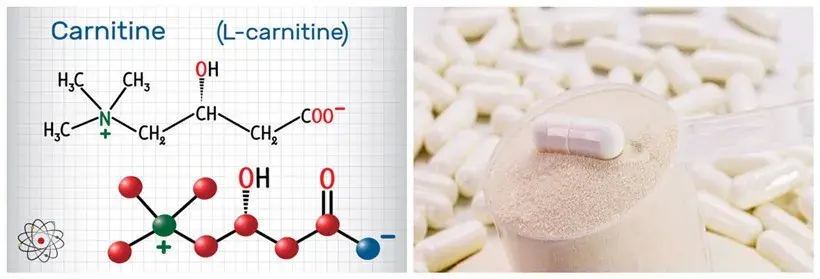
What Is L-Carnitine Powder and How Does It Support Fat Metabolism Naturally?
Understanding the Composition and Origin of L-Carnitine
The amino acids lysine and methionine are naturally made in the brain, liver, and kidneys of humans to make L-Carnitine. This quaternary ammonium compound was first found to help Tenebrio molitor grow. It was given the temporary name Vitamin Bt. It is now known that this compound is essential for cellular metabolism. Even though the body makes L-Carnitine on its own, foods like red meat and dairy products also add to bodily amounts. The CAS number 541-15-1 for the white crystalline L-Carnitine Powder form makes it useful for a wide range of applications, including pharmaceutical products, nutritional supplements, functional drinks, and feed additives.
The Biochemical Mechanism Behind Fat Oxidation
Moving fatty acids around is what L-Carnitine does for a living. Long-chain fatty acids can't cross the mitochondrial barrier on their own during fat oxidation. These fatty acids link to L-Carnitine, which makes acylcarnitine complexes that get through the mitochondrial barrier using the carnitine-acylcarnitine translocase system. Fatty acids go through beta-oxidation inside mitochondria, which makes adenosine triphosphate (ATP), which powers cellular functions. This transport system keeps fatty acids from building up in the cytoplasm and makes the best use of energy substrates, especially when exercising or cutting back on calories.
Natural Versus Synthetic L-Carnitine: Critical Distinctions for Procurement
People who work in procurement need to be able to tell the difference between natural and fake L-Carnitine. Natural L-Carnitine is more bioavailable than racemic mixes that contain D-carnitine isomers, which might mess up the breakdown of L-Carnitine. Synthetic production methods can produce DL-carnitine mixes that aren't good for medicinal use because they might compete with other drugs. High-purity L-Carnitine that is made under strict quality control and is approved by HALAL, ISO, USDA, HACCP, and FSSC22000 standards ensures that the body's metabolism works at its best and that all safety rules are followed. These certificates give producers in North America, Europe, and the Middle East peace of mind when they sell to regulated markets in those areas.
Key Benefits of L-Carnitine Powder for Fat Loss and Muscle Recovery
Scientific Evidence Supporting Fat Metabolism Enhancement
Clinical studies show that taking L-Carnitine Powder supplements can help the body burn more fat while exercising. Studies show that taking carnitine supplements along with exercise plans raises the amount of energy that comes from fat metabolism while keeping glycogen stores safe. This change in metabolism is especially helpful for making products for endurance athletes and people who want to lose weight. The compound's ability to help fatty acids move into mitochondria is especially useful when the body is low on energy, since using fat efficiently helps keep up physical performance.
Muscle Recovery and Exercise Performance Support
Besides helping the body burn fat, L-Carnitine also helps muscles heal in a number of other ways. According to research, supplements may lower signs of muscle damage caused by exercise and lower how sore muscles feel after high-intensity training. The compound's role in energy production helps ATP repair, which may keep you from getting tired after a long session of exercise. Formulators of sports nutrition products can make better goods if they understand these complex effects. Professional athletes and fitness fans who want all-around performance support will like these effects.
Additional Health Benefits and Safety Considerations
L-Carnitine is an antioxidant that may help protect cell structures from reactive stress that is created when the body's metabolism works hard. Endogenous carnitine production decreases with age, which shows how important it is as a dietary addition for all age groups. Safety profiles created by large-scale international studies show that L-Carnitine is a well-tolerated ingredient when used in the amounts that are suggested. Possible side effects are still very low and usually affect the digestive system. They happen most often when people take too much. Manufacturers can safely use this ingredient in products for a wide range of customers while still following established safety rules.
How to Use L-Carnitine Powder Effectively: Dosage, Timing, and Forms
Evidence-Based Dosage Guidelines for Different Applications
Dosage suggestions change based on the purpose of the application and the people who will be using it. Formulations for weight loss usually have 500 to 2000 mg per day, spread out over several doses to improve absorption and metabolic availability. Athletic performance goods may use similar ranges, but the time may be changed to support the supply of energy substrates before exercise. Formulation skills are needed for infant nutrition uses to make sure that the right amount of nutrients is given to help with growth without causing too much intake. When looking for different types of products, procurement managers need to think about these application-specific needs when judging the skills of suppliers and the regularity of batches.
Comparing Powder, Capsule, and Liquid Formulations
The white L-Carnitine Powder form has clear benefits for B2B customers who are making unique formulas. Powder gives you exact dosage options, makes it easy to mix with complementary ingredients, and works with a variety of delivery forms, such as drinks, sachets, and capsules. Capsules are convenient and offer uniform dosing, but they may not absorb as well as liquid or powder types that are taken in solution. Liquid versions are better for fast absorption, but they are harder to keep stable and cost more to make. Manufacturing teams must weigh these considerations against target market preferences and production infrastructure capabilities.
Practical Application Strategies for Product Development
For optimal usage, time and combination methods need to be thought through. Some research shows that eating 30 to 60 minutes before a run can help your body use fatty acids during workouts. Formulators can make products more appealing by making flavor-masking powder mixes that work with popular drink bases. Putting L-Carnitine together with elements that work well with it, like green tea extract, caffeine, or conjugated linoleic acid, may make the goods stand out in a crowded market. These preparation strategies are creative and meet the needs of customers who want complete metabolic support options.
Choosing the Right L-Carnitine Powder Supplier: Quality, Pricing, and Procurement Tips
Critical Quality Indicators and Certification Requirements
When evaluating a supplier, the first thing that is done is a check of their pharmaceutical-grade standards and full approval files. Manufacturers that sell their products all over the world need partners whose credentials are known around the world. These credentials include BRC, HALAL, KOSHER, and organic certifications. These certifications show that strict production rules, steps to stop contamination, and traceability systems are being followed, which is important for businesses that are controlled. Lab tests should be able to do things like purity analysis, heavy metal screening, microbial testing, and stability studies. Procurement teams can stay in line with regulations and make sure products always work well if suppliers show clear quality paperwork and proof of analysis for each batch.
For cost-effective purchase planning, it's important to understand how prices work around the world. When you buy L-Carnitine Powder in bulk, the unit costs change a lot, and savings of scale become clear when you order by the ton. Transparent suppliers use tiered price models that take into account the size of the order, the terms of payment, and the shipping schedule. In addition to base prices, procurement workers should look at the total cost of ownership, which includes things like freight costs, customs taxes, storage needs, and the cost of keeping inventory on hand. Using long-term relationship promises, guaranteed volume commitments, and flexible delivery dates in negotiations can help get better terms while keeping the supply chain stable.
Assessing Supplier Credibility and Support Infrastructure
For partnerships to work, both parties need to do a lot of research on each other's business skills, customer service standards, and technical help resources. Companies that have been around for a while and can do their own research and development, like those with over 100 workshop workers and a yearly production capacity of more than 1,000 tons, show that they are operationally mature enough to meet strict procurement needs. Distribution networks that reach over 280 places show that the company is good at logistics and can get into new markets. Other signs of credibility include customer reviews, the company's name in the industry, and relationships with research institutions. Product supply isn't the only thing that responsive technology support teams can help with, such as recipe problems, regulatory questions, and customization requests.
Comparison Guide: L-Carnitine Powder vs Alternative Fat Loss Solutions
L-Carnitine Variants: Acetyl L-Carnitine and L-Carnitine Tartrate
The family of carnitine derivatives has a number of different compounds with different qualities that are important for product positioning. Acetyl L-Carnitine (ALCAR) has better blood-brain barrier permeability, which makes it better for cognitive health uses besides metabolic support. When you mix carnitine with tartaric acid, you get L-Carnitine Tartrate, which is better for stability and absorption, which is what sports nutrition formulators want. Standard L-Carnitine Powder base is the most cost-effective way to target fat metabolism without making any other claims about its functions. When making a procurement decision, the version choice should be in line with what the target market wants, how the government wants to place the product, and the price point goals.
Powder Versus Liquid Formulations: Manufacturing Considerations
The powers of the production facilities affect the choice of the best formulation. For powder forms, you need dry mixing equipment, encapsulation equipment, or bag packing lines. These require less capital investment than facilities for making liquids. For liquid products to stay microbial-free during storage, they need special mixing tanks, clean filling lines, and preservative systems. Different types of end users have different tastes. For example, exercise fans like liquid shots because they are easier to use, while pharmaceutical users tend to prefer standard powder or pill forms. Manufacturers must balance production efficiencies against market demands when determining product portfolio composition.
Benchmarking Against Alternative Fat Loss Compounds
For market placement, you need to know what your competitors are doing and how they're doing it better than them. Caffeine can raise your body temperature and stimulate your nervous system, but it may also make you jittery and lead to tolerance. Green tea extract is good for you because it contains antioxidants and slightly speeds up your metabolism. Carnitine and conjugated linoleic acid both change body makeup, but they do so in different ways. L-Carnitine is different because it works as a basic metabolic integrator instead of a stimulant. This makes it appealing to people who want to support their bodies without the side effects of stimulants. This makes it possible to strategically place a product in weight control areas that are already full.
Conclusion
L-Carnitine Powder is a naturally occurring, scientifically proven ingredient that can help the metabolism. It has a lot of uses and possibilities in the nutraceutical, medicinal, and functional food industries. Because it is so important for moving fatty acids and making energy, makers can make claims about its effectiveness that are backed up by solid research. To make a purchase go smoothly, you need to find providers with high-quality standards for pharmaceuticals, full certifications, and strong technical support. When making strategic choices about formulation, taking into account dosage guidelines, delivery formats, and complementary ingredient combinations helps products stand out in competitive markets while still meeting real metabolic health needs of consumers.
FAQ
Is L-Carnitine Powder Safe for Long-Term Dietary Supplementation?
A lot of studies from around the world have shown that L-Carnitine Powder is safe to use as long as it is taken in the right amounts. It can be used in nutrition supplements, pharmaceutical formulas, and functional foods, according to regulatory bodies in more than one area. Long-term studies show that there aren't many bad effects. The most common problem mentioned is rare stomach pain, which usually happens when too much is taken.
What Dosage Should Manufacturers Consider for Bulk Formulation Applications?
Doses for formulations rely on what they are meant to do and the rules that guide each market. Weight loss products usually have between 500 mg and 2000 mg per serving, and sports nutrition items may use the same amounts. Expertise in infant feeding is needed to make sure that the baby gets the right kind of growth support. Technical teams with a lot of experience can help you find the best dosing strategies that meet legal requirements and standards for effectiveness.
Where Can Procurement Teams Source Pharmaceutical Grade L-Carnitine?
For pharmaceutical-grade materials to be supplied, their providers must have complete quality systems that are checked by foreign certifications. Manufacturers with ISO, BRC, HALAL, KOSHER, and FSSC22000 certifications show they are dedicated to quality control, preventing pollution, and following all regulations. A careful review of suppliers, looking at things like their production capabilities, testing procedures, and customer service systems, helps build strong relationships that support long-term procurement goals.
Partner with a Trusted L-Carnitine Powder Manufacturer
Avans NutriHealth Co., Ltd. is ready to help you reach your manufacturing goals by giving you high-quality L-Carnitine Powder that is made under the strictest quality controls. We have ISO 22000, HACCP, BRC, HALAL, KOSHER, and organic certificates for our plant. These make sure that we follow all international rules for pharmaceutical, nutraceutical, and food uses. With over 100 trained techs and a yearly production capacity of more than 1,000 tons, we keep a steady supply of inventory to meet your buying needs. Our full range of OEM and ODM services includes formulating new products, helping businesses follow regulations, creating unique packages, and letting you choose the minimum order quantity that works best for your business. Contact our technical team at Lillian@avansnutri.com to talk about your specific needs and find out how working with a dependable supplier can help your business's products and place them in the market.
References
1. Brass EP. "Supplemental Carnitine and Exercise." American Journal of Clinical Nutrition, 2000, 72(2): 618S-623S.
2. Fielding R, et al. "L-Carnitine Supplementation in Recovery after Exercise." Nutrients, 2018, 10(3): 349.
3. Karlic H, Lohninger A. "Supplementation of L-Carnitine in Athletes: Does It Make Sense?" Nutrition, 2004, 20(7-8): 709-715.
4. Rebouche CJ. "Kinetics, Pharmacokinetics, and Regulation of L-Carnitine and Acetyl-L-Carnitine Metabolism." Annals of the New York Academy of Sciences, 2004, 1033: 30-41.
5. Stephens FB, et al. "New Insights Concerning the Role of Carnitine in the Regulation of Fuel Metabolism in Skeletal Muscle." Journal of Physiology, 2007, 581(2): 431-444.
6. Wall BT, et al. "Chronic Oral Ingestion of L-Carnitine and Carbohydrate Increases Muscle Carnitine Content and Alters Muscle Fuel Metabolism During Exercise in Humans." Journal of Physiology, 2011, 589(4): 963-973.