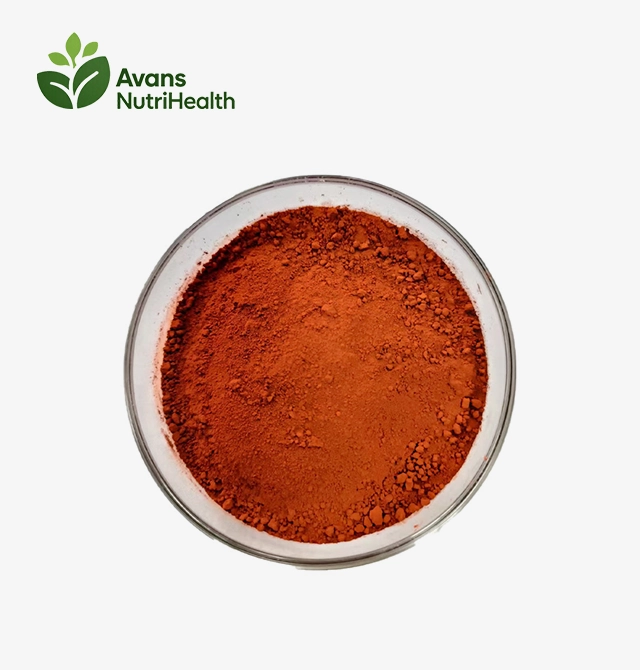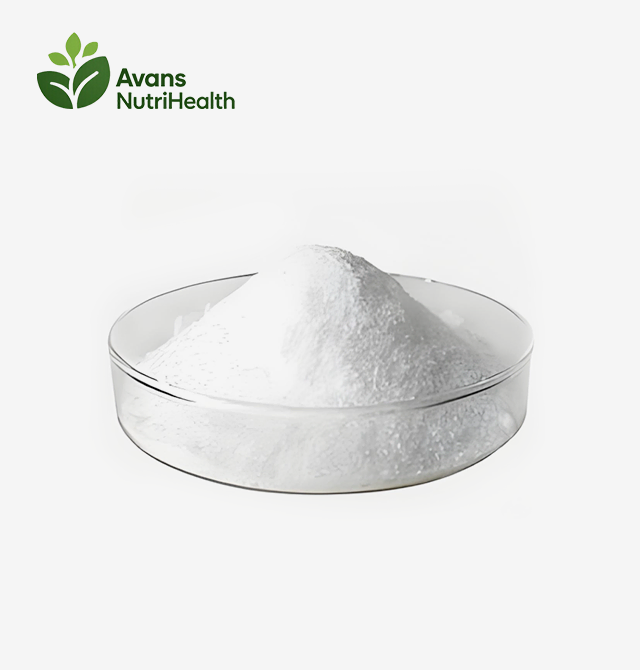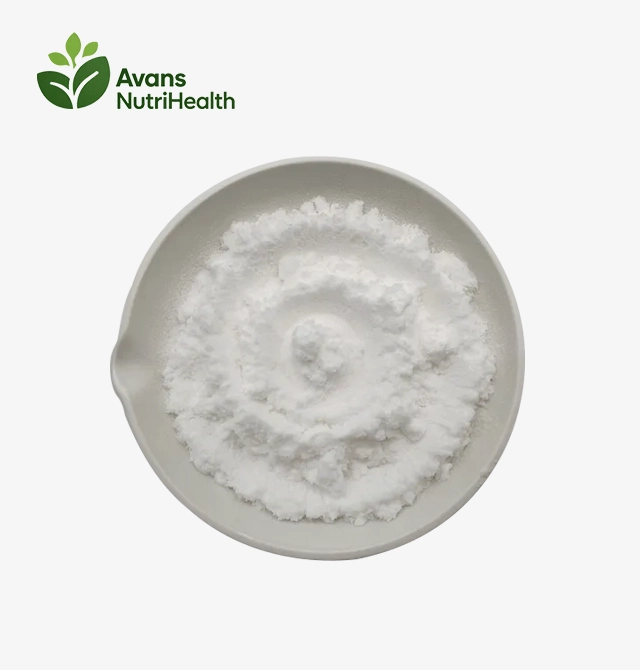




Why Choose Berberine Hydrochloride Powder for Nutraceutical Formulas?
In the ever-evolving landscape of nutraceutical formulations, Berberine Hydrochloride powder has emerged as a powerhouse ingredient, captivating the attention of formulators and health-conscious consumers alike. This natural compound, derived from various plants, particularly those in the Berberis genus, offers a unique blend of therapeutic properties that make it an ideal choice for modern health supplements. With its rich history in traditional medicine and growing scientific backing, Berberine HCl powder is revolutionizing the approach to metabolic health, weight management, and overall wellness. Its versatility in formulation, coupled with its proven efficacy, positions Berberine Hydrochloride powder as a key player in the nutraceutical industry. This blog explores the compelling reasons why Berberine HCl powder is becoming an indispensable component in cutting-edge nutraceutical formulas, addressing everything from its metabolic benefits to its market appeal.
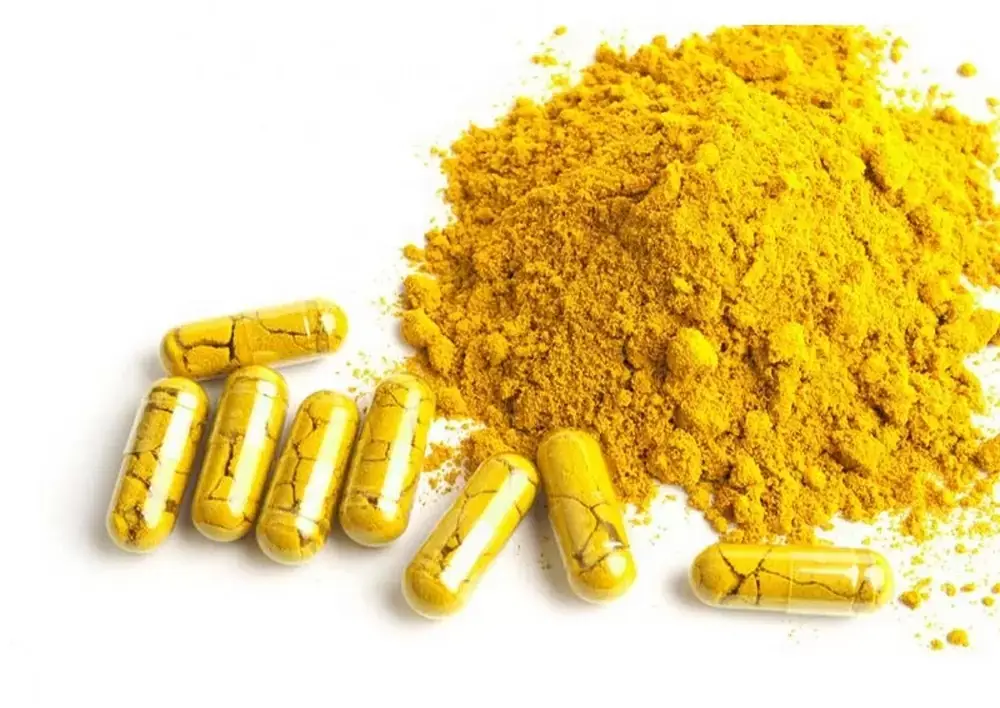
Proven Metabolic Benefits – How Berberine Hydrochloride Powder Supports Blood Sugar, Insulin Sensitivity & Lipids
Blood Sugar Regulation
Berberine Hydrochloride powder has demonstrated remarkable efficacy in regulating blood sugar levels, making it a valuable asset in nutraceutical formulas targeting metabolic health. Research indicates that Berberine HCl activates an enzyme called AMP-activated protein kinase (AMPK), often referred to as a "metabolic master switch." This activation enhances glucose uptake in cells, effectively lowering blood sugar levels. Moreover, Berberine Hydrochloride powder has been shown to reduce glucose production in the liver, further contributing to blood sugar control. These properties make it particularly beneficial for individuals with type 2 diabetes or those at risk of developing the condition. The ability of Berberine HCl powder to support healthy blood sugar levels naturally and effectively sets it apart as a key ingredient in metabolic health formulations.
Improved Insulin Sensitivity
One of the most significant advantages of incorporating Berberine Hydrochloride powder into nutraceutical formulas is its ability to enhance insulin sensitivity. Insulin resistance is a common precursor to type 2 diabetes and metabolic syndrome, making it a critical target for preventive health products. Berberine HCl powder works by increasing the expression of insulin receptors, thereby improving the body's response to insulin. This enhanced sensitivity allows cells to more effectively utilize glucose, reducing the strain on the pancreas to produce excess insulin. Additionally, Berberine Hydrochloride powder has been shown to mimic the action of insulin in certain pathways, providing a dual approach to managing insulin sensitivity. By addressing this fundamental aspect of metabolic health, Berberine HCl powder offers formulators a powerful tool in developing comprehensive solutions for metabolic wellness.
Lipid Profile Optimization
Beyond its effects on blood sugar and insulin sensitivity, Berberine Hydrochloride powder exhibits remarkable benefits in optimizing lipid profiles. This multi-faceted approach to metabolic health makes it an invaluable component in nutraceutical formulas aimed at comprehensive cardiovascular support. Studies have shown that Berberine HCl can significantly reduce total cholesterol, LDL cholesterol (often referred to as "bad" cholesterol), and triglyceride levels while increasing HDL cholesterol (known as "good" cholesterol). The mechanism behind these lipid-lowering effects involves Berberine's ability to inhibit an enzyme called PCSK9, which plays a role in regulating LDL receptor turnover. By incorporating Berberine Hydrochloride powder into their formulas, nutraceutical manufacturers can offer products that address multiple aspects of cardiovascular health, providing consumers with a holistic approach to maintaining healthy lipid levels and overall metabolic function.
Formulation Versatility – Bulk Powder, High Purity & Compatibility with Capsules, Tablets, Beverages and Functional Foods
Bulk Powder Advantages
The availability of Berberine Hydrochloride in bulk powder form offers significant advantages for nutraceutical formulators. This format provides unparalleled flexibility in product development, allowing manufacturers to precisely control dosage and easily incorporate Berberine HCl into various formulations. The powder form ensures uniform distribution within mixtures, leading to consistent potency across batches. Additionally, bulk Berberine Hydrochloride powder is cost-effective for large-scale production, enabling manufacturers to optimize their formulations without compromising on quality or efficacy. The stability of Berberine HCl powder under various storage conditions further enhances its appeal, ensuring that the active compound remains potent throughout the product's shelf life. This versatility makes Berberine Hydrochloride powder an ideal choice for nutraceutical companies looking to innovate and expand their product lines efficiently.
High Purity and Quality Assurance
When it comes to nutraceutical formulations, the purity and quality of ingredients are paramount. Berberine Hydrochloride powder stands out in this regard, with many suppliers offering high-purity products that meet stringent quality standards. For instance, Berberine HCl powder with a purity of 97% or higher is readily available, ensuring that formulators can deliver potent and effective products to consumers. This high level of purity is achieved through advanced extraction and purification processes, minimizing the presence of impurities or contaminants. Furthermore, reputable suppliers of Berberine Hydrochloride powder often provide comprehensive certificates of analysis, including ISO, USDA, HACCP, FSSC22000, and HALAL certifications. These quality assurances not only guarantee the safety and efficacy of the ingredient but also facilitate compliance with regulatory requirements, making Berberine HCl powder an attractive option for nutraceutical manufacturers aiming for excellence in their formulations.
Compatibility with Various Delivery Systems
One of the key strengths of Berberine Hydrochloride powder in nutraceutical formulations is its remarkable compatibility with a wide range of delivery systems. This versatility allows manufacturers to incorporate Berberine HCl into diverse product formats, catering to different consumer preferences and needs. In capsule form, Berberine Hydrochloride powder can be easily encapsulated alone or combined with other complementary ingredients to create targeted health solutions. For tablet formulations, the powder's properties make it suitable for direct compression or granulation methods, ensuring stable and uniform dosage forms. Beyond traditional supplements, Berberine HCl powder's solubility characteristics enable its integration into liquid formulations, opening up possibilities for functional beverages and liquid supplements. Moreover, its stability in various pH conditions and temperatures allows for incorporation into functional foods, expanding the potential applications of Berberine Hydrochloride in the nutraceutical market and offering consumers more options for incorporating this beneficial compound into their daily routines.
Clean‑Label and Market Demand Trends – Plant‑Derived, GMP Bulk Ingredient Driving Growth in Preventive & Wellness Nutraceuticals
Growing Consumer Demand for Natural Solutions
The nutraceutical industry is witnessing a significant shift towards clean-label, plant-derived ingredients, and Berberine Hydrochloride powder perfectly aligns with this trend. As a natural compound extracted from plants, Berberine HCl appeals to consumers seeking alternatives to synthetic supplements. This alignment with the clean-label movement positions Berberine Hydrochloride powder as a premium ingredient in the eyes of health-conscious consumers. The growing awareness of the benefits of plant-based supplements, coupled with an increased focus on preventive health measures, has led to a surge in demand for ingredients like Berberine HCl. Nutraceutical companies incorporating Berberine Hydrochloride powder into their formulations can tap into this market trend, offering products that resonate with consumers' preferences for natural, efficacious health solutions. The plant-derived nature of Berberine HCl also supports sustainability narratives, further enhancing its appeal in an increasingly eco-conscious market.
Regulatory Compliance and Quality Standards
In the highly regulated nutraceutical industry, compliance with quality standards and regulatory requirements is crucial. Berberine Hydrochloride powder, when sourced from reputable suppliers, often comes with an array of certifications that demonstrate its quality and safety. These may include Good Manufacturing Practice (GMP) compliance, ISO certifications, and specific regional approvals like USDA organic certification. The availability of Berberine HCl as a GMP-certified bulk ingredient simplifies the regulatory process for nutraceutical manufacturers, ensuring that their products meet the stringent quality standards required by health authorities worldwide. Additionally, the well-documented safety profile of Berberine Hydrochloride powder, supported by numerous clinical studies, provides manufacturers with confidence in its use across various formulations. This regulatory clarity and quality assurance make Berberine HCl an attractive option for companies looking to develop new products or reformulate existing ones to meet evolving regulatory standards and consumer expectations.
Market Growth and Innovation Opportunities
The inclusion of Berberine Hydrochloride powder in nutraceutical formulas opens up significant market growth and innovation opportunities. As consumer awareness of metabolic health and its impact on overall wellness grows, the demand for effective, natural solutions is skyrocketing. Berberine HCl's proven benefits in supporting blood sugar regulation, lipid management, and weight control position it as a key ingredient in the burgeoning preventive health and wellness sector. This presents nutraceutical companies with the opportunity to develop targeted formulations addressing specific health concerns, from diabetes management to cardiovascular health support. Furthermore, the versatility of Berberine Hydrochloride powder allows for innovative product formats beyond traditional capsules and tablets, such as functional foods and beverages. This adaptability enables manufacturers to differentiate their offerings in a competitive market, catering to diverse consumer preferences and lifestyle needs. As research continues to uncover new potential applications for Berberine HCl, the ingredient's market value is expected to grow, offering long-term opportunities for nutraceutical brands to expand their product lines and capture new market segments.
Conclusion
Berberine Hydrochloride powder stands out as a versatile, effective, and increasingly popular ingredient in the nutraceutical industry. Its proven metabolic benefits, formulation versatility, and alignment with clean-label trends make it an invaluable component in modern health supplements. As consumer demand for natural, science-backed solutions continues to grow, Berberine HCl offers nutraceutical manufacturers a powerful tool to address various health concerns, from blood sugar management to cardiovascular support. With its high purity, regulatory compliance, and potential for innovation, Berberine Hydrochloride powder is poised to play a crucial role in shaping the future of preventive and wellness-focused nutraceuticals.
For high-quality Berberine Hydrochloride powder and expert formulation support, consider partnering with Avans NutriHealth Co., Ltd. As a leading manufacturer and supplier of plant extracts and nutritional supplements in China, Avans is committed to delivering premium ingredients backed by comprehensive technological support and exceptional service. With state-of-the-art R&D capabilities, stringent quality control measures, and a wide range of certifications including ISO, USDA, HACCP, FSSC22000, and HALAL, Avans ensures the highest standards of product quality and safety. Their dedicated team of experts works closely with clients to provide personalized solutions tailored to specific requirements. For more information or to discuss your nutraceutical formulation needs, contact Avans NutriHealth at Lillian@avansnutri.com.
FAQ
Q: What is the recommended dosage of Berberine Hydrochloride powder in nutraceutical formulas?
A: Typical dosages range from 500mg to 1500mg per day, divided into 2-3 doses. However, exact dosages should be determined based on specific formulation goals and target audience.
Q: Is Berberine Hydrochloride powder safe for long-term use?
A: Generally, Berberine HCl is considered safe for long-term use when taken as directed. However, it's always recommended to consult with a healthcare professional for personalized advice.
Q: Can Berberine Hydrochloride powder be combined with other ingredients in nutraceutical formulas?
A: Yes, Berberine HCl is often combined with other ingredients like alpha-lipoic acid, chromium, or cinnamon extract to enhance its metabolic benefits.
Q: How stable is Berberine Hydrochloride powder in different formulations?
A: Berberine HCl powder is generally stable in various formulations, including capsules, tablets, and beverages. Proper storage conditions should be maintained to ensure long-term stability.
Q: Are there any known interactions between Berberine Hydrochloride powder and medications?
A: Berberine may interact with certain medications, particularly those metabolized by the liver. It's important to advise consumers to consult with a healthcare provider before use, especially if they are on medication.
References
1. Zhang, Y., et al. (2018). "Berberine in metabolic diseases: From drug target to pharmacological effects." Acta Pharmaceutica Sinica B, 8(4), 548-562.
2. Neag, M.A., et al. (2018). "Berberine: Botanical Occurrence, Traditional Uses, Extraction Methods, and Relevance in Cardiovascular, Metabolic, Hepatic, and Renal Disorders." Frontiers in Pharmacology, 9, 557.
3. Cicero, A.F., & Baggioni, A. (2016). "Berberine and Its Role in Chronic Disease." Advances in Experimental Medicine and Biology, 928, 27-45.
4. Xu, J.H., et al. (2017). "Berberine protects against diet-induced obesity through regulating metabolic endotoxemia and gut hormone levels." Molecular Medicine Reports, 16(4), 5385-5391.
5. Lan, J., et al. (2015). "Meta-analysis of the effect and safety of berberine in the treatment of type 2 diabetes mellitus, hyperlipemia and hypertension." Journal of Ethnopharmacology, 161, 69-81.
6. Imenshahidi, M., & Hosseinzadeh, H. (2019). "Berberine and barberry (Berberis vulgaris): A clinical review." Phytotherapy Research, 33(3), 504-523.