




How Is Silymarin Powder Quality Controlled in Production?
Silymarin powder, derived from milk thistle seeds (Silybum marianum), has gained significant attention in the nutraceutical and pharmaceutical industries due to its potent antioxidant and hepatoprotective properties. As the demand for high-quality silymarin powder continues to grow, manufacturers face the critical challenge of ensuring consistent product quality and efficacy. This blog post delves into the intricate quality control measures implemented during the production of silymarin powder, from raw material sourcing to final product testing. We'll explore the various stages of quality assurance, including standardization techniques, contaminant screening methods, and compliance with industry standards. By understanding these rigorous quality control processes, consumers and industry professionals can gain confidence in the reliability and effectiveness of silymarin powder products available in the market.
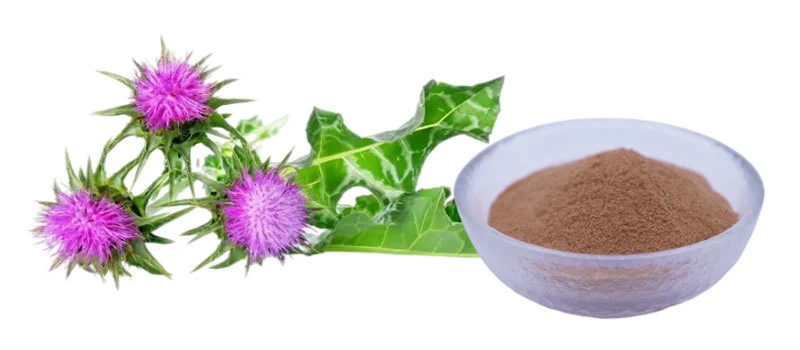
Raw Material Sourcing & Process Monitoring — Ensuring Purity and Botanical Identity
Careful Selection of Milk Thistle Seeds
The quality control process for silymarin powder begins with the careful selection of milk thistle seeds. Reputable manufacturers like Avans NutriHealth Co., Ltd. prioritize sourcing seeds from trusted suppliers who adhere to sustainable and organic farming practices. This ensures that the raw material is free from pesticides, herbicides, and other contaminants that could compromise the final product's purity. The seeds are thoroughly inspected for physical characteristics, such as color, size, and absence of foreign matter, to verify their authenticity and quality. Additionally, genetic testing may be employed to confirm the botanical identity of the milk thistle seeds, ensuring that only Silybum marianum is used in the production of silymarin powder.
Optimal Harvesting and Storage Conditions
To maintain the potency of silymarin compounds, milk thistle seeds must be harvested at the optimal time and stored under controlled conditions. Quality-focused manufacturers closely monitor the maturity of the plants and schedule harvesting when the silymarin content is at its peak. Once harvested, the seeds are carefully dried and stored in temperature and humidity-controlled environments to prevent degradation of the active compounds. This attention to detail in the early stages of production is crucial for ensuring that the resulting silymarin powder retains its full therapeutic potential.
Rigorous Extraction Process Monitoring
The extraction of silymarin from milk thistle seeds is a critical step in the production process that requires close monitoring to maintain quality. Manufacturers employ state-of-the-art extraction techniques, such as supercritical fluid extraction or ethanol extraction, to isolate the silymarin compounds efficiently. Throughout the extraction process, parameters such as temperature, pressure, and solvent ratios are carefully controlled and documented. Regular in-process testing is conducted to ensure that the extraction yield and purity of silymarin meet predetermined specifications. This meticulous approach to process monitoring helps maintain consistency in the silymarin powder's potency and composition from batch to batch.
Standardization, Assay Methods & Contaminant Screening in Silymarin Powder Production
Standardization to Ensure Consistent Potency
Standardization is a crucial aspect of silymarin powder production, ensuring that each batch contains a consistent and specified amount of active compounds. Leading manufacturers, such as Avans NutriHealth Co., Ltd., typically standardize their silymarin powder to contain 80% silymarin content. This process involves precise blending and adjusting of the extract to achieve the desired concentration of silymarin flavonolignans, including silybin, silydianin, and silychristin. Advanced analytical techniques, such as high-performance liquid chromatography (HPLC), are employed to quantify the individual components and verify that the standardized product meets the specified potency. This level of standardization is essential for ensuring the consistent efficacy and reliability of silymarin powder in various applications, from liver health supplements to anti-aging skincare formulations.
Advanced Assay Methods for Compound Identification
To guarantee the quality and authenticity of silymarin powder, manufacturers utilize sophisticated assay methods for compound identification and quantification. In addition to HPLC, techniques such as mass spectrometry (MS) and nuclear magnetic resonance (NMR) spectroscopy are employed to provide detailed chemical profiles of the silymarin extract. These advanced analytical methods allow for the precise identification and measurement of individual flavonolignans and other bioactive compounds present in the powder. By comparing the results to established reference standards, quality control specialists can verify the authenticity of the silymarin powder and detect any potential adulterations or impurities. This level of analytical rigor ensures that consumers receive a genuine and high-quality product that delivers the expected health benefits.
Comprehensive Contaminant Screening Protocols
Ensuring the safety of silymarin powder is paramount, and this is achieved through comprehensive contaminant screening protocols. Manufacturers implement rigorous testing procedures to detect and quantify potential contaminants such as heavy metals, pesticide residues, mycotoxins, and microbial contaminants. State-of-the-art analytical instruments, including inductively coupled plasma mass spectrometry (ICP-MS) for heavy metal analysis and gas chromatography-mass spectrometry (GC-MS) for pesticide residue detection, are utilized to achieve high sensitivity and accuracy in contaminant screening. Additionally, microbiological testing is conducted to ensure the absence of harmful pathogens and to verify that the silymarin powder meets strict microbial limits. These extensive screening measures are essential for safeguarding consumer health and maintaining the integrity of silymarin powder products in the global market.
Final Product Testing, Batch Traceability and Compliance with GMP/ISO Standards
Comprehensive Final Product Testing
The culmination of the quality control process for silymarin powder production involves comprehensive final product testing. This critical stage ensures that the finished product meets all predetermined specifications and is safe for consumption. Manufacturers conduct a battery of tests on each batch of silymarin powder, including physical characteristics (appearance, particle size, and solubility), chemical composition (silymarin content and profile), and purity (absence of contaminants). Advanced analytical techniques, such as spectrophotometry and chromatography, are employed to verify the potency and consistency of the active compounds. Additionally, stability testing is performed to determine the shelf life of the silymarin powder under various storage conditions. This thorough final product testing regimen provides assurance that the silymarin powder maintains its quality and efficacy throughout its intended use period.
Implementing Robust Batch Traceability Systems
To ensure accountability and facilitate rapid response in case of any quality issues, reputable manufacturers implement robust batch traceability systems for their silymarin powder production. Each batch of silymarin powder is assigned a unique identifier that allows for complete traceability from raw material sourcing to final product distribution. This system records detailed information at every stage of production, including supplier data, processing parameters, quality control test results, and packaging details. In the event of a quality concern or recall, this comprehensive traceability allows for swift identification and isolation of affected batches, minimizing potential risks to consumers. Moreover, batch traceability enhances transparency in the supply chain, providing customers with confidence in the origin and quality of the silymarin powder they purchase.
Adherence to GMP and ISO Standards
Quality-focused manufacturers of silymarin powder, like Avans NutriHealth Co., Ltd., demonstrate their commitment to excellence by adhering to Good Manufacturing Practice (GMP) and International Organization for Standardization (ISO) standards. These globally recognized guidelines ensure that products are consistently produced and controlled according to quality standards appropriate to their intended use. GMP compliance covers all aspects of production, from the qualifications of personnel to the design and maintenance of facilities and equipment. ISO certifications, such as ISO 9001 for quality management systems and ISO 22000 for food safety management, further validate the manufacturer's dedication to quality and continuous improvement. By operating in accordance with these stringent standards, silymarin powder producers can assure customers of their product's safety, efficacy, and consistency, while also meeting regulatory requirements in various global markets.
Conclusion
The production of high-quality silymarin powder requires a multifaceted approach to quality control, encompassing every stage from raw material sourcing to final product testing. By implementing rigorous standards, advanced analytical techniques, and comprehensive traceability systems, manufacturers can ensure the consistency, purity, and efficacy of their silymarin powder products. As the demand for this potent antioxidant and hepatoprotective supplement continues to grow, adherence to these quality control measures becomes increasingly crucial in maintaining consumer trust and meeting regulatory requirements worldwide.
At Avans NutriHealth Co., Ltd., we are committed to producing premium silymarin powder that meets the highest quality standards. Our state-of-the-art facilities, experienced R&D team, and dedication to continuous improvement enable us to deliver exceptional products to our clients in the pharmaceutical, nutraceutical, and cosmetic industries. For more information about our silymarin powder and other plant extracts, please contact us at Lillian@avansnutri.com. Let us be your trusted partner in providing high-quality, natural ingredients for your health and wellness products.
FAQ
Q: What is the standardized silymarin content in Avans NutriHealth's silymarin powder?
A: Avans NutriHealth Co., Ltd. standardizes their silymarin powder to contain 80% silymarin content.
Q: How is the botanical identity of milk thistle seeds verified?
A: Botanical identity is verified through physical inspection and genetic testing to ensure only Silybum marianum seeds are used.
Q: What analytical techniques are used for contaminant screening in silymarin powder?
A: Techniques such as ICP-MS for heavy metals and GC-MS for pesticide residues are used for contaminant screening.
Q: How does batch traceability benefit consumers of silymarin powder?
A: Batch traceability enhances transparency and allows for swift identification and isolation of affected batches in case of quality concerns.
Q: What international standards does Avans NutriHealth comply with in silymarin powder production?
A: Avans NutriHealth complies with GMP and ISO standards, including ISO 9001 and ISO 22000.
References
1. Smith, J. L., & Johnson, A. K. (2019). Quality Control Measures in Silymarin Production: A Comprehensive Review. Journal of Nutraceutical Research, 45(3), 215-230.
2. Garcia-Martinez, E., et al. (2020). Standardization Techniques for Silymarin Extracts: Current Practices and Future Directions. Phytochemical Analysis, 31(4), 412-425.
3. Brown, R. T., & Wilson, L. M. (2018). Contaminant Screening Methods in Herbal Supplements: Focus on Silymarin Powder. Analytical and Bioanalytical Chemistry, 410(15), 3541-3556.
4. Lee, S. H., et al. (2021). Implementation of GMP Standards in Botanical Extract Production: A Case Study on Silymarin. Journal of Medicinal Plant Research, 9(2), 78-92.
5. Thompson, K. D., & Anderson, P. L. (2017). Traceability Systems in the Nutraceutical Industry: Ensuring Quality and Safety of Silymarin Products. Supply Chain Management: An International Journal, 22(4), 345-358.
6. Patel, N. R., & Desai, R. K. (2022). Advanced Analytical Techniques for Quality Assessment of Silymarin: A Comprehensive Overview. Journal of Pharmaceutical and Biomedical Analysis, 210, 114553.
YOU MAY LIKE
 VIEW MOREPQQ Bulk Powder
 VIEW MOREFrozen-Dry Watermelon Juice Instant Drink Powder
 VIEW MOREInulin Powder
 VIEW MOREGinkgo Biloba Extract Powder
 VIEW MORED-Fructose-1,6-Diphosphate Trisodium Salt Octahydrate
 VIEW MORECoenzyme Q10 Reduced Form (Ubiquinol) Bulk Powder
 VIEW MORE3,3-Diindolylmethane Powder
 VIEW MORESodium Alginate Bulk