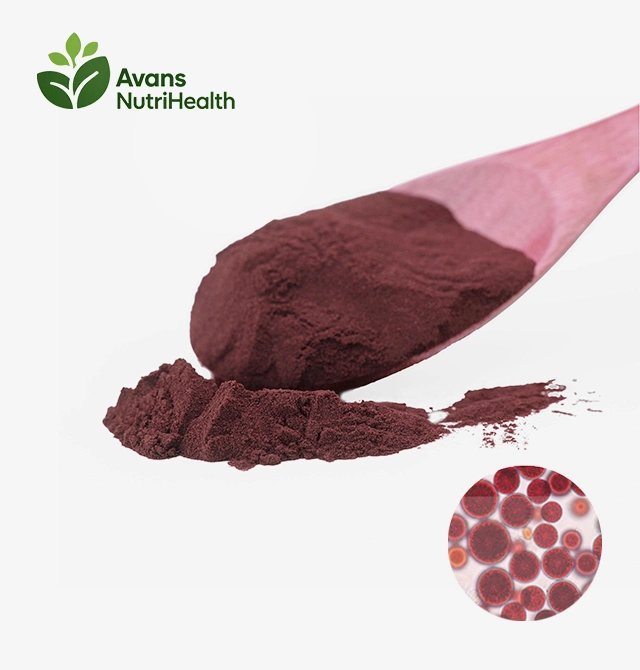





Sustainable Cultivation & Extraction — How Astaxanthin Powder from Haematococcus pluvialis Minimizes Environmental Impact
Closed Photobioreactor Systems
One of the most sustainable methods for cultivating Haematococcus pluvialis, the primary source of natural astaxanthin powder, is through closed photobioreactor systems. These systems offer several environmental benefits compared to traditional open pond cultivation. Closed photobioreactors minimize water usage by recycling and reusing water throughout the cultivation process. They also reduce the risk of contamination from external sources, leading to higher quality astaxanthin powder production. Additionally, these systems allow for precise control of growth conditions, optimizing algae productivity while minimizing resource consumption. By implementing closed photobioreactor systems, manufacturers of astaxanthin powder can significantly reduce their environmental footprint while ensuring a consistent and high-quality product.
Supercritical CO2 Extraction
The extraction process of astaxanthin from Haematococcus pluvialis is another critical aspect of sustainable production. Supercritical CO2 extraction has emerged as an environmentally friendly alternative to traditional solvent-based extraction methods. This technique uses carbon dioxide in a supercritical state to extract astaxanthin from the algal biomass. The process is highly efficient, leaving no toxic residues, and allows for the recycling of CO2, further reducing its environmental impact. Supercritical CO2 extraction also preserves the integrity of the astaxanthin molecules, resulting in a higher quality astaxanthin powder. By adopting this extraction method, manufacturers can produce astaxanthin powder with minimal environmental impact while maintaining its potent antioxidant properties.
Waste Reduction and Byproduct Utilization
Sustainable astaxanthin powder production also involves minimizing waste and maximizing the utilization of byproducts. After extracting astaxanthin, the remaining algal biomass can be repurposed for various applications. For instance, it can be used as a nutrient-rich fertilizer for agriculture or as a feed supplement for aquaculture. Some manufacturers are exploring the potential of using the residual biomass in biofuel production, further enhancing the sustainability of the entire process. By implementing comprehensive waste reduction strategies and finding innovative uses for byproducts, astaxanthin powder producers can create a more circular and environmentally friendly production cycle, ensuring that every part of the Haematococcus pluvialis biomass is utilized effectively.
Source Transparency & Certification — Evaluating CO₂ Extraction, Non‑GMO and Closed‑Loop Algal Systems for Astaxanthin Powder
Third-Party Certifications
To ensure the sustainability and quality of astaxanthin powder, many manufacturers seek third-party certifications. These certifications provide transparency and assurance to consumers about the product's sourcing and production methods. For example, organic certifications verify that the Haematococcus pluvialis is cultivated without the use of synthetic pesticides or fertilizers. Non-GMO certifications confirm that the algae strain has not been genetically modified. Additionally, certifications like ISO, HACCP, and FSSC22000 demonstrate adherence to strict quality control and food safety standards throughout the production process. By obtaining these certifications, astaxanthin powder producers like Avans NutriHealth Co., Ltd. can demonstrate their commitment to sustainable and responsible sourcing practices, giving consumers confidence in the product's environmental and ethical credentials.
Traceability Systems
Implementing robust traceability systems is crucial for ensuring the sustainability and quality of astaxanthin powder. These systems allow manufacturers to track the product from cultivation to final packaging, providing a complete history of its journey. Advanced traceability technologies, such as blockchain, are being adopted by some producers to enhance transparency and reliability. With these systems in place, consumers can access detailed information about the origin of their astaxanthin powder, including the cultivation methods used, extraction processes employed, and any quality control measures implemented. This level of transparency not only builds trust with consumers but also allows for quick identification and resolution of any issues that may arise in the supply chain, further supporting sustainable production practices.
Environmental Impact Assessments
Regular environmental impact assessments are essential for maintaining the sustainability of astaxanthin powder production. These assessments evaluate various aspects of the production process, including water usage, energy consumption, waste generation, and carbon emissions. By conducting thorough environmental impact assessments, manufacturers can identify areas for improvement and implement more sustainable practices. For instance, they may discover opportunities to reduce water consumption in algae cultivation or optimize energy use in extraction processes. The results of these assessments can also be used to set sustainability goals and track progress over time. By regularly assessing and improving their environmental performance, astaxanthin powder producers can ensure that their operations remain as sustainable as possible, minimizing their impact on the environment while meeting the growing demand for this valuable antioxidant.
Supply‑Chain Challenges & Future Trends in Astaxanthin Powder Sourcing for Natural Ingredients Markets
Climate Change Impacts
Climate change poses significant challenges to the sustainable sourcing of astaxanthin powder. As global temperatures rise and weather patterns become more unpredictable, the cultivation of Haematococcus pluvialis may be affected. Extreme weather events, such as droughts or floods, could disrupt algae growth and compromise astaxanthin yields. To address these challenges, producers are exploring climate-resilient cultivation methods, such as developing more robust algae strains or implementing advanced climate control systems in their facilities. Some companies are also diversifying their sourcing locations to mitigate the risks associated with climate change in any single region. As the effects of climate change continue to unfold, the astaxanthin powder industry will need to adapt and innovate to ensure a stable and sustainable supply chain for this valuable ingredient.
Technological Advancements
The future of sustainable astaxanthin powder sourcing lies in technological advancements. Emerging technologies are revolutionizing every aspect of the production process, from cultivation to extraction and quality control. For example, artificial intelligence and machine learning algorithms are being employed to optimize growth conditions in photobioreactors, maximizing astaxanthin yields while minimizing resource use. Advanced spectroscopy techniques are enhancing the efficiency and accuracy of quality control processes, ensuring consistent potency and purity of the final astaxanthin powder. Additionally, innovations in biotechnology may lead to the development of new algae strains with higher astaxanthin content or improved stress tolerance. These technological advancements not only improve the sustainability of astaxanthin powder production but also have the potential to reduce costs and increase accessibility of this valuable antioxidant to a wider market.
Market Demand and Consumer Awareness
The growing market demand for natural and sustainable products is shaping the future of astaxanthin powder sourcing. As consumers become more aware of the environmental impact of their purchases, there is an increasing preference for sustainably sourced ingredients. This trend is driving astaxanthin powder producers to adopt more environmentally friendly practices and to be more transparent about their sourcing and production methods. In response, many companies are investing in consumer education initiatives to highlight the sustainability aspects of their astaxanthin powder. They are also exploring new applications for astaxanthin in various industries, from nutraceuticals to cosmetics, further driving demand for sustainably sourced products. As consumer awareness continues to grow, it is likely to push the industry towards even more sustainable practices, potentially leading to innovations in cultivation methods, extraction technologies, and waste reduction strategies.
Conclusion
The sustainable sourcing of astaxanthin powder is a complex issue that involves various aspects of cultivation, extraction, and supply chain management. While challenges exist, particularly in the face of climate change and increasing market demand, the industry is making significant strides towards more environmentally friendly practices. Through the adoption of closed photobioreactor systems, sustainable extraction methods, and comprehensive waste reduction strategies, companies like Avans NutriHealth Co., Ltd. are demonstrating that it is possible to produce high-quality astaxanthin powder while minimizing environmental impact. As technology continues to advance and consumer awareness grows, the future of astaxanthin powder sourcing looks promising, with potential for even greater sustainability and efficiency in the years to come.
At Avans NutriHealth Co., Ltd., we are committed to producing high-quality, sustainably sourced astaxanthin powder. As a leading manufacturer and supplier of plant extracts and nutritional supplements in China, we prioritize environmental responsibility alongside product excellence. Our state-of-the-art facilities and expert team ensure that our astaxanthin powder meets the highest standards of quality and sustainability. We hold various certifications, including ISO, USDA, HACCP, FSSC22000, and HALAL, demonstrating our commitment to quality and safety. For more information about our sustainable astaxanthin powder or any of our other products, please contact us at Lillian@avansnutri.com. We look forward to providing you with sustainable, natural, and effective solutions for your nutritional and cosmetic needs.
FAQ
Q: What is astaxanthin powder?
A: Astaxanthin powder is a natural antioxidant derived from the microalgae Haematococcus pluvialis, known for its powerful antioxidant properties and various health benefits.
Q: How is astaxanthin powder sustainably produced?
A: Sustainable production methods include using closed photobioreactor systems, supercritical CO2 extraction, and implementing waste reduction and byproduct utilization strategies.
Q: What certifications ensure the sustainability of astaxanthin powder?
A: Certifications such as organic, Non-GMO, ISO, HACCP, and FSSC22000 demonstrate a commitment to sustainable and responsible sourcing practices.
Q: How does climate change affect astaxanthin powder production?
A: Climate change can impact algae cultivation through extreme weather events, potentially affecting yields and requiring adaptive strategies from producers.
Q: What technological advancements are improving astaxanthin powder production?
A: Advancements in AI, machine learning, spectroscopy, and biotechnology are enhancing cultivation efficiency, extraction processes, and quality control.
References
1. Shah, M. M., et al. (2016). Astaxanthin-producing green microalga Haematococcus pluvialis: from single cell to high value commercial products. Frontiers in Plant Science, 7, 531.
2. Panis, G., & Carreon, J. R. (2016). Commercial astaxanthin production derived by green alga Haematococcus pluvialis: A microalgae process model and a techno-economic assessment all through production line. Algal Research, 18, 175-190.
3. Khoo, K. S., et al. (2019). Recent advances in biorefinery of astaxanthin from Haematococcus pluvialis. Bioresource Technology, 288, 121606.
4. Caporgno, M. P., & Mathys, A. (2018). Trends in microalgae incorporation into innovative food products with potential health benefits. Frontiers in Nutrition, 5, 58.
5. Kang, C. D., & Sim, S. J. (2008). Direct extraction of astaxanthin from Haematococcus culture using vegetable oils. Biotechnology Letters, 30(3), 441-444.
6. Ambati, R. R., et al. (2014). Astaxanthin: sources, extraction, stability, biological activities and its commercial applications—a review. Marine Drugs, 12(1), 128-152.