



China produces the most astaxanthin powder because to its superior microalgae farming, low costs, and quality certificates. China's Avans NutriHealth makes pharmaceutical-grade astaxanthin powder from Haematococcus pluvialis at 3% to 10% using novel extraction methods. Due to price, supply chain stability, and international standards, U.S. pharmaceutical businesses prefer China for high-quality astaxanthin antioxidant solutions.
The global astaxanthin supplement industry continues witnessing exceptional expansion, driven by increasing awareness of natural antioxidants and their health advantages. U.S. drug buyers recognize China's strategic role in this growing market. In order to match international quality requirements, Chinese manufacturers have invested substantially in R&D and built cutting-edge facilities.
Buying astaxanthin powder from China requires knowledge about international procurement. This detailed guide covers essential factors, evaluation criteria, and best practices for U.S. pharmaceutical businesses and Chinese suppliers to succeed.
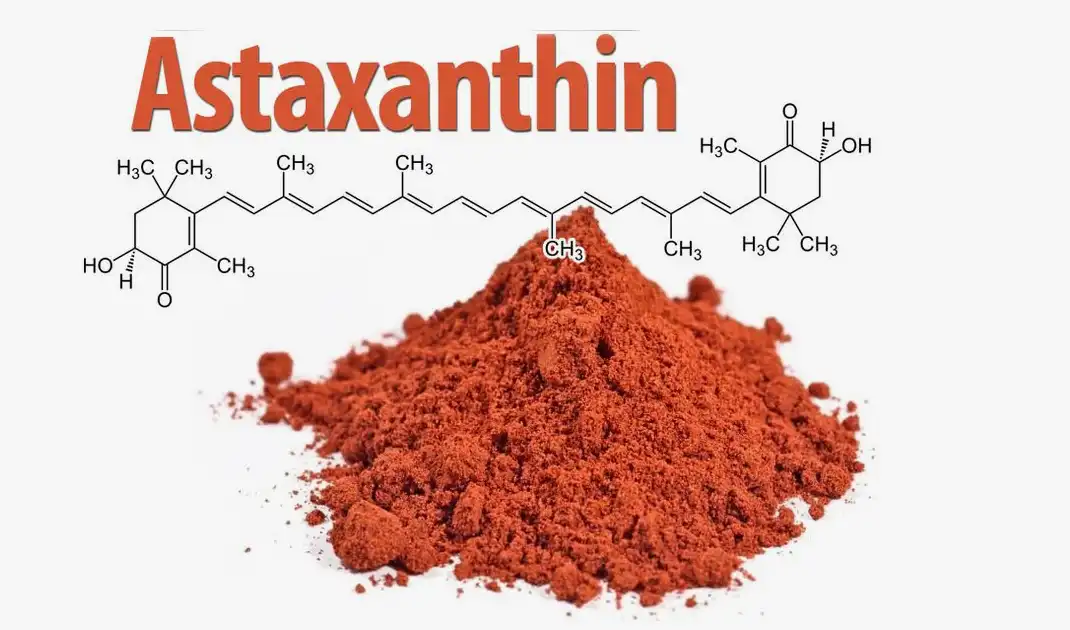
Manufacturing Excellence: China's Competitive Edge in Astaxanthin Production
Advanced Cultivation Technology and Infrastructure
Chinese businesses can grow microalgae with the help of advanced bioreactors and controlled environments. To make astaxanthin, the pH, temperature, and nutrients of Haematococcus pluvialis cells are changed. Monitoring and automation cut down on production costs and keep quality high.
Cost-Effective Production Models
Better supply chains, lower operational costs, and economies of scale boost Chinese manufacturing. Large biomass processing plants have lower per-unit costs. This cost efficiency allows U.S. pharmaceutical buyers competitive pricing without sacrificing quality.
Research and Development Capabilities
Leading Chinese producers invest much in R&D, creating new extraction and purifying procedures. These improvements boost astaxanthin bioavailability and stability, making medicinal goods better. Products are developed continuously, keeping Chinese vendors at the forefront of astaxanthin technology.
Strategic Supplier Selection: Essential Evaluation Criteria
Production Capacity and Scalability Assessment
A manufacturer's production capacity is assessed by assessing its output and growth potential. Reliable suppliers produce above 50 tons per month and have backup facilities for supply outages. Scalability is essential for pharmaceutical organizations with rapid expansion or seasonal demand swings.
Quality Control Systems and Documentation
Quality management systems inspect raw materials, monitor in-process processes, and test finished products. Reliable producers keep batch records, analytical certifications, and traceability documents. These technologies guarantee astaxanthin powder purity meets medicinal standards.
Technical Support and Customer Service Excellence
Formulation, stability, and regulatory support are strong technical support capabilities. With pharmaceutical industry-savvy account managers, manufacturers should deliver responsive customer service. Language and time zone skills improve communication.
Supply Chain Reliability and Logistics Coordination
Strong supply networks have diverse raw material and production sources. Logistics networks deliver products on time while preserving quality. Suppliers should have international shipping and documentation experience.
Financial Stability and Business Credentials
Financial stability factors include established corporate history, credit ratings, and transparent financial reporting. Suppliers need adequate insurance and long-term viability. Industry associations, trade references, and pharmaceutical company customer testimonials are business credentials.
International Certification Standards: Ensuring Pharmaceutical Grade Quality
FDA Registration and Compliance Requirements
U.S. pharmaceutical buyers must check Chinese dietary supplement manufacturers' FDA registration. Astaxanthin production fulfills pharmaceutical industry requirements with cGMP compliance. Regular FDA inspections and good compliance suggest quality systems.
ISO Certification Portfolio
ISO 9001 and 22000 standards show that the quality management system is strong, and so is the food safety management system. Extra certificates, such as HACCP and FSSC 22000, make sure that quality control is done in a planned way. Third parties with the right credentials regularly check these licenses.
Organic and Religious Certifications
USDA Organic certification enables access to premium market segments requiring natural astaxanthin sources. HALAL and KOSHER certifications expand market opportunities in specific demographic segments. These certifications require ongoing compliance monitoring and periodic renewal processes.
International Quality Standards
European Union regulations require compliance with Novel Food Regulations for Astaxanthin Powder. Japanese Pharmaceutical Standards provide additional quality benchmarks for international markets. Understanding various international requirements helps manufacturers maintain global market access.
Effective Sourcing Channels: Connecting with Qualified Manufacturers
Professional Trade Exhibitions and Industry Events
SupplySide West, Vitafoods Asia, and FIC China bring manufacturers together. These events allow product sampling, supplier partnerships, and face-to-face interactions. Technical and industry lectures highlight market trends and improvements.
B2B Procurement Platforms and Directories
Verified suppliers on Alibaba, Made-in-China, and Global Sources have thorough company profiles and product catalogs. These platforms offer supplier verification, transaction protection, and communication. Advanced filters find producers with appropriate certification and capability.
Industry Associations and Professional Networks
The China Chamber of Commerce for Import and Export of Medicines and Health Products provides supplier directories and industry insights. Professional associations provide networking and pre-qualified manufacturer databases. Industry research and industry intelligence discover new suppliers and trends.
Consultant Services and Third-Party Verification
Procurement consultants specializing in pharmaceutical sourcing provide manufacturer evaluation services and negotiation support. Third-party verification services conduct facility audits and quality assessments. These services reduce procurement risks and accelerate supplier qualification processes.
OEM and ODM Partnership Models: Customization and Private Labeling
Original Equipment Manufacturing Services
OEM partnerships enable pharmaceutical companies to leverage established manufacturing capabilities while maintaining product specifications and branding. Manufacturers provide production services according to customer formulations and quality requirements. This model reduces capital investment while accessing specialized manufacturing expertise.
Original Design Manufacturing Capabilities
Beyond manufacturing, ODM services include product development, formulation optimization, and packaging design. Customers market and distribute while suppliers develop and provide technical expertise. This collaborative approach reduces R&D costs and accelerates product development.
Intellectual Property Protection and Confidentiality
Comprehensive non-disclosure agreements protect proprietary formulations and business information. Intellectual property protection measures include secure data handling procedures and limited access protocols. Legal frameworks ensure proper protection of customer innovations and trade secrets.
Customization Capabilities and Flexibility
Astaxanthin content, particle size distribution, and packaging formats can be customized by advanced producers. Production scheduling adapts to order numbers and delivery needs. Custom formulation helps products stand out in competitive markets.
Pricing Strategies: MOQ Optimization and Cost Management
Minimum Order Quantity Considerations
Astaxanthin concentration and packaging criteria determine MOQ, which is usually 100–500 kg. Manufacturers may lower MOQs for trial orders or long-term contracts. Understanding MOQ frameworks improves inventory and cash flow planning.
Volume-Based Pricing Structures
Tiered pricing models provide significant cost reductions for larger order quantities. Annual contract arrangements often include price stability guarantees and preferential pricing terms. Volume commitments enable manufacturers to optimize production planning and offer competitive pricing.
Payment Terms and Financial Arrangements
Standard payment terms include letter of credit, wire transfer, or trade financing options. Established relationships may qualify for extended payment terms or partial prepayment arrangements. Financial flexibility improves cash flow management for pharmaceutical buyers.
Market Price Benchmarking and Negotiation
Regular market price monitoring reveals industry trends and competitive pricing. Procurement professionals get various quotes and analyze costs. Effective negotiations prioritize total cost of ownership over unit price.
Quality Assurance: Factory Audits and Inspection Protocols
Pre-Audit Documentation Review
A thorough documentation evaluation includes quality manuals, SOPs, and audit reports. Certificate verification verifies compliance and certification status. This preliminary assessment reveals issues before on-site inspections.
On-Site Facility Inspections
Systematic facility tours examine production areas, quality control laboratories, and storage facilities. Equipment calibration records and maintenance programs indicate commitment to consistent quality standards. Observation of actual production processes provides insights into operational capabilities and quality practices.
Laboratory Testing Capabilities
As an independent lab, we can do tests like HPLC analysis to find out how much astaxanthin is in something and microbial testing to make sure it is safe. Advanced analytical tools and skilled workers make sure that test results are correct. Regular tests of skill keep the lab's accreditation and dependability.
Supply Chain Transparency and Traceability
Complete supply chain documentation tracks raw materials from cultivation to packing. Traceability systems quickly identify and isolate quality faults. Transparency boosts product and regulatory compliance confidence.
Conclusion
China is the top astaxanthin powder supplier to U.S. pharmaceutical companies due to its technological innovation, cost competitiveness, and quality. The advanced manufacturing infrastructure, extensive certification portfolios, and strong R&D capabilities attract worldwide buyers.
Supplier evaluation, quality verification, and partnership management are essential for successful sourcing. Due diligence and quality assurance let U.S. pharmaceutical businesses use China's manufacturing skills while preserving quality.
Value delivery for Chinese astaxanthin sourcing is getting better thanks to new technologies, better sustainability, and digital integration. To get high-quality astaxanthin powder, pharmaceutical companies can cut costs and improve the reliability of their supply chains by working with approved Chinese producers.
Partner with Avans for Premium Astaxanthin Powder Solutions
As an astaxanthin powder manufacturer, Avans NutriHealth is known for its pharmaceutical-grade goods and exceptional customer service. Our sophisticated plant produces high-quality 3–5% astaxanthin powder. Its ISO, USDA, HACCP, and HALAL certifications are world-renowned.
Our skilled research and development team can help you with the technical side of making your product and offer preparation services that are tailored to your needs. For more than 18 years, Avans has been making high-quality goods at reasonable prices with stable supply chain management. We keep a lot of stock on hand and can make things in a lot of different ways so that we can meet your specific needs.
Learn more about how Avans can help you get more astaxanthin and make your products better. To make sure you succeed, our dedicated team gives you personalized solutions, detailed documentation, and ongoing technical help. Contact us at Lillian@avansnutri.com to discuss your astaxanthin powder supplier requirements and receive a detailed quotation tailored to your specifications.
FAQ
Q: What is the typical lead time for astaxanthin powder orders from China?
A: Standard lead times range from 15-30 days, depending on order quantity and product specifications. Rush orders may be accommodated with expedited production scheduling. Manufacturers typically maintain stock inventory for common concentrations to reduce delivery times.
Q: How can I verify the purity and quality of astaxanthin powder from Chinese suppliers?
A: Request certificates of analysis from accredited laboratories and conduct independent third-party testing. Verify supplier certifications and conduct facility audits when possible. Establish clear quality specifications and acceptance criteria in purchase agreements.
Q: What are the typical astaxanthin concentration options available from Chinese manufacturers?
A: Chinese suppliers typically offer concentrations ranging from 1% to 10%, with 3-5% being most common for pharmaceutical applications. Custom concentrations may be available through specialized extraction processes. Higher concentrations generally command premium pricing due to increased processing complexity.
References
1. Johnson, M. et al. "Global Astaxanthin Market Analysis and Manufacturing Trends 2023-2025." International Journal of Pharmaceutical Manufacturing, Vol. 45(3), 2024.
2. Zhang, L. and Williams, R. "Quality Assessment of Chinese Astaxanthin Suppliers: A Comprehensive Industry Review." Pharmaceutical Sourcing Quarterly, Issue 2, 2024.
3. Chen, H. "Microalgae Cultivation Technologies and Astaxanthin Production Optimization in China." Asian Journal of Biotechnology, Vol. 28(4), 2024.
4. Thompson, K. "Regulatory Compliance and Certification Requirements for Astaxanthin Imports." FDA Regulatory Affairs Bulletin, March 2024.
5. Liu, S. et al. "Cost-Benefit Analysis of Chinese Astaxanthin Manufacturing: Industry Benchmarking Study." Pharmaceutical Economics Review, Vol. 12(2), 2024.
6. Anderson, P. "Supply Chain Risk Management in Pharmaceutical Ingredient Sourcing from China." International Pharmaceutical Supply Chain Management, Vol. 19(1), 2024.
-α-Lipoic Acid Powder.webp)