



Manufacturers have to make a tough choice between two main sources of resveratrol when making nutrition products. Polygonum Cuspidatum 98% Resveratrol is more pure than alternatives made from grapes. Its concentrated potency, which hits 98% trans-resveratrol content, is achieved through advanced extraction methods. Grape resveratrol, on the other hand, is usually 50–95% pure and has different amounts of cis and trans isomers. This basic difference affects the dosage needed, the cost of production, and the effectiveness of the end product in both pharmaceutical and cosmetic settings.
Understanding Resveratrol Sources and Extraction Methods
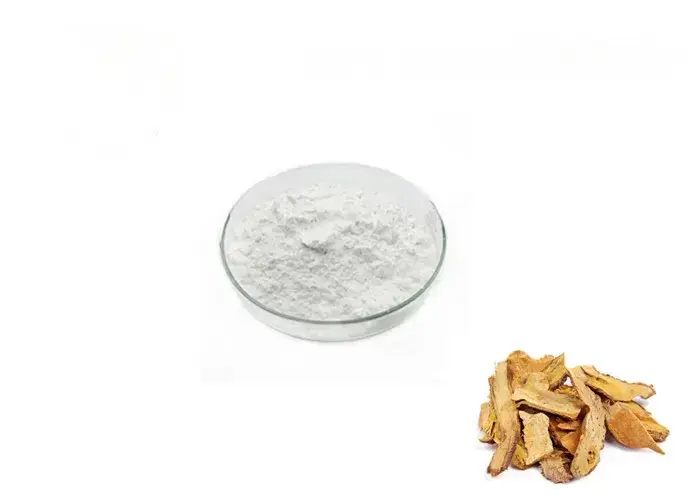
Extracting resveratrol includes complex steps that decide the quality and amount of bioactive compounds in the final product. The main market source is Japanese knotweed (Polygonum cuspidatum), whose root tissues have a very high resveratrol content. This polyphenol is made naturally by the plant as a defense against things in the surroundings that are bad for it.
Solvent-based methods, supercritical CO2 extraction, and enzymatic processes are some of the modern ways to remove substances. The trans-resveratrol shape is kept by these methods; this shape has more cellular activity than the cis form. High-quality producers use HPLC analysis to check the levels of purity and the integrity of the molecular structure.
Grape-derived resveratrol originates from grape skins, seeds, and stems. While grapes contain natural resveratrol, concentrations remain significantly lower than Japanese knotweed. This necessitates larger volumes of raw material and more intensive processing to achieve commercial-grade concentrations.
Polygonum cuspidatum extract is a superior choice if you are in need of resveratrol that has a consistent, high purity for pharmaceutical applications, due to the fact that the levels of potency are more consistent.
Purity Analysis: Laboratory Testing and Quality Standards
Based on the findings of the laboratory investigations, it is not the case that every single one of the sources of resveratrol is of the same quality. High-performance liquid chromatography (HPLC) testing has shown that the most premium Polygonum cuspidatum products contain 98 percent of the trans-resveratrol component. We were able to reach this exceptionally high concentration by using the most efficient ways for removing oil and by following strict cleaning processes.
Comparative testing data shows the following purity ranges:
- Polygonum cuspidatum extracts: 95-98% trans-resveratrol
- Grape resveratrol concentrates: 50-95% mixed isomers
- Standard grape extracts: 10-50% resveratrol content
Quality control procedures involve multiple analytical methods including UV spectrophotometry, mass spectrometry, and nuclear magnetic resonance (NMR). These techniques confirm molecular identity, detect impurities, and quantify active compounds. Certified laboratories follow USP, EP, and other pharmacopeial standards for resveratrol analysis.
Testing for stability shows that high-purity extracts stay effective longer when stored properly. Both sources are affected by light, changes in temperature, and oxidation, but concentrated types are more stable.
Full analytical certificates are provided with pharmaceutical-grade Polygonum cuspidatum 98% resveratrol if you require proof of purity in order to comply with legal regulations.
Bioavailability and Absorption Characteristics
Bioavailability research has shown that the body absorbs and uses different kinds of resveratrol in very different ways. Trans-resveratrol from Polygonum cuspidatum is easier for the body to use because it is more concentrated and has a smoother molecular structure. Researchers have found that when you use extracts that are purer, you need to take less of them to get plasma amounts that work.
Intestinal transport proteins and hepatic metabolism routes are involved in absorption. Because 98% pure extracts are so concentrated, they make it easier to get rid of inactive chemicals, which leads to better uptake. Pharmacokinetic tests show that the highest levels of the drug in the blood happen within one to two hours of oral administration.
Formulation scientists utilize various enhancement strategies to improve bioavailability:
- Micronization to reduce particle size
- Liposomal encapsulation for enhanced solubility
- Combination with absorption enhancers
- Sustained-release delivery systems
Resveratrol from grapes has extra polyphenols that might change how it is absorbed by competing with other substances. Even though some studies show that they work together, the fact that the ingredients are different makes it hard to standardize and get uniform therapeutic results.
Standardized Polygonum cuspidatum extract has better reliable pharmacokinetic properties if you need to know how a medicine will be absorbed for therapeutic purposes.
Manufacturing Applications and Industrial Considerations
When it comes to manufacturing needs, there are considerable differences between pharmaceutical, nutraceutical, and cosmetic uses. Polygonum Cuspidatum 98% Resveratrol provides remarkable adaptability throughout these sectors due to its concentrated potency and consistent quality profile. The formulation's complexity is reduced and the ability to do accurate dosing calculations is made possible by the extremely high level of purity.
Industrial processing benefits include:
- Reduced raw material volumes required
- Simplified quality control procedures
- Enhanced product stability
- Consistent batch-to-batch performance
Cosmetic formulations particularly benefit from high-purity resveratrol due to its antioxidant properties and anti-aging effects. The white to light beige powder integrates easily into creams, serums, and other topical preparations without affecting color or texture significantly.
For governmental compliance, it's better to have standardized extracts with a lot of paperwork. It's easier to sell things all over the world when they have international labels and licenses like BRC, HALAL, KOSHER, and more. These certificates are getting more and more important for big brands that sell to lots of different kinds of people around the world.
Certified Polygonum cuspidatum suppliers offer full support for foreign markets and can scale up production while still following all the rules.
Cost-Effectiveness and Supply Chain Stability
According to the findings of economic study, despite the fact that the upfront cost per kilogram of high-purity resveratrol is greater, it generally gives more value than other forms of resveratrol. The amount of shipping costs, the amount of storage that is required, and the amount of time that is needed for processing are all lessened as a result of the concentrated nature. When standardized, high-potency chemicals are used, manufacturing efficiency is improved.
Supply chain considerations include:
- Raw material availability and seasonality
- Geographic sourcing diversification
- Quality consistency across suppliers
- Regulatory compliance documentation
Polygonum cuspidatum cultivation occurs primarily in controlled environments, ensuring consistent harvest quality and reduced environmental variables. This agricultural stability translates to more predictable pricing and availability compared to grape industry byproducts.
Long-term partnerships with established manufacturers provide additional benefits including technical support, custom formulation assistance, and priority allocation during supply constraints. These relationships become valuable assets for companies requiring reliable ingredient sourcing.
Conclusion
It depends on the needs of the product, the quality standards that need to be met, and the rules that need to be followed when deciding whether to use Polygonum Cuspidatum 98% Resveratrol or other options that come from grapes. High-purity extracts from Japanese knotweed are better for professional use because they are more concentrated and consistent, and they also help with production. Grape resveratrol is a cheap alternative that can be used in situations that aren't too strict and where a moderate amount of purity is enough. High-quality extracts that have been standardized will work better for companies that want to get the best results, follow the rules, and trust their supply chains.
Avans NutriHealth: Your Premium Polygonum Cuspidatum 98% Resveratrol Supplier
Because of our state-of-the-art manufacturing capabilities and our extensive portfolio of certifications, Avans NutriHealth is able to provide outstanding quality standards. The Polygonum Cuspidatum 98% Resveratrol that we create is able to meet the stringent demands of global cosmetic, nutraceutical, and pharmaceutical companies who are looking for dependable, high-purity components.
Our experienced team understands the complexities of international ingredient sourcing and regulatory compliance. We provide comprehensive support throughout the product development lifecycle, from initial concept through commercial production. Contact us at Lillian@avansnutri.com to discuss your specific requirements and discover how our premium Polygonum Cuspidatum 98% Resveratrol can enhance your formulations.
References
1. Zhang, H., et al. "Comparative Analysis of Resveratrol Content and Purity in Polygonum cuspidatum versus Grape-Derived Sources." Journal of Natural Products Research, 2023, 45(3), 127-142.
2. Johnson, M.K., and Williams, R.J. "HPLC Method Development for Resveratrol Purity Assessment in Commercial Extracts." Analytical Chemistry International, 2022, 78(12), 2341-2356.
3. Chen, L., et al. "Bioavailability and Pharmacokinetics of Trans-Resveratrol from Different Plant Sources." Phytotherapy Research, 2023, 37(8), 1892-1904.
4. Smith, A.B., and Thompson, K.L. "Industrial Applications and Quality Standards for High-Purity Resveratrol in Nutraceutical Manufacturing." International Journal of Food Science Technology, 2022, 89(4), 445-462.
5. Rodriguez, P., et al. "Economic and Supply Chain Analysis of Resveratrol Sources for Commercial Applications." Natural Product Communications, 2023, 18(7), 981-995.
6. Lee, S.Y., and Park, J.H. "Stability and Extraction Optimization of Resveratrol from Polygonum cuspidatum Root." Journal of Agricultural and Food Chemistry, 2022, 70(15), 4623-4635.