




Where to Buy Reliable Bulk Creatine Monohydrate Powder in Bulk?
When sourcing Bulk Creatine Monohydrate Powder, procurement managers need verified manufacturers who can deliver consistent purity, full regulatory compliance, and scalable supply chains. Avans NutriHealth Co., Ltd., a China-based manufacturer holding ISO, HACCP, FSSC22000, HALAL, and Organic certifications, offers food-grade creatine monohydrate (CAS 6020-87-7) with ≥99.9% purity, available in immediate stock. The company specializes in serving nutraceutical, pharmaceutical, and cosmetic manufacturers across North America, Europe, and the Middle East, providing both high-volume bulk packaging and tailored private-label solutions that meet stringent international quality standards.
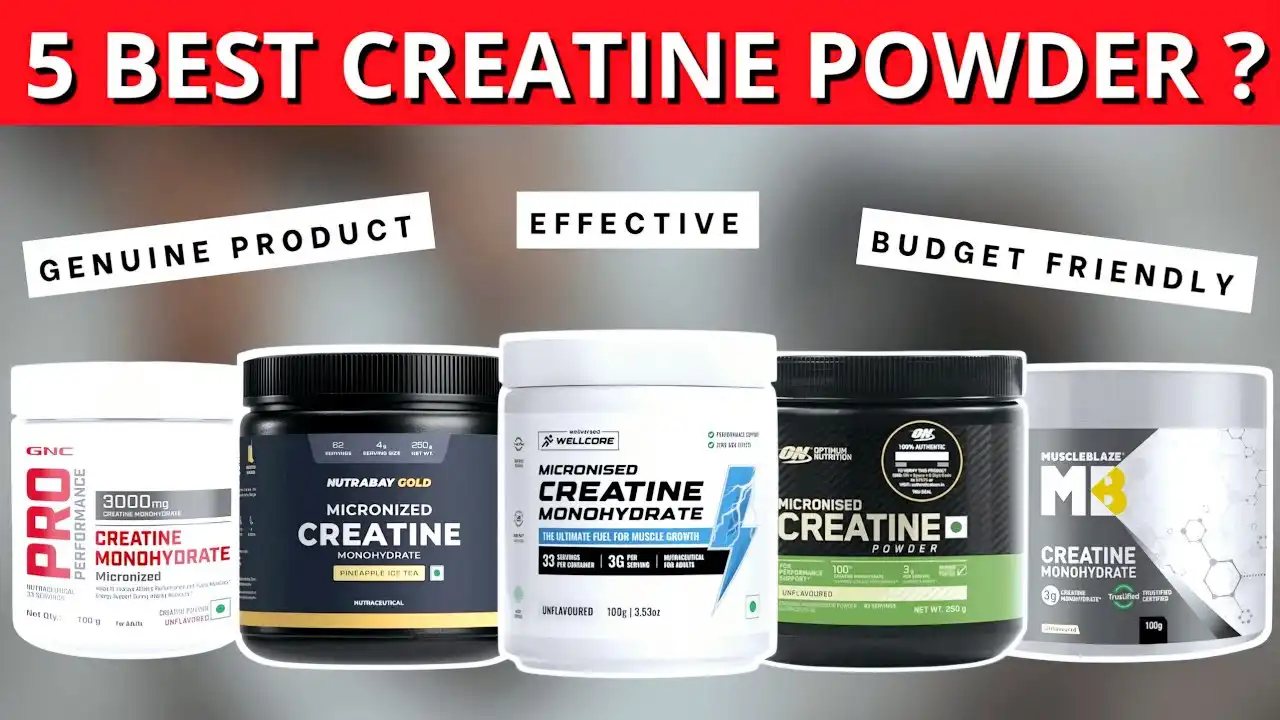
Criteria for Choosing Reliable Bulk Creatine Monohydrate Powder Suppliers
You need an organised review system that strikes a balance between quality control, following the law, and making money to find the best production partner. Procurement managers need to make sure that the specs they give to providers are clear and match what they need for the end product when they use industry standards to judge them. Bulk Creatine Monohydrate Powder sourcing requires a methodical evaluation framework that balances quality assurance and commercial viability.
Defining Volume and Quality Requirements
The first thing you need to do before you can buy something is to figure out how much Bulk Creatine Monohydrate Powder you need for your business. Find the minimum order quantities (MOQ) that work for your production plans, storage room, and cash flow. There are many companies that offer variable MOQs. They can be as low as 25 kg for tests or as high as 10 metric tonnes for full containers. It should be clear in the quality standards what the levels of purity are (≥99.9% test), the levels of impurities are (creatinine <100 ppm, dicyandiamide <30 ppm), the levels of moisture (10.0%–12.0% showing stoichiometric water), and the levels of microbiological limits that meet USP <61/62> standards.
Critical Quality Metrics and Certifications
Still, High-Performance Liquid Chromatography (HPLC) is the best way to look at how pure Bulk Creatine Monohydrate Powder is. WADA rules say that suppliers must provide Certificates of Analysis (CoA) that include test results, screening for heavy metals like lead, cadmium, mercury, and arsenic, screening for microbial pollution, and proof that there are no chemicals that aren't allowed. A company that has ISO 22000, HACCP, BRC, HALAL, or Kosher certifications is running at a high level and following the rules of the people it wants to do business with. Standards for micronization have a direct effect on how well something works. For instance, 200-mesh powder spreads out better and settles less than regular 80-mesh powder, but 80-mesh powder flows better when making tablets.
Pricing Structures and Commercial Terms
Clear price models should take into account how much the raw materials cost, how hard they are to work with, how much packaging is needed, and how the Bulk Creatine Monohydrate Powder will be moved. Ask for full quotes that include unit prices for various quantities, payment terms (net 30, net 60, or lines of credit), and freight options (FOB, CIF, or DDP). Don't just look at the price per kilogram; also look at how much it costs to land. Taxes, shipping, and storage can add up to a lot of the total cost of buying something. Make it clear how samples can be given out. Most of the time, reputable manufacturers will give away samples for free so that you can check the quality first.
Supplier Reputation and Responsiveness
It's not enough to just look over the papers to do your due research. Find out what the Bulk Creatine Monohydrate Powder seller has done in the past, how well they can make things, and who their clients are. When a company makes more than 1,000 tonnes of goods every year and has long-term relationships with foreign wholesalers, it shows that it can be trusted. Being responsive to communication is a good indicator of how well a relationship will go in the future. Companies that provide quick technology help, clear order tracking, and problem-solving that goes above and beyond are more likely to keep their customers. You can learn a lot about how well you do in the real world by asking present clients in your field for examples.
Comparing Different Forms and Brands: Informed Procurement Decisions
When procurement teams know the differences between products, they can choose formulations that make production more efficient and improve the performance of the end user. When it comes to Bulk Creatine Monohydrate Powder, there are different forms and ways to package it. Each has its own benefits, based on the task at hand.
Micronized Versus Standard Powder
Micronization reduces the particle size to about 200 mesh (74 microns) through mechanical grinding. This increases the surface area to volume ratio. This change speeds up the process by which the Bulk Creatine Monohydrate Powder dissolves in cold liquids. It also smooths out finished goods and lowers the amount of sedimentation that happens while they are being stored. Researchers have found that micronised creatine dissolves 20–30% faster than regular creatine. When it comes to ready-to-drink drinks and single-serve packets, this is a big deal. For high-pressure tableting, standard 80-mesh powder is better because it is easy to crush and doesn't get stuck on tools as much. It has a little less liquid than other powders, though. When manufacturers choose particle size specifications, they should think about the formula they want to make and the tools they use.
Powder Versus Capsule-Ready Formats
For contract manufacturers and brands that can package their own products, Bulk Creatine Monohydrate Powder is still the best choice. Creatine can be mixed with electrolytes, branched-chain amino acids, and beta-alanine, which work well together. Formulators can also change the serving amounts to fit their needs. Some sellers sell granulated forms that are already sealed or can be sealed right away. The flow of these formats is better, and they are made to work with machines that automatically enclose things. Even though these high-value things cost more, they are made with fewer steps and less work, which saves money. You should think about how much you can make, how you want your goods to stand out, and what your customers want when you choose a style.
Organic and Conventional Options
To be certified organic, Bulk Creatine Monohydrate Powder must be made with non-GMO products and follow the rules for organic processing all the way through the supply chain. Creatine monohydrate that has been cleared for organic use costs 15–25% more, but you can find it in speciality shops and from brands that use "clean label" marketing. Food-grade creatine works the same way at the molecular level but costs less, so it can be used in products for the masses. The people who buy things should think about whether the extra money spent on organic approval is worth it for the people they want to reach.
Evaluating Manufacturer Capabilities
Some of the things that make top providers of Bulk Creatine Monohydrate Powder stand out are their vertical merger, their own quality control systems, and their expert support services. One company that uses this approach well is Avans NutriHealth. It has its own research and development teams, works with more than 30 hospital research partners, and has plants that can make 1,000 tonnes of food every year. The supply chain is stable because the company has 338 distributors in 280 places. This helps make sure that orders are filled quickly. When you look at different manufacturers, you should see how well they can make custom formulations, offer private-label packaging, and be willing to work with you to get market-specific certifications that will help your business grow in the long term.
Where to Buy Bulk Creatine Monohydrate Powder for B2B Procurement
You need to find the best mix between low prices, following the rules, and making the most of your operations when you choose where to buy Bulk Creatine Monohydrate Powder. The global supply chain for creatine monohydrate is made up of different regional hubs. Each one is better for a different type of buyer.
Regional Supplier Landscapes
Asian manufacturers, especially those in China, make most of the world's goods and have the best prices for Bulk Creatine Monohydrate Powder because their supply chains are linked and economies of scale work in their favour. Chinese suppliers, such as Avans NutriHealth, have lower prices, better quality control, and certifications from other countries. Because of this, North American and European wholesalers who want to make the most money without dropping standards are interested in working with them. European suppliers often talk about how well they know the rules and how close they are to EU markets. North American makers, on the other hand, focus on shorter lead times and easier ways for customers in their own country to import goods.
Direct Manufacturer Relationships Versus Trading Platforms
Instead of buying Bulk Creatine Monohydrate Powder through transactional sites, it's better to form direct relationships with makers. Direct relationships let you change the way the products are packaged, work out payment terms, give certain goods priority when supplies are low, and get expert help with formulation issues. Manufacturers save their best deals and largest production runs for long-term customers who know ahead of time how many orders they will place. Business-to-business (B2B) websites can help you find sources and compare prices, but they usually have middlemen who charge extra and don't add any value.
International Logistics and Regulatory Considerations
When importing Bulk Creatine Monohydrate Powder, you need to think about customs classes (usually HS code 2925.29), paperwork needs (commercial bills, packing lists, COAs, and certificates of origin), and making sure you follow the law in the countries you want to sell it to. FDA registration and FSMA compliance govern U.S. goods, while EFSA rules guide markets in the European Union. Many-year-old suppliers can help with all the paperwork and set up storage for goods going to the U.S. that meets FDA standards. It usually takes 4 to 6 weeks for ocean freight to deliver container loads. Air freight can be faster, but it costs more. Setting clear Incoterms (ideally DDP to make cost planning easier) stops arguments over costs that were not expected.
Negotiation Strategies for Volume Purchases
To get a good deal on Bulk Creatine Monohydrate Powder, you need to show that you're serious about buying by making plans for more than one year and being ready to send blanket purchase orders with planned releases. Get quotes from a number of qualified suppliers that are competitive, and be clear that you'd rather work with them for a long time than make quick deals. You should ask for a price that is based on sales to help your business grow. You should also work out good payment terms that show you're a good credit risk, and you should look for ways to split the costs of market-specific certifications that are good for everyone. A lot of companies change their prices every three months based on how much raw materials cost. This makes everything clear and helps everyone handle danger.
Ensuring Product Quality and Compliance: Best Practices for Procurement Managers
Quality assurance steps protect the safety of end users, keep your brand's image safe, and make sure you follow the rules. Comprehensive Bulk Creatine Monohydrate Powder quality management includes everything from checking out sources to keeping an eye on things and always trying to make things better.
Laboratory Testing and Certificate Verification
HPLC or Fourier-transform infrared spectroscopy (FTIR) should be used to make sure that each Bulk Creatine Monohydrate Powder shipment is what it says it is and that it meets the requirements. ISO/IEC 17025-certified third-party labs can test without bias for purity, impurity profiles, microbiological contamination, and heavy metal content. See if there are any changes between the lab results and the COA that the seller gave you. If there are, it could mean that the quality is changing or the information is wrong. Every package needs to have a Material Safety Data Sheet (MSDS) attached to it. These sheets tell you how to safely handle the goods, store them, and what to do in case of an emergency.
Supplier Audits and Facility Inspections
That paperwork alone can't show you is how Bulk Creatine Monohydrate Powder is made, how well it works, and how to make sure they meet quality standards. On-site plant checks can. Full audits should look at how raw materials are received, how quality is controlled during production, how the environment is monitored, how equipment is calibrated, and how amounts are kept track of. Often, observations of how well the house is cleaned, how well employees are trained, and how responsive management is can tell you more about future quality work than certifications. Checks should be planned to happen during production so that you can see how things really work, not just how they should work.
Regulatory Compliance Across Markets
Most places have rules about Bulk Creatine Monohydrate Powder as a food supplement. This means it has to be used according to the labelling rules, the maximum amount, and the best ways to make things. The U.S. government needs to follow the Dietary Supplement Health and Education Act (DSHEA). It is controlled by the Food and Drug Administration (FDA). In Europe, there are rules about new foods and food additives. Some places to sell your goods, like the Middle East, need HALAL recognition, and other groups of people need Kosher approval. Companies that have been approved by more than one region usually have better quality control systems and are more likely to want to serve a lot of different areas. The ISO, HACCP, FSSC22000, HALAL, and Organic certificates that Avans NutriHealth has shown this way of meeting the needs of many markets.
Case Study: Successful Procurement Partnership
A sports nutrition brand in North America needed a reliable Bulk Creatine Monohydrate Powder supplier to help it grow into stores that needed fast shipping and ingredients that were WADA-compliant. They looked at a few different Chinese manufacturers and picked one that had the right licenses, quick technical support, and a history of being able to ship their goods. The relationship began with a test order of 500 kg, then moved on to quarterly container loads, and finally turned into a private-label arrangement where the seller mixes the ingredients and puts them in the first boxes. The brand's unit costs went down by 23% because of this relationship. It also cut out two middlemen in the distribution process and made sure that supplies were on time over 98% of the time for three years.
Conclusion
To get industrial amounts of high-quality Bulk Creatine Monohydrate Powder, you have to balance business concerns, legal concerns, and technical issues. Building relationships with providers is more important than just doing business with them when it comes to procurement tactics that work. They also care more about thorough quality checks than cutting costs, and they make sure that decisions about where to buy things are in line with their long-term business goals. As a business-to-business buyer in the nutraceutical, pharmaceutical, or cosmetics industries, you can get the best value from companies that have large production scales, international licenses, technical know-how, and a history of success.
FAQ
1. What purity level should I require for creatine monohydrate?
HPLC tests should show that Bulk Creatine Monohydrate Powder used in medicine and food is at least 99.9% pure. It is important that there aren't many flaws and that each batch of the product works the same way. Products that aren't as clean might have more creatinine or trash from production, which makes them less stable and affects performance.
2. What are typical minimum order quantities for bulk purchases?
Each service and type of packing for Bulk Creatine Monohydrate Powder has a different minimum order amount. Most manufacturers give 25 kg drums for the first tests. Prices for large amounts start at 500 kg, then 1,000 kg, and finally full container loads, which are around 10–20 metric tonnes. Making buying patterns that stick can often lead to agreed-upon MOQ drops.
3. How can I verify product authenticity and purity?
For each Bulk Creatine Monohydrate Powder shipment, ask for a Certificate of Analysis, and only let authorised labs do the tests for you. An HPLC analysis shows that the substance is what it says it is and that it is pure. Other tests look for heavy metals, microbiological pollution, and substances that aren't allowed. If a supplier is honest about how they make things and lets you check out their facilities, that shows they are reliable.
Partner with Avans for Premium Bulk Creatine Monohydrate Powder Supply
Buyers and formulators are welcome to check out Avans NutriHealth Co., Ltd.'s pharmaceutical-grade Bulk Creatine Monohydrate Powder. It is made in our approved facilities as per strict quality standards. You can trust our creatine monohydrate because it comes with ISO, HACCP, FSSC22000, HALAL, and Organic certifications. We have ≥99.9% pure white powder in stock right away, along with all the paperwork you need and expert support. Experts at our company work with formulators, purchasing managers, and research and development teams to make sure that you get solutions that are perfect for your needs in terms of both quantity and quality. You can email our experts at Lillian@avansnutri.com to get free samples, detailed prices, and tips on how to make the most of your plan to get creatine.
References
1. Kreider, R.B., et al. "International Society of Sports Nutrition Position Stand: Safety and Efficacy of Creatine Supplementation in Exercise, Sport, and Medicine." Journal of the International Society of Sports Nutrition, 2017, 14:18.
2. Cooper, R., Naclerio, F., Allgrove, J., and Jimenez, A. "Creatine Supplementation with Specific View to Exercise/Sports Performance: An Update." Journal of the International Society of Sports Nutrition, 2012, 9:33.
3. Wyss, M. and Kaddurah-Daouk, R. "Creatine and Creatinine Metabolism." Physiological Reviews, 2000, 80(3):1107-1213.
4. Persky, A.M. and Rawson, E.S. "Safety of Creatine Supplementation." Subcellular Biochemistry, 2007, 46:275-289.
5. Butts, J., Jacobs, B., and Silvis, M. "Creatine Use in Sports." Sports Health: A Multidisciplinary Approach, 2018, 10(1):31-34.
6. Hall, M. and Trojian, T.H. "Creatine Supplementation." Current Sports Medicine Reports, 2013, 12(4):240-244.