




Berberine Chloride Powder Buying Guide for Ingredient Importers
Sourcing high-quality berberine alkaloid ingredients requires comprehensive knowledge of chemical specifications, regulatory compliance, and supplier verification protocols. When importing Berberine Chloride Powder for pharmaceutical, nutraceutical, or cosmetic manufacturing, procurement professionals must navigate complex international standards while ensuring cost-efficiency and product consistency. This guide addresses critical procurement considerations, quality benchmarks, and supplier evaluation criteria specifically designed for ingredient importers serving regulated global markets. Understanding these fundamental aspects enables informed purchasing decisions that align with formulation requirements and regulatory expectations.
Understanding Berberine Chloride Powder: Essential Knowledge for Importers
What Defines Quality Berberine Alkaloid Ingredients
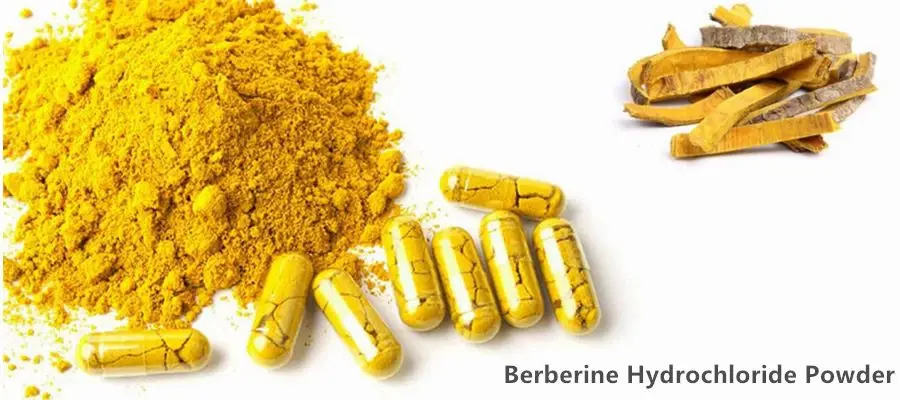
Berberine Chloride Powder is a standardised quaternary benzylisoquinoline alkaloid (CAS No: 141433-60-5) that is mostly found in Berberis, Phellodendron amurense, and Coptis chinensis plants. This bioactive molecule stands out because it has an exact chemical formula (C20H18ClNO4) and a molecular weight of 371.81 g/mol. It looks like a bright yellow crystalline powder. Pharmaceutical-grade Berberine Chloride Powder has a consistent level of potency that is needed for controlled applications, unlike crude herbal extracts that have different levels of alkaloids. The substance turns on adenosine monophosphate-activated protein kinase (AMPK), a cellular enzyme that controls metabolic pathways. This makes it useful for health supplement products that want to control glucose metabolism and lipid levels.
Chemical Properties and Formulation Considerations
The scientific details of this alkaloid have a big effect on the production processes that come after. When tested using HPLC, high-quality material is 97.0% to 99.0% pure. This method separates Berberine Chloride Powder from alkaloids like palmatine and jatrorrhizine that have similar structures. Solubility profiles show that the substance dissolves easily in hot water but not so well in cold water or ethanol. This is an important property to consider when designing a liquid delivery method. When it breaks down, the melting point is between 200 and 206°C, and compared to other alkaloids, the material stays stable when exposed to heat and light. The product crystallises as a dihydrate, which means it needs to be stored under controlled conditions. The moisture content is usually between 10 and 14 percent.
Market Applications Across Multiple Industries
Because Berberine Chloride Powders have been shown to kill E. coli bacteria, pharmaceutical companies use them in diabetes medicines and medicines for the digestive tract species of E. coli and Candida. Nutraceutical companies make metabolic health supplements to help people with Type 2 diabetes and high cholesterol. The recommended daily doses are between 500 mg and 1,500 mg, spread out over several meals. Anti-inflammatory and bacteriostatic properties are used in cosmetics to make acne treatments work better. However, careful dosage control (0.1%–0.5%) keeps the effectiveness while preventing skin stains. In response to legal pressures in the farming sector, companies that make animal feed are looking into Berberine Chloride Powder as a natural option to synthetic antibiotics. Knowing about these different uses helps procurement teams match the needs of the ingredients with those of the finished product.
How to Choose the Right Berberine Chloride Powder Supplier
Critical Quality Indicators and Certification Standards
To find reliable manufacturing partners, you need to carefully look at their quality control systems and foreign certifications. Suppliers with a good reputation keep their ISO system certification, HACCP protocols, FSSC22000 food safety standards, and other qualifications, like HALAL and KOSHER licenses for certain market groups. When going after high-end supplement brands that put a high value on clean-label formulas, organic approval becomes a must. Advanced suppliers go above and beyond basic certifications by using third-party testing protocols to make sure that the product meets pharmacopeial standards (USP, EP, or CP) and by regularly checking the heavy metal content to make sure that levels of lead are below 3.0 ppm, arsenic is below 1.0 ppm, and cadmium and mercury are within acceptable limits.
Avans NutriHealth Exemplifies Comprehensive Quality Assurance
Avans NutriHealth is an example of full quality assurance because it has a number of foreign certifications and strict testing methods. The company has both ISO and BRC certifications, which show that it is committed to food safety and quality management systems that are accepted in both North American and European markets. Advanced analysis tools include HPLC verification, which makes sure that the purity readings are correct instead of using simple titration methods that could miss alkaloid contamination. Screening for pesticide residues handles issues that come up with grown plant sources, and testing for solvent residues shows that methanol stays below ICH Class 3 limits (under 3,000 ppm). Microbiological tests prove that Salmonella and E. coli are not present, with total plate counts kept below 1,000 cfu/g, which is what is needed for pharmaceutical grade.
Evaluating Production Capabilities and Supply Reliability
The amount of ingredients that can be made directly affects how consistently orders are filled and how much they cost. Companies that make more than 1,000 tonnes of goods a year have industrial-scale capabilities that allow them to buy large amounts of goods without lowering the quality. Facilities with more than 100 specialised repair workers show that they have the organisational experience and technical know-how to keep consistency from batch to batch. Independent research and development teams make custom formulation services possible, which lets suppliers find the best Berberine Chloride Powder specifications for each use case. Procurement managers should make sure that sellers keep enough inventory on hand. Having materials marked as "in stock" keeps production from being held up and supports just-in-time manufacturing strategies.
Pricing Structures and Procurement Economics
Pharmaceutical-grade Berberine Chloride Powders are priced on the market based on their purity levels, certification files, and order numbers. For international shipments, the minimum order quantities (MOQs) are usually between 25 kg and 100 kg. If you agree to a quarterly or yearly supply agreement, you can get a discount for buying in bulk. Transparent sellers include thorough certificates of analysis (CoA) with every shipment. These include test results for heavy metals, microbes, and assays. Instead of just looking at per-kilogram prices, cost-effectiveness analysis should look at the total landed costs, which include foreign shipping, customs taxes, and possible quality failure costs. Long-term buying risks can be cut down by building relationships with makers who offer flexible payment terms and consistent quality.
Purchasing and Using Berberine Chloride Powder: Best Practices
International Shipping and Regulatory Compliance
To bring in Berberine Chloride Powder, you have to follow a lot of complicated customs rules and fill out a lot of paperwork that is only needed for pharmaceutical ingredients. Harmonised System (HS) codes make sure that duties are calculated correctly and that shipments don't get held up at international borders. Suppliers should send complete paperwork, like business invoices, packing lists, certificates of origin, and material safety data sheets (MSDS) that are organised to meet the needs of the target country. Importers in the European Union must make sure that the chemicals they bring in follow the REACH rules. Shipments to the United States may need to be approved by the FDA first, depending on what they are going to be used for. Understanding these legal systems keeps the supply chain running smoothly and avoids costly compliance problems.
Dosage Recommendations Across Application Categories
Berberine Chloride Powder doses of 900 mg to 1,500 mg per day are effective for metabolic health. These doses are usually split into three doses and taken with food to help digestion and reduce stomach pain. Scientists who work on formulating weight loss supplements usually put 500 mg in each dose. On the other hand, preparations for people with diabetes may have higher amounts backed by clinical evidence of effectiveness. The compound is not very bioavailable when taken by mouth (less than 5% is absorbed by the body). This is good for gastrointestinal uses where it can treat SIBO and other conditions with localised antimicrobial action without having widespread antibiotic effects. When used in cosmetics, much smaller amounts are used to balance the compound's natural yellow colour with its anti-inflammatory properties.
Packaging Considerations for Manufacturing Integration
Berberine Chloride Powder in bulk comes in pharmaceutical-grade packaging that is made to keep the powder stable while it is being stored and moved. Standard setups include aluminium foil bags with double-sealed closures inside fibre drums, which protect the goods physically during international shipping. Because Berberine Chloride Powder absorbs water, it needs to be stored in places where the temperature stays between 15°C and 25°C and the relative humidity stays below 60%. When fine powder is dispensed, it releases particles into the air. To make sure that proper material handling protocols are followed, manufacturing facilities should set up designated weighing areas with dust collection systems. To turn the powder into capsules further down the line, you need to deal with the flow properties by wet granulation or by adding certain ingredients, such as microcrystalline cellulose, to make sure that the powder is evenly distributed during encapsulation.
Comparing Berberine Chloride with Other Berberine Forms
Bioavailability and Efficacy Differences
By keeping it in the right way, the hydrochloride salt form of Berberine Chloride Powder is more resistant to rust and oxygen than the sulphate forms. This means that it can be stored for longer, usually up to 36 months. Although berberine sulphate dissolves a little better in water, the chloride form is better for controlled medicinal uses because it has more clinical data and pharmacopeial monographs. Pure Berberine Chloride Powder that doesn't form salts doesn't dissolve at all in water, which makes it harder to make new medicines and limits its usefulness in real life. The chloride salt formation strikes the best mix between stability, proven effectiveness, and ease of production for large-scale production.
Cost-Effectiveness Analysis for Procurement
Different types of Berberine Chloride Powder have different prices because of their different levels of purity, the difficulty of making them, and changes in market demand. Berberine Chloride Powder is more expensive than sulphate types because it is more widely accepted by regulators and has a safety profile that is written down in pharmacopeial standards. At first glance, crude berberine extracts with 50–60% alkaloid content seem like a good deal, but they need higher inclusion rates to get the same dose, which could make the total product cost higher when processing and excipients are taken into account. When comparing seller offers, procurement professionals should use cost-per-active-ingredient instead of raw material prices to make sure that economic comparisons show the true value of the formulation.
Quality Verification Methods
HPLC analysis is needed to confirm that pharmaceutical-grade Berberine Chloride Powder is real, not colorimetric or titration methods that are too simple and can't tell the difference between alkaloids with similar structures. The certificates of analysis should show that the retention time matches verified reference standards, the peak purity is higher than 99%, and there is no palmatine or jatrorrhizine contamination. As part of advanced quality assurance, Carbon-14 testing is used to tell the difference between materials that come from plants naturally and those that are made from manmade petrochemicals, which some suppliers use instead of plants to save money. Organoleptic properties, like the typical bitter taste and bright yellow colour, give early signs of quality, but laboratory analysis is still needed for official proof of compliance with regulations.
Ensuring Long-Term Success: Procurement Strategies and Risk Management
Supplier Verification and Due Diligence
Setting up reliable supply chains starts with thorough audits of suppliers that look at their factories, quality control labs, and history of following the rules. When you mix virtual tours of facilities with audit reports from a third party, you can learn about practical standards without having to travel abroad. By asking for multiple batch certificates of analysis, you can see if the quality is the same across all production runs. This lets you tell which suppliers are keeping tight control on specifications and which ones are letting their batches vary. References from current customers in related industries can give you useful information about how quickly you can communicate, how well you can solve problems, and how reliable your shipments are during supply chain breakdowns.
Contract Negotiation and Quality Agreements
In formal supply deals, quality standards should be spelt out in great detail. These should include accepted ranges for purity, heavy metals, microbial limits, and physical features. Including penalty clauses for material that doesn't meet specifications keeps buyers from accepting low-quality ingredients that lower the quality of the finished product. Service level agreements that spell out wait times, inventory backup needs, and communication methods make it clear what is expected of employees. Changing prices based on the cost of raw materials or changes in the value of the currency protects both parties from market instability while also being clear. Contracts can be changed to meet new regulations and business needs by including annual review clauses.
Building Strategic Partnerships
Long-term connections with suppliers that go beyond just buying things once give businesses a competitive edge through things like better prices, faster service during shortages, and working together to create new products. Suppliers like Avans NutriHealth that offer full OEM and ODM services make it possible to create unique formulations that get the most out of Berberine Chloride Powder for specific medicinal uses. Sharing information about market trends, changes in regulations, and new technologies on a regular basis helps partnerships grow, which in turn helps both businesses grow. Reviewing quality performance, delivery reliability, and technical support response every three months keeps people accountable and builds teamwork that is necessary for managing global markets that are always changing.
Conclusion
To successfully purchase Berberine Chloride Powder, you need to find a balance between technical requirements, regulatory compliance, and supplier dependability. When choosing a production partner, ingredient importers who work with companies that make medicines, supplements, and cosmetics need to look at purity standards, licensing portfolios, and quality control methods. Understanding chemical properties, dosing needs for specific applications, and packaging issues makes it easier to integrate into production workflows further down the line. Strategic relationship management and thorough due diligence research on suppliers work together to lower buying risks and keep the supply chain stable over the long term. As the global market for metabolic health ingredients keeps growing, it becomes more and more important to make smart choices about where to get your ingredients in order to stay competitive in controlled markets.
FAQ
1. Is long-term Berberine Chloride consumption safe for supplement formulations?
Berberine Chloride Powders are safe when taken in the suggested amounts (900–1,500 mg daily) for up to a year. Mild stomach pain is a common side effect that formulation scientists try to fix by using divided dosing strategies and enteric coating technologies. Because it is not bioavailable orally, the compound does not build up in the body. This means that long-term toxicity concerns are lower than with synthetic alternatives. Labels should properly warn people who are going to be using their products for long periods of time to talk to a doctor, especially if they are taking diabetes medicines or blood thinners because of possible drug interactions.
2. What distinguishes Berberine Chloride from Berberine HCl in practical applications?
Berberine Chloride Powder, which is usually written as "chloride" or "HCl" in business language, is what these terms refer to. Both names refer to the same quaternary ammonium salt that is made when Berberine Chloride Powder reacts with hydrochloric acid during the cleaning process. Instead of focusing on differences in nomenclature, procurement specifications should focus on purity levels that can be checked with HPLC analysis. When suppliers use either term, the material they sell is the same as long as the certificates of analysis show that it meets pharmacopeial standards and the chemical formula documentation is correct.
3. Which criteria matter most when selecting trusted berberine suppliers?
Prioritize manufacturers maintaining comprehensive certification portfolios including ISO, HACCP, FSSC22000, HALAL, and KOSHER credentials applicable to target markets. Check the lab's analytical skills by looking at detailed certificates of analysis that show HPLC purity testing, heavy metal screening, pesticide residue analysis, and microbial testing. Check the production capacity to make sure that the yearly output meets the volume needs without affecting the consistency of the batches. Check how responsive the communication is and what kind of technical support is available. This is important for dealing with formulation problems and regulatory questions throughout the lifecycle of the product.
Partner with Avans for Premium Berberine Chloride Powder Supply
Avans NutriHealth is a reliable company that makes Berberine Chloride Powder and sends pharmaceutical-grade ingredients to importers all over the world. Along with BRC and organic credentials, our factory in China has ISO, HACCP, FSSC22000, HALAL, and KOSHER certifications. This makes sure that we follow the rules in a lot of different places. The company's production capacity exceeds 1,000 tons annually, supported by over 100 specialized technicians, guaranteeing consistent supply for large-scale procurement requirements. We extract Berberine Chloride Powder from carefully selected Coptis plants using advanced methodologies, achieving 98%-99% HPLC-verified purity meeting USP and EP pharmacopeial standards.
Our comprehensive quality control framework addresses every critical parameter—heavy metal testing maintaining lead below 3.0 ppm, pesticide residue screening, solvent residue verification, and rigorous microbial testing ensuring pharmaceutical-grade material. The dedicated research and development team provides customized OEM and ODM services, optimizing formulations for specific therapeutic applications from concept development through final manufacturing and packaging. Flexible batch sizing accommodates both emerging brands and established manufacturers seeking reliable Berberine Chloride Powder suppliers. Contact our team at Lillian@avansnutri.com to request detailed specifications, certificates of analysis, or sample materials supporting your ingredient qualification process. Discover how Avans transforms botanical expertise into consistent, certified ingredients driving your product success.
References
1. Chen, Y., Wang, H., & Zhang, L. (2021). Quality Control and Standardization of Berberine Hydrochloride: A Comprehensive Review of Analytical Methods. Journal of Pharmaceutical Analysis, 11(4), 445-458.
2. Kumar, A., Ekavali, Chopra, K., & Mukherjee, M. (2020). Berberine: Pharmacological Properties, Therapeutic Applications, and Safety Considerations for Nutraceutical Formulations. Phytotherapy Research, 34(10), 2638-2655.
3. International Organization for Standardization. (2019). ISO 22000:2018 - Food Safety Management Systems: Requirements for Organizations in the Food Chain. Geneva: ISO Publications.
4. United States Pharmacopeial Convention. (2022). USP-NF Monograph: Berberine Chloride - Chemical Reference Standards and Quality Specifications. Rockville: USP Publications.
5. Feng, X., Sureda, A., Jafari, S., Memariani, Z., Tewari, D., Annunziata, G., & Battino, M. (2019). Berberine in Cardiovascular and Metabolic Diseases: From Mechanisms to Therapeutics. Pharmacological Research, 139, 141-165.
6. World Health Organization. (2020). Quality Control Methods for Herbal Materials: Updated Edition of Quality Control Guidelines for Medicinal Plant Materials. Geneva: WHO Press.