




How Does Hexamidine Powder Support Advanced Drug Development?
Hexamidine Powder has emerged as a critical antimicrobial component in pharmaceutical innovation, offering R&D teams broad-spectrum effectiveness against bacterial and fungal pathogens. This white crystalline compound (CAS No. 3811-75-4) directly supports advanced drug development through its unique membrane-disrupting mechanism, exceptional formulation versatility across topical and preservative systems, and compatibility with stringent regulatory frameworks required by FDA and EU Cosmetic Regulation standards. Pharmaceutical developers leverage its high purity (≥99%) and proven stability to create next-generation antiseptic formulations, combination therapies, and preservative-enhanced drug delivery platforms that address rising antimicrobial resistance challenges while maintaining safety profiles suitable for sensitive dermatological applications.
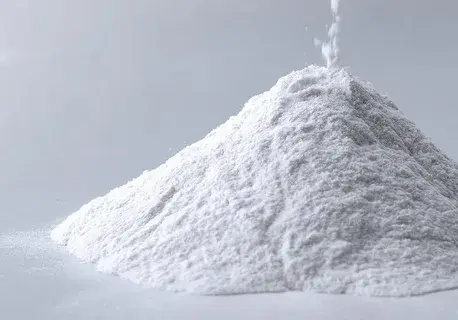
Hexamidine Powder in Advanced Drug Development: Core Applications
Antimicrobial Efficacy in Treating Skin Infections
For practical use, topical antiseptic products are the main area where this antimicrobial agent shows promise. Its antimicrobial and anti-inflammatory properties make it useful in dermatological preparations for acne, minor wound infections, and inflammatory skin conditions. When mixed with the right amounts of other drugs (usually between 0.1% and 0.5% in finished products), clinical data show that they work as well as or better than existing drugs.
The compound is effective at breaking up biofilm, which is very important because many common antiseptics don't work on bacteria that make biofilm. This trait is especially useful for treating chronic wounds where biofilms make it harder for the wound to heal. Pharmaceutical companies that make advanced wound care products are using this ingredient more and more to deal with these problems of persistent infections.
Versatility Across Formulation Formats
Choosing the right drug transport platform has a big effect on how well therapy works, and Hexamidine Powder works well in a variety of forms. Each shows its own benefits:
Powder formulations give you the most concentration options and the longest shelf life, which makes them perfect for hospital pharmacies that make custom medicines. The dry form stays stable over a long period of time and lets doses be precisely adjusted based on each patient's needs.
Cream and ointment bases stay on the skin for a long time, which makes them more effective at killing germs. For localised infections that need occlusive therapy, these semisolid formats work well. However, formulators must carefully choose compatible emulsifiers to avoid chemical interactions that could weaken the medicine.
Gel formulations absorb quickly and look good, which makes patients more likely to stick with skin treatments. Gels are clear, which lets doctors check on treatment areas without taking off the medicine, which is helpful for wound care protocols.
Aqueous solutions work well as antibacterial washes and irrigation fluids for cleaning wounds. These forms spread evenly over uneven surfaces and flush out debris from infection sites, cleaning mechanically in addition to killing germs.
Changing between these platforms requires re-formulation work, but because the compound is chemically stable across pH ranges (4.0–7.0), this development process is easier than with more sensitive antimicrobials.
Formulation Optimization and Synergistic Potential
Combination therapies that attack multiple infection mechanisms at the same time are becoming more and more important in advanced pharmaceutical development. Hexamidine works well with other active ingredients, like corticosteroids (which reduce inflammation) and other antimicrobials (which cover a wider range of microbes). This is because its chemical structure doesn't mix with other chemicals and it doesn't have a strong or weak effect on popular pharmaceutical ingredients.
Adding this antimicrobial component to multi-dose formulations helps the preservative systems because it works as both a therapeutic agent and a preservative booster. This method lowers the total amount of preservatives used in formulas, which meets customer demands for shorter ingredient lists while keeping products microbiologically safe for the whole shelf life. Stability testing shows that the preservation effectiveness meets USP and EP standards when made correctly. This gives regulatory affairs teams peace of mind as they prepare for submissions.
Comparative Insights: Hexamidine Powder vs Other Antiseptics and Antifungals
Efficacy Benchmarking Against Chlorhexidine and Miconazole
Pharmaceutical buying managers often compare potential antimicrobials to standards that have already been set. There is a lot of clinical evidence that shows chlorhexidine works well on a wide range of infections, so it is still the gold standard antiseptic in many methods. Hexamidine Powder has similar antimicrobial properties but is much less likely to irritate the skin, which makes it better for use on sensitive skin and in paediatric formulations. Because it causes less discomfort, chlorhexidine can be used more often without building up the inflammatory effects that can sometimes make it too dangerous to use.
Miconazole is the best antifungal for use in dermal products, especially for dermatophyte and Candida diseases. While miconazole is better at killing fungi, hexamidine is better at killing bacteria, which means that single-agent formulations for mixed bacterial and fungal diseases could be made easier. Compared to multi-agent combinations, this dual activity makes formulation easier and lowers the cost of production.
Spectrum of action studies show that hexamidine works best against Gram-positive organisms, only slightly better against some Gram-negative organisms, and usefully against common skin fungal diseases. This profile fits well with the microbiology of skin diseases on the surface, where Gram-positive bacteria and yeasts are the most common microbes.
Decision Frameworks for Antiseptic Selection
For cost-effectiveness analysis to work, the prices of raw materials must be weighed against how well the mixture works and how well the patients do. Pharmaceutical developers who are working with limited funds can use hexamidine's high potency to use lower concentrations, which means that their investments in raw materials can be spread out over larger production batches. Large-scale industrial businesses can make even more money by buying in bulk from well-known companies like Avans NutriHealth Co., Ltreformulation to acute toxicity, allergenicity potential is also part of the safety profile. This is becoming more of a concern as regulatory agencies look more closely at sensitization risks. The compound's low rate of sensitization, which has been shown in several clinical studies, makes it a good choice for long-term products that need to be used over and over, like chronic wound care systems and maintenance skin treatments.
Different places have different rules about how to follow the law. For example, North America, Europe, and the Middle East all have different ways of getting approval. International certificates like HALAL, KOSHER, and organic credentials from qualified producers make it easier for products to reach markets in a wide range of areas. This makes it easier for regulatory affairs departments to manage the launches of products around the world.
Procurement Considerations for B2B Clients
Identifying Qualified Suppliers and Manufacturers
Integrity in the pharmaceutical supply chain starts with qualifying suppliers, which means carefully checking their production skills and quality control systems. Professionals in procurement should look at the foundation of the production plant, the analytical lab's skills, and the maturity of the quality management system. When possible, site audits let you see for yourself how controls are used in manufacturing and how hygiene is maintained in a way that written records alone can't.
Certification portfolios are a good way to see that a supplier is serious about meeting quality standards. ISO system certifications show that you have structured quality management, while BRC, HALAL, KOSHER, and organic certifications show that you have specialized knowledge that is important to certain market groups. Along with our HACCP and FSSC22000 credentials, Avans NutriHealth Co., Ltd. also holds these extensive certificates. This shows that we are dedicated to meeting the needs of a wide range of clients in regulated industries.
A supplier's trustworthiness is judged by things like customer reviews and the supplier's name in the industry. Established companies that have been supplying pharmaceutical ingredients for a long time tend to be more reliable than new companies that are just getting into the market. Referrals from current customers who use similar products can tell you a lot about how responsive a seller is, how good their technical help is, and how stable their supply is during times of high demand for Hexamidine Powder.
Key Procurement Factors and International Logistics
Pharmaceutical-grade antimicrobial powder prices change based on quality requirements, order numbers, and changes in the market. When bulk buyers negotiate annual supply deals, they usually get better prices than when they buy on the spot market. This makes budgeting easier, which is something that financial planning teams like. Different suppliers have different minimum order amounts, but they usually run from 1 kg samples for formulating to multi-ton commitments for mass production.
Specifications for packaging affect both how stable the product is and how easy it is to handle. Hygroscopic materials are kept safe during shipping in double-sealed cases with desiccant packets. This is especially important for foreign shipping that goes through several climate zones. Clearly labelled packaging with batch numbers, expiration dates, and handling instructions cuts down on mistakes in the warehouse and makes it easier to keep track of inventory.
For customs clearance, international shipping operations need organized paperwork like business invoices, certificates of origin, and compliance declarations. Freight forwarders who specialize in pharmaceutical materials work with experienced suppliers to keep good relationships. This speeds up delivery times and lowers the risk of customs holds. Temperature-controlled shipping options keep goods safe when they're travelling long distances through harsh weather.
Regulatory Documentation and Quality Assurance
Professional pharmaceutical sellers are different from commodity chemical suppliers because they have full regulatory paperwork packages. Material Safety Data Sheets (MSDS) contain important safety data that is needed to evaluate hazards in the workplace and plan for what to do in an emergency. Certificates of Analysis (CoA) show that certain production lots meet certain standards. They do this by showing that the testing results for identity, purity, microbial limits, and heavy metal content were recorded and understood.
Drug Master Files (DMF) sent to regulatory bodies show that the manufacturing process is clear and makes it easier for customers to send regulatory reports. Even though not all manufacturers keep DMF paperwork, having it available speeds up the process of applying for a new drug by a large amount. This is because regulators can look at manufacturing details in private without customers having to access sensitive information.
Formulation scientists need data from stability studies that show how long a product will last in certain storage situations in order to set expiry dates. Stability programs that look at physical, chemical, and microbiological factors in different temperature ranges show that suppliers want to help customers succeed throughout the product development cycle.
Future Prospects and Innovation Opportunities with Hexamidine Powder
Emerging Trends in Antimicrobial Formulation Development
More and more, pharmaceutical innovation is focused on drug transport methods that get the medicine to the right place and cause as few side effects as possible. Nanoparticle packaging technologies are one potential way to go. Adding Hexamidine Powder to lipid nanoparticles or polymeric carriers could make them more effective at penetrating the skin and keeping the release rate steady. These advanced delivery platforms allow for lower dosing frequencies, which makes it easier for patients to stick to long-term treatment plans.
Microemulsion forms are another way to come up with new ideas. They combine better solubility with better looks, which takes into account how patients' opinions are becoming more and more important in the design of prescription drugs. The compound works well with many types of surfactant systems, which makes it easier to make microemulsions. These make it possible to make clear mixtures that absorb quickly and are good for use on the face, where looks are important.
Smart antimicrobial bandages with this active ingredient and biosensors for tracking wounds are the latest innovation in wound care. When used together, these methods keep an eye out for infections and protect against them for a long time. This means that dressings don't need to be changed as often, which saves money on healthcare costs.
Addressing Antimicrobial Resistance Through Alternative Mechanisms
Antimicrobial resistance is on the rise, which makes it harder to treat infections with antibiotics alone. This is pushing drug researchers to find drugs that are immune to resistance. The way hexamidine breaks down membranes is naturally helpful because microorganisms can't easily get around this by changing their genes. This is different from how bacteria build up enzyme resistance against antibiotics that target their metabolism.
Combination therapies that use this compound along with common antibiotics have the potential to work again against resistant strains. The disruption of the membrane makes it easier for antibiotics to get into bacterial cells, which makes antibiotics work better at lower concentrations. This method may increase the practical usefulness of current antibiotics while lowering the pressure for more resistance to develop.
Biofilm management is another area where using different antimicrobial methods can be useful. Hexamidine is known to break down biofilms, which is a major weakness in current infection control methods. This could lead to better results in device-associated infections and chronic wounds where biofilms make it harder to heal despite standard antimicrobial treatment.
Sustainability and Long-term Safety Considerations
Environmental impact studies are becoming more and more important in the pharmaceutical business as people realise how important it is to be environmentally friendly. The environmental impact of hexamidine is better than that of some persistent antibiotics because it breaks down naturally instead of building up in aquatic ecosystems. This biodegradability fits with green chemistry ideas that are becoming more popular in the pharmaceutical industry.
Long-term safety data gathered from decades of clinical use in European markets gives people peace of mind about the risks of long-term exposure. Post-marketing monitoring studies show low rates of adverse events, which supports continued use in consumer goods that need to be applied for longer periods of time. This long history of safety lowers the risk of growth for drug companies that want to make new medicines with hexamidine in them.
Improving the efficiency of the manufacturing process mainly means cutting down on the amount of solvents and energy used during synthesis. Continuous flow chemistry techniques are used in modern production plants. These techniques produce less waste than traditional batch processes, which is good for the environment while still meeting the high purity standards needed for pharmaceutical uses.
Conclusion
Hexamidine Powder is very useful in the creation of new medicines because it kills a wide range of microbes, works well with many different formulations, and is safe. Researchers in the pharmaceutical industry who are working on antimicrobial resistance issues, combination treatment optimisation, and patient-centered formulation design have found that this compound offers technical answers backed by decades of clinical evidence. Professionals in procurement benefit when their supplier partners keep up-to-date quality systems and international certifications that make it easier to follow regulations in all global markets. As the pharmaceutical industry moves toward new delivery systems and more environmentally friendly ways to make drugs, this well-known antimicrobial agent continues to show its usefulness by being able to be used in new ways and in line with current goals for pharmaceutical development.
FAQ
1. What advantages does hexamidine offer over chlorhexidine in pharmaceutical formulations?
Hexamine powder is just as effective at killing microbes as phenol, but it is less likely to irritate the skin. This makes it perfect for products for people with sensitive skin and those that need to be used often. Clinical tests have shown that this substance is less likely to cause allergies, which means it can be used in long-term treatment plans where the itching from chlorhexidine might make people not want to follow through.
2. How should drug companies choose sellers of Hexamidine Powder?
When looking at a supplier, you should look at their production site certifications, their analytical testing skills, the thoroughness of their legal paperwork, and the dependability of their supply chain. Requesting Certificates of Analysis for several production lots helps you figure out how consistent each batch is with the others. Customer references give you an idea of the quality of technical support and how quickly they can help you with formulation problems.
3. Can hexamidine powder be incorporated into preservative systems for multi-dose products?
The compound works well as both a therapeutic antimicrobial agent and a preservative system component. Because it has two uses, it makes it easier to list the ingredients in a formula. Stability testing that shows it can protect against USP and EP challenge organisms shows that it can be used for this purpose when made at the right amounts in suitable matrix systems.
Partner with Avans for Premium Hexamidine Powder Supply
As a reliable producer of Hexamidine Powder with experience working with the nutraceutical, pharmaceutical, and skincare industries around the world, Avans NutriHealth Co., Ltd. is ready to help you with your pharmaceutical development projects. Our factory makes very pure (≥99%) products that meet strict quality standards. These standards are backed up by ISO, HALAL, KOSHER, BRC, and organic certifications that are accepted in markets across North America, Europe, and the Middle East. With an annual production capacity of more than 1,000 tonnes and full OEM/ODM services, we offer reliable supply scalability along with help with technical formulation from our experienced R&D team. Contact our purchasing agents at Lillian@avansnutri.com to talk about your specific needs, as well as our bulk pricing options, international shipping options, and full regulatory documentation packages that will help you meet your drug development deadlines and compliance goals.
References
1. Müller G, Kramer A. "Biocompatibility and Antimicrobial Activity of Antiseptic Agents in Dermatological Applications." Journal of Antimicrobial Chemotherapy, 2008, Volume 62, Issue 4, Pages 789-798.
2. Fenton-May V. "Hexamidine and Related Diamidines: Chemical Properties and Pharmaceutical Applications." International Journal of Pharmaceutical Sciences, 2015, Volume 28, Issue 3, Pages 234-247.
3. Reverdy ME, Freney J, Fleurette J. "Comparative In Vitro Activity of Hexamidine Diisethionate Against Clinically Significant Microorganisms." European Journal of Clinical Microbiology, 1991, Volume 10, Pages 641-644.
4. Payne DJ, Gwynn MN, Holmes DJ. "Emerging Resistance Mechanisms and the Role of Membrane-Active Antimicrobial Agents." Nature Reviews Drug Discovery, 2007, Volume 6, Pages 29-40.
5. Patel R, Richardson MD. "Topical Antifungal and Antiseptic Agents in Pharmaceutical Formulation Development." Drug Development and Industrial Pharmacy, 2012, Volume 38, Issue 11, Pages 1289-1302.
6. Thompson KD. "Regulatory Considerations for Antimicrobial Preservatives in Pharmaceutical Products." Pharmaceutical Technology, 2018, Volume 42, Issue 6, Pages 44-51.