




What Should Buyers Know Before Importing Zeaxantin Powder?
Zeaxanthin powder represents a critical ingredient for manufacturers in the nutraceutical, pharmaceutical, and cosmetic sectors, serving as a powerful carotenoid antioxidant that protects cellular integrity and supports ocular health. Before importing this compound—cataloged under CAS No. 144-68-3—procurement managers must evaluate multiple dimensions, including source origin, certification validity, purity specifications, regulatory alignment, and supplier reliability. Understanding these factors safeguards investment, ensures compliance with target market regulations, and guarantees that your end products meet the rigorous standards demanded by today's health-conscious consumers.
Understanding Zeaxanthin Powder: Essential Knowledge for Buyers
Natural vs. Synthetic Origins: What Matters for Your Formulation
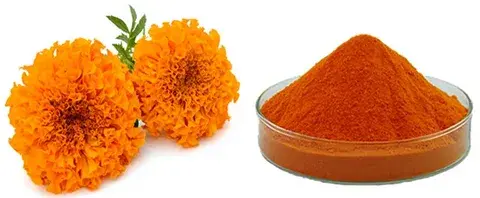
Zeaxantin Powder is naturally found in corn, egg yolks, leafy greens, marigold flowers, and more. However, marigold petals are mostly used for commercial extraction. Natural Zeaxantin Powder usually looks like a fine orange-yellow to orange-red powder, which shows that it is made up of carotenoids. Even though synthetic options are chemically the same, they may make people who want to buy clean-label goods nervous.
Natural extracts are more popular on the market, especially in natural or organic health goods. People who want to buy Zeaxantin Powder for use in nutraceuticals should make sure that it comes from plants and not from synthetic fermentation. This difference affects not only how people think about it, but also who can get organic certifications like USDA Organic, which limits the use of synthetic inputs.
Purity Specifications and Bioavailability Considerations
Zeaxanthin Powder is sold in the market in different amounts, usually 5%, 10%, or 20% standardised strength. Prices are higher for higher quality types, but they have better bioavailability and dose efficiency. A 20% extract needs smaller amounts to be added to capsules or tablets, which lowers the cost of formulation and makes label claims more accurate.
It depends on the particle size, how well it dissolves in fat, and how well it works with the matrix. Powders that are micronised and have particles smaller than 200 mesh disperse better in oil-based formulas that are popular in softgel encapsulation. When making vitamins for eye health, research and development teams should focus on products that have been shown to have high absorption rates in clinical or pharmacokinetic studies.
Regulatory Frameworks Governing Carotenoid Imports
Zeaxantin Powder that is going to be sold in the United States has to follow 21 CFR Part 111, which is the FDA's rules for dietary supplements. The chemical is generally thought to be safe (GRAS) when used in standard doses, which are usually 2–10 mg daily for eye health purposes. But importers have to back up any claims about structure and function that are made on product labels.
Novel Food Regulations (EU) 2015/2283 are tougher in the European Union, and some sources of carotenoids need to be approved before they can be sold. Buyers who do business with EU clients should make sure that their source keeps authorisation dossiers up to date. In the Middle East, HALAL certification is required, and in North America, kosher approval makes it easier to reach certain groups of customers.
Market Comparison and Quality Criteria for Zeaxanthin Powder
Evaluating Quality Markers Across Supplier Offerings
Verification of the certificate is the first step in judging quality. Suppliers that are trustworthy have multiple levels of certifications, such as ISO 22000 for managing food safety, HACCP for analysing risks, and FSSC 22000 for full food safety systems. As the raw materials are sourced to the final packaging, these frameworks make sure that everything can be tracked.
Testing by a third party is still required. Manufacturers with a good reputation provide Certificates of Analysis (COA) from independent labs that confirm:
- Assay Purity: HPLC proof matching labelled content (within a 5% range of error).
- Heavy Metal Screening: Lead <1.0 ppm, Arsenic <0.5 ppm, and Cadmium <0.5 ppm were screened for heavy metals.
- Microbial Limits: Total Plate Count <1000 cfu/g, Yeast/Mold <100 cfu/g
- Pesticide Residues: Compliance with EU Regulation 396/2005 or USDA rules
Organic certifications, while voluntary, signal adherence to non-GMO protocols and sustainable cultivation practices increasingly demanded by premium supplement brands.
Pricing Structures and Cost-Performance Analysis
The price of Zeaxantin Powder changes depending on the quantity, the amount ordered, and how hard it is to get certified. On the market right now, natural 10% extracts cost between $180 and $320 per kilogram for orders over 100 kg, and organic-certified versions sell for 20 to 35 percent more. Buyers should ask for tiered pricing schedules because making large orders can often lead to big price cuts.
Long-term security is directly affected by the rules for packaging. Carotenoids stay intact during transcontinental shipping in aluminium foil bags that are flushed with nitrogen. This stops oxidative decay that lowers strength. Packaging that is double-sealed and has desiccant inserts should be required, not optional.
Distinguishing Source Quality Through Supply Chain Transparency
China grows most of the marigolds and makes most of the Zeaxantin Powder in the world. If you buy from certified manufacturers, they offer competitive prices without sacrificing quality. Based in China's botanical extract hub, Avans NutriHealth Co., Ltd. is a great example of the benefits of factory-direct buying. They handle all of their partnerships for farming, extraction parameters, and quality checks through a single management system.
Buyers should ask for facility audit reports or have third parties check the property. Today's extraction facilities use supercritical CO2 or ethanol extraction methods that protect the delicate structure of the carotenoids while getting rid of the solvent residues. Older facilities that use hexane extraction may add small amounts of chemicals that aren't safe for medicinal uses.
How to Choose the Right Zeaxanthin Powder Supplier for B2B Procurement
Certification Verification: Beyond Surface-Level Claims
Professional sellers and dealers can be told apart by their certifications of authenticity. Get certified copies of ISO 22000, HACCP, FSSC 22000, HALAL, and Kosher certificates, and then use official registries to check the legitimacy of the organisations that issued them. For big store chains in North America and Europe, BRC (Brand Reputation through Compliance) approval is a sign that they are ready to sell.
USDA organic certification needs to be renewed every year and randomly tested. Check the certificate's end date and the validity of the NOP seal. Suppliers with multiple certifications show that their operations are mature and that they invest in quality infrastructure rather than just meeting the minimum requirements.
OEM and Private Label Capabilities for Brand Differentiation
Manufacturers that offer OEM (Original Equipment Manufacturer) services can create unique formulations by mixing Zeaxantin Powder with ingredients that work well together, such as lutein, bilberry extract, or omega-3 fatty acids. Time-to-market is sped up for brands that don't have their own R&D facilities.
Private label services go even further; they offer complete packages that include formula creation, stability testing, legal paperwork, and branded packing. Suppliers with their own technical teams can change the amounts of extracts or the ways they are delivered, like making water-dispersible powders for use in drinks, to fit different market positioning strategies.
Logistics and Minimum Order Quantities: Balancing Inventory Risk
After an order is confirmed, lead times for Zeaxantin Powder are usually between 15 and 25 days. This includes planning production, making sure the quality is good, and getting export paperwork ready. When suppliers keep goods on hand, as Avans does, they can speed up shipments to 7–10 days, which is very helpful for dealing with sudden spikes in demand or product launch dates.
Minimum order quantities (MOQ) are very different. For example, established manufacturers usually set MOQs at 25–50 kg, while trading companies may ask for 200 kg or more. Lower MOQs give you more freedom for trial batches or seasonal product lines, but the cost per unit goes up. During the first meeting, talk about the MOQ and make sure that sample amounts (1–5 kg) can be provided at reasonable prices before committing to bulk orders.
Avoiding Common Pitfalls When Importing Zeaxanthin Powder
Recognizing Adulteration and Counterfeit Documentation
Sometimes, cheaper carotenoids like beta-carotene or manufactured colourants that look like the real thing but don't have any beneficial properties get mixed in with Zeaxanthin Powder. Prices that are much lower than the market average (>30% discount), refusal to provide third-party COAs, or unclear origin statements are all red flags.
There are big problems with fake certifications. People who buy fake organic certificates or testing reports risk fines from the government, product refunds, and damage to their image. Always check certificates with the organization that issued them. For example, you can use the Organic Integrity Database to verify a USDA organic certificate, and HALAL certifications should list the individual certifying body accreditation.
Essential Documentation for Customs Clearance
To successfully ship goods, you need a Commercial Invoice, a Packing List, a Bill of Lading, a Certificate of Origin, and a Phytosanitary Certificate for plant products. The Material Safety Data Sheet (MSDS) lists safety measures to take when handling the material, and the Certificate of Analysis (COA) confirms the quality factors that are unique to each batch.
Additionally, US customs needs food-grade products to file a Prior Notice with the FDA at least two hours before they arrive. Not following the rules leads to forced arrest, which costs money and causes shipments to be held up. Work with providers who know how to handle exports and who will send you all the necessary paperwork before you ask for it.
Third-Party Verification and Ongoing Quality Assurance
Even if the seller gives the buyer a COA, smart buyers still check it themselves at accredited labs. Send in samples that were kept from each package to be tested again for assay accuracy, heavy metals, and microbial pollution. This practice sets standards for quality and gives people power when they are arguing about something.
Set up regular auditing plans for your suppliers. You could visit their facilities once a year or hire outside inspectors to check for operating consistency. Checklists for audits should include things like keeping track of where raw materials come from, how equipment is calibrated, how employees are trained, and how to handle complaints. Suppliers who don't want to be transparent should be looked at again, even if they offer better prices.
Practical Steps for a Successful Zeaxanthin Powder Importation
Defining Quality Benchmarks Aligned with End-Use Applications
Clear specifications are the first step to a successful procurement. For mass-market supplements, 5–10% extracts that meet standard food-grade standards may be enough. But for premium eye health formulations, 20% extracts that are organically certified and have higher purity profiles are needed. For cosmetic uses that focus on protecting the skin from UV rays, you need water-dispersible forms that have been shown to be stable in emulsion systems.
Fill out detailed specification sheets with technical needs such as particle size distribution, moisture content (<5%), ash content (<5%), and transport materials. Spray-dried powders with maltodextrin carriers have better flow properties for automated encapsulation, but clean-label brands may prefer freeze-dried powders without carriers, even though they are more expensive.
Negotiation Strategies and Payment Term Considerations
Clear contact with suppliers is the key to building good ties with them. During the first negotiations, make sure that you are clear about your expected volume, delivery dates, and quality standards. Ask for written promises of production lead times and spell out the consequences for missing those dates.
Payment terms usually follow 30% deposit upon order confirmation, 70% balance against copy of shipping documents—though established relationships may discuss net-30 or net-60 terms. Letters of Credit protect big first orders, but bank fees (0.5 to 1.5% of transaction value) raise the total cost of doing business. Talk about payment freedom while keeping safety measures in place until the supplier's dependability has been proven by several successful orders.
Incoming Inspection Protocols and Batch Testing Procedures
When the package arrives, it should be inspected visually before it is accepted. This is to make sure that the packaging is intact, the labels are correct, and the batch number matches the paperwork. Put new items in quarantine until the lab confirms important details, especially the purity of the test and the maximum number of microbes that can be present.
Use random sample plans that are in line with ISO 2859 standards for accepting lots. Keep reference samples from each batch in a controlled environment (below 25°C and out of the light) for at least 12 months. This will allow testing to be done after the fact if quality problems arise after the products have been distributed. Keep track of all the results of your inspections in batch records. This will help with governmental checks and answering customer questions.
Establish clear reject criteria and supplier corrective action procedures. If the quality is off by less than 5% from what was specified, it's usually possible to accept it with price changes. If it's off by more than 10%, it has to be rejected and replaced at the supplier's cost. These rules, which are spelt out in Quality Agreements that are signed before the first sale, stop arguments and make it clear who is responsible for what.
Conclusion
To successfully import Zeaxantin Powder, you need to do a lot of research, including checking the source, making sure the approval is real, making sure you're following all the rules, and evaluating the supplier's skills. Setting strict quality standards, keeping up with paperwork, and fostering open relationships with suppliers are all things that buyers can do to help their companies consistently make great products and be competitive in the market. International purchasing can be tricky, from understanding customs rules to making sure that each batch is the same. This shows how important it is to work with seasoned manufacturers who offer factory-direct sourcing, robust certifications, and technical support throughout the supply chain journey.
FAQ
1. What certifications should I verify before importing zeaxanthin powder?
Give more weight to providers who have ISO 22000 for managing food safety, HACCP for controlling hazards, and FSSC 22000 for full safety systems. Organic product lines need to be certified by the USDA, and HALAL and Kosher approvals help businesses reach more customers. BRC certification lets big stores know they are ready to export. Instead of taking documents at face value, always ask for certified copies and check their authenticity through granting body records.
2. How do I distinguish natural from synthetic zeaxanthin extracts?
Natural Zeaxantin Powder comes from marigold flowers or other plants, and it has a complicated makeup of carotenoids and phytonutrients. Isolated trans-zeaxanthin molecules are found in synthetic versions that are made through chemical synthesis. Ask for proof of botanical origin and look for organic certifications, which don't allow synthetic inputs. Testing by a third party can prove the presence of plant markers that aren't found in synthetic goods, but it may need specialised chromatography.
3. What are typical lead times and minimum order quantities?
Custom production runs from well-known manufacturers usually take 15 to 25 days, but orders can be filled within 7 to 10 days by suppliers who keep stock. For factory-direct sources, the minimum order quantity is usually between 25 kg and 50 kg. For trading companies, it may be 200 kg or more. Before committing to large sales, talk about sample sizes (1–5 kg) at fair prices. This will allow you to try out different formulations and make sure the quality is good.
4. How should zeaxanthin powder be stored after importation?
Keep Zeaxantin Powder in dark, tightly sealed packages that are out of direct light, since light breaks down carotenoids. Keep temperatures below 25°C in places with low humidity, ideally below 60% relative humidity. By stopping oxidative decay, nitrogen flushing or vacuum sealing can make food last longer on the shelf. When stored properly, material stays active for 24 months, but it needs to be tested every so often to make sure it continues to meet specifications.
Ready to Source Premium Zeaxanthin Extract Powder?
Avans NutriHealth Co., Ltd. delivers pharmaceutical-grade zeaxanthin extract powder in 5%, 10%, and 20% concentrations, manufactured under ISO 22000, HACCP, FSSC 22000, HALAL, and USDA Organic certifications. Our China-based production facilities maintain continuous inventory, enabling rapid fulfillment with typical lead times under 10 days for in-stock specifications. As an established zeaxanthin powder manufacturer, we provide comprehensive OEM services, from custom formulation development to private label packaging, backed by our dedicated technical team's expertise in nutraceutical, cosmetic, and pharmaceutical applications. Contact our team at Lillian@avansnutri.com to discuss your specific requirements, request COAs and samples, or schedule a facility audit—experience the difference that factory-direct sourcing and two decades of botanical extract specialization deliver to your procurement process.
References
1. Bone, R. A., Landrum, J. T., & Tarsis, S. L. (1985). "Preliminary identification of the human macular pigment." Vision Research, 25(11), 1531-1535.
2. Bernstein, P. S., Li, B., Vachali, P. P., Gorusupudi, A., Shyam, R., Henriksen, B. S., & Nolan, J. M. (2016). "Lutein, zeaxanthin, and meso-zeaxanthin: The basic and clinical science underlying carotenoid-based nutritional interventions against ocular disease." Progress in Retinal and Eye Research, 50, 34-66.
3. Abdel-Aal, E. S. M., Akhtar, H., Zaheer, K., & Ali, R. (2013). "Dietary sources of lutein and zeaxanthin carotenoids and their role in eye health." Nutrients, 5(4), 1169-1185.
4. Sowmya Priya, E. S., & Gupta, A. (2020). "Chemistry and applications of zeaxanthin: A critical review." Journal of Food Science and Technology, 57(4), 1229-1239.
5. European Food Safety Authority (EFSA). (2012). "Scientific opinion on the substantiation of health claims related to zeaxanthin and maintenance of normal vision." EFSA Journal, 10(7), 2752.
6. United States Pharmacopeia (USP). (2021). "Dietary Supplements Compendium: Zeaxanthin Monograph." USP-NF Standards, Rockville, MD.