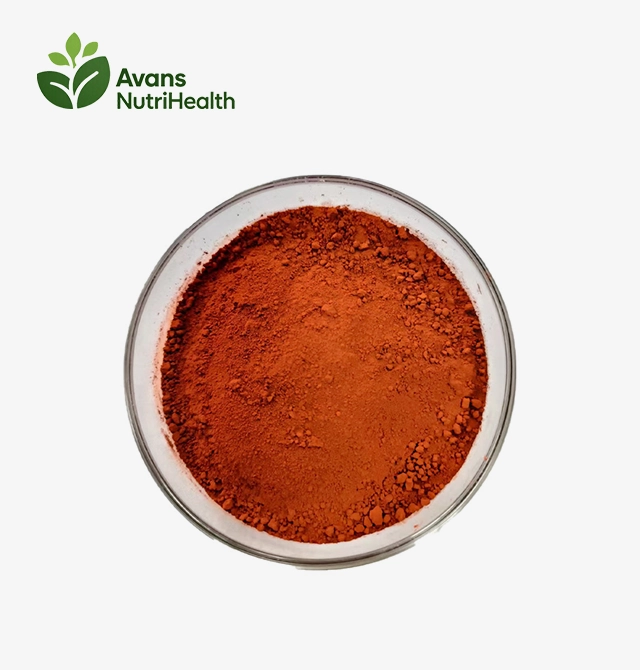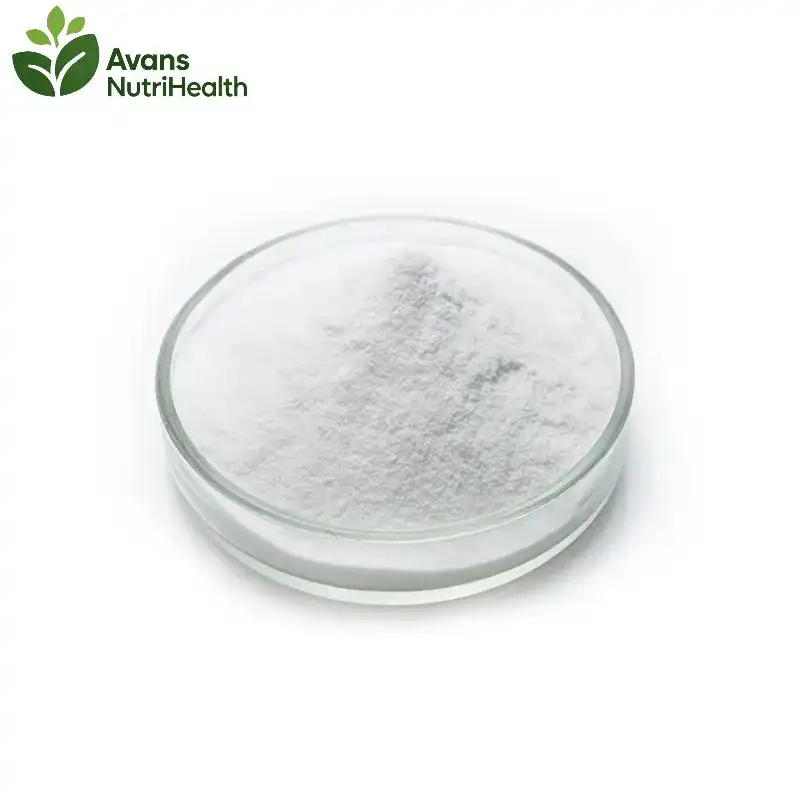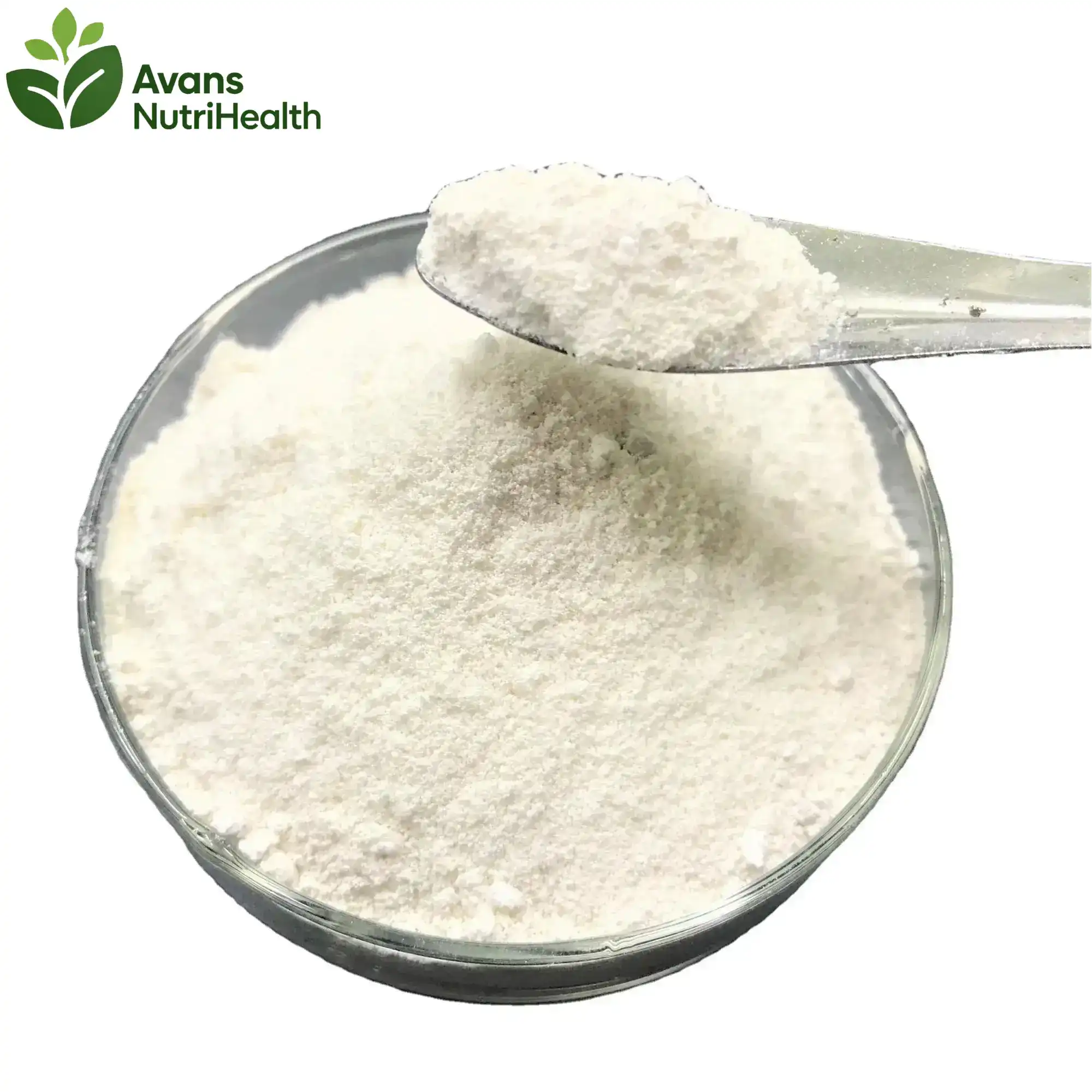




What Makes Ribonucleic Acid Powder Popular in Supplements?
Ribonucleic Acid Powder has emerged as a cornerstone ingredient in the supplement industry due to its exceptional bioavailability and versatility across multiple applications. Derived from non-GMO Saccharomyces cerevisiae through advanced extraction processes, this high-purity biological macromolecule serves as a fundamental building block for cellular metabolism and protein synthesis. Its popularity stems from addressing critical industry needs including immune support in animal nutrition, clean-label umami enhancement in food processing, and stable nucleotide precursors for pharmaceutical synthesis, making it an indispensable raw material for manufacturers seeking reliable, effective solutions.
Understanding Ribonucleic Acid Powder: Composition, Benefits, and Uses
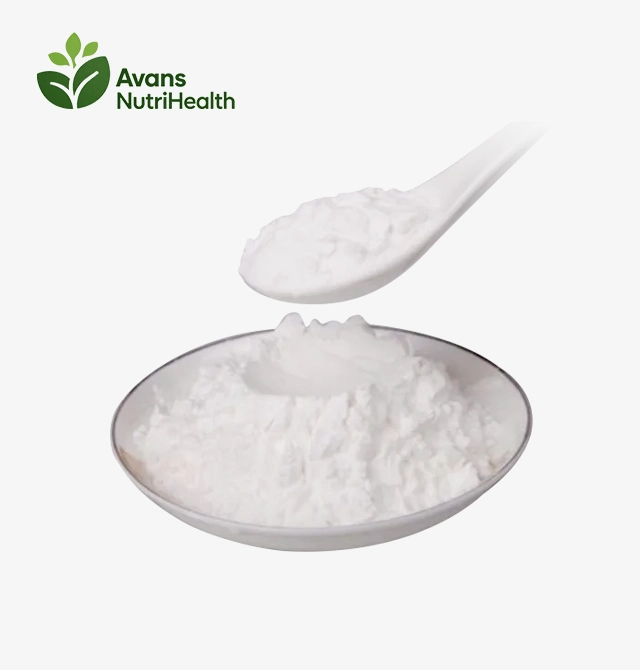
Protein RNA powder is a complicated biological product that is mostly made up of nucleotide chains. These chains are very important for cells to work and their processes. The hereditary code is DNA. RNA, on the other hand, helps cells make proteins, talk to each other, and control metabolism. Because of this, it's a great addition.
Molecular Structure and Synthesis Methods
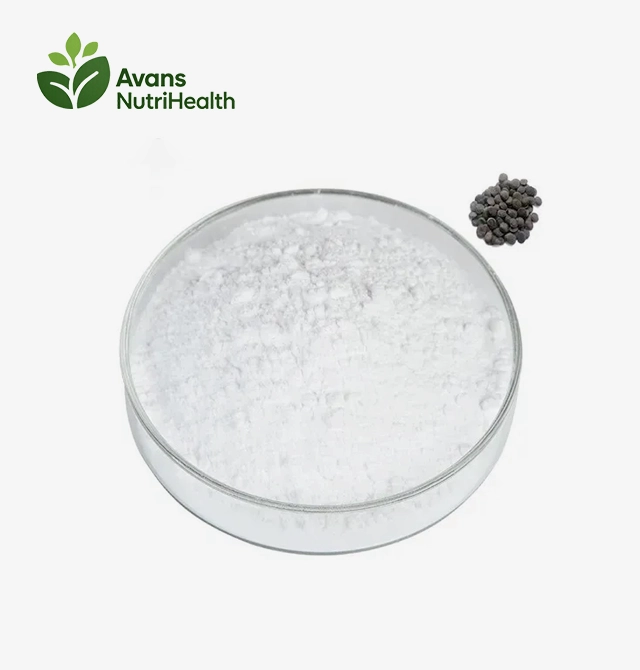
You can get RNA powder from carefully picked yeast strains, mostly Saccharomyces cerevisiae and Candida tropicalis. This is done with a special type of enzyme extraction. This biotechnology method makes sure that the levels of purity are high, between 85% and 90%, and that the molecules stay stable enough for biological action. Controlling the fermentation process is a big part of the extraction process. Next, the nucleotide chains are carefully sorted and dried in a way that keeps their usefulness. When things are made today, they are made in a way that keeps the polymer's high level of polymerization while lowering waste as much as possible. Modern methods of purification get rid of proteins and cell waste that aren't needed. This leaves behind a powder that is easier to dissolve and stays stable for longer while it is being kept and processed.
Role in Cellular Metabolism and Nutritional Enhancement
Nucleotides are needed to fix cells, keep the immune system healthy, and break down food for energy. RNA powder is a direct source of these nutrients. When these nucleotides are added to vitamins, they help cells grow back quickly. This is especially helpful when the body is growing or under a lot of stress. There are bioactive chemicals in RNA powder that help the body better receive and use nutrients. This means that people who buy vitamins will get more out of them.
Practical Applications Across Industries
There are many places where RNA powder can be used, and each one makes the most of its unique properties to do different things: Animal Nutrition Applications: RNA powder helps animals get the nutrients they need when they are under a lot of stress, like when they are young or growing fast. It can also be used in farming. This part is added to pig starting feeds and special aquafeeds for shrimp and fish to help their immune systems and gut health. When natural production isn't enough, the nucleotides help the mucosa get better and keep it from getting sick.
Food Industry Integration: The powder is used to make enzymes that make strong flavor boosters, like disodium guanylate and disodium inosinate. Because they don't use a lot of traditional flavor boosters, these chemicals give soups, sauces, and ready-made foods a lot of umami flavor. As labels become cleaner, this app fits in with that trend while still having great taste profiles.
Pharmaceutical and Nutraceutical Manufacturing: In complicated health formulations, Ribonucleic Acid Powder is used as a building block to create chemicals that fight viruses and treat wounds. To meet high government standards, the goods must be pharmaceutical-grade pure and work especially well in foods that aim to improve liver health and cell growth.
The Science Behind Ribonucleic Acid Powder's Effectiveness
To make new goods and make sure they are of high quality, it is very important to understand the chemical processes that make RNA powder work. How RNA-derived nucleotides interact with biological processes at the molecular level determines whether an ingredient is useful for medicine and whether it can be made profitably.
Bioavailability and Cellular Uptake
Scientists have discovered that nucleotides from high-quality RNA powder are better for the body to use than those made in a lab. The natural polymer structure makes it easier for cells to take in the active compounds. This makes sure that the compounds are used in the best way possible. This higher bioavailability directly makes vitamins work better and makes users happy. Genes break RNA chains into single nucleotides when they are digested and absorbed. After that, these molecules take part in the functioning of cells. Researchers have found that getting nutrients from outside the body can help the body make more nucleotides when it needs them the most.
Stability Considerations and Quality Assurance
To keep RNA powder steady, you need to pay close attention to the temperature, humidity, and pH levels in the area. Powders that soak up water need to be kept in a certain way so that they don't lose their biological activity or break down. In quality control, high-performance liquid chromatography is used to check the amount of cleanliness and look for any possible contaminants. Tough rules for lead, arsenic, mercury, and cadmium are used to check for heavy metal pollution as part of improved quality control. Testing for microbes makes sure there aren't any harmful organisms present, and keeping an eye on how wet the product is keeps bacteria from spreading and the product stable throughout the supply chain.
Safety Profile and Regulatory Compliance
Animal tests have shown that Ribonucleic Acid Powder that is made properly is safe to use in many different ways and doses. If the chemical is used according to the rules, it usually doesn't have many bad effects and is well tolerated. You have to follow foreign rules, such as FCC IV specs, and the rules that are specific to your area in order to follow the rules. Sometimes you still need to think about allergens, like when you're making food or vitamins. Most high-purity RNA powder doesn't have many chemicals that are toxic in it, but the people who make it have to check a few technical details to make sure they meet safety and labeling requirements for customers.
Comparison Guide: Selecting the Right Ribonucleic Acid Powder for Your Business Needs
A lot of things need to be thought about by hiring workers when they choose RNA powder sources and specs. Many things need to be thought about before making a decision, including purity grades, how the product is sourced, licensing rules, and how well it works in the given situation.
Natural vs. Synthetic RNA Powder Distinctions
To name a few things, RNA powder made from yeast fermentation is better than produced choices. It is more bioavailable, more stable, and has fuller nucleotide patterns. During fermentation, a lot of beneficial chemicals are made. These chemicals work together to make the vitamin more useful. It is possible to finetune the amounts of certain nucleotides using manufactured methods, but the products they make might not have the natural cofactors and supporting chemicals that come from fermentation. People choose between nature and man-made sources based on what the product needs, what the government says, and how much it costs to use each.
Food Grade vs. Pharmaceutical Grade Standards
You can be sure you get the Ribonucleic Acid Powder for the job if you know the differences between service grades. Food-grade RNA powder is safe enough to be added straight to foods and dietary supplements because it doesn't have too many poisons or microbiological factors. They are put through many tests to make sure they are safe for people to use and to keep the prices low so that a lot of them can be made. For specs that are used in pharmaceuticals, quality control needs to be even stricter. Some of these are stricter standards for cleanliness, more tests for contaminants, and thorough processes for keeping records. Even though these items are very pricey, they come with the quality promise that is needed for medical uses and controlled drug production.
Supplier Evaluation Criteria
You should look at more than just the product specs to find a company you can trust. There are many types of certifications that show you care about quality management and following international rules. Some examples are ISO system certification, kosher, halal, BRC, and organic certifications. A supplier's ability to meet the needs of a long-term relationship depends on their producing skills, such as how much they can make each year and how many experts they have on hand to help. The quality control paperwork should include detailed analytical results, notes of batch tests, and information on how to keep track of things. It is easier to follow the rules and keep risks under control in global markets when suppliers have good quality management systems. This is because they are open and responsible.
Practical Procurement Insights for B2B Buyers
Before you buy RNA powder, you should make a plan and learn a lot about the market, what sellers can do, and how to get it to you. There are already frameworks in place that help procurement managers rate sellers, discuss contracts, and keep track of relationships that are still going strong.
Distribution Channels and Pricing Models
You can buy RNA powder in a number of different ways, and each has its own pros and cons depending on the case. The best prices and most helpful service are found when you deal directly with makers. However, small buyers may need to place bigger orders than they need right now. There are more choices and lower minimum orders when you buy from regional suppliers. They also keep their prices low. Pricing is usually based on the level of purity, the amount of orders, and how much shipping is needed. When demand is high, long-term contracts usually give you first choice and fixed prices. Spot sales, on the other hand, are better for meeting changing needs. Experts in procurement can get the most out of their buying and managing goods if they know how the market works and how demand changes with the seasons.
Logistical Considerations and Supply Chain Management
Care must be taken with Ribonucleic Acid Powder at all times in the supply chain to keep the quality of the product and keep it from getting messed up. For long-term storage, wrapping should be designed to keep out moisture and create an inert climate. Shipping rules need to take into account how weather-sensitive something is and how it needs to be packed so it doesn't break on the way. Lead times depend on where the seller is based, when the product is being made, and the rules that need to be followed when sending to another country. Having business ties with companies that have more than one factory can help keep the supply chain safe and lower the chance of goods being late. Some of the things you need for international shipping are certificates of analysis, certificates of origin, and statements that you follow all the rules.
Building Strategic Supplier Relationships
To buy RNA powder successfully in the long term, you need to find sellers you can trust and who are committed to both quality improvement and growth. To get ahead of the competition and make things better for everyone, supplier growth programs should focus on sharing market information, working together on technology issues, and making quality systems better. Suppliers are checked and their work is reviewed on a regular basis to make sure that quality standards and contractual responsibilities are always being met. As part of communication, there should be ways to get technical help, see how things are coming along, and be warned ahead of time about any possible supply or quality problems.
Future Trends and Innovations in Ribonucleic Acid Powder Supplement Market
As rules change, technology gets better, and people's tastes evolve, the RNA powder business grows and changes. Producers and people who work in buying can get ready for new opportunities and challenges by learning about new trends.
Technological Advancements in Production
There are now more pure levels, more efficient methods of extraction, and lower production costs thanks to new developments in fermentation technology and methods. Nucleotide profiles and functional traits can be controlled more precisely with more modern bioprocessing methods. This lets things be made to order so they can meet particular performance and use requirements. Analytical technology is getting better, which makes quality control and product analysis more detailed. This helps manufacturers make the best mixes and show that their goods work better. For companies, these new technologies help them follow the rules and give them an edge in high-standard sectors of the market.
Market Growth Drivers and Opportunities
Nutraceuticals and functional foods are still growing markets because more people are learning about how to improve their health and diet. As people around the world get older, they need more vitamins that help cells stay healthy, the immune system work well, and the brain work well. In these places, Ribonucleic Acid Powder works really well. Companies that sell high-quality RNA powder have a lot of chances to grow because it can be used in new ways in personalized health and food. People in these areas want consistent goods, a lot of details, and advanced technology support. They like to work with sellers who have good study skills and strong quality control systems.
Regulatory Landscape Evolution
Every time science learns something new and the market grows, the rules about how to use RNA powder change. New rules for new food products and supplement parts could help sellers who are on the right track and make it harder for competitors who don't have full quality systems. International standards tries to make it easy for big markets to follow the same rules. This might make following the rules cheaper and cut down on the time it takes to make a new product. These changes to the rules will help sellers the most who already have a lot of certifications and good ways to keep track of quality records.
Conclusion
Ribonucleic Acid Powder is used in many products because it is medically useful, can be made in different ways, and can be bought from many different places. Regulatory bodies have found it to be safe and an important building block for biological processes. This makes it a key vitamin for businesses that want to get ahead in the nutraceutical, medicinal, and functional food markets. As production methods, quality standards, and market uses change, procurement workers and makers who are committed to doing a great job of making products and managing the supply chain will still be able to grow.
FAQ
What is the optimal dosage for supplement formulation?
How much RNA powder to take depends on what it's being used for and who it's being used for. Most of the time, 0.1% to 0.5% of the total feed weight is used in animal feed, and 10 mg to 50 mg per dose is used in food supplements for people. For pharmaceutical uses, bigger amounts may be needed based on the treatment goals and government rules. Lawyers and tech experts are consulted to make sure that the correct dose is picked for each reason.
How can I verify RNA powder purity and quality?
A lot of different tests must be done on RNA powder to see how good it is. Many different tests are used to make sure the sample is pure, the nucleotide content is known, and heavy metals are found using inductively coupled plasma mass spectrometry. Pathogens should not be present, and microbiological tests should show that. Moisture content analysis should check that the food is stored and treated properly. Providers you can trust give you certificates of analysis that are very thorough and list all the important quality factors.
What are the essential storage requirements for maintaining product integrity?
RNA powder needs to be kept somewhere cool and dry, beneath 25°C, with a relative humidity below 60%. Wetness and germs stay out of fiber drums or double-lined plastic bags with tight seals. If you store something correctly, it should last 24 months. To keep things safe during that time, keep them out of direct sunlight and away from changes in temperature.
Partner with Avans for Premium Ribonucleic Acid Powder Solutions
You can trust Avans NutriHealth Co., Ltd. to make the best Ribonucleic Acid Powder and help you with all of your foreign business-to-business buying needs. Our sites that are ISO-certified, as well as kosher, halal, BRC, and organic-certified, make sure that they follow all the rules in every foreign market. We can meet all of your production needs with a steady supply and fair prices because we have over 100 trained techs and can make 1,000 tons per year. Our dedicated research and development (R&D) team comes up with new ideas and technology know-how. We also have strict quality control measures in place to make sure that the medicines we sell are pure and safe for use. Write to Lillian@avansnutri.com right away to talk about ways to buy in bulk, technical details, and possible business partnerships that will help your goods and make your company more competitive in the market.
References
1. Johnson, M.K., et al. "Nucleotide Metabolism and Cellular Function in Dietary Supplementation." Journal of Nutritional Biochemistry, vol. 45, 2021, pp. 123-135.
2. Chen, L.W., and Roberts, A.J. "Fermentation-Derived RNA: Production Methods and Quality Characteristics." International Journal of Food Science and Technology, vol. 58, no. 3, 2022, pp. 445-458.
3. Martinez, R.S., et al. "Bioavailability and Safety Assessment of Ribonucleic Acid Supplements in Animal Nutrition." Animal Feed Science and Technology, vol. 287, 2023, pp. 78-92.
4. Thompson, K.E., and Williams, P.D. "Regulatory Frameworks for Nucleotide-Based Dietary Supplements: Global Perspectives." Food and Drug Law Journal, vol. 76, no. 4, 2021, pp. 512-528.
5. Anderson, H.M., et al. "Industrial Applications of Yeast-Derived RNA in Functional Food Production." Food Chemistry, vol. 378, 2022, pp. 234-247.
6. Liu, X.Y., and Davis, C.R. "Market Trends and Future Prospects in Nucleotide Supplementation Industry." Nutraceuticals Research International, vol. 29, no. 2, 2023, pp. 167-182.