



What is DHA powder?
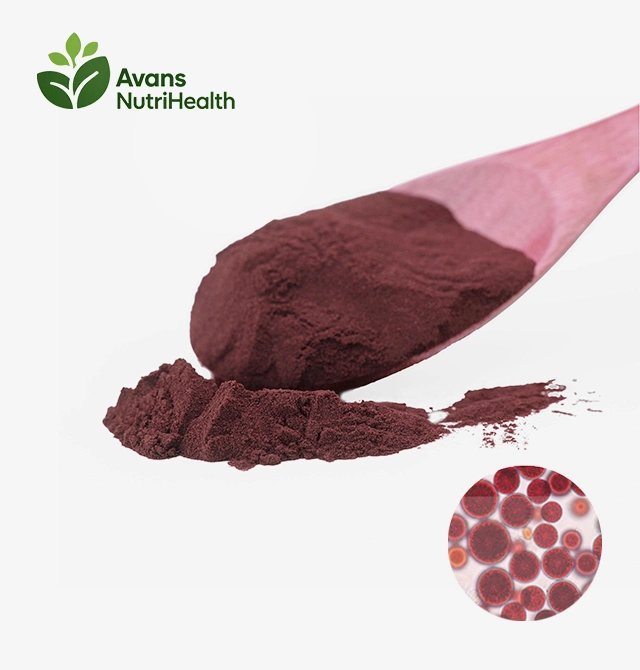
DHA Powder is a microencapsulated form of docosahexaenoic acid, an essential omega-3 fatty acid engineered specifically for industrial applications. Unlike traditional DHA oil formats, this sophisticated powder utilizes advanced spray-drying technology to transform liquid omega-3s into a stable, free-flowing solid that maintains nutritional potency while offering superior handling characteristics for large-scale manufacturing operations across nutraceutical, pharmaceutical, and food industries.
Understanding DHA Powder: Definition and Key Facts
Chemical Composition and Manufacturing Process
Docosahexaenoic acid oil is microencapsulated in protective hydrophilic frameworks to make DHA powder, which is a big step forward in useful lipid delivery methods. High-pressure blending and spray-drying technology are used to make the product. The hydrophobic DHA oil core is surrounded by wall materials like modified starch, whey protein, or casein. This complex encapsulation solves three important production problems that have generally limited the uses of DHA oil. Under the right storage conditions, the protective shell structure stops oxygen breakdown, which raises the shelf life from months to two to three years. The encapsulation matrix does a good job of hiding any biological off-notes that could cause sense rejection in sensitive uses like baby formula or dairy products.
Source Materials and Purity Standards
Schizochytrium sp. algae or deep-sea tuna oil are the main ingredients used in contemporary DHA Powder making. Marine-sourced options usually have higher concentration levels, while algal-derived options have clear benefits for companies that want to sell to veggie and vegetarian customers. Picking one of these sources has a big effect on how the product is positioned, how well it meets regulations, and how much it costs. According to quality standards, DHA loads should be between 10% and 30% by weight, and for improved high-load formulas, they can reach 40%. The amount of surface-free oil must stay below 1% to keep the oil from oxidizing quickly and to keep the taste balance. Moisture content requirements below 5.0 percent stop the growth of microbes and caking while the product is being stored.
Particle Structure and Physical Properties
The designed particle size distribution between 150 and 300 microns makes sure that the mixture mixes evenly without separating or spreading too much. For consistent capsule filling and packing operations, optimizing the bulk density between 0.4 and 0.6 g/mL is very important. The ability to disperse in cold water allows for steady emulsion formation within 30 minutes without phase separation, which is very important for beverage uses.
Benefits and Applications of DHA Powder in B2B Markets
Nutritional and Functional Advantages
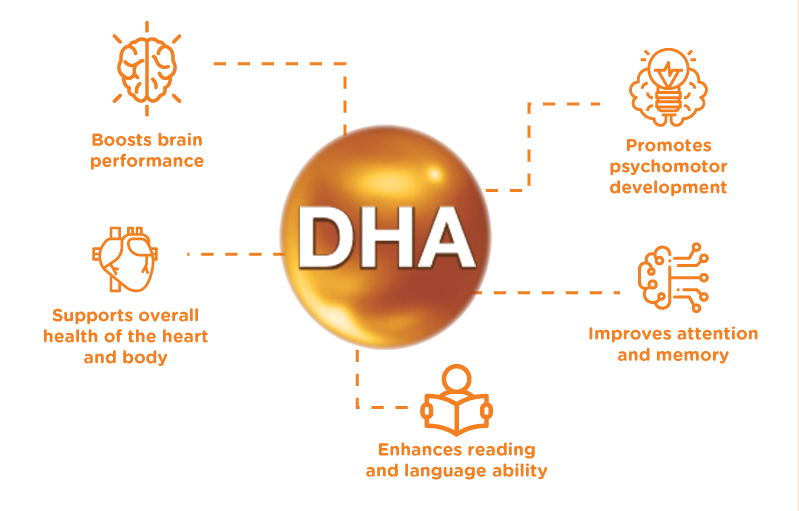
It has been proven by science that DHA is very important for brain health, eye growth, and heart health. Its value in prenatal growth has been shown over and over again in clinical studies, which makes it an essential ingredient for products that nourish mothers. The powder form has these health benefits and can be used in production, which is not possible with liquid oils. The microencapsulation technology makes the medicine more bioavailable than regular oil forms. Gastric acid can't get through dual-layer packaging methods, which makes sure that the drug is released only in the right places in the intestines for maximum absorption. This improved delivery system works especially well for medicine uses that need precise dosing control.
Industrial Processing Advantages
DHA Powder works really well in complicated processing settings where regular oils don't do as well. Here are some of the main benefits this style brings to manufacturing:
- Thermal Stability: Can handle flash pasteurization at up to 85°C for 30 seconds, so it can be used in cheese processing without losing any of its nutrients.
- pH Resistance: Resistance to acidic surroundings (pH 3.0-4.0), which is widespread in gummy and edible forms; keeps structure intact.
- Oxidative Protection: It dramatically lowers TOTOX levels by blocking oxygen, which stops rancidity from happening during long holding times.
- Processing Compatibility: It gets rid of the density problems that come with liquid oils, so automatic production lines can weigh accurately and blend the oils consistently.
Because of these operating benefits, manufacturing costs go down, product stability goes up, and quality control gets better in a wider range of production settings.
Target Application Scenarios
Making infant formula and milk afterward is the most difficult application situation. It needs to meet strict sanitary standards, such as Cronobacter sakazakii negative certification. To keep the powder from separating while it's being shipped and stored, the particle density must match that of the lactose and whey powders. For functional drinks and sports nutrition, instantization qualities and sensory balance are needed. The enclosed format has to be able to handle the acidic pH levels in fruit-flavored drinks without breaking down the stability of the emulsion or making the taste feel bad.
Comparison and Evaluation of DHA Powder Products
Format Comparison: Powder vs. Oil vs. Capsules
DHA Powder is clearly better than other delivery methods. The rates of absorption stay about the same as with oil forms, but the consistency is better. It has a much longer shelf life than oil options, usually 24 to 36 months in controlled storage, compared to 12 to 18 months for liquid forms. Product stable testing shows that the product is more resistant to changes in temperature and humidity. The enclosed format keeps its effectiveness even when the normal conditions of the supply chain break down liquid options. This security means less risk with the goods and more ways to get products to markets around the world. Even though the price per unit is higher than for bulk oils, cost analysis shows that it is still a good deal for high-volume uses. Less complicated handling, no need for cooling, and longer shelf life often make up for higher starting costs by making operations more efficient.
Organic vs. Synthetic Evaluation Framework
The standards for organic approval have a big effect on where to get materials and how much they cost. Certified organic algae sources cost more, but they give you access to natural product markets that are growing quickly. Synthetic options are cheaper and more reliable, but they might have trouble getting accepted by the market in high-end placing situations. Quality approvals like BRC, HALAL, KOSHER, and organic standards have a direct effect on how easy it is to get into markets and how much it costs to follow the rules. Suppliers with full certification portfolios give global distribution strategies more options, but they usually need minimum order pledges to cover the costs of keeping certifications.
Supplier Evaluation Criteria
The quality of products from top makers is always the same because they use strict testing methods that include checking for heavy metals, microbes, and effectiveness. Manufacturing certificates like ISO standards, GMP compliance, and third-party testing help buyers decide which products to buy based on their dependability. For managing the world supply chain, the ability to set up distribution networks is important. Established providers have more than one building, know how to handle cold chain supplies, and can help with regulatory paperwork for foreign shipping. Because of these investments in infrastructure, lead times have gone down and supply security has improved for key industrial processes.
Guide to Procuring DHA Powder for Global B2B Clients
Supplier Verification and Due Diligence
A thorough review of the supplier's manufacturing skills, quality systems, and compliance with regulations is the first step in effective buying. Reports from building inspections, proof of licensing, and customer references should all be part of the verification process. Established makers usually keep yearly production capacities above 1,000 tons, which makes sure that large-scale businesses can always get what they need. Because microencapsulation technology is so specialized, evaluating financial security is very important. When the market changes, suppliers who need to spend a lot of money on repairs and new technology for their tools may have trouble keeping their customers supplied. Long-term partnership success rests on how financially stable the provider is and how committed they are to continuing to create technology.
Order Quantities and Pricing Strategies
For standard formulas, the minimum order quantity is usually between 25 and 100 kilos. For custom encapsulation, the minimum order quantity needs to be higher to cover the costs of setting up the production line. At 500-kilogram and 1,000-kilogram weight limits, volume pricing tiers often offer big price cuts. This makes planning your purchases important for getting the best deals on your budget. Pricing DHA Powder are very different depending on the amount of DHA, how complicated the encapsulation is, and the approval standards. Standard 20% DHA formulations have base prices, but high-concentration versions and specific matrix materials need to be priced higher. When negotiating a long-term contract, sales promises and supply security pledges are often used to get better prices.
Sample Evaluation and Testing Protocols
Analytical tests and application trials in specific formulation settings should both be part of the sample review process. Standard analytical factors include tests for particle size distribution, DHA level, and dispersibility. Long-term performance traits can be learned from testing stability under situations that speed up aging. Because DHA Powder is used in a lot of different processing settings, it needs to be tested in ways that are specific to each one. Testing for heat stability, pH resistance, and interaction with other ingredients keep formulations from failing when production is scaled up for business use.
Conclusion
DHA Powder represents a sophisticated solution for B2B manufacturers seeking to incorporate omega-3 functionality into diverse product portfolios. The microencapsulation technology addresses critical challenges associated with liquid oil handling while delivering enhanced stability, processing compatibility, and sensory neutrality. Successful procurement requires careful evaluation of supplier capabilities, comprehensive testing protocols, and strategic partnership development aligned with long-term business objectives.
FAQ
What makes DHA powder more stable than liquid DHA oil?
The microencapsulation process creates a protective barrier around DHA oil molecules, preventing exposure to oxygen, light, and moisture that cause rapid oxidation. This encapsulation technology extends shelf life from 12-18 months for liquid formats to 24-36 months for powder alternatives while maintaining nutritional potency throughout storage periods.
How do I verify the quality and authenticity of DHA powder suppliers?
Checking the quality of something needs a lot of paperwork, like a Certificate of Analysis report, proof that it was tested by a third party, and proof that it was made according to ISO, BRC, and organic standards. Reliable providers give testing information for each batch, which includes heavy metal screening, microbiological proof, and strength confirmation.
What are the typical minimum order quantities for industrial procurement?
For standard formulas, the minimum order size is between 25 and 100 kilograms. For custom packaging, the minimum order size is 500 kilograms to cover the costs of setting up the production line. Volume price levels usually start at 500 kilograms, which is a big benefit for large-scale manufacturing companies that want to save money.
Can DHA powder withstand high-temperature processing conditions?
Modern packaging systems can withstand temperatures up to 85°C for 30 seconds, which makes them suitable for use in scalding and hot-fill processing processes. But long-term exposure to high temperatures might damage the structure of the encapsulation, so process-specific stability testing is needed for the best recipe development.
Partner with Trusted DHA Powder Suppliers Today!
If you need to buy DHA Powder, Avans NutriHealth Co., Ltd. is ready to help you. They have a wide range of producing options and are dedicated to quality. Our ISO-certified center also has BRC, HALAL, KOSHER, and organic certificates, which makes sure that all global markets follow the rules. With the ability to produce more than 1,000 tons per year and dedicated R&D support, we can provide a reliable source for your most important manufacturing processes. Get in touch with our knowledgeable staff at Lillian@avansnutri.com to talk about your specific needs and find cheap DHA Powder manufacturer relationships that will help you move your product innovation forward.
References
1. Shahidi, F. & Ambigaipalan, P. (2018). Omega-3 polyunsaturated fatty acids and their health benefits. Annual Review of Food Science and Technology, 9, 345-381.
2. Arterburn, L.M., Hall, E.B., & Oken, H. (2006). Distribution, interconversion, and dose response of n-3 fatty acids in humans. American Journal of Clinical Nutrition, 83, 1467S-1476S.
3. Weiss, J., Takhistov, P., & McClements, D.J. (2006). Functional materials in food nanotechnology. Journal of Food Science, 71, R107-R116.
4. Barrow, C.J., Nolan, C., & Holub, B.J. (2009). Bioequivalence of encapsulated and microencapsulated fish-oil supplementation. Journal of Functional Foods, 1, 38-43.
5. Carneiro, H.C., Tonon, R.V., Grosso, C.R., & Hubinger, M.D. (2013). Encapsulation efficiency and oxidative stability of flaxseed oil microencapsulated by spray drying using different combinations of wall materials. Journal of Food Engineering, 115, 443-451.
6. Ruxton, C.H., Reed, S.C., Simpson, M.J., & Millington, K.J. (2007). The health benefits of omega-3 polyunsaturated fatty acids: a review of the evidence. Journal of Human Nutrition and Dietetics, 20, 275-285.