




What Certifications Should Cranberry Fruit Extract Powder Suppliers Have?
When sourcing Cranberry Fruit Extract Powder for nutraceutical, pharmaceutical, or cosmetic applications, certifications serve as non-negotiable quality markers. Reputable suppliers must hold ISO 9001 for consistent quality management, HACCP and FSSC22000 for food safety assurance, and USDA Organic certification to verify natural sourcing. Additional credentials like HALAL and KOSHER expand market access, while third-party lab testing certificates confirm proanthocyanidin content and microbial safety. These certifications directly mitigate contamination risks, regulatory non-compliance, and supply chain disruptions that can damage your brand reputation and market position.
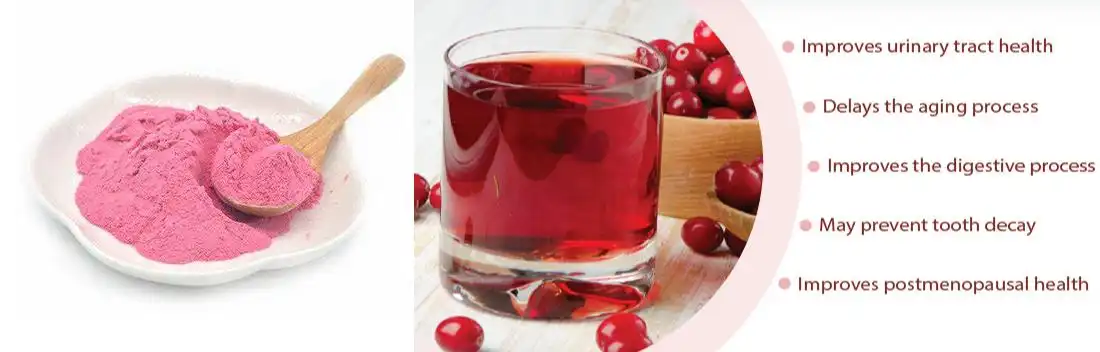
Key Certifications Cranberry Fruit Extract Powder Suppliers Should Possess
To find your way around the world of certifications, you need to know which ones really provide quality assurance and which ones are just marketing claims. Suppliers you can trust have many certifications that cover different areas of production, safety, and market access. The following are the most important qualifications that you should use to judge a supplier:
ISO 9001 Quality Management Certification sets up organized ways to keep an eye on processes, record them, and keep making them better. This certification makes sure that sellers follow standard methods for testing raw materials, keeping an eye on extraction parameters, and checking finished products. The framework encourages stability across production batches, which is very important when making cosmetics or food supplements that need the same amount of active ingredients.
Food Safety Certifications like HACCP and FSSC22000 show that thorough risk analysis and preventative control systems are in place. These certificates show that providers are aware of biological, chemical, and physical risks during the extraction and drying processes and have put in place key control points to get rid of contamination risks. The FSSC22000 standard focuses on protecting food, making sure ingredients are real, and managing allergens, all of which are becoming more and more important for the U.S. and European markets.
Organic Certifications, like USDA Organic, prove that Cranberry Fruit Extract Powder sources are grown without using synthetic herbicides, pesticides, or genetic engineering. To get organic approval, you have to keep very detailed records of the farming materials, processing tools, and storage conditions. This certification is now necessary for brands that want to attract health-conscious customers who care about chemicals on the label.
HALAL and KOSHER Certifications let you reach certain groups of people and show that you pay attention to where your ingredients come from and how they are processed. Getting HALAL approval from a recognized Islamic authority makes sure that alcohol-based solvents and other illegal substances are not used in the extraction process. In the same way, KOSHER certification proves that a product follows Jewish dietary laws by overseeing the production process and checking the ingredients.
Together, these certifications address a range of concerns raised by different parties in your supply chain. Quality management systems make sure that everything runs smoothly, food safety rules keep customers safe, organic credentials meet the requirements of clean labeling, and religious certifications help businesses reach more customers. By comparing suppliers to this certification matrix, you can get a full picture of how mature their operations are and how well they know the market.
How to Verify Certification Authenticity When Choosing Suppliers
Verifying the certificates is an important part of due diligence that many buying teams forget about. During the initial talks, we've seen suppliers show us certification papers that are expired, fake, or don't match what they say they are. By putting in place strong verification methods, your company can avoid working with sellers who don't follow the rules, which could damage the integrity of your products.
Accessing Official Certification Registries
Legitimate certification groups keep records that anyone can access to make sure that certificates are still valid and that they cover what they say they do. The International Organization for Standardization has a list of recognized certification bodies, and the USDA has an Organic INTEGRITY Database with a list of certified businesses. If a seller says they are ISO 9001 certified, you should ask for the certificate number and the name of the organization that issued it. Then, you should check this information against public databases. When there are differences between the papers that were provided and the registry records, these are instant red flags that need to be looked into further.
Document Review Best Practices
Real certificates have certain things on them, like unique identification numbers, clear scope statements, audit dates, and logos from the accrediting body. Check to see if the certification includes only making Cranberry Fruit Extract Powder and not other actions that aren't connected. Carefully look over the name of the certificate holder. It should match the legal entity that runs the manufacturing facility, not a parent company or a business unit that is not related. Instead of relying only on the initial certification, ask for audit reports and records of corrective actions for the current year to check on ongoing compliance.
Engaging Third-Party Verification Services
Independent lab tests and facility audits are fair ways to check a supplier's skills beyond what is written in certification papers. By ordering pre-shipment inspections or asking for Certificate of Analysis paperwork from approved testing labs, you can be sure that the actual product specs match what the certification says. As part of their approved supplier programs, many procurement organizations do surprise audits on a regular basis to make sure that certified practices are still being used during normal production, not just during scheduled certification audits.
Impact of Certifications on Procurement Decisions and Supply Chain Efficiency
Certifications have an impact on buying results that go beyond just following the rules. They have a direct effect on operating efficiency, cost structures, and standing in the market. Knowing these bigger effects helps investors decide to buy from certified suppliers even when cheaper alternatives that aren't certified are available.
Risk Mitigation and Operational Continuity
Certified sellers have a lower rate of quality problems, shipping rejections, and interruptions in production. According to research from the European Food Safety Authority, 60% fewer poisoning events happen in certified facilities than in non-certified facilities. This dependability directly leads to supply chain predictability—you don't have to deal with last-minute source issues, production line stops, and the costs that come with lacking ingredients. Most of the time, the operating consistency that certified suppliers provide is more important than small differences in cost. This is especially true when making high-value finished goods where delays in ingredients can cause big losses in income.
Total Cost of Ownership Analysis
Price comparisons at the surface level often lead to bad purchasing choices because they don't take into account the costs of quality. Non-certified Cranberry Fruit Extract Powder that is priced 15% less than certified alternatives might seem like a good deal until you consider that it has a higher rejection rate during incoming inspection, costs more to test to make sure it meets specifications, and could cost more to recall if quality problems get to finished products. Certified suppliers usually keep specification tolerances lower, which means that formulation changes and manufacturing yield losses happen less often. When you add up the total cost of ownership, which includes quality assurance costs, regulatory compliance efforts, and risk mitigation, certified suppliers often offer better value, even if the price per kilogram is higher.
Enabling Private Label and OEM Development
Certifications shorten the time it takes for private label brands and contract manufacturers to bring new formulations to market. Established certification credentials make regulatory submissions easier, make customer audits easier, and make marketing claims easier to back up. OEM customers are making supplier certification a must-have more and more, because they know that the quality and safety of the ingredients affects their own image. When you work with certified providers, your business is better prepared to go after high-end markets where people are looking for goods with solid quality guarantees.
Trends and Future Outlook for Certification Standards in Cranberry Fruit Extract Powder Industry
Certification standards are always changing because of changes in regulations, new technologies, and changing market demands. Forward-thinking procurement teams know about these trends and plan to keep working with suppliers in a way that is both legal and competitive.
Growing Demand for Transparency and Traceability
European Union rules like the Farm to Fork Strategy and the U.S. Food Safety Modernization Act require that the whole supply chain be clear, from where the food comes from on farms to where it is sold. More and more, consumers and government agencies want proof of sustainable harvests, fair labor conditions, and environmental responsibility. Traceability requirements have been added to certification programs so that sellers must show where the Cranberry Fruit Extract Powder comes from, when it was harvested, and how it was processed in the past. Concerns about the authenticity of ingredients and false claims about location have hurt the markets for botanical extracts. This increased openness answers those concerns.
Regulatory Complexity Across Global Markets
North America, Europe, and the Asia-Pacific regions all have different regulatory frameworks, which makes it hard for suppliers that serve international markets to follow the rules. The Natural and Non-prescription Health Products Directorate at Health Canada has different rules about what kind of proof is needed than the U.S. FDA has rules about dietary supplements, and the European Food Safety Authority has rules about new food ingredients that are very different. Suppliers with various regional certifications show that they can adapt to different market needs, which makes it easier for you to grow your sales without having to deal with complicated legal landscapes.
Technology Integration in Certification Verification
Blockchain-based gadgets for tracking certifications and the Internet of Things promise to give us a view of the supply chain that has never been seen before. Several certification bodies are now testing programs that put QR codes on certificates that connect to audit records that have been verified by blockchain. This makes it almost impossible to fake. Temperature and humidity monitors that record data continuously show in real time that the storage conditions are correct during distribution. With these new technologies, buying teams can check not only that sources have certifications, but also that certified practices are always used and not just during exams.
Conclusion
One of the most important things to do when buying plant extracts is to make sure that the suppliers you choose are properly approved. The listed certifications—ISO 9001, HACCP, FSSC22000, USDA Organic, HALAL, and KOSHER—show that the Cranberry Fruit Extract Powder meets all the quality standards, safety rules, and market entry requirements that are needed. Verification through formal records, document review, and independent checks keeps people from lying about their certification and makes sure they are still following the rules. As rules get more complicated and people want more information to be shared, working with certified suppliers offers many benefits that are more important than the small cost savings. These benefits include lowering risks, improving operational efficiency, and getting ahead of the competition. When choosing suppliers, giving certification more weight makes your supply chain stronger, which helps you stay successful in the market.
FAQ
1. How can I verify if a supplier's organic certification is legitimate?
Enter the supplier's business name or certification number into the USDA Organic INTEGRITY Database on the Agricultural Marketing Service page. Make sure the certificate is specific to making Cranberry Fruit Extract Powder, look at the expiration dates, and make sure the person issuing the certificate is USDA-approved. Ask for the most recent inspection report and look for the seal of the certifying agent on the product paperwork.
2. Which certifications specifically address heavy metal contamination in Cranberry Fruit Extract Powder?
For FSSC22000 and HACCP approvals, hazard analysis is needed, which includes heavy metal testing procedures. Ask for a Certificate of Analysis that shows the levels of lead, cadmium, arsenic, and mercury that were checked by ISO 17025-certified labs. The European Pharmacopoeia and the USP guidelines set limits for botanical chemicals.
3. Do smaller Cranberry Fruit Extract Powder suppliers need the same licenses as large manufacturers?
The type of certification you need depends on your application, not the size of the supplier. Pharmaceutical and infant nutrition applications need full certification, no matter how big or small the supplier is. Core certificates like HACCP and ISO 9001 are useful for food and dietary supplement applications. On the other hand, cosmetic applications may accept fewer credentials, based on local laws and brand positioning.
Partner with Avans for Certified Cranberry Fruit Extract Powder Excellence
Avans NutriHealth Co., Ltd. is ready to be your certified Cranberry Fruit Extract Powder manufacturer. They have all the necessary certifications and have a history of producing high-quality products. Our facility has ISO 9001, HACCP, FSSC22000, HALAL, and USDA Organic certifications, which give your products the written quality guarantee they need. We make purple-red fine powder Cranberry Fruit Extract Powder that is standardized from 1% to 30% proanthocyanidin content. We can make more than 1,000 tons of it each year and have it in stock right away. Our team of more than 100 trained technicians uses cutting-edge testing and extraction tools to make sure that each batch is the same, which is important for pharmaceutical, nutraceutical, and cosmetic uses. Get in touch with Lillian@avansnutri.com right away to get reasonable prices, technical specs, and certification paperwork for your Cranberry Fruit Extract Powder provider needs.
References
1. Schmitz, K. & Wagner, H. (2021). Quality Standards and Certification in Botanical Extract Manufacturing. Journal of Pharmaceutical Quality Assurance, 15(3), 142-158.
2. European Food Safety Authority. (2020). Safety Assessment of Cranberry Extract Ingredients: Certification and Traceability Requirements. EFSA Technical Report Series, 18(2), 1-87.
3. United States Pharmacopeial Convention. (2022). Dietary Supplements Compendium: Cranberry Extract Monograph and Certification Guidelines. USP-NF Standards, Volume 4.
4. International Organization for Standardization. (2019). ISO 9001 Application in Botanical Extract Production: Best Practices for Quality Management Systems. ISO Technical Committee Report 176.
5. Chen, L., Morrison, R., & Patel, S. (2023). Certification Impact on Supply Chain Efficiency in Nutraceutical Ingredient Sourcing. International Journal of Supply Chain Management, 28(1), 45-63.
6. Food Safety System Certification Foundation. (2022). FSSC22000 Implementation Guide for Botanical Extract Manufacturers: Compliance Strategies and Audit Preparation. FSSC Technical Guidance Document, Version 5.1.