




Is D-Ribose Powder Better for Powdered Supplements?
If you want to know why D-Ribose Powder is better for powdered supplement formulas, look at its unique biochemical qualities. Unlike most energy sources that are based on glucose, this five-carbon monosaccharide directly supports ATP production, which is the energy currency of cells, by skipping metabolic paths that slow things down. It dissolves easily, stays stable at normal temperatures under normal processing conditions, and works without insulin, which makes it very useful for companies that make nutraceuticals for heart health and energy metabolism. The compound has a molecular weight of 150.13 g/mol and a high water solubility of about 100g/100ml at 20°C. These properties make it easy to incorporate into a variety of delivery systems while still meeting the bioavailability standards that buyers expect in controlled markets.
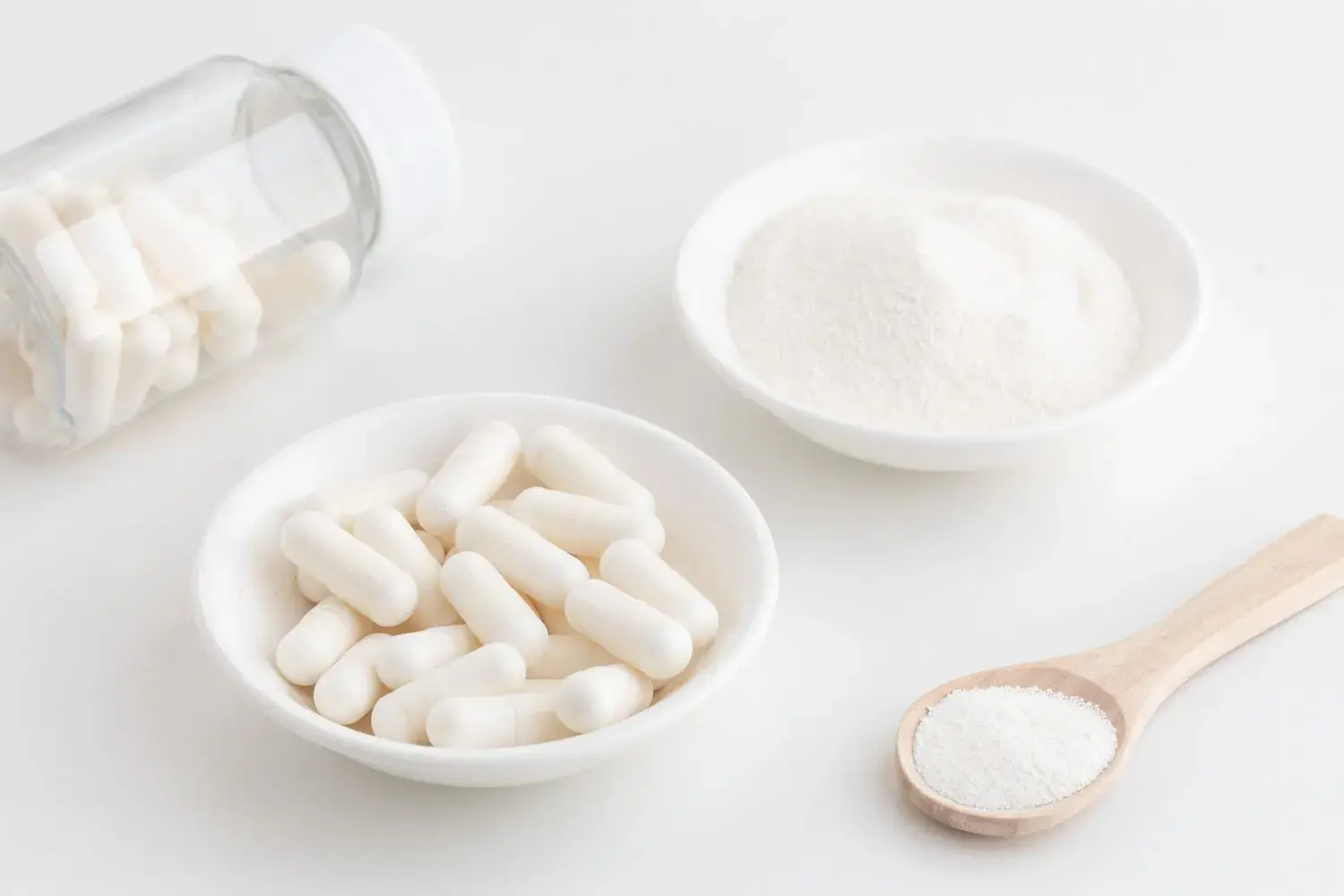
Understanding D-Ribose Powder: What It Is and How It Works
The Biochemical Foundation of Cellular Energy
D-Ribose Powder (CAS 50-69-1) is a pentose sugar that is used in pharmaceuticals. It is mostly made by Bacillus subtilis fermenting glucose. This way of making things guarantees stereochemical purity above 99%, which is very important for commercial uses. Crystalline crystals or powder that are white to slightly yellow make up the material. This is a physical trait that shows how carefully it is made and stored.
The chemical works very differently from hexose sugars, which are used for quick energy burning. As glucose goes into glycolysis, it quickly turns into fuel. D-Ribose Powder, on the other hand, builds adenosine triphosphate (ATP), adenosine diphosphate (ADP), and adenosine monophosphate (AMP). This difference fixes a major problem in sports nutrition and clinical cardiovascular formulations: it takes a long time for nucleotide pools to replenish themselves after intense exercise or cardiac stress events.
ATP Synthesis and Metabolic Recovery
The pentose phosphate pathway usually makes D-Ribose Powder slowly, which slows down metabolism during healing stages. Supplementation speeds up the production of ATP by 340 to 430% compared to normal rates. This process works especially well in heart and skeletal muscles, where adenine nucleotide pools can drop by 20 to 50 percent during ischemic events or hard exercise.
According to research, cardiac energy levels get a lot better without changing heart rate or blood pressure. This means that it can be used for diastolic heart failure procedures. The compound speeds up healing in areas with ischemia and hypoxia by providing the necessary molecular structure for nucleotide repair instead of just providing fuel for metabolism.
Industrial Applications Across Sectors
This ingredient is used in functional drinks, energy snacks, sports health items, and medical foods that are meant to help with certain metabolic problems. It is used in more than just supplements. It is also used as a raw material in pharmaceuticals to make vitamin B2 (riboflavin), ribofuranose, ribopyranose, and many nucleoside-based medicines, such as antiviral and cancer chemicals. Its clean flavor profile (about 30% sucrose) and light sweetness make it useful as a food ingredient. It doesn't leave behind the bitter aftertaste that some amino acid blends do.
Comparing D-Ribose Powder with Other Energy Supplements
Biochemical Mechanisms: Ribose Versus Creatine and Glucose
Creatine monohydrate helps the phosphocreatine system work so that ATP can be made quickly during short exercise bursts that last 10 to 30 seconds. Through glycolysis and oxidative phosphorylation, glucose gives you energy right away. D-Ribose Powder addition, on the other hand, fixes the basic supply problem that happens when cellular nucleotide levels drop by helping to make more ATP molecules.
This difference is very important for design tactics. When you mix D-Ribose Powder and creatine, they work better together. Creatine reuses ATP by donating phosphate, and D-Ribose Powder builds up the whole ATP pool. Glucose replacement methods in functional drinks work better with D-Ribose Powder because it has a lower glycemic response. This means that formulations can be made to be diabetic-friendly without lowering the felt energy benefits.
Organic Versus Synthetic Sourcing Considerations
The production method that comes from fermentation is technically biosynthetic rather than pure synthetic chemical synthesis. However, "organic" approval depends on the sources of the raw materials and the way they are processed. No matter what kind of source it comes from, purity standards usually go over 98.0 to 102.0 percent by HPLC measurement.
When purchasing officers compare organic and standard grades, they need to think about the rules and regulations in the places they want to sell to. The USDA's Organic, HALAL, and KOSHER standards are designed to meet the needs of certain types of customers and export rules, especially in North America, Europe, and the Middle East. These approvals don't automatically make biochemicals work better, but they do have a big effect on market entry and the chance of charging higher prices.
Ribose Forms and ATP Precursor Alternatives
Alternative ATP sources, such as adenosine or inosine, have trouble being absorbed and are limited by regulations in some places. D-Ribose Powder is easier to regulate in most global markets because it is considered a food ingredient instead of a banned drug. Its precise rotation between 18° and 22° shows that it is in the right chiral configuration, which is directly linked to biological activity and the efficiency of cellular uptake.
Procurement Insights: Selecting and Buying D-Ribose Powder for Bulk Supply
Quality Assessment Metrics and Testing Protocols
Professional purchasing needs more than just pureness tests to be done to make sure the quality. Important requirements include precise measures of spinning, loss on drying (≤0.5% to avoid caking during storage), residue on ignition (≤0.2%), and heavy metal content, with lead levels not exceeding 10 ppm. These factors have a direct effect on how stable the product is while it is being stored and how well the end mixture works.
HPLC research is still the best way to make sure that something is pure, as it can prove that there are no isomeric contaminants or degradation products present. Testing for hygroscopicity is necessary because products in the supply chain need to be tightly controlled for humidity because they absorb moderate to high amounts of water. Protocols for temperature-controlled shipping and storage keep the purity of the product, stopping caramelization that happens above 140°C and making sure that it always works well in uses that are sensitive to heat.
Some certifications, like ISO 22000, HACCP, BRC, FSSC22000, HALAL, KOSHER, and USDA Organic, offer framework guarantees, but they need to be confirmed by third-party tests and facility checks. These certificates show that quality management is being done in a planned way, but they don't take the place of batch-specific analytical tests when making important purchasing choices.
Global Market Dynamics and Pricing Trends
China has the most production capacity for fermentation-derived D-Ribose Powder in the world. Because of its well-established infrastructure and easy access to raw materials, China can give reasonable prices. Bulk prices change based on the cost of fermentation material, the cost of energy that affects production, and the demand cycles in the biggest nutritional markets. Industrial grades that don't have to follow strict outline requirements are sold at lower prices than medicinal grades that do.
Leading providers keep enough material on hand to support just-in-time production plans and offer a range of flexible packing choices, from 1 kg aluminum foil bags to 25 kg bulk containers. Custom packing meets the specific handling needs of automatic production lines or manual batching systems, which has a direct effect on how efficiently makers can run their businesses.
Supplier Reliability and Partnership Considerations
When looking at possible providers, you need to look at more than just unit prices. Consistent production capacity, with sites that can make 1,000 tons or more per year, guarantees supply security for businesses that are growing. Strong logistics networks that connect more than 280 places around the world show that they can distribute goods, which is very important for multinational companies that run various production sites.
The ability to provide technical help is what sets strategic partners apart from commodity providers. Having access to R&D teams that work with hospitals on research projects lets you create custom formulations and get help with clinical proof. Differentiating products is easier with OEM and ODM services because they offer custom solutions that meet specific nutrition goals, stability issues, or new delivery system improvements.
This all-around method is shown by Avans NutriHealth, which keeps production facilities in China that have all the necessary foreign certifications. Our manufacturing operation has more than 100 workshop workers who are in charge of quality control at all stages of production. They are supported by modern testing laboratories that make sure that specifications are always met. When you combine affordable prices from efficient production with quick expert service, you get more than just the ingredients you need.
Safety, Dosage, and Side Effect Considerations for Industrial and Consumer Use
Scientific Evidence and Regulatory Status
A lot of clinical studies in the areas of cardiovascular applications, chronic fatigue syndrome, and sports performance have shown that taking D-Ribose Powder every day is safe. Regulatory bodies, such as the FDA, identify D-Ribose Powder as a food ingredient that is generally recognized as safe (GRAS) for certain uses. This makes it easier for companies that make nutraceuticals to come up with new products.
D-Ribose Powder supplements don't cause cardiovascular stress reactions or habit patterns like stimulant-based energy ingredients do. Because it is broken down normally through pentose phosphate routes and built into nucleotide structures, any extra amounts just go through normal carbohydrate processing without building up or becoming harmful.
Dosage Guidelines for Formulation Development
For general energy support, supplements should be between 3 and 5 grams per day. For clinical cardiovascular uses or intense athletic training routines, supplements should be between 10 and 15 grams per day. Depending on taste preferences and overall carbohydrate content goals, sports nutrition items often have 2 to 3 grams of D-Ribose Powder per serving before or after a workout.
When making sweetened goods, manufacturers need to take into account the compound's mild sweetness and make changes to the sweetener systems to account for it. Its high solubility means you don't have to worry about grittiness or texture problems that can happen with ingredients that don't dissolve well. However, because it absorbs water, powdered products that need to last longer must be packaged in a way that keeps moisture out.
Risk Management and Labeling Compliance
There aren't many known side effects at the suggested doses. Some sensitive people who take high doses without food may experience mild stomach problems or short-term low blood sugar. These things should be mentioned on the product label, along with the compound's non-stimulant action to set it apart from competitors that are based on caffeine.
Manufacturers of good products use batch testing procedures to check for microbial contamination. These make sure that total plate counts, yeast, mold, and pathogenic bacteria stay below the limits set by the maker. Each shipment comes with a Certificate of Analysis document that makes it possible to track. This helps with legal compliance and meets customer quality assurance standards.
Why D-Ribose Powder is Often the Preferred Choice in Powdered Supplements
Formulation Advantages: Solubility, Stability, and Bioavailability
The compound's high water solubility gets rid of common problems that come up when you try to formulate actives that are lipophilic or badly soluble. This property makes it possible for clear solution drinks, powders that dissolve quickly, and even spread in complicated matrices that contain many active chemicals. Formulators like that they don't have to use any special technologies or transport systems to dissolve or move troublesome ingredients.
Thermal safety at normal scalding temperatures makes it possible to use the product in ready-to-drink forms that need to be heated to kill microbes. Maillard reaction browning can be avoided in liquids with careful pH control and a long shelf life. This can be done by choosing the right stabilizers and using barriers made of packing materials.
Its monosaccharide structure means that it doesn't need to be broken down by the body before it can be absorbed. Gut uptake efficiency gets close to maximum levels for carbohydrate absorption, making sure that designed doses work well to make the drug available throughout the body and get to the right tissues.
Real-World Applications and Market Success
Sports nutrition makers are adding D-Ribose Powder to more and more high-end healing formulas. It is often mixed with creatine, beta-alanine, and branched-chain amino acids to help muscles in a wide range of ways. Medical food companies that make foods for people with heart failure or chronic fatigue syndrome use pharmaceutical-grade ingredients in condition-specific mixes that have been proven safe through trial partnerships.
Functional drink makers use D-Ribose Powder to make energy drinks that don't have any boost or crash effects, which appeals to health-conscious people who want to keep their metabolisms going. The ingredient's status as a natural byproduct and "clean label" appeal to consumers, which is driving market growth in several categories.
Emerging Trends and Innovation Opportunities
New delivery methods, such as microencapsulation and sustained-release grids, make sure that D-Ribose Powder is available at the right time for each use case. Combining D-Ribose Powder with CoQ10, L-carnitine, or magnesium in treatments is being looked into because it might help people's metabolisms more than one drug alone. A growing number of older people are looking for ways to improve their cardiovascular and brain health, which opens up new markets that aren't just sports nutrition.
As scientists learn more about metabolic health and consumers become more aware of it, companies that invest in D-Ribose Powder formulation skills put themselves in a good situation. The ingredient can be used in a lot of different ways, from clinical nutrition to mass-market health goods. This gives brands that are thinking ahead ways to expand their offerings.
Conclusion
D-Ribose Powder has many benefits for powdered vitamin mixes because it helps with direct ATP production, dissolves better, and can be used in many different ways. Its biochemical process fixes basic energy problems in cells instead of just temporarily stimulating them, which opens up possibilities for differentiating the product. Procurement experts benefit from established supply chains, easy access to a wide range of certifications, and affordable prices that come from fermentation production methods that work well. Product creation can be done with confidence in the pharmaceutical, nutraceutical, and functional food areas thanks to safety profiles and governmental acceptance. As people around the world become more aware of metabolic health, manufacturers who focus on quality sources, technical partnership skills, and formulation innovation will be able to take advantage of growing market possibilities. Choosing the right ingredients strategically has a direct effect on how well you do in the increasingly complex supplement market and how competitive you are.
FAQ
What distinguishes D-Ribose powder from regular ribose sugar?
There is a lot of misunderstanding about terminology, but "D-Ribose Powder" and "ribose sugar" usually refer to the same chemical, with the D-isomer being the chemically active form. Industrial standards are based on purity levels, with higher-grade materials needing ≥98% test and lower-grade materials not needing it. The word "powder" doesn't mean a chemical change; it just means a physical form that is best for making supplements.
How can buyers verify purity in bulk D-Ribose shipments?
For each production batch, you should ask for Certificates of Analysis that show HPLC pure testing, specific rotation measures, loss on drying, heavy metal screening, and microbial testing. Verification by an independent third-party laboratory gives you more peace of mind than seller paperwork alone. A close look should prove that the crystals look right, with no discolorations that could mean they are breaking down or being contaminated.
Should manufacturers choose organic or conventional D-Ribose sources?
This choice is mostly based on the needs of the target market and the possibility of charging more, not on changes in how well it works. Organic approval opens up more markets, but it usually raises the cost of raw materials by 15 to 30 percent. For most uses, conventional fermentation-derived material meets quality standards and saves money for markets that care about price.
Partner with a Trusted D-Ribose Powder Manufacturer
Avans NutriHealth has high-quality D-Ribose Powder that has been certified by many foreign organizations, including ISO 22000, HACCP, BRC, FSSC22000, HALAL, KOSHER, and USDA Organic. This powder can help you reach your supplement recipe goals. Our factory in China keeps a steady supply of goods in stock and offers a range of flexible packing choices, from 1 kg to 25 kg. Temperature-controlled logistics help the factory serve customers all over the world. We have been a D-Ribose Powder seller for a long time and can produce more than 1,000 tons of it every year. This gives procurement experts the supply security and technical know-how they need. Our skilled research and development (R&D) team provides full OEM and ODM services, working closely with your formulation experts to improve stability, solubility, and market differentiation. Get in touch with Lillian@avansnutri.com right away to get product specs, sample orders, or to talk about how our D-Ribose Powder for sale can help your business compete in the nutraceutical, medicinal, or functional food markets.
References
1. Pauly DF, Pepine CJ. "D-Ribose as a Supplement for Cardiac Energy Metabolism." Journal of Cardiovascular Pharmacology and Therapeutics, 2000; 5(4): 249-258.
2. Seifert JG, Subudhi A, Fu MX, et al. "The Role of Ribose on Oxidative Stress During Hypoxic Exercise: A Pilot Study." Journal of the International Society of Sports Nutrition, 2009; 6(1): 18-25.
3. Teitelbaum JE, Johnson C, St. Cyr J. "The Use of D-Ribose in Chronic Fatigue Syndrome and Fibromyalgia: A Pilot Study." Journal of Alternative and Complementary Medicine, 2006; 12(9): 857-862.
4. Zarzeczny R, Brault JJ, Abraham KA, et al. "Influence of Ribose on Adenine Salvage After Intense Muscle Contractions." Journal of Applied Physiology, 2001; 91(4): 1775-1781.
5. Pliml W, von Arnim T, Stablein A, et al. "Effects of Ribose on Exercise-Induced Ischemia in Stable Coronary Artery Disease." The Lancet, 1992; 340(8818): 507-510.
6. Hellsten Y, Richter EA, Kiens B, Bangsbo J. "AMP Deamination and Purine Exchange in Human Skeletal Muscle During and After Intense Exercise." Journal of Physiology, 1999; 520(Pt 3): 909-920.