




Sodium Cyclamate Granular Benefits for Industrial Formulation
Sodium cyclamate granular is a high-intensity, non-nutritive sweetener that has earned a stable position across industrial formulation sectors. As a white, crystalline, odorless substance with a purity range of 98.0%–101.0% (dry basis), it delivers 30 to 50 times the sweetness of sucrose at a glycemic index of zero. For procurement managers, R&D teams, and OEM formulators evaluating cost-effective ingredient sourcing, this ingredient addresses real production challenges—thermal instability, high sweetener costs, and inconsistent dosing—in one technically sound solution.
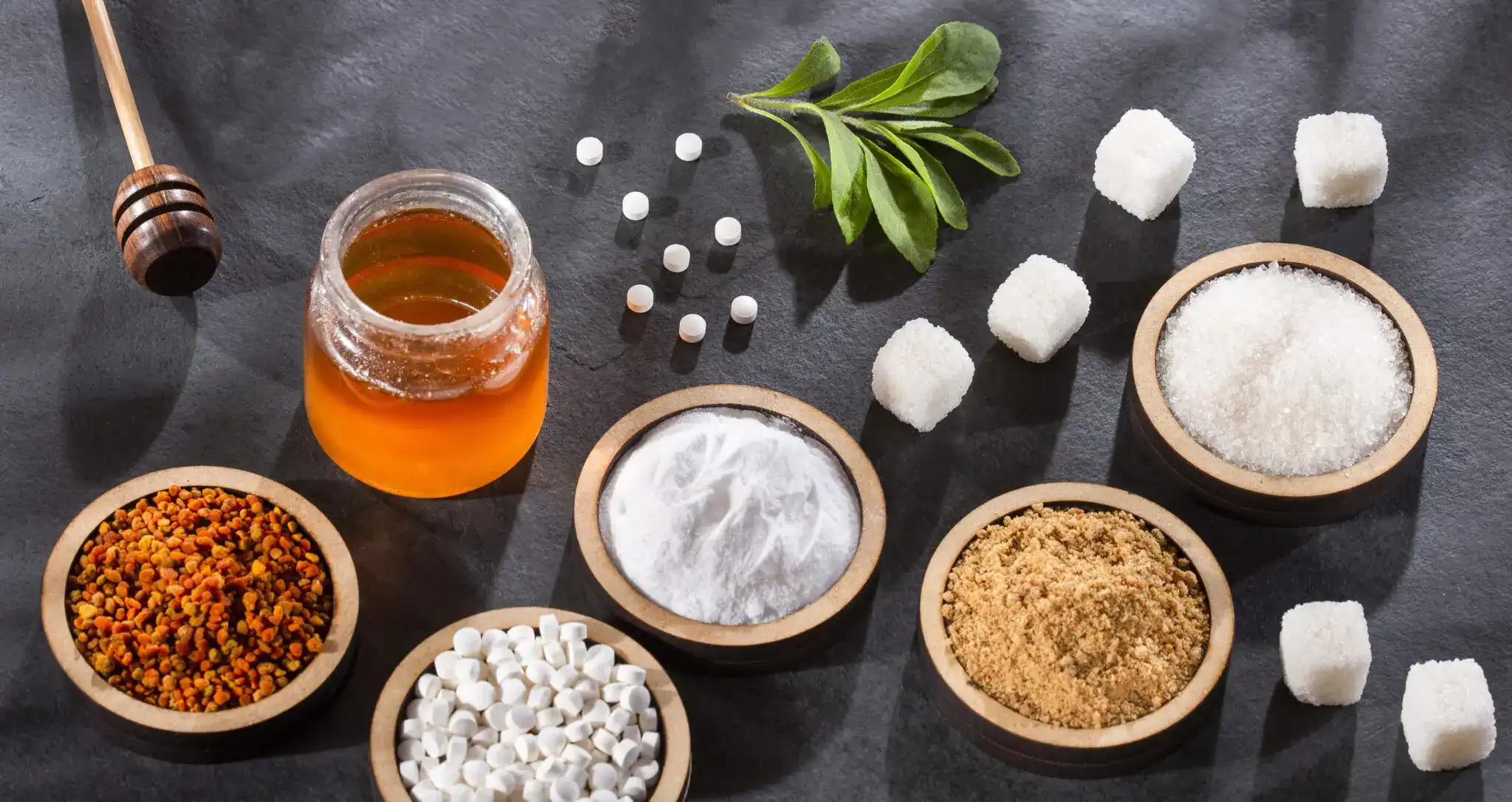
Understanding Sodium Cyclamate Granular: Properties and Uses
Chemical Identity and Physical Characteristics
Sodium cyclamate granular, which is also called Sodium N-cyclohexylsulfamate (CAS No: 139-05-9), is designed to be used in large amounts in industry. The temperature at which it melts, about 265°C, is much higher than what is needed for most baking, sterilizing, and making medicines. The grainy form has a significantly lower hygroscopicity than fine powder options. This means that it flows more easily, doesn't stick together as much when stored in bulk, and can be precisely dosed on automatic production lines.
It dissolves in water at a rate of about 1g/5ml and stays stable in a pH range of 2.0 to 10.0, so it can be used in a wide range of products, from acidic drinks to alkaline pharmaceuticals to neutral cosmetics.
Industrial Application Scope
The chemical can be used in a lot of different controlled areas. It keeps the sweetness stable by sterilizing at high temperatures in the food and drink industry. It is used by people who make medicines to hide bitter API profiles in syrups, chewable tablets, and powders that fizz. Because it doesn't cause cavities, it's a good ingredient for toothpaste and mouthwash in personal and oral care items. It is also added to animal feed to make it taste better without changing the blood sugar levels of animals.
Benefits of Sodium Cyclamate Granular for Industrial Formulations
This ingredient has a lot of technical benefits that go beyond just replacing sugar. Formulators can make more solid, data-based choices about buying when they know about these benefits.
Here are the main practical benefits that make it a good choice for large-scale use:
- Thermal resilience in processing environments of sodium cyclamate granular: With a melting point near 265°C and no participation in Maillard reactions, it retains consistent sweetness through baking cycles up to 250°C—a critical advantage over aspartame, which degrades significantly above 150°C. Baked goods, pasteurized beverages, and heat-processed pharmaceutical syrups all benefit from this stability. Wide pH tolerance for diverse formulations: Its stability across pH 2.0–10.0 means formulators working with citrus-forward beverages, acidic sports drinks, or alkaline pharmaceutical buffers can rely on predictable sweetness delivery without reformulation adjustments. This removes a common variable in product quality control.
- Cost efficiency at scale: At 30–50 times the sweetness of sucrose, significantly smaller quantities are required per batch. Combined with a competitive unit price relative to sucralose or stevia glycosides, total sweetener costs per production run are materially reduced, benefiting high-volume manufacturers.
These benefits all help with three problems that businesses have: the cost of formulation, the reliability of the process, and the consistency of the product. These parameters can be used as direct benchmarks by procurement teams when deciding whether to substitute an ingredient or qualify a supplier.
Sodium Cyclamate Granular vs. Alternative Sweeteners: A Rational Choice for Procurement
People who work in procurement are often asked which sugar method gives the best overall value. This comparison isn't just about price per kilogram; it also looks at taste, processing compatibility, legal status, and the possibility of working together.
Performance Against Saccharin and Aspartame
Sodium cyclamate successfully hides saccharin's bitter aftertaste when mixed with it in a 10:1 ratio, creating a cleaner, more sucrose-like sweetness profile. This synergy lowers the total amount of sweetener while making the product taste better to consumers. Even though aspartame is widely used, it loses its sweetness above 150°C and breaks down in acidic environments, which this ingredient does not.
Cost and Stability Versus Natural Sweeteners
Stevia rebaudioside A and monk fruit extract are becoming more popular in high-end markets, but they still cost a lot more per unit of sweetness equivalent. This difference in costs is important for companies that make a lot of mid-market goods. Sodium cyclamate granular provides a consistent level of sweetness at a much lower cost, and it doesn't come with the complicated rules that some botanical-based sweeteners do in some export markets.
How to Procure Sodium Cyclamate Granular for Industrial Use
Supplier Qualification Criteria
There are more things to check than just a product data sheet when choosing a reliable source. Assay content (98.0%–101.0% dry basis), cyclohexylamine content (≤10 ppm), dicyclohexylamine content (≤1 ppm), loss on drying (≤1.0%), heavy metals (Pb ≤2 ppm, As ≤3 ppm), and solution transmittance (≥95%) are some of the most important quality factors that you should look for in a Certificate of Analysis (CoA). For food-grade compliance, you have to do microbial testing for E. coli, Salmonella, and total plate count.
Certification Verification and Logistics
Manufacturers who sell to regulated markets in North America, Europe, and the Middle East must have certifications like FDA compliance, Halal, BP, CP, and FSSC22000. Mesh size consistency, which comes in ranges of 10–20, 20–40, and 40–80 mesh, needs to match your dissolution rate needs to avoid uneven sweetness spread during mass mixing. Before committing to bulk orders, ask for samples and make sure you have proof of the shelf life, which is usually two to three years with proper storage.
Best Practices for Using Sodium Cyclamate Granular in Industrial Formulations
Proper treatment protects both the quality of the product and the safety of the workers. Keep the items in sealed containers in a cool, dry place that is less than 25°C and has a relative humidity of less than 60%. Because it is not very hygroscopic, it can handle normal storage conditions without sticking too much. However, it should still be kept away from moisture for long periods of time.
When using it in pharmaceuticals, add it early on in the mixing process to make sure it is spread evenly throughout the matrix. To get the same amount of sweetness per unit in drinks, dissolve it in water first before mixing it with other ingredients. Before going big, do some small-scale tests to find the best ratio for mixing acesulfame-K or aspartame. This is because synergistic sweetness effects can lower the overall sweetener load by 20–40% compared to single-ingredient systems.
Conclusion
For producers in the food and beverage, pharmaceutical, nutraceutical, personal care, and animal nutrition industries, sodium cyclamate granular provides a reliable, cost-effective option. It is stable at high temperatures, can handle a wide range of pH levels, has no glycemic index, and can blend with other substances to make new ones. It meets the standards needed by controlled global markets because it has real certifications and quality factors that can be tracked. If your buying team is trying to find a good balance between performance and value, this ingredient should be given a lot of thought during your next recipe review.
FAQ
1. Is sodium cyclamate granular heat-stable for baking and pasteurization?
Yes. It withstands temperatures up to 265°C without degradation or sweetness loss, making it suitable for baking cycles, pasteurization, and hot-fill beverage processing—applications where aspartame would degrade.
2. What certifications should I verify before purchasing?
Prioritize FDA compliance, Halal, BP, CP, and FSSC22000 at minimum. For markets in the Middle East or with Jewish dietary requirements, Halal and Kosher certifications carry added weight. Always request a current CoA with impurity limits confirmed.
3. How does it compare to sugar in cost efficiency?
Because it is 30–50 times sweeter than sucrose, the effective use rate per batch is dramatically lower. This translates into substantial cost savings for high-volume manufacturers even when the per-kilogram price appears similar to other synthetic sweeteners.
4. Can it be blended with other sweeteners?
It shows documented synergistic performance with acesulfame-K and aspartame, and is routinely combined with saccharin to improve overall taste profile. Blending can reduce total sweetener input while maintaining target sweetness intensity.
5. What are the recommended storage conditions?
Store below 25°C in a dry, sealed environment. Under these conditions, shelf life is 2–3 years. Its low hygroscopicity makes it more storage-stable than fine powders in warehouse settings.
Partner with Avans — Your Trusted Sodium Cyclamate Granular Supplier
Avans NutriHealth Co., Ltd. supplies certified sodium cyclamate granular meeting FDA, Halal, BP, CP, and FSSC22000 standards, with purity of 98.0%–101.0% and in-stock availability. Our team supports R&D departments, procurement managers, and formulators with technical documentation, samples, and competitive bulk pricing. Contact our ingredient specialists today to request a CoA or discuss your formulation requirements directly at Lillian@avansnutri.com.
References
1. Renwick, A. G. — "The metabolism of intense sweeteners." Xenobiotica, 1986.
2. Kroger, M., Meister, K., & Kava, R. — "Low-calorie sweeteners and other sugar substitutes: A review of the safety issues." Comprehensive Reviews in Food Science and Food Safety, 2006.
3. Chattopadhyay, S., Raychaudhuri, U., & Chakraborty, R. — "Artificial sweeteners – a review." Journal of Food Science and Technology, 2014.
4. European Food Safety Authority (EFSA) — "Scientific opinion on the re-evaluation of cyclamic acid and its sodium and calcium salts." EFSA Journal, 2016.
5. Mortensen, A. — "Sweeteners permitted in the European Union: Safety aspects." Scandinavian Journal of Food and Nutrition, 2006.
6. Schiffman, S. S., & Rother, K. I. — "Sucralose, a synthetic organochlorine sweetener: Overview of biological issues." Journal of Toxicology and Environmental Health, Part B, 2013.