




PQQ Bulk Powder vs Capsules: Which Is Better for Brands?
When brands have to choose between PQQ bulk powder and capsules, they need to think about their manufacturing skills, product goals, and the needs of their target market. Nutraceutical companies that are making their own unique recipes choose PQQ bulk powder because it is more flexible, cheaper, and can be customized more easily. For consumers, capsules are convenient and ready-to-go, but they limit the variety of ingredients that can be used in a recipe. The best choice will rely on the size of your business, your production infrastructure, and where you want to place yourself in the supplement market.
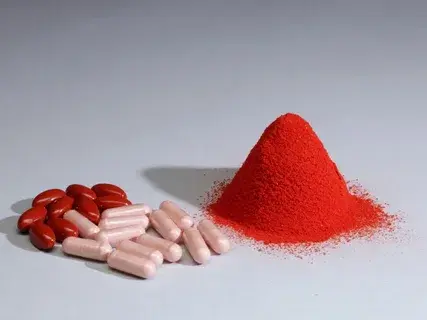
Understanding PQQ: Bulk Powder vs Capsules — Key Differences and Market Needs
Pyrroloquinoline Quinone is a strong redox cofactor that was found in bacterial fermentation. It has become an important part of formulas for brain health and mitochondrial support. The fact that the ingredient is sold in two main forms—bulk powder and pre-encapsulated forms—brings both pros and cons for brands making decisions about product development.
The Science Behind PQQ Bulk Powder
Hyphomicrobium denitrificans is used in advanced bacterial fermentation to make high-purity Pyrroloquinoline Quinone powder, which usually looks like a reddish-brown solid material. This way of making bio-identical products makes sure that the structures are strong and safe, meeting the requirements of markets in North America, Europe, and the Middle East. The 99% pure standard means that the product is of pharmaceutical-grade quality, which is important for brands that want to sell to controlled industries like nutraceuticals, functional foods, and cosmetics. Premium-grade pyrroloquinoline quinone disodium salt solves important production problems because it is stable at the molecular level. The Journal of Nutritional Biochemistry released research that supports PQQ's role in increasing mitochondrial biogenesis, helping cells make energy, and protecting against oxidative stress as an antioxidant. Because of these bioactive qualities, they can be used to improve brain health, heart health, liver health, energy production, and skin renewal.
Capsule Format Characteristics
Pre-encapsulated PQQ goods are ready to use for brands that want to get into the market right away but don't have a lot of manufacturing facilities. Capsules give exact dosing, usually between 10 mg and 20 mg per unit, which is in line with a clinical study that shows benefits for energy and cognition. The format meets the needs of consumers who want ease and control over their portions, which leads to strong retail success in direct-to-consumer platforms. But pill forms make it harder to be creative with formulations. To improve bioavailability, brands can't easily change dosage amounts, mix ingredients that work well together, like CoQ10 or alpha-lipoic acid, or change how the drugs are delivered. The set packaging also limits the chances for custom mixing, which makes goods stand out in competitive markets.
Market Demand Patterns
The global nutraceutical industry's purchasing data shows that demand trends for bulk and finished forms are not the same. Big to medium-sized companies with well-established R&D teams are increasingly choosing PQQ bulk powder because it can be mixed in a lot of different ways and is cheaper when used in large quantities. When contract makers make products for private label clients, they focus on bulk materials that can meet the needs of a wide range of clients. On the other hand, smaller brands that can't make as much or are just trying out ideas in the market often start with capsules and then switch to bulk powder as their volume grows.
Criteria for Brands: How to Choose Between Bulk Powder and Capsules
To make a strategic choice between PQQ forms, you need to carefully look at them from several practical and business points of view. Formulators and procurement managers have to look at each choice and see how it fits with their goals for market positioning, manufacturing skills, and regulatory requirements.
Manufacturing Scale and Infrastructure
Projections of production volumes have a big effect on media choice. Brands that plan to make more than 50,000 units a year can save a lot of money by buying PQQ bulk powder. The format of the raw material makes it possible to add it to current processes for encapsulation, tableting, or powder premixing, so you don't have to rely on outside sources of finished goods. When equipment costs, quality control infrastructure, and inventory management costs are taken into account, capsule forms may be more cost-effective for smaller businesses that only make a few SKUs.
Regulatory Compliance Framework
International licensing rules have a big effect on how brands that serve global markets choose to style their products. High-quality PQQ bulk powder from licensed producers comes with all the paperwork needed to meet legal requirements in multiple states. Certifications like ISO, HACCP, FSSC 22000, HALAL, and KOSHER show that the production process is honest, which is important for brands that want to sell in controlled markets.
Economic Considerations
Instead of just comparing prices per unit, cost research needs to look at total landed costs. The price of PQQ bulk powder depends on how pure it is, how much you order, and how certified your seller is. Minimum order amounts are usually between 1 kg and 25 kg, which means that you have to be very good at predicting demand and keeping track of your supplies. Costs per gram, on the other hand, go down a lot when you buy more, which is good for established names in the long run.
Stability and Shelf-Life Management
Because Pyrroloquinoline Quinones absorb water, they need to be stored and handled with care. Premium bulk powder goes through special crystallization processes that keep it from absorbing water and breaking down due to oxidation. Properly keeping cases that keep out light and moisture keeps the medicine's effectiveness for more than 24 months under controlled conditions.
Comparative Analysis: Bulk Powder vs Capsule Formats
A close look at the differences between the two shows that there are big operational effects on the long-term success and revenue of the business in terms of manufacturing, performance, and logistics.
Complexity of Formulation and Production
Buying PQQ bulk powder gives you a lot of preparation options that you don't have with pre-made pills. Brands can make their own blends by mixing PQQ with ingredients that work well together to target particular health results. Some common synergistic mixtures are B-vitamin complexes for complete energy metabolism formulations, resveratrol for supporting life, and CoQ10 for better mitochondrial function. Different forms have very different ways of integrating production processes. Brands that use bulk powder need to make sure they have approved mixing equipment, machinery for encapsulation or tableting, and the ability to test for quality control. For simple capsule filling processes, the initial capital investment is modest. For complex continuous manufacturing systems, it is sizable. Capsule goods get rid of these needs, but they give up control over the composition and the ability to maximize margins.
Bioavailability and Clinical Efficacy
The scientific research that looks at PQQ absorption and biological action can help us understand why different formats work differently. A study in the Journal of Nutritional Science and Vitaminology shows that PQQ disodium salt dissolves easily in water and is quickly absorbed by the stomach, no matter how it is delivered. It's not the difference between bulk and pill that determines absorption; it's how co-ingredients interact with each other and how each person's digestive system works. When brands are making goods based on facts, they should put purity standards and supply chain stability ahead of ideas about format. The 99% purity standard makes sure that there aren't many impurities or breakdown products that could stop cellular action. Third-party testing that checks for heavy metal limits, microbiological requirements, and assay accuracy is what makes clinical result duplication possible.
Packaging and Logistics Optimization
When it comes to supply chain efficiency, bulk powder is better for well-known names with steady demand trends. Shipping more of the same basic materials at once saves money on freight, cuts down on packing waste, and makes managing inventory easier. A 25 kg drum of PQQ bulk powder takes up very little stock room but can support long production runs. This is in contrast to the storage needs of large capsule bottles. But capsule forms are better for brands that have spread production networks, or that want to try more than one market idea. The ready-to-package style speeds up the time it takes to get a product to market, makes quality control easier, and makes it easier to fill out governmental paperwork for new products. Brands can find out if there is a demand in the market before investing in large powder supplies and production infrastructure.
Procurement Insights for B2B Buyers: Navigating Suppliers and Quality Assurance
To do PQQ buying right, you need to carefully evaluate suppliers, make sure the quality of the ingredients is high, and handle your relationships with them in a way that makes sure you always get the best ingredients that meet your exact needs.
Evaluating Manufacturer Credentials
Professionals in procurement must do their research and evaluate a supplier's skills in a wide range of areas. Certifications like ISO 22000, HACCP, and FSSC 22000 for manufacturing facilities show that their food safety management systems are mature. These globally accepted standards make sure that sellers keep production areas under control, clean in a way that has been proven to work, and follow strong rules to keep things from getting contaminated. A supplier's professional skills go beyond just having the right certifications. Ask for specific details about the methods used for fermentation, cleaning, and quality control tests. Leading makers use advanced chromatography methods like HPLC to check for purity, ICP-MS to look for heavy metals, and microbial tests to make sure there are no pathogens. Suppliers who are open about their analytical methods and ready to share records of analysis show that they care about quality.
Third-Party Verification Processes
Independent lab testing is an important way to make sure that what the supplier says is true and that the product meets the standards. Build connections with approved testing labs that can do full PQQ analysis, such as confirming identity using spectroscopic methods, figuring out how pure something is, and looking for contaminants. Regular third-party verification keeps brands safe from the risk of being tampered with and makes sure that regulatory compliance paperwork is correct. Set up testing methods for arriving raw materials that are in line with the needs of your quality management system. Some of the most basic things that should be tested are the item's look, its wetness content, its assay value, and its heavy metal content. For brands that sell to pharmacy or clinical markets, they might need extra requirements like endotoxin tests, particle size distribution, and leftover solvent analysis.
Managing Bulk Orders and Logistics
To successfully buy PQQ bulk powder, you need to carefully plan your trip, taking into account things like wait times, storage needs, and making the most of your goods. Production and shipping times usually vary from four to eight weeks, but this depends on the size of the order, where it's going, and how long it takes to clear customs. To keep production from stopping and to keep carrying costs as low as possible, procurement managers should keep safety stock levels. The storage system must be able to meet the needs of the PQQ bulk powder. Keeping the temperature below 25°C and the relative humidity below 60% in a climate-controlled warehouse keeps the products stable. First-in, first-out inventory change will keep your products at their best throughout their shelf life and stop old materials from being used. In multi-product facilities, cross-contamination can be avoided by following the right handling methods, such as using dedicated scooping tools and following clean room rules.
Strategic Recommendations: Which Format Should Your Brand Choose?
In the end, choosing a format depends on the brand's goals, its place in the market, and its operational skills. Knowing when to use bulk powder or pills to reach strategic goals helps you make smart purchasing decisions that will help your business grow in the long run.
Optimal Scenarios for Bulk Powder Selection
PQQ bulk powder is most useful for brands that want to set their products apart through unique formulas. The format of the raw material makes it possible to make one-of-a-kind complexes with multiple ingredients, customizable dose levels, and new delivery methods that give companies a competitive edge. Companies that already have a quality control system in place and the ability to make things can save a lot of money by processing bulk parts instead of buying finished goods. Brands that want to sell to professionals, like doctors, sports trainers, and fitness clinics, often choose bulk powder that lets practitioners make their own dose suggestions. The format works with therapeutic methods that need to change the dose based on how each patient responds, clinical tracking, or certain health conditions.
When Capsules Make Strategic Sense
New brands that want to test the market without spending a lot of money find that package forms make it easier to get started. Launch times are sped up with the ready-to-market setup, regulatory paperwork is made easier, and quality control is made simpler. Startups can find out if customers want their products and improve their marketing strategies before they spend a lot of money on manufacturing equipment and a big inventory. During growth times, brands that can't make a lot of their own products or that hire outside companies to do the work may choose pills at first. The format makes it easier to work together with contract producers and make quality deals. But these brands should plan ways to switch to bulk powder as sales grow, and it becomes more important to maximize margins.
Conclusion
Choosing between PQQ bulk powder and pills as a strategic format has a big effect on how profitable a brand is, how well it can differentiate its products, and how competitive it will be in the long run. Bulk powder offers more formulation options, lower costs at scale, and the ability to be customized, all of which are important for brands that want to present themselves as luxury or create their own unique products. The format needs investments in manufacturing facilities and advanced quality control, but it pays off big for businesses that are already up and running. Capsules make it easy to get into new markets and come in packaging that is easy for customers to open, but they limit formulation creativity and profit growth. When choosing forms that match operating facts with market possibilities, procurement professionals should look at present skills, growth forecasts, and strategy goals.
FAQ
What is the usual dose range for PQQ bulk powder in supplement formulations?
The daily doses used in clinical studies to show that PQQ bulk powder is good for mitochondria and brain function are usually between 10 mg and 20 mg. Formulators should figure out how much bulk powder to use, aiming for this range, while adding a 3-5% overage to account for possible decay and make sure that the label claim is met throughout the product's shelf life.
How can brands be sure that a PQQ bulk powder seller is real?
To fully check a seller, you should look at their manufacturing certifications, ask for certificates of analysis from recent production batches, have tests done by a third-party lab, and, if possible, do supplier audits. Manufacturers with a good reputation give clear paperwork that includes information about the fermentation process, rules for quality control, and records of legal compliance to support due diligence requirements.
Is there common toxins in PQQ bulk powder?
Most high-quality PQQ that comes from fermentation doesn't contain any big allergens, like gluten, soy, or dairy. But brands have to get specific allergen statements and proof that cross-contamination won't happen from their sources. For "free-from" product claims to be true, factories that use a lot of different ingredients need to be cleaned very carefully so that allergens don't show up in small amounts.
Partner with Avans for Premium PQQ Bulk Powder Supply
Pharmaceutical-grade Pyrroloquinoline Quinone powder 99% made under strict quality standards is available from Avans NutriHealth Co., Ltd. to help you reach your product creation goals. Our fermentation-derived PQQ bulk powder stays very pure, stable, and consistent, which is important for high-quality nutritional formulas. We work with global names that need reliable supply chains and legal paperwork to get into markets in North America, Europe, and the Middle East. Our certifications include ISO, HACCP, FSSC 22000, and HALAL. We offer a range of flexible packaging choices, from 1 kg to 25 kg, to suit different production sizes. Additionally, we keep a lot of our products in stock, so we can quickly fulfill your orders and meet your production schedules. Email our technical team at Lillian@avansnutri.com to get certificates of analysis, talk about special specs, or get prices on bulk powder that are competitive with others on the market.
References
1. Stites, T.E., Mitchell, A.E., and Rucker, R.B. (2000). "Physiological Importance of Quinoenzymes and the O-Quinone Family of Cofactors." Journal of Nutrition, 130(4), 719-727.
2. Chowanadisai, W., Bauerly, K.A., Tchaparian, E., Wong, A., Cortopassi, G.A., and Rucker, R.B. (2010). "Pyrroloquinoline Quinone Stimulates Mitochondrial Biogenesis through cAMP Response Element-binding Protein Phosphorylation and Increased PGC-1α Expression." Journal of Biological Chemistry, 285(1), 142-152.
3. Nakano, M., Ubukata, K., Yamamoto, T., and Yamaguchi, H. (2009). "Effect of Pyrroloquinoline Quinone (PQQ) on Mental Status of Middle-Aged and Elderly Persons." Food Style, 21(13), 50-53.
4. Harris, C.B., Chowanadisai, W., Mishchuk, D.O., Satre, M.A., Slupsky, C.M., and Rucker, R.B. (2013). "Dietary Pyrroloquinoline Quinone (PQQ) Alters Indicators of Inflammation and Mitochondrial-Related Metabolism in Human Subjects." Journal of Nutritional Biochemistry, 24(12), 2076-2084.
5. Zhu, B.Q., Zhou, H.Z., Teerlink, J.R., and Karliner, J.S. (2004). "Pyrroloquinoline Quinone (PQQ) Decreases Myocardial Infarct Size and Improves Cardiac Function in Rat Models of Ischemia and Ischemia/Reperfusion." Cardiovascular Drugs and Therapy, 18(6), 421-431.
6. Kumazawa, T., Sato, K., Seno, H., Ishii, A., and Suzuki, O. (1995). "Levels of Pyrroloquinoline Quinone in Various Foods." Biochemical Journal, 307(2), 331-333.