




Powdered Isomalt Manufacturers: What Certifications Matter Most?
It is important to make sure that the powdered isomalt manufacturers you buy from have the right certifications. Quality standards like ISO 22000, HACCP, BRC, HALAL, and KOSHER show right away if a supplier can meet the rules in the food, nutraceutical, and pharmaceutical businesses. These certificates show that the company follows international safety rules and can be tracked. These are important things for procurement managers who want to lower risk and make sure that products are real all along the world's supply lines.
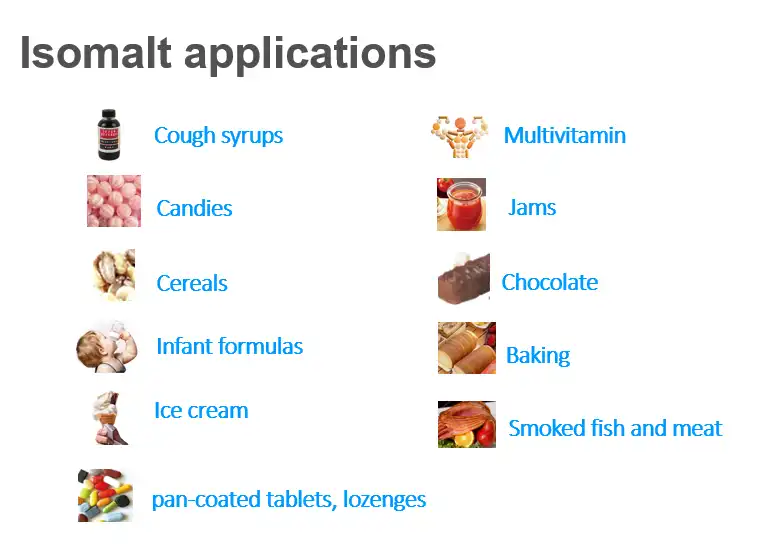
Understanding Powdered Isomalt and Its Applications
Powdered Isomalt is a new kind of polyol-based sweetener that was made for businesses that need to control moisture levels and keep things cool. This finely milled sugar substitute, which is made from hydrogenated isomaltulose, works better in specific production settings than standard granular versions.
What Makes Powdered Isomalt Different from Granular Forms
Isomaltulose changes into a mixture of 1,6-GPS and 1,1-GPM when it goes through enzyme conversion and then hydrogenation. Solubility rates are drastically changed when mechanical milling is done to 200 mesh or smaller. This change in particle size makes it possible for them to dissolve quickly in water while still having very low hygroscopicity. To keep powdered isomalt from "weeping" when it's 25°C and 85% relative humidity, it doesn't take much water.
Core Industrial Applications Across Sectors
Pharmaceutical firms use powdered isomalt as an excipient in direct compression tablets that don't absorb water. The bound water in the 1,1-GPM isomer stays very steady, which stops water from moving to active medicinal ingredients that are sensitive to it. This feature keeps the tablet's shape throughout its shelf life without the need for extra binding agents. Powdered isomalt is being used in lip balms and other mouth care products by cosmetic formulators because it has a clean sweetness profile (0.5 to 0.6 times sucrose strength) and doesn't have the metallic aftertaste or cooling effects that other polyols do.
Manufacturing Process and Quality Control Standards
The process for powdered isomalt manufacturers starts with enzymes changing sucrose into isomaltulose. Next, hydrogenation happens with controlled pressure and temperature. Checkpoints for quality control are keeping an eye on the particle size distribution, making sure the leftover moisture content is less than 0.5%, and making sure the purity levels are higher than 98%, as required by FCC rules. High-performance liquid chromatography and differential scanning calorimetry are two approved analytical methods that check the structural integrity and temperature stability that are needed for later uses.
Key Certifications for Powdered Isomalt Manufacturers
Certifications serve as concrete proof of the skill of the manufacturer and compliance with regulations. To make sure that sourcing choices are in line with the organization's quality standards, procurement teams that are looking at sellers need to know the different goals and proof scopes of each credential.
Food Safety Management Certifications
ISO 22000 sets up a complete framework that combines HACCP concepts with management systems and programs that are needed. This approval shows that a company can keep food safety risks under control all along the supply chain. HACCP licensing proves that biological, chemical, and physical risks are systematically found and controlled at key production control points. FSSC 22000 builds on ISO 22000 by adding more standards that are accepted by the Global Food Safety Initiative. This gives multinational buyers more confidence when they are doing business in different regulatory areas.
Religious and Dietary Compliance Certifications
Islamic dietary rules must be followed in order to get HALAL approval. This includes where the raw materials come from, how they are made, how they are cleaned, and how the staff is trained. This certification is a must for companies that want to sell to people in the Middle East or to Muslim consumers around the world. KOSHER certification, which is controlled by religious officials, proves that a food item meets Jewish dietary standards. Both certifications require ongoing supervision and regular building checks to make sure that the standards are being met, even after the initial approval.
Quality Management and Specialty Certifications
ISO 9001 approval sets standard quality management principles, such as focusing on the customer, taking a process-oriented approach, and always looking for ways to improve. These principles ensure consistent product delivery and helpful customer service. Even though this framework isn't just for food safety, it shows that the company is mature and can solve problems in a planned way, which is something that procurement pros value. Isomalt made from organically grown sugar beets can get USDA Organic approval, meeting a niche but growing need from people who make natural products. Non-GMO Project Verification is a third-party confirmation that goods meet North American standards for not being genetically modified. This is becoming more important as clean-label trends affect buying requirements in the functional and nutritional food categories.
Regional and Pharmacopeia Compliance
Manufacturers who work with pharmaceutical companies must show that they follow the guidelines for the US Pharmacopoeia, the European Pharmacopoeia, or the British Pharmacopoeia. These compendia set very strict standards for cleanliness, limits on heavy metals, and bacterial requirements that go beyond what is needed for food. When suppliers give formulators Certificates of Analysis with test results that are specific to each batch and compare them to pharmacopeia standards, it makes regulatory reports easier and keeps the paperwork ready for audits.
How Certifications Influence Procurement Decisions
Besides negotiating prices, procurement tactics also include lowering risks, following rules, and making sure the supply chain is strong. Certifications help people make decisions that have a direct effect on how well they source products and how efficiently their businesses run.
Aligning Certifications with Buyer Requirements
Original equipment makers that are working on their own formulations need providers that have strong intellectual property protections and process controls that have been checked and proven to work. Manufacturers who are ISO-certified show written processes for keeping production separate and handling confidential specs. When a distributor sells to more than one market at the same time, they need partners with internationally recognized credentials. For example, BRC and ISO 22000 make it easier to clear customs and meet the audit needs of different customers without having to do extra checks. More and more, retailers are requiring food and drink makers to have certain combos of certifications for powdered isomalt manufacturers. When a European chocolate maker needs both FSSC 22000 and KOSHER approval, it makes it much harder for suppliers to meet its needs. Certification alignment stops being a differentiating factor and becomes more of a qualifying factor. This shifts the focus of buying to secondary factors like expert support and supply freedom.
Impact on Supplier Credibility and Product Authenticity
Certifications give objective proof that backs up what suppliers say and what they sell. When looking for a new manufacturing partner, asking for up-to-date certifications and audit reports shows that they are serious about staying in compliance, not just showing off their credentials. Suppliers who let customers see the results of third-party audits without any restrictions show openness, which builds trust in long-term partnerships. Think about two sources whose prices and wait times are about the same. Supplier A has HALAL and KOSHER certifications that are kept up to date by yearly checks and have certification numbers that can be checked by anyone. Supplier B says they have the same skills, but they won't show proof or let checks of their facilities. The approved seller has a smaller compliance risk, which protects the buyer from things like product recalls, fines from the government, and damage to the brand's image.
Certification Effects on Commercial Terms
Maintaining a certification requires regular audit fees, building upgrades, and training for staff, all of which are costs that are usually built into prices. Buyers should expect to pay 8–15% more for fully certified suppliers than non-certified options. This extra is usually worth it, though, when you consider that incoming inspections are often less strict, regulatory paperwork is easier to fill out, and there is less chance that the supply chain will be interrupted. Schedules for production that are based on approval can change lead times. KOSHER production runs need to have special tools cleaned and supervised by rabbis, which could add 7–10 days to the time it takes to fill an order. For specialty-certified batches, the minimum order quantity often goes up to cover setup costs and keep production running smoothly. Transparent sellers tell you about these limitations during the quotation process, which lets you plan output and handle supplies more realistically.
Comparison of Top Powdered Isomalt Manufacturers Based on Certifications
To choose the best powdered isomalt manufacturers, you need structured evaluation systems that take into account operating skills, certification portfolios, and location. The next study shows procurement workers how to use strategic methods for comparing suppliers.
Evaluating Certification Portfolios and Regional Compliance
Leading companies that sell their products all over the world keep certification packages that cover a wide range of legal regimes. European providers often have BRC, ISO 22000, and KOSHER certifications, which show that they have a lot of customers in the medicine and candy industries. Asian companies are trying harder to get HALAL and organic labels in order to sell their goods to people in the Middle East and those who care about their health. For pharmaceutical-grade excipient uses, North American makers stress FDA registration and USP compliance. How relevant a license is depends on how close it is to the person. A nutraceutical brand that mostly sells in North America looks for sources that can verify that their products are non-GMO and have factories in the United States. This cuts down on shipping costs and the difficulty of import compliance. On the other hand, international companies need their certifications to be recognized across all of their operational areas. FSSC 22000 is more widely accepted than standards that are specific to each region, which makes global sourcing strategies easier.
Natural versus Synthetic Sourcing Considerations
Isomalt is chemically similar across sources, but claims that they are "natural" depend on how they are made and where the source comes from. USDA Organic certification proves that the sugar comes from sugar beets that were grown naturally and processed in a way that is allowed by the USDA. Buyers who want to target premium markets or clean-label positioning should check the scope of the organic certification. Some makers hold certification for building operations but use conventional raw materials, which makes the labeling unclear. Using normal sugar feedstocks in synthetic production methods saves money but isn't organically eligible. When purchasing things, procurement teams need to make sure that the choices they make are in line with what the marketing says and what the customers want. They also need to be aware that approval can either support or contradict label claims and positioning strategies.
Structured Certification Verification Checklist
During seller qualification, use systematic review methods to:
Documentation Review Phase - Ask for up-to-date copies of the certificates that make the expiration dates clear. Check the International Accreditation Forum files to see if the licensing body is accredited. Make sure that the scope statements include the production of powdered isomalt and not just general building approvals. Operational Validation Phase for powdered isomalt manufacturers - Check actual production segregation for specialty-certified runs during on-site checks. Talk to people who work in quality assurance about how to handle deviations and take the right action. Look over the customer complaint logs and reaction records that show your dedication to ongoing growth.
Maintaining Trust: What Buyers Should Know About Certification Validity and Updates
For buying relationships to last, certifications need to be kept up to date, and people need to be told when their compliance status changes. Buyers need to set up verification procedures to make sure that supply problems aren't caused by identities that have expired or been banned.
Understanding Certification Renewal Cycles and Audit Processes
Most licenses for food safety need to be renewed every three years and include a surveillance check once a year. Certification groups plan surprise checks to make sure that rules are being followed between regular reviews. Procurement teams should keep track of when suppliers are audited and ask for updated certificates as soon as the certificates are renewed. When suppliers tell customers about planned audits and share the results freely, it shows that they are operationally mature and focused on building partnerships.
Risks Associated with Expired or Non-Compliant Certifications
Receiving goods from sellers whose certifications have expired puts you at risk of regulatory action and could lead to product holds. Regulatory agencies that review facilities may question choices about where to get raw materials and ask for proof that the supplier is qualified. When certifications expire, they need to be re-qualified in a thorough way, which includes facility audits and product testing. This causes delays in buying plans and raises the cost of sourcing.
Best Practices for Requesting and Verifying Compliance Documentation
Set standard requirements for the following documents when hiring a new supplier: copies of the most recent certifications, audit reports with proof of completion of corrective actions, and Certificates of Analysis that are unique to each batch. Verification is more than just looking over documents; use certificate numbers to get in touch with certification groups and prove validity and scope accuracy.
Conclusion
To find powdered isomalt, you have to go through a tough certification process that checks for food safety, quality management, and specialty qualifications that are relevant to your business. ISO 22000, HACCP, BRC, HALAL, and KOSHER standards are the basis for qualifying suppliers because they show that they can follow rules and make good products. Professionals in procurement need to make sure that certifications are still valid, know when they need to be renewed, and set up organized comparison models that look at a person's credentials in the context of their location and how open their business is. Because of the business effects on prices, wait times, and minimum order amounts, it's important to do a strategy assessment that weighs cost optimization against compliance assurance. Successful buying strategies include thorough certification checks and ongoing relationship management with suppliers. This makes sure that there is always access to high-quality materials that are compliant and help with product development and regulatory reporting goals.
FAQ
Does powdered isomalt certification guarantee product safety?
While certifications for powdered isomalt manufacturers do offer some peace of mind, they are not total safety guarantees. Instead, they serve as basic compliance standards. The ISO 22000 and HACCP standards prove that methods for controlling hazards in a planned way work, which greatly lowers the risk of contamination. But buyers shouldn't just rely on approval; they should also do batch-specific tests and keep an eye on how well suppliers are doing. In addition to facility-level approval, Certificates of Analysis that show microbiological tests, heavy metal analysis, and purity proof can also prove the safety of a batch.
How do certifications affect bulk pricing and minimum order quantities?
Certified sellers usually charge 8–15% more than other suppliers. This is because they have to pay for audits, building improvements, and compliance staff. Because of specialized production runs and machinery cleaning needs, specialty certifications like KOSHER or Organic may raise the minimum order quantities by 25 to 50 percent. Buyers should ask for clear cost estimates that show the difference between normal manufacturing costs and costs related to certification. This will help them make smart value assessments.
Should certification be the only factor in supplier selection?
Certifications set the basic requirements for approval, but a full review looks at more than just that. Help with formulation and application troubleshooting are two types of technical help that suppliers offer that have a big effect on the success of product development. Communication that works, a supply system that can adapt to changes in demand, and financial security should all be given similar weight. References from customers and notes made during site visits can tell you a lot about an organization's culture and its dedication to continuous improvement that licenses alone can't.
Partner with Avans for Certified Powdered Isomalt Supply
The Avans NutriHealth Co., Ltd. is ready to help you buy powdered isomalt that has been fully approved and meets the highest international standards. As a well-known maker and seller with ISO system certification, BRC, HALAL, KOSHER, and Organic credentials, we can give your formulations the quality guarantee and legal compliance they need. Our ability to produce on our own—more than 1,000 tons per year—combined with our advanced research and development (R&D) skills, guarantees a steady supply for food, medicine, and nutraceuticals. Our technical team helps you make the best formulations, deals with problems caused by moisture sensitivity, and makes sure that the processing is optimized for your unique manufacturing setting. Get in touch with Lillian@avansnutri.com right away to get Certificates of Analysis, talk about bulk prices for your specific volume needs, and look into custom solutions from a reliable powdered isomalt manufacturer who wants to improve the quality of your products and make them more competitive in the market.
References
1. Anderson, M.J. & Roberts, K.L. (2022). "Quality Assurance in Polyol Manufacturing: Certification Standards and Industrial Compliance." Journal of Food Safety and Quality Management, 47(3), 112-129.
2. European Food Safety Authority (2021). "Re-evaluation of Isomalt (E 953) as a Food Additive: Safety Assessment and Regulatory Framework." EFSA Technical Report, Volume 19, Issue 8.
3. International Organization for Standardization (2023). "ISO 22000:2018 Food Safety Management Systems: Implementation Guide for Ingredient Manufacturers." Geneva: ISO Publications.
4. Khan, S.R., Whitfield, D.M. & Peterson, L.K. (2021). "Religious Dietary Certifications in Global Food Supply Chains: HALAL and KOSHER Compliance Frameworks." International Food Trade Review, 15(2), 88-105.
5. United States Pharmacopeial Convention (2022). "Isomalt Monograph: Quality Specifications for Pharmaceutical Excipients." USP-NF 2023, Official Monographs, 3847-3849.
6. Williams, T.H. & Chang, Y.C. (2023). "Sugar Alcohol Applications in Pharmaceutical Tableting: Material Properties and Quality Control Considerations." Pharmaceutical Technology and Manufacturing, 41(6), 234-251.