




Polyphenol Powder in Cosmetics: What You Should Know?
Plant-based antioxidants are found in large amounts in polyphenol powder. It's being used in makeup more and more because it keeps skin safe and makes it look younger. Good for you, chemicals like these can be found in green tea, apples, and grapes. They give people who make skin care products natural ways to deal with inflammation, oxidative stress, and getting old too quickly. Buying teams can pick materials that meet both legal and customer standards in today's competitive beauty market if they know about the chemicals used in polyphenol-based goods, how to source them, and how to make them.
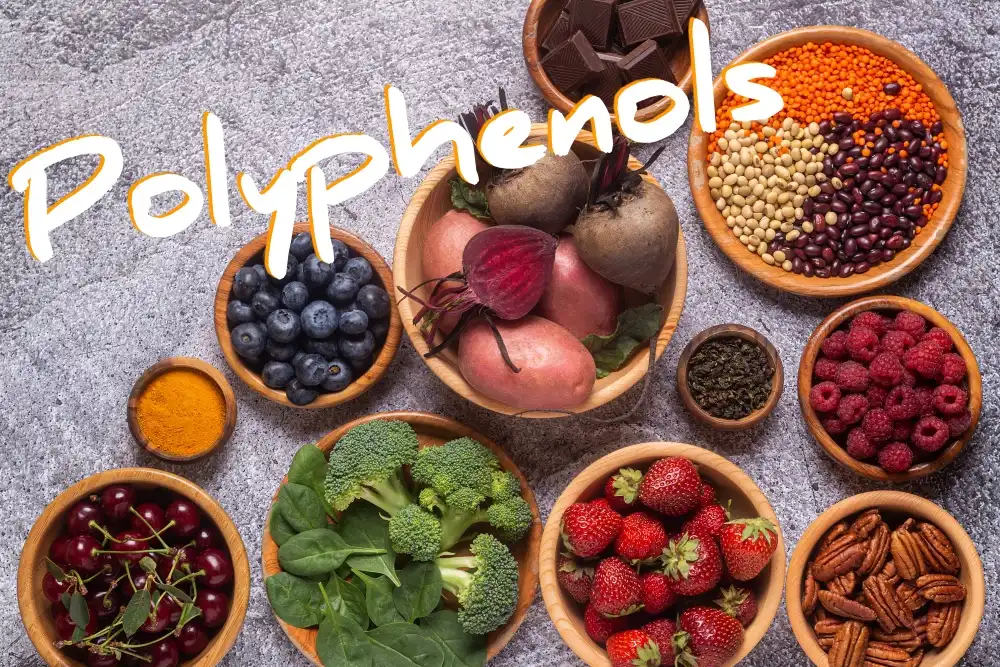
What is Polyphenol Powder and Why is it Important in Cosmetics?
In what ways would you describe polyphenol powder? What does it have to do with beauty products?
Defining Polyphenol Powder and Its Natural Origins
You can find a lot of plant secondary molecules in the polyphenol powder. These molecules have a lot of hydroxyl groups connected to aromatic ring structures. Camellia sinensis (tea), Malus domestica (apple), Vitis vinifera (grape), and many other plants make these chemicals. These plants help them protect themselves from stress from the outside world. Most of the time, water or ethanol is used in the extraction process. It is then freeze-dried or spray-dried to make steady powders that can be used in industry.
Flavonoids, phenolic acids, stilbenes, and tannins are just some of the chemicals that are found in polyphenol extracts. Each of these chemicals is good for you in its own way. Epigallocatechin Gallate (EGCG) and other polyphenols in tea are very good at getting rid of free radicals; their ORAC values are much higher than those of common antioxidants like Vitamin C.
Critical Benefits for Cosmetic Formulations
Adding skin care items with polyphenol-rich ingredients helps with a lot of different cooking goals at the same time. It cuts down on inflammation by stopping cyclooxygenase and lipoxygenase enzymes from doing their job. This makes the skin less red and sore. Because it lowers inflammation, this feature works especially well in products for sensitive skin or after surgery, where it helps the person heal faster and feel better.
Natural Versus Synthetic Sources and Procurement Transparency
It is very important for marketing, following the law, and how people see the product, to be able to tell the difference between phenolic chemicals that come from nature and those that are made in a lab. Labels like Organic, COSMOS, and Ecocert show that natural polyphenol powders from real plants were gathered in a healthy way and handled with little help. These standards back up claims of clean beauty that health-conscious customers are asking for more and more, and are on the list of things that you have to do to buy from top brands.
They are chemically the same as natural polyphenols, but they don't have the complex phytochemical framework that natural ones do. There are chemicals in this matrix that work well with each other. These chemicals may improve absorption, stability, and efficiency by interacting in ways that molecules can't do on their own. People who want to know how clear the ingredients are should ask for full phytochemical profiles through HPLC research when they buy something. This way, they can be sure that the profiles are the same from one batch to the next and that there aren't any added chemicals or adulterants that were made by people.
The Science Behind Polyphenol Powder in Skincare Products
Molecular Mechanisms of Skin Protection
DNA-Based Ways to Keep Your Skin Safe. Polyphenols really help protect cells by giving reactive oxygen species an electron. This stops them from hurting parts of the cell. They can get rid of different kinds of free radicals, like superoxide anions, hydroxyl radicals, and singlet oxygen, because they have more than one hydroxyl group. A lot of different antioxidants work together to protect DNA, proteins, and lipid membranes from radical changes that speed up aging and lead to lines, loss of flexibility, and uneven coloring.
Polyphenols not only get rid of radicals directly, but they also activate the body's own antioxidant defenses through the Nrf2-ARE signaling system. Protective enzymes like superoxide dismutase, catalase, and glutathione peroxidase are made more of when this action is taken. Because of this, the protective effect lasts longer than the time the ingredient is used. A study in the journal Free Radical Biology and Medicine says that constantly adding polyphenols to cells increases their antioxidant power by 40–50%. In turn, this helps the face heal itself much better.
Comparing Polyphenol Sources: Green Tea, Resveratrol, and Apple Extracts
One way to compare polyphenols is to look at green tea, resveratrol, and apple products. When you compare green tea polyphenols to other famous beauty polyphenols, especially EGCG and catechins, they are the most powerful antioxidants per milligram. In controlled extracts, the total amount of polyphenols is generally between 50 and 80%. In small amounts, this means that green tea products are a strong defense. Because these chemicals dissolve in water, it is simple to add them to toners, serums, and light creams that are also water-based. Care must be taken when making it because it tastes bitter and can change color when exposed to oxygen. To do this, the pH must be lowered to between 3 and 6, and chelating agents must be added to keep metals from breaking down.
Apple polyphenol powder has health benefits beyond its hormonal effects that are good for body care. These benefits come from the procyanidins, chlorogenic acid, and phloridzin that make up the powder. It is easier for the oligomeric procyanidins to get to the right levels of skin than it is for high-molecular-weight tannins to do so. About 50 to 80% of apple products are total polyphenols, and 4 to 5% are procyanidin B2. Because of this, they are a good choice for products that want to treat more than one issue at once, like getting older, changing the color of your skin, and losing its firmness.
Formulation Considerations: Dosage and Stability
Things to think about when making a formula are the strength and dose. Based on how the extract is standardized and how the product is meant to be sold, the effective polyphenol content in makeup is generally between 0.5% and 5%. Research on people has shown that antioxidants can do their job at levels as low as 1%. For the best therapeutic effects, amounts of 3–5% may be used in certain treatments. Procurement managers should look at the measured polyphenol content instead of the total extract percentage when figuring out how cost-effective something is. This is because a 50% standardized extract used at 2% and a 25% extract used at 4% have very different effects, but cost a lot more and less.
Polyphenols are good at protecting, but they are also hard to keep steady because their chemicals aren't stable. It takes more time for oxygen to break down in air, light, high temperatures, and an alkaline pH. This drops the activity and turns the color from light yellow to brown, which is not what you want. A recipe can stay stable if it is stored in airtight jars or opaque containers that keep light and oxygen out as much as possible. Other things that can help are chelating agents like EDTA to stop metal-catalyzed oxidation and reducing agents like sodium metabisulfite.
Choosing the Right Polyphenol Powder for Your Cosmetic Products
Evaluating Quality Parameters: Certifications and Purity
How to Judge Quality: Using Certifications and Purity. If the plant-based materials used have organic certification from a well-known group like the USDA, the EU, or a similar regional body, it means that they were grown without using chemical fertilizers, pesticides, or herbicides. This approval is very important in the green and clean beauty markets, where customers pay close attention to where the products come from. Organic certification not only helps with marketing, but it also lowers the chance of pesticide leftover contamination that could make people sick or break the law in places with strict beauty safety rules.
Bioavailability and Delivery Enhancement
Delivery and absorption are better. How easy it is for polyphenols to get through the stratum corneum to healthy skin layers, where they can do their biological work, depends on how heavy their molecules are and how well they stick to fat. Polyphenols with low molecular weight, such as catechins and phenolic acids, can usually get deeper into cells than tannins with high molecular weight. Proanthocyanidins are found in both apple procyanidins and grape seed tannins. However, apple procyanidins are more accessible because they are oligomeric instead of polymeric.
Supplier Qualification and Quality Assurance
Getting sources approved and making sure quality. You need to look at more than just price to find sources you can trust. You should also look at professional know-how, following the law, and how stable the supply chain is. Companies that make polyphenols that you can trust have full quality management systems that are backed by ISO 9001, ISO 22000, and industry-specific standards like BRC or FSSC 22000. These rights show organized ways to keep an eye on quality, keep track of progress, and keep growing, which makes buying something less risky.
Sourcing and Procurement Strategies for Polyphenol Powder
Bulk Purchasing Considerations and Price Drivers
What do you think about buying in bulk and how that changes prices? Based on the type of extract and the supplier's abilities, the lowest amount of polyphenol powder that can be bought in bulk is between 25 kg and 500 kg. When you buy more, the price per kilogram goes down because of economies of scale in digging, processing, and packing. If you want to save money, you should think about how much it costs to keep stock, store it, and make sure it stays stable. With the right conditions, polyphenol powders usually stay at their best for 12 to 24 months.
Selecting Wholesale Distributors and Managing MOQs
How to pick suppliers and keep track of MOQs. Plant extract suppliers help companies that make products and companies that make raw materials work together. This helps medium- to small-sized brands that can't bring goods in directly. These middlemen keep stock in the United States, handle regulatory paperwork, and offer smaller pack sizes than direct makers do. Smaller buyers can explain the 15–30% markup for ease of use by saying that it is easier to use, and they can get things faster without having to wait for foreign shipping.
International Logistics and Regulatory Navigation
Logistics and Rules for Navigation Around the World. When you buy something across borders, it's harder to follow the rules, ship the items, and get them through customs. This affects the total cost and your ability to plan for when they will arrive. From Asia to North America or Europe by water takes 30–45 days, but plane freight only takes 5–10 days to get there. It also costs 3–5 times more. Express shipping is only worth it for small trial sales or when you need to replace quickly. Slower shipping methods that cost much less per kilogram are better for normal production orders.
Practical Applications and Case Studies of Polyphenol Powder in Cosmetics
Successful Anti-Aging Formulations
Formulations that really work to slow down aging. It has been shown that premium face serums with 3% green tea polyphenol extract standardized to 50% total polyphenols can make skin more flexible and less wrinkled. A European cosmetics company created a scientific process that, when used twice a day for 8 weeks, made the skin 15% firmer. This was proven by cutometry. The antioxidants in tea, hyaluronic acid, and peptides all worked together to make the benefits stronger. Antioxidants stopped the damage from getting worse, and other active ingredients helped the body heal itself faster.
Integration into Production Processes
Putting it into the process of making something. It is important to pay attention to the steps in the manufacturing process that keep the polyphenol powders active when adding them to goods. When you add polyphenols to a normal emulsion while it is cooling (below 40°C), they work better than when you add them when the temperature is high. Scaling up from small batches in the lab to large ones for commercial use is easy when the preparation factors take into account how stable and soluble the polyphenols are in the early stages of development.
Emerging Trends and Future Applications
What the next big thing is and how you'll use it. New ways of transporting polyphenols keep making them more helpful by making it easier for them to get into cells and release certain substances. Nanotechnology uses, such as nanoemulsions, nanostructured lipid carriers, and polymer nanoparticles, make substances more accessible and let them be released over a long period of time. This keeps free radicals at bay for longer. Since these technologies push the limits of what's possible, they raise the cost of things. However, early adopters who are ready to spend money on new skin care options are drawn to them.
Conclusion
Scientists have shown that adding polyphenol powder to makeup is beneficial. This meets the needs of customers who want natural skin care products that work well. To make sure that quality and performance are always the same, the selection process must carefully look at everything from source material to seller qualifications and legal compliance. If people who work in buying know about polyphenol chemistry, how to keep things safe, and what each use requires, they can help their companies make products that are competitive and meet the changing needs of the market. When you have strategic partnerships with approved providers that offer full technical support, it's easy to make new formulations, get regulatory permission, and put polyphenol-enhanced goods on markets all over the world.
FAQ
What specific skin benefits do polyphenol powders provide in cosmetic applications?
There are many ways that ingredients high in polyphenols are good for your skin. They protect it, fight inflammation, and work as antioxidants. As well as regular sunscreens, these chemicals stop melanin production to make the skin brighter, stop inflammation that makes the skin red and sensitive, stop inflammation that speeds up aging, and speed up collagen synthesis to make the skin firmer and less wrinkled. Studies have shown that using polyphenol powders regularly can make skin better in ways like making it more flexible, keeping it hydrated, and keeping its tone.
How can procurement managers verify supplier authenticity and product quality?
The first thing that needs to be checked is the supplier's certifications. These could include ISO quality management systems, organic approvals, or business-specific standards like BRC. A full analysis report with HPLC polyphenol profiles, heavy metal tests, and microbe quality should be sent for each run. Do proof tests on the first samples and production runs all the time in a different lab. You can learn how things are made, how quality control works, and how to keep track of everything during facility checks. Referrals from current customers who have used the supplier's services in similar cases are a good way to make sure you can trust them and get good expert help.
Are there safety concerns or contraindications for polyphenol powder in cosmetics?
When added to makeup at the recommended amounts, polyphenol extracts are very safe and unlikely to hurt the skin. Some people who are allergic to certain plants may also be sensitive to source materials. Adjusting the pH, using antioxidant defenders, and keeping the product in the right way are all good ways to make sure it doesn't break down, which could lower the safety margins. The end product is safe because it meets quality guidelines that limit the amount of heavy metals, herbicide residue, and microbial pollution that can be found. When products are tested for safety, the rules in the target markets should be used to figure out which polyphenol sources and amounts to look at.
Partner with Avans for Premium Polyphenol Powder Solutions
Work with Avans to get the best options for polyphenol powder. Avans NutriHealth Co., Ltd. stands as your trusted polyphenol powder supplier, offering certified botanical extracts that meet the exacting standards of global cosmetic manufacturers. Our comprehensive product portfolio includes green tea polyphenols standardized to 50-98% total catechins, apple polyphenol powder with verified procyanidin content, and specialty extracts tailored to your formulation requirements. With ISO, BRC, Halal, Kosher, and Organic certifications, we provide the quality assurance documentation essential for navigating regulatory requirements across North American, European, and Middle Eastern markets.
Our technical team collaborates closely with R&D departments and procurement managers to identify optimal polyphenol solutions addressing specific formulation challenges, efficacy targets, and cost parameters. We maintain inventory capacity exceeding 1,000 tons annually, ensuring reliable supply continuity that supports your production schedules without interruption. Reach out to our ingredient specialists at Lillian@avansnutri.com to request technical specifications, certified samples, and competitive pricing for bulk polyphenol powder quantities. We deliver the comprehensive support that transforms ingredient sourcing from a transactional necessity into a strategic partnership, driving product innovation and market success.
References
1. Katiyar, S.K., Matsui, M.S., Elmets, C.A., and Mukhtar, H. "Polyphenolic antioxidant compounds from green tea protect human skin against UV radiation." Journal of Agricultural and Food Chemistry, Vol. 48, 2000.
2. Nichols, J.A. and Katiyar, S.K. "Skin photoprotection by natural polyphenols: anti-inflammatory, antioxidant and DNA repair mechanisms." Archives of Dermatological Research, Vol. 302, 2010.
3. Thring, T.S., Hili, P., and Naughton, D.P. "Anti-collagenase, anti-elastase and anti-oxidant activities of extracts from 21 plants." BMC Complementary and Alternative Medicine, Vol. 9, 2009.
4. Zillich, O.V., Schweiggert-Weisz, U., Eisner, P., and Kerscher, M. "Polyphenols as active ingredients for cosmetic products." International Journal of Cosmetic Science, Vol. 37, 2015.
5. Ratz-Łyko, A. and Arct, J. "Resveratrol as an active ingredient for cosmetic and dermatological applications: a review." Journal of Cosmetic and Laser Therapy, Vol. 21, 2019.
6. Bonina, F., Lanza, M., Montenegro, L., et al. "Flavonoids as potential protective agents against photo-oxidative skin damage." International Journal of Pharmaceutics, Vol. 145, 1996.