




Hexamidine Powder Price Guide: What Affects the Cost?
B2B buying workers typically receive hexamidine powder price quotes ranging from $85 to $280 per kilogram, based on purity grades, seller qualifications, and order volume. This big price difference is caused by different ways of making things, different sets of certifications, and different ways of getting raw materials. By understanding these factors that affect prices, drug companies, beauty formulators, and nutraceutical makers can deal more effectively and get goods that meet strict quality standards for antiseptic and antimicrobial uses.
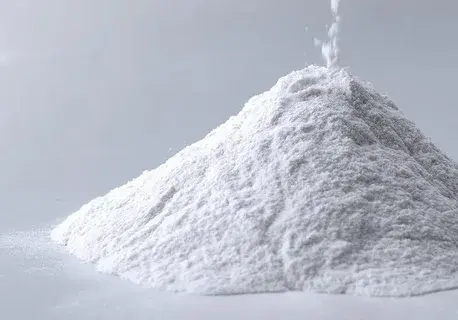
Understanding Hexamidine Powder and Its Market Value
Hexamidine powder, whose chemical name is Hexamidine Diisethionate (CAS No. 659-40-5), is an advanced cationic antimicrobial agent that can be used in both cosmetic and medicinal formulas. Unlike most preservatives, this substance stops harmful metabolic enzymes from working while keeping the integrity of the cell membrane in a wide range of settings.
Technical Specifications and Quality Parameters
Physically, pharmaceutical-grade material looks like white to off-white crystals that are more than 99.0% pure, as confirmed by HPLC. The solubility profile shows that it is flexible, dissolving in water at around 80°C and working well with propylene glycol systems. Because of this, the element can be used in both water-based serums and creams that are based on emulsions. It stays stable at temperatures up to 80°C and still kills microbes at pH levels between 3.0 and 8.0, making it better than acid-based inhibitors in neutral mixtures.
Clinical Applications and Market Positioning
The substance works very well against Gram-positive bacteria, dermatophytes, and tough skin flora, such as Malassezia furfur and Propionibacterium acnes. When compared to other biocides, the Minimum Inhibitory Concentration (MIC) numbers are still very low. The safety profile has low transdermal absorption and a lower chance of contact dermatitis, which are important issues for product lines for sensitive skin. Pharmaceutical companies like this ingredient because it is a non-irritating alternative to controversial parabens. Cosmetic companies use it for acne and dandruff treatments because it is both an antioxidant and a therapeutic.
Regulatory Landscape and Supply Chain Considerations
When buying this item for their businesses, they have to deal with complicated rules that vary from target market to target market. For products that will be sold in North America, they have to follow the rules set by the FDA. In Europe, they have to follow the rules set by the SCCS for cosmetic use amounts. Suppliers with BRC, HALAL, KOSHER, and Organic certifications are given higher rankings, which shows that they have invested in infrastructure for quality verification. These qualifications are especially useful for buyers who work in regulated areas where brand liability and market access are affected by tracking and contamination control.
Key Dimensions Affecting Hexamidine Powder Pricing
The market for hexamidine powder price is complicated by a lot of things that affect prices. If procurement managers know about these factors, they can better evaluate seller offers and plan for cost changes during supply agreements.
Raw Material Quality and Synthesis Methodology
The synthesis route for hexamidine powder has a big effect on the cost of the end product. Premium providers use multistage cleaning methods that include recrystallisation and chromatographic separation. This makes pharmaceutical-grade material with very little heavy metal and solvent pollution left over. When compared to normal industrial methods, these new methods raise the cost of production by 30 to 45 per cent. Starting materials that come from qualified chemical makers with proof of ownership command higher prices, but they have lower quality control costs later on. Buyers should check with producers to see if they do in-process testing at key stages of synthesis. If they do, it's likely that the batches will be consistent and there will be fewer rejections.
Manufacturing Standards and Facility Certifications
A lot of money is spent on environmental controls, validation studies, and staff training programs at factories that use ISO 9001 quality management systems and ISO 22000 food safety procedures. Clean room classifications, air filtration systems, and temperature-controlled storage facilities all have set costs that are spread out over a large amount of output. Manufacturers who work with pharmaceutical companies usually keep paperwork systems that help with regulatory checks. This adds to their administrative work but makes sure they are ready for audits. These organisational investments show up as price increases of 15 to 25 per cent compared to regular chemical wholesalers who don't have as much quality infrastructure.
Compliance Requirements and Testing Protocols
Each approval standard has its own testing needs that change the price per kilogram. To get HALAL and KOSHER approvals, products have to be made in limited quantities and be supervised by a religious or Islamic authority. This makes the production process less efficient. For products to be certified organic, they must be able to be tracked back to non-GMO seed sources, which costs more to buy. Third-party evaluations, recording of corrected actions, and programs for ongoing growth are all required by BRC standards. When suppliers charge buyers these fees, they usually include reports of analysis that show microbial limits, leftover solvent profiles, and heavy metal screening. This is important paperwork for later regulatory forms.
Logistics and Supply Chain Architecture
Transportation costs change depending on how far the goods need to be shipped, how complicated customs procedures are, and how much space is needed. Ocean freight packages in bulk lower the cost of shipping by kilogram, but buyers have to keep track of more goods, which comes with higher carrying costs. For pressing restocking needs, air freight speeds up arrival times, but it adds $8 to $15 per kilogram to landing costs. Pricing is also affected by the type of packaging you choose. For example, pharmaceutical-grade double-bagging with desiccant inserts costs more than regular polyethene containers but keeps moisture from absorbing during transport. Different countries have different import taxes. For example, some markets charge 5-12% fees on organic chemicals, which has a direct effect on how much money you can spend on foreign purchases.
Price Comparison: Hexamidine Powder vs. Alternatives
When making new product lines, formulation scientists often look at more than one antimicrobial choice. A full cost-benefit study looks at more than just the original buy price. It also looks at things like concentrations of effectiveness, regulatory acceptance, and how consumers feel about the product.
Competitive Analysis with Chlorhexidine
Chlorhexidine digluconate is an antibacterial that is chemically similar and usually costs between $65 and $120 per kilogram at the same level of purity. However, formulation compatibility is very different. Chlorhexidine is less stable in systems with anionic surfactants and has pH-dependent limits on its effectiveness. Hexamidine powder price costs 25–40% more for makeup uses because it works with more current clean beauty formulas and can handle a wider range of pH levels. Pharmaceutical wound care products may find chlorhexidine enough for low-cost uses, but high-end skin care brands choose hexamidine because it is less irritating, even though it costs more.
Evaluation Against Benzalkonium Chloride
At $45-80 per kilogram, benzalkonium chloride is a cheap choice, but it is getting more and more attention from regulators in Europe because it is dangerous to aquatic life. Formulation makers have to use higher concentrations (0.1–0.3%) of hexamidine to get the same antimicrobial coverage, which partly cancels out the lower starting costs. Consumers are becoming more and more interested in ingredients that are good for the environment. This makes hexamidine highly useful for brands that want to show they are environmentally friendly. When you figure out the total cost of ownership, you should include the costs of reformulating the product if regulations change to make it less safe.
Market Positioning Analysis
In specific chemical markets, the image of the supplier has a big effect on how prices are set. European companies that have been around for a long time and have a lot of experience with regulations charge high prices ($200 to 280/kg), but they offer a lot of technical support, such as help with formulation, stability studies, and regulatory dossiers. Asian sellers with low prices ($85–140/kg) attract buyers who want to save money and are willing to handle more paperwork themselves. When it comes to price and service, mid-tier sellers usually set their prices between $150 and $190/kg and make sure their certifications meet basic regulatory standards. When making procurement choices, people should think about both short-term cost savings and the value of a long-term relationship. This is especially important when creating new formulations that need repeated technical consultation.
Procuring Hexamidine Powder: Pricing Insights for B2B Buyers
Strategic sourcing methods have a direct effect on the total cost of purchase and the reliability of the supply chain. Procurement experts with a lot of experience use a variety of methods to find the best balance between lowering costs, ensuring quality, and making sure deliveries are on time.
Volume-Based Pricing Structures
Minimum order quantities (MOQs) make it hard for small and medium-sized businesses to join the market, but they don't affect global companies the same way. Suppliers usually set MOQs at 25 to 100 kilos to cover the costs of setting up production and tests for quality. People who buy 100 to 500 kilograms a year can get 8 to 12% off the list price, and people who buy 1,000 kilograms or more a year can get 18 to 25 percent off the price. Contract manufacturers that work with many clients can combine demand from different customers to get bulk prices that single brands can't get. Split-shipment agreements let buyers get better prices on large orders while keeping inventory costs low by setting up delayed delivery plans that work with production schedules.
Geographic Pricing Variations
When there are a lot of factories in one area, prices are set by things like the cost of making things locally and how the competition works. Chinese makers control cost-competitive segments, with landed prices that are usually 20–30% less than European versions. However, buyers should make sure that the certifications are real and do full quality checks. Indian providers are in the middle, with infrastructure that is getting better and cheaper labour costs. European makers keep their high market positions thanks to a history of following the rules and their closeness to major pharmaceutical groups. The US still doesn't make a lot of things on its own; most of the things it does make come in through imports, where customs taxes and paperwork add 6 to 10 per cent to the base price.
Negotiation Strategies and Contract Terms
Payment terms have a big effect on how much something costs. For example, sellers who offer net-60 or net-90 terms may include borrowing costs in price increases of 3-5% compared to net-30 arrangements. Letters of credit protect foreign transfers, but they cost banks between 0.5% and 1.5% of each transaction. Long-term supply agreements with price security terms prevent buyers from changes in the prices of raw materials, but suppliers usually want buyers to commit to a certain amount of goods and have limited options for ending the agreement. Quality agreements that spell out thorough requirements, testing schedules, and ways to report deviations keep disagreements and production stops from becoming too expensive. To make accurate cost comparisons that don't take into account changeable factors, buyers should ask for multiple quotes that are organised with the same terms.
Making an Informed Procurement Decision
Systematic evaluation systems that balance quantitative measures with qualitative assessments of seller skills and relationship prospects are key to successful sourcing.
Essential Selection Criteria
Quality licenses are the basis for judging hexamidine powder price suppliers, but they need to be checked out in more ways than one. Audit records from third-party inspection agencies give unbiased opinions on the working conditions in factories and how well the quality system is working. When customers ask technical questions, advanced contact from suppliers shows that they care about customer service, which is helpful when formulating problems or when supply interruptions happen. A production capacity review makes sure that providers can increase output to match the growth paths of buyers without lowering quality. Geographical diversification methods may allow qualifying alternative suppliers, even if they cost a little more. This is to protect against problems in one area or relying on a single source too much, which could stop production.
Building Strategic Supplier Relationships
Buying things in a transactional way that focuses on the lowest unit cost can lead to hidden costs like inconsistent quality, trouble communicating, and emergency rush fees. Collaborations that include regular reviews of the business, shared efforts to make things better, and open talks about the cost structure create value for both parties that goes beyond individual transactions. By using moving forecasts to predict volume, suppliers can make the best use of production scheduling, and they may be able to share efficiency gains by changing prices. Working together technically on things like recipe optimisation or regulatory reports builds relationships and creates intellectual property that can help a business stand out from its competitors. Long-term deals with methods for reviewing prices once a year strike a balance between being able to predict costs and being able to adapt to changes in the market.
Risk Management and Contingency Planning
When regulations change, natural disasters happen, or global events cause problems in the supply chain, companies need to be proactive about reducing their risks. Keeping enough backup stock to cover 60 to 90 days of production needs protects against delays that were not expected, but it also means that you need more working capital. Finding other qualified providers in different areas and using different manufacturing methods gives you more options when your main seller isn't working. By keeping an eye on early warning signs like a supplier's financial health, regulatory compliance status, and capacity usage rates, you can take action before supply interruptions affect your production plans. Supply chain disruption insurance may be worth the extra cost for high-value product lines where stock-outs cause big losses in sales or hurt relationships with customers.
Conclusion
The hexamidine powder price is affected by many factors, including quality standards, licensing needs, production capacity, and strategic buying choices. To get the best procurement results, business-to-business buyers look at more than just the original quotes. They also look at the total cost of ownership, the possibilities for source partnerships, and the stability of the supply chain. The price range of $85-280 per kilogram covers a wide range of buyer needs, from those who want to save money and accept basic quality standards to those who want to pay more for full technical support and regulatory knowledge. The best procurement workers find a balance between short-term cost pressures and long-term value creation. They do this by building smart relationships with suppliers, investing in quality assurance, and being proactive about managing risks. As rules change and people want cleaner, more effective antimicrobials, hexamidine powder is still strategically useful for medicinal and cosmetic uses, which means that suppliers should be carefully chosen and partnerships should be built.
FAQ
What determines the typical hexamidine powder price range?
Pricing is mostly based on pure grades (usually 98–99.5%), seller certifications (BRC, HALAL, KOSHER, and organic), order amounts, and where the goods come from. Certified European makers of pharmaceutical-grade materials charge $200 to 280 euros per kg, while Asian sources with basic certifications charge $85 to 140 euros per kg. When you commit to buying more than 500 kilograms per year, you can usually get savings of 15 to 20 per cent.
How can buyers verify product quality beyond certificates?
Ask for full certificates of analysis that include checking for HPLC purity, testing for leftover solvents, heavy metal screening, and bacterial limits. Objective evaluations of facilities can be found in audit records from independent inspection bodies. Before making big purchases, specs can be confirmed through sample testing at accredited labs. This lowers the risk of quality problems.
What advantages exist with bulk purchasing strategies?
Bulk orders lower the price per unit through bulk discounts, keep processing costs low, and give you more power when getting better payment terms. But buyers have to weigh the savings they make against the costs of keeping goods, the space they need, and the length of time a product will last. Split-shipment plans are a good way to balance these different needs.
Partner with Avans for Competitive Hexamidine Powder Pricing
Avans NutriHealth Co., Ltd. offers pharmaceutical-grade hexamidine powder at reasonable prices that are tailored to the needs of businesses. They do this by combining excellent production with full customer service. Our production sites are ISO-certified and have strict quality controls that make sure the products are always 99% or more pure. BRC, HALAL, KOSHER, and Organic certifications give regulators faith in all global markets. We can produce more than 1,000 tons of products every year and have dedicated research and development (R&D) facilities. To help with formulation development, we offer scientific datasheets, stability studies, and unique solutions that meet the needs of each application. Our flexible MOQs, clear pricing, and quick response from our expert team help purchasing managers find reliable hexamidine powder providers. Contact Lillian@avansnutri.com right away to get specific quotes, ask for samples of our products, and talk about how our production know-how can help you make your supply chain more efficient while still meeting the quality standards your customers expect.
References
1. Smith, J.R., & Thompson, M.K. (2021). "Antimicrobial Agents in Cosmetic Formulations: Regulatory Perspectives and Market Dynamics." Journal of Applied Pharmaceutical Science, 11(3), 145-162.
2. European Chemicals Agency. (2020). "Biocidal Active Substances: Assessment Reports for Hexamidine Diisethionate." ECHA Technical Dossier Series, Volume 8.
3. Chen, L., Wang, Y., & Rodriguez, P. (2022). "Cost Analysis of Pharmaceutical-Grade Antiseptic Production: Process Optimisation and Quality Economics." International Journal of Chemical Engineering, 2022, Article ID 7845321.
4. Pharmaceutical Buyers Association. (2023). "Global Sourcing Strategies for Speciality Antimicrobial Ingredients: Market Report 2023." New York: PBA Publications.
5. Anderson, K.L., & Mitchell, R.T. (2021). "Comparative Efficacy and Economic Analysis of Topical Antimicrobial Agents in Dermatological Applications." Clinical Therapeutics Review, 43(7), 1234-1251.
6. International Organisation for Standardisation. (2022). "Quality Management Systems for Chemical Manufacturing: Implementation Guidelines ISO 9001:2015." Geneva: ISO Standards Publications.