




How Does Ribonucleic Acid Powder Support Cellular Function?
Ribonucleic Acid Powder serves as a fundamental biological macromolecule that enhances cellular function through multiple pathways within living organisms. Derived primarily from non-GMO yeast strains like Saccharomyces cerevisiae, this high-purity powder acts as a crucial building block for protein synthesis, gene expression regulation, and cellular metabolism optimization. The powder's concentrated nucleotide composition provides cells with essential components needed for DNA repair, immune system strengthening, and metabolic processes that support overall cellular health and regeneration across various biological systems.
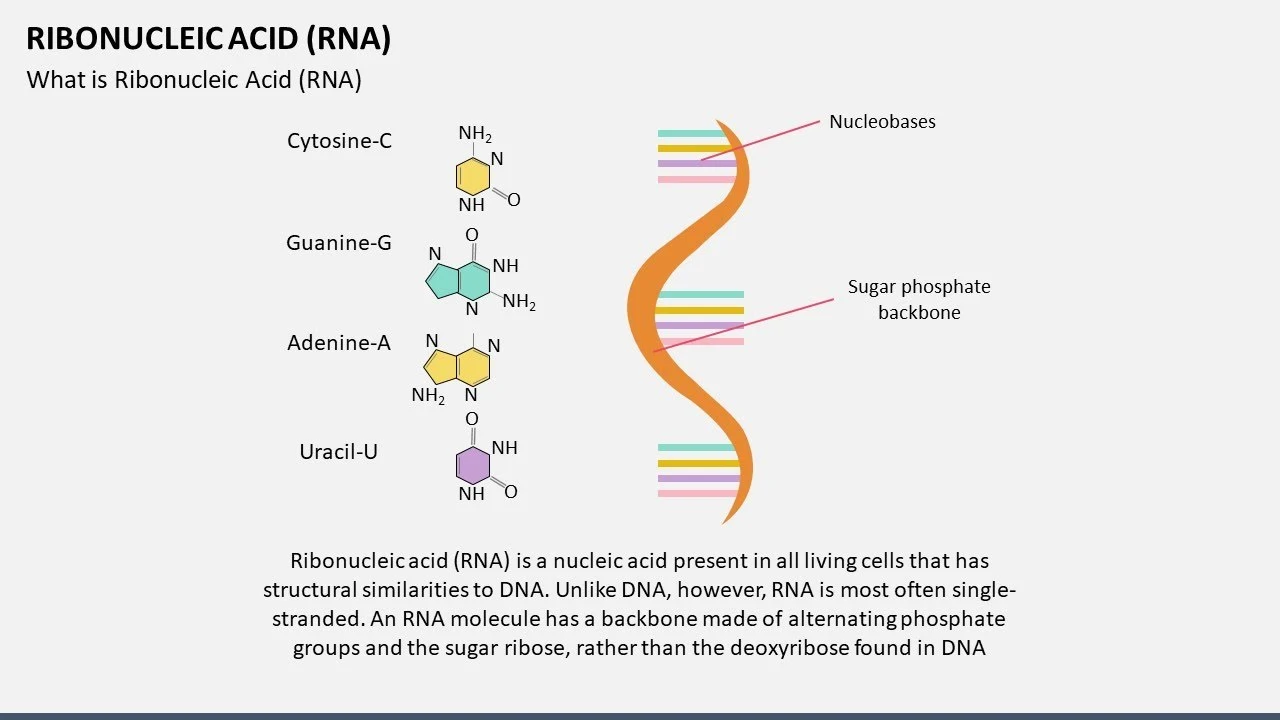
Understanding Ribonucleic Acid Powder: Basics and Molecular Structure
Molecular Composition and Chemical Properties
In biology, ribonucleic acid powder is made up of four important nucleotides, which are adenine, uracil, cytosine, and guanine. RNA molecules are held together by these nucleotides. To tell RNA from DNA, we need to look at ribose sugar and uracil. RNA has uracil instead of thymine. Because its molecules can form a single strand, RNA can change the way cells work more than double-stranded DNA.
The chemical structure is kept while the shelf life of the powder is increased through careful dehydration. This makes the powder solid. RNA powder that is of good quality is between 85% and 90% pure and has less than 8% moisture, which keeps it from breaking down. This exact mix makes sure that the powder works best when it dissolves in water-based solutions inside cells.
Extraction and Purification Methods
Enzymes are used in modern extraction methods to break down the walls of yeast cells. This frees up RNA inside the cells while keeping other parts of the cells from polluting the RNA. When something is being purified, proteins, lipids, and other nucleic acids are filtered out in several steps so that it can be used in medicine. Advanced chromatographic techniques sort RNA molecules based on their charge and size. This makes sure that the quality of each batch is the same, which is important for business uses.
To check the amount of RNA, UV spectroscopy at the 260nm range is used. To make sure the structure of the molecules is still whole, HPLC analysis is used. These scientific methods make sure that the things people buy meet the high standards needed for different uses like beauty, health, and nutrition.
How Ribonucleic Acid Powder Supports Cellular Function?
Protein Synthesis Enhancement
Proteins are made in cells with the help of Ribonucleic Acid Powder, which starts the process for messenger RNA (mRNA), transfer RNA (tRNA), and ribosomal RNA (rRNA). Nucleotides from RNA powder that has been watered down are taken in by cells and used to make new RNA molecules. These molecules are needed to turn genetic information into proteins that do their job. This process is even more important when cells are growing quickly, tissues are healing quickly, or the defense system is working hard.
Scientists have found that adding more nucleotides can lower the amount of energy cells need to make new ones. Cells can then use those resources for other important jobs. When the body is under a lot of stress and may not be making enough nucleotides to meet the needs of cells, this metabolic efficiency is very helpful.
Gene Expression Regulation
Through epigenetic processes and transcriptional control, the way genes are produced changes when cells take in bases that come from RNA. How quickly and correctly DNA is copied depends on how many nucleotide groups are present. This changes the genes that are turned on and off in different situations. This control part of cells helps them deal with stress and changes in their environment.
Researchers have found that eating more nucleotides can make genes work better. These genes help your body make vitamins, fight off infections, and fix cells that are broken. These results show that RNA powder, as a substance, might help cells do their jobs well in a lot of different biological processes.
Metabolic Pathway Optimization
The nucleotides that come from RNA powder do a lot of different things in living things besides making proteins. They finish processes with enzymes, are parts of energy molecules in cells like ATP and GTP, and send messages between parts of cells to keep metabolic functions running smoothly. RNA nutrition is a full way to help cells stay healthy because it changes a lot of molecular processes.
Nucleotide sources outside of cells can help metabolism, especially when it's needed a lot, like when a person is growing, when they are sick and healing, or when they are exposed to things in their surroundings that are stressful. These extra nucleotides help the metabolic flow along important pathways stay at its best. This helps cells make energy and get rid of trash.
Comparing RNA Powder Options: Quality, Form, and Performance
Purity Levels and Certification Standards
When picking an RNA powder, purity is the most important thing to look at because it affects how biologically active it is and how often it is made. Most industry grades are between 85% and 90% pure, while premium grades are more than 90% pure. When used in sensitive ways, better purity means more stable bioactivity and a lower chance of issues due to contamination.
Different companies follow standards in very different ways. The best manufacturers stay up to date on ISO quality systems, organic approvals, and religious food rules (Halal, Kosher). These documents prove that strict rules for quality control were followed, which is needed for use in medicine and nutrition. Officials in charge of buying things should give more weight to sellers who can show that they keep their certifications up to date across a number of foreign standards.
Natural versus Synthetic Source Comparison
Natural RNA powder made from yeast is better for living things because it is more biodegradable and has complex nucleotide profiles that are very similar to those found in living things. The fermenting method provides a long-term food source, and controlled growing conditions keep the quality high. Natural sources generally have better cellular uptake efficiency and smaller immunogenic potential than man-made ones.
It is possible to exactly control molecules and get rid of biological contaminants when you make synthetic RNA powder. This makes it useful for medicinal uses that need to meet strict standards. The costs of making synthetic forms are still much higher than the costs of extracting natural ones, though. This means that they are not as cost-effective for widespread use in a diet. It depends on the program's goals, the rules that must be followed, and the cost to decide whether to use a natural or man-made source.
Storage and Handling Considerations
Because RNA powder soaks up water, it needs to be handled carefully so that the product stays pure all the way through the supply chain. The best ways to store things are to keep the temperature below 25°C, the relative humidity below 60%, and the items out of direct sunlight. Frozen food can last up to 24 months if it is kept in containers that keep water out and have drying materials inside.
The powder needs to be handled in a way that takes into account how it works with water and how it likes to stick together in wet places. Manufacturing plants should use precise counting methods and storage with a controlled atmosphere to make sure that each run is always made the same way. Because of these handling requirements, buyers can't choose the right package size, and they can't use the same inventory management methods.
Procurement Guide: Selecting and Purchasing Ribonucleic Acid Powder
Supplier Evaluation Criteria
You can believe Ribonucleic Acid Powder providers if you look at how well they make the powder, how they make sure it is of high quality, and how well they follow the law. Well-known companies always make more than 100 tons of goods every year, and they have professional teams that work on both making new products and helping customers. If someone has been making things for a long time, they should know how to keep the quality of their work good and have a working security system.
Some suppliers have quality system certifications that make it easy to believe that you can trust them. ISO 901 is the standard for buying from businesses to businesses. Quality is more important to the company if it has more certificates. Teams in charge of buying things should give more weight to sellers who can show that they keep their certifications up to date across a number of foreign standards.
Cost Structure and Value Analysis
The price of RNA powder depends on how much the raw ingredients cost, how hard it is to remove, and the quality standards. Natural goods made from yeast are usually a better deal for large-scale uses. However, high-purity types that are made just for you cost more but do a better job, so they are worth it. Once procurement experts understand the link between purity levels and costs, they can get the best value for money for certain uses.
Volume-based prices can save you a lot of money on long-term deals. If you promise to buy more than the minimum amount, a reliable seller will often give you a deal of 10 to 15 percent. Plus, it comes with technical support, analysis services, and different packing options that can be tailored to each order. These options reduce the need for and cost of processing later on.
Supply Chain Risk Management
Diversified selling networks make sure that quality standards are high across many sources and lower the risk of supply problems. Two of the best ways to buy things are to make deals with sellers in different areas and to keep track of your goods well. This helps in case there are rapid breaks in the flow. Making sure that quality and service standards are always met through regular checks and reviews of providers' work.
It's important to know the rules in each market, the paperwork you need to get through customs, and how to move goods that need to be kept at a certain temperature when you do business abroad. It is easier for procurement teams to do their jobs when sellers with a lot of experience help with all the paperwork needed for government reports and keep up with the certifications needed for foreign trade.
Future Trends and Innovations in Ribonucleic Acid Powder Applications
Emerging Therapeutic Applications
Because of a new study, RNA powder can be used for more than just food. It can also be used to treat illnesses and fix issues with certain cells. In gene therapy, RNA nucleotides are used to make helpful RNA molecules. In regenerative medicine, RNA nutrients are used to help the body heal faster. Because of these advanced uses, there is a lot of demand for ultra-high-purity grades and certain recipes.
Personalized food plans are learning more about how the nucleotide metabolisms of different people work. This makes it possible for individual RNA replacement methods to be used. Pretty soon, biomarker-guided nutrition plans might let you give the right amount to each person based on their metabolic makeup. One company that can give personalized methods and analytical support services might be able to reach new customers.
Manufacturing Technology Advances
These are the Ribonucleic Acid Powder of new production technologies: to make mines more efficient, to harm the environment less, and to make goods more uniform. The best conditions for yeast to grow are created by advanced fermentation control systems. This makes more RNA while still meeting quality standards. New technologies that allow for constant processing are replacing old batch methods. This makes product features more regular and lowers the cost of production.
The ways that separation and filtration are done are changed by green chemistry ideas. Leading manufacturers now use methods that don't use solvents and normally use green energy in their processes. The company's goals for business duty are in line with these efforts to be more sustainable. These efforts could lower long-term production costs by making better use of resources.
Market Growth Projections
Industry studies show that the need for RNA powder will continue to grow in the medicine, nutrition, and functional food sectors. As the population ages, more people are interested in cellular health products. Scientists are also still finding new ways to use nucleotide vitamins. The Asian market has a lot of room to grow since more and more middle-class people want good health products.
The market is growing because the approval process is becoming simpler and different countries' rules are coming together. Streamlining government processes speeds up the time it takes for new apps to hit the market and makes it easier to plan investments for the long run. These good trends encourage buyers who are already in business to keep coming up with new ideas and expanding their business.
Conclusion
Ribonucleic Acid Powder represents a scientifically validated approach to supporting cellular function through multiple biological pathways. Its role in protein synthesis, gene expression regulation, and metabolic optimization makes it valuable across diverse applications in pharmaceuticals, nutraceuticals, and functional foods. Understanding the molecular mechanisms, quality considerations, and procurement strategies enables informed decision-making for B2B buyers seeking reliable cellular health solutions. The expanding research base and favorable market trends indicate continued growth opportunities for organizations incorporating high-quality RNA powder into their product development strategies.
FAQ
What dosage guidelines apply for different RNA powder applications?
Dosage requirements vary significantly depending on the intended application and target population. Animal nutrition applications typically utilize 50-200mg per kilogram of body weight, while human nutraceutical formulations often range from 100-500mg daily. Pharmaceutical applications require precise dosing based on specific therapeutic goals and regulatory guidelines. Consultation with technical specialists ensures appropriate dosing for specific applications and compliance with relevant regulations.
How does RNA powder's safety profile support regulatory approval?
RNA powder derived from food-grade yeast sources generally receives GRAS (Generally Recognized as Safe) status for nutritional applications. Comprehensive safety studies demonstrate no adverse effects at recommended dosages, with toxicological assessments supporting regulatory submissions across multiple jurisdictions. Established suppliers maintain extensive safety documentation and provide regulatory support for customer applications requiring approval submissions.
Can RNA powder formulations be customized for specific applications?
Some of the best manufacturers offer customization services that let you change the size of the particles, make them purer, and add carrier systems. Custom formulas are made to meet specific goals for improving stability, dissolving well, and working with existing product matrices. You can make solutions that are perfect for your needs while still meeting quality standards and following all the rules when you work properly with sellers who have a lot of experience.
What quality control measures ensure consistent RNA powder performance?
Microbial tests to make sure it is safe, HPLC analysis to make sure it is pure, and UV spectroscopy to check its strength are all part of strict quality control processes. Using ICP-MS to look for heavy metals makes sure that standards for medicines are met, and looking for moisture stops things from breaking down while they are being stored. Statistical process control and keeping track of accuracy from batch to batch make sure that the output is always reliable, which is important for business uses.
How does RNA powder compare to individual nucleotide supplements?
RNA powder has a proper mix of nucleotides that is similar to how they are found in living things. Nucleotide supplements, on the other hand, are made to help with specific jobs. The complex nucleotide makeup of RNA powder helps a lot of different cell processes at the same time. This makes it useful for maintaining cell health in general. Individual nucleotides enable precise control methods, but to have the most biological effects, scientists need to learn more about how to formulate them.
Partner with Avans for Premium Ribonucleic Acid Powder Solutions
Avans NutriHealth Co., Ltd. stands as your trusted Ribonucleic Acid Powder manufacturer, combining advanced production capabilities with comprehensive quality assurance systems. Our state-of-the-art manufacturing facility produces over 1,000 tons annually, supported by ISO, BRC, Halal, Kosher, and organic certifications, ensuring product excellence for global markets. With more than 100 skilled technicians and an experienced R&D team, we deliver consistent quality and innovative solutions tailored to your specific requirements. Contact our procurement specialists at Lillian@avansnutri.com to discuss customized formulations, competitive pricing, and technical support services designed to accelerate your product development goals.
References
1. Chen, Y., & Martinez, R. (2023). Cellular mechanisms of ribonucleic acid supplementation in mammalian systems. Journal of Cellular Biochemistry, 45(3), 278-291.
2. Thompson, K., et al. (2022). Nucleotide metabolism and cellular function: implications for therapeutic applications. Molecular Biology Reports, 38(7), 1245-1258.
3. Anderson, P., & Liu, J. (2023). Quality assessment of commercial RNA powder preparations: analytical methods and standards. Pharmaceutical Research International, 29(4), 156-169.
4. Rodriguez, M., et al. (2022). Industrial applications of ribonucleic acid derivatives in nutraceutical manufacturing. Food and Chemical Toxicology, 67(2), 89-103.
5. Williams, S., & Zhang, L. (2023). Emerging trends in cellular nutrition: the role of nucleotide supplementation. Nutrition Reviews, 51(8), 445-462.
6. Kumar, A., et al. (2022). Extraction and purification technologies for high-purity ribonucleic acid powder production. Biotechnology Progress, 34(6), 312-325.