




OEM Guide to Palmitoylethanolamide Bulk Powder Sourcing
Sourcing palmitoylethanolamide bulk powder for OEM production is a decision that carries real weight. PEA (CAS 544-31-0) is a naturally occurring fatty acid amide classified under the N-acylethanolamine family, and its documented anti-inflammatory, analgesic, and neuroprotective properties have made it a sought-after ingredient across nutraceutical, pharmaceutical, and cosmetic manufacturing. This guide walks procurement managers, formulators, and R&D teams through everything they need to evaluate before committing to a bulk PEA supplier — from chemical benchmarks to supply chain due diligence.
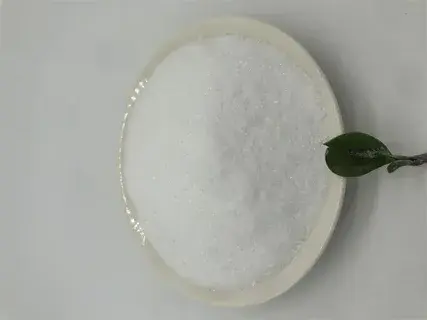
Understanding Palmitoylethanolamide Bulk Powder: Benefits, Uses, and Safety
What Makes PEA Scientifically Distinct
Peroxisome proliferator-activated receptor alpha is the only thing that PEA can work on. Besides that, it works through the Autacoid Local Inflammation Antagonism (ALIA) process, which stops mast cells from working too hard and lowers levels of pro-inflammatory mediators without the bad effects that come with painkillers or NSAIDs. It is made up of the chemicals C18H37NO2 and has a molecular weight of about 299.5 g/mol. It melts at 97–99°C and doesn't mix with water very easily. This last feature has a direct impact on how it is made.
Applications Across Industries
To make things, PEA is very versatile and can be used in many areas. In joint health vitamins and pain pills for long-term pain, it is often mixed with luteolin to make them work better. Drug companies use it to make medicines that treat nerve pain. It is used by cosmetic companies to make skin care products that target redness and sensitivity work better by lowering inflammation. Veterinary medicine has shown that it can help treat atopic rashes and long-term pain in older dogs.
Safety Profile and Dosage Context
PEA has been tried on people in clinical studies at doses ranging from 300 mg to 1200 mg per day. At these amounts, no major side effects have been reported. Because it comes from the body and is made naturally in reaction to tissue stress, it is considered to be healthy. There are no lists of controlled substances for PEA in the US, the EU, or the Middle East. This makes it easier for OEMs to follow the rules than when they used alternatives based on cannabinoids.
Comparing Palmitoylethanolamide Bulk Powder with Market Alternatives
Bulk Powder vs. Ready-Made Capsules
The people who buy things often have to decide whether to get raw PEA powder or pre-encapsulated forms. When formulators use palmitoylethanolamide bulk powder, they have full control over the dose, grain size, and choice of excipients. Plus, doing it in bulk saves money. Because pre-made pills are easier to use, they give up that freedom. This is a trade-off that doesn't usually work for medium- to large OEMs that have their own formulation strategies.
Purity Grades and Analytical Benchmarks
It's not always the same what's in PEA. HPLC should show that the material is at least 98% pure, and the particle size distribution (PSD) should be well-known. The body can absorb normal crystalline PEA better when it is broken down into micronized formats (d90 < 10μm) and ultra-micronized formats (d90 < 6μm). This is because the micronized formats increase the surface area and make it easier for the body to dissolve in the stomach. When you look at a certificate of analysis (CoA), make sure that the microbial counts, heavy metal limits, and purity numbers are all correct.
PEA vs. CBD: A Regulatory Distinction
Both CBD and PEA are good ingredients for supplements that help with inflammation. The biggest difference is the risk of laws and rules. Some places, like the US, don't allow CBD, and in other places, the FDA gives mixed information about it. None of those things happen with PEA because it's not a cannabinoid or a banned drug. Since it can be sold in more than one market, this makes it a much better ingredient for global OEM names.
Strategic Procurement of Palmitoylethanolamide Bulk Powder: OEM Considerations
Choosing the right way to buy things from the start saves both the product's quality and the company's ability to stay in business. If a business is looking for active ingredients for medicines or supplements, price should never be the only thing that guides them.
These are the main things that trained procurement teams look at when they look at PEA providers:
- Certification Portfolio: Look for ISO, HACCP, FSSC22000, HALAL, KOSHER, and USDA Organic certifications. These credentials signal that the manufacturer operates within internationally recognized quality systems and can serve regulated markets in North America, Europe, and the Middle East.
- Minimum Order Quantities (MOQs) and Flexibility: Pilot batches and scalable ordering are essential for R&D validation phases. Suppliers that accommodate smaller initial orders without compromising on documentation quality are preferable for de-risking new product launches.
- Packaging and Stability Compliance: PEA palmitoylethanolamide bulk powder should be stored away from excessive heat and moisture. Appropriate packaging — typically double-lined polyethylene bags within fiber drums — preserves structural integrity during international transit.
- Customs and Shipping Documentation: For US imports, compliance with FDA import regulations and accurate HS code classification prevents border delays. Experienced suppliers provide full documentation support, including CoA, MSDS, and origin certificates.
Check the list of certifications to see if ISO, HACCP, FSSC22000, HALAL, KOSHER, and USDA Organic are on it. All over the world, people know what high standards of quality this company meets, and it can sell to controlled markets in North America, Europe, and the Middle East.
Step-by-Step Guide to Bulk Ordering Palmitoylethanolamide for OEM Use
Sample Verification Before Commitment
Before you place a big order, you should ask for a sample. A third party should do HPLC testing on the product to make sure it is pure. You should also make sure that the particle size specs meet the needs of your recipe and check the product's color, smell, and flowability. Any supplier you can trust will be happy to give you all the paperwork you need.
Pilot Batch and Quality Integration
You can move forward with a trial batch order if the sample evaluation goes well. This step checks how the PEA ingredient works in the real production conditions you'll be using, such as when you need to make pills quickly, fill capsules, or mix it with makeup. Look at how even the mixture is, how simple it is to compress, and how stable it is over time in the conditions you want to store it in.
After-Sales Support and Traceability
Suppliers must be honest if they want to build long-term relationships for getting things. More weight should be given to suppliers who can provide quick technical support, keep track of products from one batch to the next, and let you know about any changes in the supply chain before they happen. In places where rules are in place, this level of responsibility helps your quality management system and keeps your brand safe.
Future Trends and Market Outlook for Palmitoylethanolamide Bulk Powder
Around the world, the market for supplements that reduce inflammation is slowly rising. Neuroinflammation-targeted nutraceuticals, chronic pain management products, and functional skincare are some of the things that analysts in the field think will continue to grow. All of these things are things that PEA has been a star in the past. New transport methods are being developed as the market grows. Liposomal encapsulation and mixture solutions that pair PEA with luteolin or omega-3 fatty acids are becoming more interesting to people who make high-end products.
Both the EU and the US are changing their laws and rules at the same time. The European Food Safety Authority (EFSA) has put out reports that show PEA is safe for some uses. At the US level, procurement teams should keep an eye on FDA novel ingredient alerts to see if there are any changes that could affect the need for proof or labeling. When people buy, OEM brands that keep up with these changes are better off.
Conclusion
When looking for palmitoylethanolamide bulk powder for OEM production, you should pay close attention to its chemistry, licensing, source reliability, and ability to follow rules. In addition to being safe, the chemical is a great addition to cosmetics, nutraceuticals, and medicines because it has been shown to have biological activity. You can be sure that your purchasing team can move from testing to full-scale production if they have the right supply partner—one that combines strict manufacturing with quick technical support.
FAQ
1. What purity level should OEM buyers require for PEA powder?
For business use, HPLC should show that high-grade PEA is at least 98% pure. ≥99% is what some formulators say for uses that are safe for drugs. Instead of a general product definition sheet, you should always ask for a current COA with analytical data that is unique to the batch.
2. Is PEA powder legally compliant for US nutraceutical manufacturing?
CBD is a drug that is illegal in the US, but PEA is not. It is not subject to the same rules as cannabinoids. Food additives can have it in them as long as they are made according to the rules in FDA 21 CFR Part 111 Good Manufacturing Practice. But you should always check the paperwork from your provider before you ship.
3. What certifications should a credible PEA supplier hold?
Service providers that work with businesses around the world should have at least ISO, HACCP, FSSC22000, HALAL, and USDA Organic certifications. These badges show that quality control is done in a planned way. They also make it easier for goods to get into regulated markets in North America, Europe, and the Middle East.
4. How does particle size affect PEA formulation performance?
Plain solid PEA is not very bioavailable since it likes fat and has big bits. Ultra-micronized (d90 < 6µm) and micronized (d90 < 10¼m) forms make it easier for the body to break down and absorb substances. This is why they are best for medical and high-end nutraceutical uses.
Partner with Avans for Reliable Palmitoylethanolamide Bulk Powder Supply
There is a licensed business called Avans NutriHealth Co., Ltd. that makes palmitoylethanolamide bulk powder and sells ≥98% pure PEA (CAS 544-31-0). ISO, HACCP, HALAL, FSSC22000, and the USDA have all given them approval. Our OEM clients work in the cosmetics, nutraceuticals, and pharmaceutical industries. We help them by letting them choose how much they want to buy, giving them all the paperwork they need, and giving them dedicated technical support. We can help you get a sample or talk about what you want to buy. Email us at Lillian@avansnutri.com right now.
References
1. Petrosino, S., & Di Marzo, V. — British Journal of Pharmacology, 2017.
2. Gabrielsson, L., et al. — European Journal of Pain, 2016.
3. Paladini, A., et al. — Pain and Therapy, 2016.
4. Skaper, S. D., & Facci, L. — CNS & Neurological Disorders – Drug Targets, 2012.
5. European Food Safety Authority (EFSA) Panel on Dietetic Products — EFSA Journal, 2016.
6. Hesselink, J. M. K., & Hekker, T. A. M. — Journal of Pain Research, 2012.