




Why Choose Sodium Cyclamate Granular for Cost-Effective Sweetening?
When procurement teams evaluate high-intensity sweeteners for industrial-scale production, sodium cyclamate granular consistently stands out as a reliable, budget-conscious solution. Delivering 30 to 50 times the sweetness of sucrose at a zero glycemic index, this non-nutritive sweetener reduces raw material costs without compromising taste or formulation stability. Its granular form improves handling efficiency, supports automated dosing, and minimizes dust-related hazards on the production floor. Whether you're formulating beverages, pharmaceutical syrups, or oral care products, this sweetener offers the technical performance and regulatory credibility that modern B2B manufacturers demand.
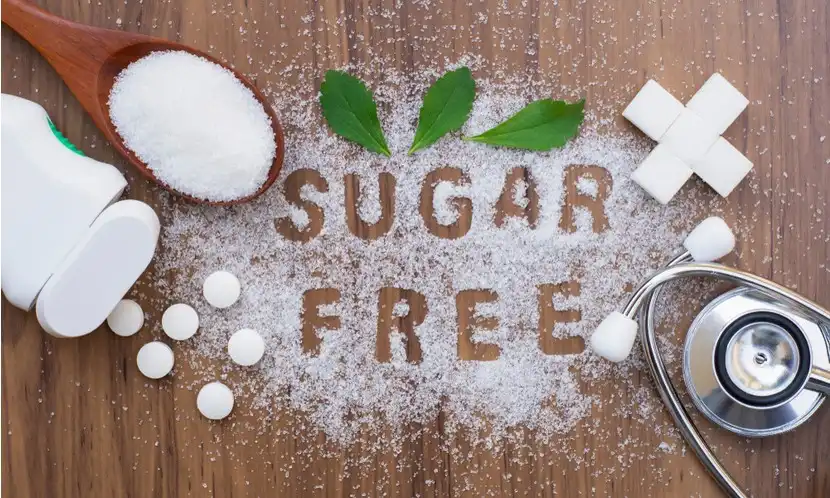
Understanding Sodium Cyclamate Granular: Properties and Uses
Chemical Identity and Physical Characteristics
Sodium Cyclamate granular is also known as Sodium N-cyclohexylsulfamate (CAS No. 139-05-9). It is a crystalline, white, odorless chemical that was designed for industrial application in huge quantities. This product is supplied by Avans NutriHealth Co., Ltd. and meets the standards established by the FDA, Halal, BP, CP, and FSSC22000, and has a purity level between 98.0% and 101.0% when dried.
It has a melting point of roughly 265°C; therefore, it can withstand heat better than other options such as aspartame, which melts at high temperatures. The granular format has minimal hygroscopicity and strong flowability, avoiding caking when stored in bulk. Also, they allow for precise dosing in automated manufacturing lines, which is very good for high-volume manufacturers.
Cross-Sector Industrial Applications
This sugar is always used in a number of distinct culinary scenarios at lots of places of business:
Suitable for fizzy soft drinks, citrus drinks, baked products, and preserved fruits up to 250 °C. Stable in beverages with a pH range of 2.0 to 10.0. This one doesn’t, however; aspartame, when heated, does go through the Maillard process. This implies that the color and flavor remain unchanged. This is the formula for drugs: It may be used well as a filler to disguise the bitter taste of active pharmaceutical ingredients (APIs) in powders, chewable tablets, and fizzy liquid syrups. Chemically stable in acidic or alkaline environments.- Feed animals and take care of people: It may be used in toothpaste and mouthwash since it does not make cavities worse. "It makes food for animals taste better, without affecting their blood sugar, which helps in nutrition programs."
- Food and Beverage: Stable in the pH range of 2.0-10.0, it is reliable in carbonated soft drinks, citrus beverages, preserved fruits, and baked products up to 250°C. It is heat-stable and does not undergo any Maillard reaction during heat processing, as does aspartame, hence maintaining the integrity of the color and flavor of the product.
- Pharmaceutical Formulation: Used as an excipient to successfully conceal the bitter taste of active pharmaceutical ingredients (APIs) in chewable tablets, effervescent powders, and liquid syrups. Chemically stable in acidic and alkaline conditions.
- Personal Care & Animal Nutrition: Non-cariogenic, it is appropriate for use in toothpaste and mouthwash formulations. It improves the flavor of cattle feed without altering blood glucose levels, assisting specialist nutritional regimens.
It is one of the most helpful of all the man-made sweeteners in the commercial world since it can be utilized in many various ways.
Comparing Sodium Cyclamate Granular with Other Sweeteners
Procurement managers will understand the comparison because they have to weigh product quality against how much it costs. Stevia and sucralose cost a lot more to make, and when used in big amounts, they can change the way things taste. It's cheap, but saccharin smells like chemicals, so you need to add other things to hide it. Sodium cyclamate granular fixes this problem on its own. It makes a sweetness that is similar to sugar when mixed with saccharin in a 10:1 ratio. Because of this, less sugar is needed, and the whole process costs less.
Aspartame can’t be utilized in high-heat procedures like baking or processing, since it changes form when heated. In solid form, there are no such restrictions for sodium cyclamate. Water Solubility: ~1g/5ml, stable from pH 2.0 to 10.0. This makes it superior to certain natural sweeteners in complex liquid combinations.
It helps with legislation and marketing lines for reduced-calorie and diabetes friendly goods that have a 0 glycemic index. “This is getting more focus with brands in North America and Europe wanting to attract health-conscious customers.
Production, Quality, and Safety of Sodium Cyclamate Granular
When sourcing ingredients for industry, it's important to have strict quality control. The following are some important standards for the quality of sodium cyclamate granular:
Purity test: 98.0% to 101.0% on a dry basis; Loss on Drying: ≤ 1%
- Purity Assay: 98.0%–101.0% on a dry basis
- Loss on Drying: ≤ 1.0%
- Heavy Metals: Lead (Pb) ≤ 2 ppm, Arsenic (As) ≤ 3 ppm
- Secondary Amines: Cyclohexylamine ≤ 10 ppm; Dicyclohexylamine ≤ 1 ppm (monitored via HPLC or GC)
- Solution Transmittance: ≥ 95% transparency
- Microbial Testing: Negative for E. coli, Salmonella; total plate count within food-grade limits
When you mix a lot of things at once, the mesh sizes may not be spread out evenly. Tight control makes sure that there are no differences in concentration. Everyone who works at Avans NutriHealth Co., Ltd. makes sure that every batch has full traceability documentation. This helps international buyers get ready for audits.
It will last for two to three years if you keep it somewhere cool and dry. Since the granular format doesn't absorb water easily, it keeps batches uniform over time and keeps them from sticking together.
Procurement Guide for Sodium Cyclamate Granular
How to Find the Best Supplier of Sodium Cyclamate Granular? It's Not Just About Low Prices. Buyers should make sure that the product has a number of standard certifications, that production can be monitored, and that the supply can be increased without lowering quality.
Avans NutriHealth Co., Ltd. has been certified by the ISO system, the BRC for Halal food, Kosher food for Jews, and organic food. In doing so, they fulfill the standards of regulated markets in the US, the EU, and the Middle East. The company has more than 100 workshop technicians and a special research and development team that helps it to produce up to 1,000 tons of products per year.
Flexible minimum order quantities (MOQs) and volume-dependent pricing all enable medium- to large-sized companies and overseas distributors to determine what to purchase. Expert counsel is offered – from pre-sample assessment to post-delivery formulation advice. This makes it easier for teams on new products to hit the ground running.
Why Sodium Cyclamate Granular Is the Preferred Choice for B2B Buyers
Some of the key advantages that producers get when using this material in this industry, and why it is typically chosen: | Cutting expenses on a wide scale: Much less is required for each batch, since it is only 30-50% as sweet as sugar. And when it is produced in abundance, it makes the cost of inputs lower.- High temperature and chemical resistance: Works at pH 2.0 to 10.0 and at temperatures up to 265°C. This makes it applicable in many different industrial applications.
- Cost Reduction at Scale: Being 30–50× sweeter than sugar means that substantially less is required per batch, which reduces input costs over large manufacturing runs.
- Thermal and Chemical Stability: It is stable at processing temperatures as high as 265°C and exhibits constant performance throughout a pH range of 2.0–10.0, accommodating a wide variety of production circumstances.
- Regulatory Compliance: Certified to FDA, Halal, BP, CP & FSSC22000 standards, allowing worldwide access to regulated markets with no reformulation risk.
- Operational efficiency: Low hygroscopicity and great flowability decrease equipment downtime due to caking and allow for precise automated dosing.
- Synergistic Blending Capability: Documented, proven synergistic effects with Acesulfame-K and Aspartame to achieve a decrease in total amount of sweetener while still keeping the desired sweetness profiles.
There is one scalable raw material solution that can support procurement professionals in handling all of their key issues, from keeping prices down to ensuring formulas remain true to complying with international standards and laws.
Conclusion
Sodium cyclamate granular offers a technically sound, cost-efficient, and compliance-ready sweetening solution for manufacturers across food, beverage, pharmaceutical, and personal care sectors. Its exceptional thermal stability, broad pH compatibility, precise granular handling characteristics, and multi-standard certification portfolio position it as a strategic ingredient for B2B procurement teams targeting both quality and profitability. Avans NutriHealth Co., Ltd. delivers this ingredient with verified purity, full documentation, and expert technical support — making it a dependable long-term sourcing partnership for regulated global markets.
FAQ
1. Is sodium cyclamate granular safe at regulated usage levels?
Regulatory bodies, including the JECFA (Joint FAO/WHO Expert Committee on Food Additives), have established an Acceptable Daily Intake (ADI) of 11 mg/kg body weight. When used within these limits, it is recognized as safe for general consumption, including in diabetic-friendly and low-calorie formulations.
2. How does it perform in heat-intensive manufacturing?
It withstands processing temperatures up to 265°C without degradation, making it fully suitable for baking, pasteurization, and sterilization cycles where other sweeteners fail.
3. What is the recommended storage condition?
Store in a cool, dry environment away from moisture and direct sunlight. Under these conditions, shelf life reaches 2–3 years with no significant quality loss.
4. Can it be blended with other sweeteners?
Yes. It demonstrates strong synergistic compatibility with Acesulfame-K and Aspartame, often enabling a reduction in total sweetener concentration per formulation batch.
5. What certifications does Avans NutriHealth's product carry?
Avans NutriHealth Co., Ltd. supplies sodium cyclamate granular certified to FDA, Halal, BP, CP, and FSSC22000 standards, with full traceability documentation available for international compliance audits.
Partner with Avans — Your Trusted Sodium Cyclamate Granular Supplier
Every order from Avans NutriHealth Co., Ltd. comes with a quality guarantee, proof that it meets global standards, and personalized help with formulation. We know how to make sodium cyclamate granular crystals well and can make 1,000 tons of them every year. The quality of the product doesn't suffer when procurement teams and R&D formulators work with us to cut costs. Get in touch with us at Lillian@avansnutri.com right away to get a sample or a unique price.
References
1. Joint FAO/WHO Expert Committee on Food Additives (JECFA). Evaluation of Certain Food Additives: Cyclamates. World Health Organization, 2019.
2. European Food Safety Authority (EFSA). Re-evaluation of Cyclamic Acid and Its Sodium and Calcium Salts as Food Additives. EFSA Journal, 2021.
3. Chattopadhyay, S., Raychaudhuri, U., & Chakraborty, R. Artificial Sweeteners — A Review. Journal of Food Science and Technology, 2014.
4. Mortensen, A. Sweeteners Permitted in the European Union: Safety Aspects. Scandinavian Journal of Food and Nutrition, 2006.
5. Brusick, D. J. A Critical Review of the Genetic Toxicity of Steviol and Steviol Glycosides. Food and Chemical Toxicology, 2008.
6. Codex Alimentarius Commission. General Standard for Food Additives (GSFA): Sweeteners Category Data. FAO/WHO, 2023.