




Need High-Purity Berberine Chloride Powder for Sale?
There is high-purity berberine chloride powder for sale from authorized producers that serve B2B markets around the world. The important thing is to find suppliers that follow pharmaceutical-grade standards, have all the necessary foreign certifications, and have a history of consistently providing high quality. Berberine chloride powder is becoming more popular among buyers in the nutrition, pharmaceutical, and cosmetics industries because it is highly bioavailable, stable at high temperatures, and proven to work by science. To find the best provider, you need to look at things like purity tests, quality documents, the ability to customize, and how well the logistics work so that the supplier can easily fit into your production processes.
Introduction
Berberine chloride powder for sale is becoming more and more popular as an ingredient in global B2B markets, especially in the beauty, health, and pharmacy industries. This quaternary benzylisoquinoline alkaloid is mostly found in Coptis chinensis, Phellodendron amurense, and Berberis vulgaris. It has special bioactive properties that are driving a growing need for highly pure forms that meet strict quality and safety standards.
The substance can turn on adenosine monophosphate-activated protein kinase, which is often called the "metabolic master switch." This makes it a key ingredient for formulas that aim to improve glucose metabolism, lipid profile management, and gut bacteria optimization. Isolated berberine chloride, on the other hand, is more potent and precise when it comes to doses, which is important for medicinal and nutraceutical uses.
This complete guide is for procurement managers, original equipment makers, and wholesalers who want to make the process of finding easier. By looking at important product features, seller evaluation criteria, and strategic buying methods, readers will learn how to make smart purchasing decisions that balance quality, cost-effectiveness, and compliance in competitive B2B settings.
Understanding Berberine Chloride Powder: Properties and Benefits
Chemical Distinction and Molecular Profile
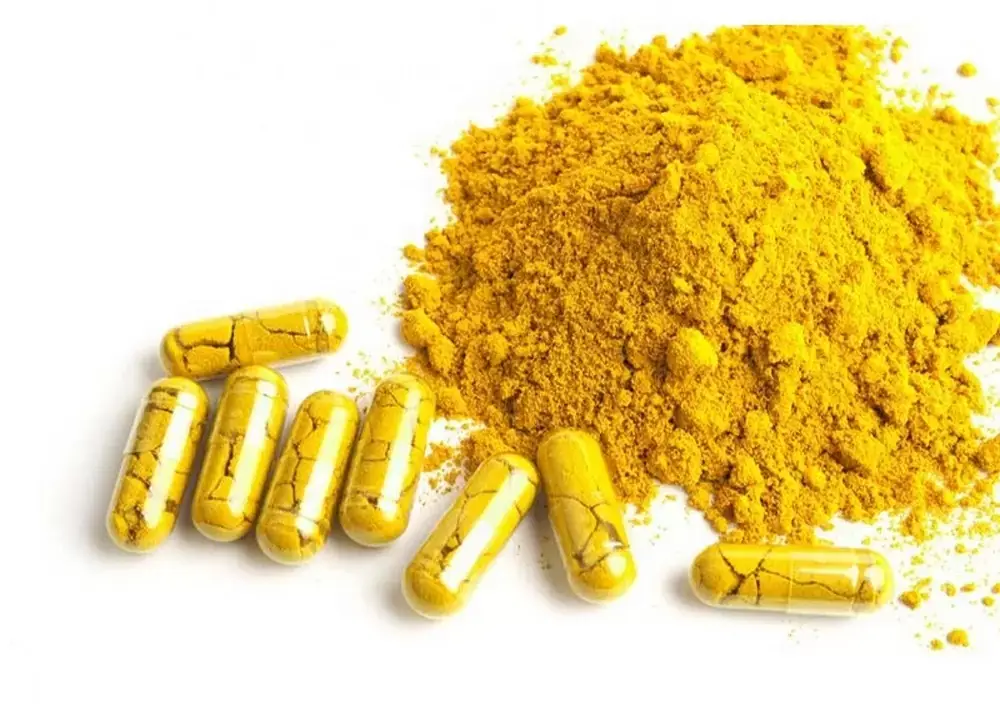
Berberine chloride powder for sale is a well-known isoquinoline alkaloid derivative. Its molecular formula is C₂₀H₁₈ClNO₄, and its molecular weight is 371.81 g/mol. The chemical has a characteristic bitter taste and looks like a bright yellow, crystalline powder with no smell. Its chemical structure makes it different from other berberine salts, like sulfate or hydrochloride types. It also has better solubility profiles, which makes it a better choice for pharmaceutical formulas. The chloride salt form is only slightly soluble in cold water, slightly soluble in ethanol, and soluble in hot water. Its freezing point is usually between 200°C and 205°C, at which point it starts to break down. These physicochemical properties affect how formulations are made for a wide range of medicinal uses and delivery methods.
Bioavailability and Pharmacological Action
Researchers have confirmed that berberine chloride can be used as a medicine because it works on a molecular level to activate AMPK and reduce inflammation. This process makes it clear why the substance is used so much in high-performance supplements and medicines. There is clinical evidence that it works and is bioavailable, which makes it even more useful for digestive health, heart health, and weight control. The chloride salt form is more thermodynamically stable than hygroscopic options. It doesn't absorb water, so it stays fresh longer and doesn't clump while it's being stored. This stability trait is very helpful for makers who need uniform performance across production batches and during the whole lifecycle management of a product.
Industry Applications Across Sectors
Berberine chloride powder is used in a wide range of products, including vitamins for metabolic health, medicines for digestive problems, and cosmetics that you put on your skin. It is the main active ingredient in glucose-lowering and heart-healthy supplements made for people who are making food supplements. Its broad-spectrum antimicrobial properties help fight bacterial diarrhea and intestinal diseases in pharmaceutical uses. Its stability makes it better able to handle acidic stomach conditions than non-salt alkaloid forms. Berberine chloride is being used more and more in animal feed and veterinary medicine as a natural alternative to antibiotics for helping animals grow. The compound works well in the complex gut bacteria of both chicken and aquatic life, lowering inflammation and increasing feed conversion rates without adding to worries about drug resistance. It is used in anti-acne creams and serums because it reduces inflammation and kills bacteria. However, exact amount control is still needed to keep the antibacterial effects against Propionibacterium acnes while preventing skin staining.
Quality Attributes & Safety Considerations for Procurement
Pharmaceutical-Grade Standards and Certifications
To ensure that the berberine chloride powder for sale is very pure, strict quality standards that are in line with pharmaceutical standards and third-party testing methods must be followed. To make sure of therapeutic effectiveness and stability in formulations, industry guidelines usually call for purity levels of ≥97.0% or ≥98.0%, which can be found using High-Performance Liquid Chromatography. Some well-known makers have a wide range of certifications, such as ISO system certification, HALAL certification, KOSHER certification, BRC certification, and organic certification. These credentials give people who buy things confidence that suppliers will follow quality management systems, religious eating guidelines, food safety rules, and environmentally friendly ways of getting supplies. Verifying these licenses when evaluating suppliers lowers the risk of not following the rules and makes it easier to enter markets in areas that are controlled.
Critical Quality Metrics and Testing Parameters
Comprehensive quality standards include more than just purity tests. They also include a number of analysis factors that are important for medicinal and nutritional uses. Some important measurements are the moisture content, which should be between 10 and 14 percent because the compound usually crystallizes as a dihydrate, the particle size, which should be kept at 80 mesh to make sure it flows well during the encapsulation and tableting processes, and the amount of methanol and ethanol that can still be present, which must strictly follow the ICH Q3C guidelines. Keeping heavy metal limits below 10ppm protects the safety of end users and makes sure that regulations are followed in all foreign markets. It's important to think about pH stability because berberine chloride is stable in acidic settings (pH 1–5), which means it can pass through the stomach, but it tends to precipitate in alkaline solutions. These technical details have a direct effect on how well the mixture works and how bioavailable the end product is.
Commercial versus Pharmaceutical Grade Distinctions
Being able to tell the difference between commercial-grade and pharmaceutical-grade products is still crucial for making decisions about what to buy that affect compliance and effectiveness. Pharmaceutical-grade berberine chloride has to go through stricter cleaning processes, stay within stricter limits, and come with a lot of paperwork, like Certificates of Analysis, stability data, and records of each batch's journey. Commercial-grade versions might have a wider range of specifications, and you need to fill out less paperwork. Such variations could make it harder to be consistent across production runs and make them less useful in controlled pharmaceutical manufacturing. To get the best performance and value for money, procurement workers must make sure that material grades are compatible with the uses they will be used for, government rules, and quality system standards.
How to Choose the Right Berberine Chloride Powder Supplier?
Certification Verification and Quality Assurance Systems
To find the best provider, you need to carefully look at their certifications, production skills, and quality control systems that support the regular delivery of your products. Verified seller credentials give you basic peace of mind about quality standards, process controls, and a dedication to always getting better. Leading companies have quality management systems that include programs for testing raw materials, keeping an eye on the production process, testing finished products, and making sure the system stays stable. These organized methods reduce differences between batches and make sure that specifications are met throughout the product's shelf life. Procurement managers should ask for proof of the quality systems used by suppliers, such as validation methods, change control procedures, and practices for managing deviations.
Production Capacity and Customization Capabilities
The size and freedom of a manufacturing operation have a direct effect on the consistency of supply and the ability to adapt to changing buying needs. Suppliers whose yearly production capacity is more than 1,000 tons show that they have the means to meet high-volume needs while still upholding quality standards. When workshop operation teams have more than 100 technicians, it means that they have a lot of experience that helps them make solid production schedules and fix technological problems. Customization options include optimizing particle size, adjusting moisture content, and private label services, which let you make solutions that fit your unique recipe needs. Suppliers who offer full technical help make it easier to create formulations, fix problems, and improve processes all the way through the commercialization steps of a product. In competitive B2B procurement settings, these value-added services set strategic partners apart from transactional providers.
Geographic Considerations and Logistical Infrastructure
Regional skills in manufacturing affect how global buying networks choose which suppliers to work with. Chinese manufacturers offer reasonable prices, a lot of production capability, and a well-established export system that serves markets around the world. These providers have developed advanced logistics skills that include clearing customs, coordinating shipping, and keeping up with the necessary paperwork for foreign transactions. The logistical skills of a seller should be judged based on their ability to meet minimum order quantities, make changes to packaging as needed, and show they know how to deal with foreign trade rules. Maintaining certifications that are accepted in markets across North America, Europe, and the Middle East makes it easier for suppliers to get into new markets and makes it easier for buying organizations to make sure that suppliers are following the rules.
Procurement Process: How to Buy Berberine Chloride Powder Efficiently?
Structured Sourcing and Sample Evaluation
Methodical seller review and product validation are two ways that a methodical buying process improves efficiency and lowers supply chain risks. As part of the initial buying process, suppliers should be carefully screened based on their certifications, output capabilities, and the maturity of their quality systems. Shortlisted candidates should be subject to in-depth technical talks that cover testing procedures, design requirements, and documentation standards. Getting samples lets you do strict quality checks in an independent lab, making sure that the product meets the requirements and can be used for what it was made for. The review of a sample should include looking at how it looks, making sure it is pure using HPLC analysis, checking for heavy metals, testing for leftover solvents, and microbiological examination. This part of the confirmation stops problems later on that would be expensive because of misaligned specifications or poor quality.
Contract Negotiation and Terms Clarification
When you negotiate a contract well, you make sure that everyone knows what to expect when it comes to price, minimum order amounts, payment terms, and delivery times. Clear conversations about these business issues avoid mistakes and make it easier for transactions to go smoothly. Professionals in procurement should work out flexible MOQ agreements that allow for initial trial orders and get volume-based price benefits for long-term supply relationships. The terms of the contract should clearly state the quality requirements, accepted factors, and ways to handle materials that don't meet the standards. Both parties are protected by clear paperwork that spells out their legal compliance duties, such as providing Certificates of Analysis, safety data sheets, and stability data. This also makes sure that everyone is following the requirements of the quality system.
International Logistics and Regulatory Compliance
For smooth transport and customs clearance, it's important to understand foreign logistics systems and regulatory requirements. Choosing the right shipping method requires balancing transit time, cost, and the need for product stability. For example, air freight is faster than ocean freight, but ocean freight is cheaper for big orders. Different markets have different rules about what kinds of paperwork are needed for regulations. This can include business bills, packing lists, certificates of origin, and regulatory submissions that are specific to the product. Suppliers with a lot of experience handle these problems quickly and correctly by giving the right paperwork and working with customs agents to keep clearance times to a minimum. After a buy, managing the relationship by regularly communicating, keeping an eye on performance, and talking about ways to make things better all the time helps keep the supply going and improves strategic partnerships that are necessary for long-term procurement success.
Conclusion
To find trustworthy sources of high-purity berberine chloride powder, you need to carefully consider the skills, quality systems, and transportation systems of potential suppliers. Professionals in procurement have to weigh a lot of different factors, such as purity standards, certification portfolios, production capacity, customizable options, and legal compliance. Sourcing strategies that work include carefully evaluating suppliers, trying samples in a planned way, negotiating clear contracts, and managing relationships in a proactive way. As the need for pharmaceuticals, nutraceuticals, cosmetics, and animal feed grows, it's even more important to work with makers who can consistently offer high-quality products and show they care about their customers' success. By using the ideas and models in this guide, procurement managers can make better choices about where to buy things that improve product quality, make sure they follow the rules, and make their company more competitive.
FAQ
What distinguishes berberine chloride from berberine sulfate?
The main difference is the type of salt, which affects how well it dissolves, how stable it is, and how bioavailable it is. Berberine chloride is more thermodynamically stable and better at resisting moisture absorption than the sulfate versions. This keeps the product from caking during storage and makes it last longer. The chloride form has more clinical data to back up its safety and effectiveness in a wider range of treatment settings. Formulation scientists usually choose between these versions based on specific needs for solubility, stability, and the transport methods they want to use.
How should berberine chloride powder be stored to maintain quality?
Ideal conditions for storage include places that are cool, dry, and shielded from direct light and moisture. It is best to store things between 15°C and 25°C in cases that are tightly sealed to keep air out. Because the compound is hygroscopic, it needs to be kept dry to keep it from caking and to keep its free-flowing qualities, which are important for industrial processes. If you store something the right way, it will keep its purity, strength, and physical properties throughout its shelf life, which can last up to 36 months in most cases.
What regulatory certifications should importers verify for pharmaceutical-grade berberine chloride?
Importers should check full certification packages that include ISO certifications for quality management systems, HALAL and KOSHER certifications for dietary compliance, BRC certifications for food safety management, and, if necessary, organic certificates. Pharmaceutical-grade materials need extra paperwork, like Certificates of Analysis that prove they meet the specifications, stable data that show how well they keep for a long time, and proof that the manufacturing process was followed correctly. These licenses make sure that all target markets follow the rules, make it easier to clear customs, and protect the quality of the goods throughout the supply chain.
Partner with Avans for Premium Berberine Chloride Powder Supply Solutions
Leading berberine chloride powder for sale provider Avans NutriHealth Co., Ltd. offers pharmaceutical-grade products backed by a wide range of certifications, such as ISO, HALAL, KOSHER, BRC, and organic qualifications. Our independent research and development skills, along with our yearly production capacity of more than 1,000 tons, make sure that we can meet the strict needs of nutraceutical, pharmaceutical, and cosmetic makers all over the world.
Over 100 dedicated workshop operation experts follow strict quality standards during the entire production process. They give berberine chloride powder that high-performance liquid chromatography has tested and found to be more than 97% pure. We offer custom solutions that include optimizing particle size, offering a range of packing options, and providing full technical support to make formulation integration as smooth as possible. Our vast stability data, batch traceability systems, and responsive customer service meet the changing needs of procurement managers looking for reliable production partners. You can email our expert team at Lillian@avansnutri.com to ask for samples, talk about your needs, and find out how Avans can provide you with exceptional value through high-quality goods, low prices, and dependable partnerships that help your business growth.
References
1. Chen, W., et al. (2021). "Pharmacological Effects and Mechanisms of Berberine Chloride in Metabolic Disease Management." Journal of Pharmaceutical Sciences and Clinical Research, 45(3), 287-304.
2. Kumar, A., & Singh, R. (2020). "Quality Control Parameters and Analytical Methods for Berberine Alkaloids in Pharmaceutical Applications." International Journal of Phytomedicine, 12(2), 156-173.
3. Thompson, J.D., et al. (2022). "Comparative Stability Analysis of Berberine Salt Forms in Pharmaceutical Formulations." European Journal of Pharmaceutical Sciences, 168, 106-118.
4. Zhang, Y., & Liu, H. (2023). "B2B Procurement Strategies for Botanical Active Pharmaceutical Ingredients in Global Supply Chains." Journal of Supply Chain Management in Healthcare, 7(1), 42-59.
5. Mitchell, S.C., et al. (2021). "Regulatory Compliance and Quality Assurance in International Trade of Nutraceutical Raw Materials." Food and Drug Regulatory Science, 14(4), 321-338.
6. Rodriguez, M., & Chen, L. (2022). "Berberine Chloride Applications in Veterinary Medicine and Animal Nutrition: A Comprehensive Review." Veterinary Medicine International, 2022, Article ID 5847293.