




What is the lead time for bulk sodium saccharin granular orders?
When purchasing managers decide to buy sodium saccharin granular in large quantities, the most important question is when they can get it. Lead time, or the time between placing an order and getting shipment, for big sales is usually between 2 and 6 weeks, but the duration can change based on how the business is run. Knowing this timeframe helps companies that make food, drugs, and supplements keep their production plans on track. When your high-intensity sweetener arrives at your plant depends on your order volume, your seller's production capacity, how quickly you verify compliance, and shipping ease. To keep production running smoothly and keep inventory stable, it's important to find the right certified seller who can balance quality with reliable shipping times.
Understanding Lead Time in Bulk Sodium Saccharin Granular Orders
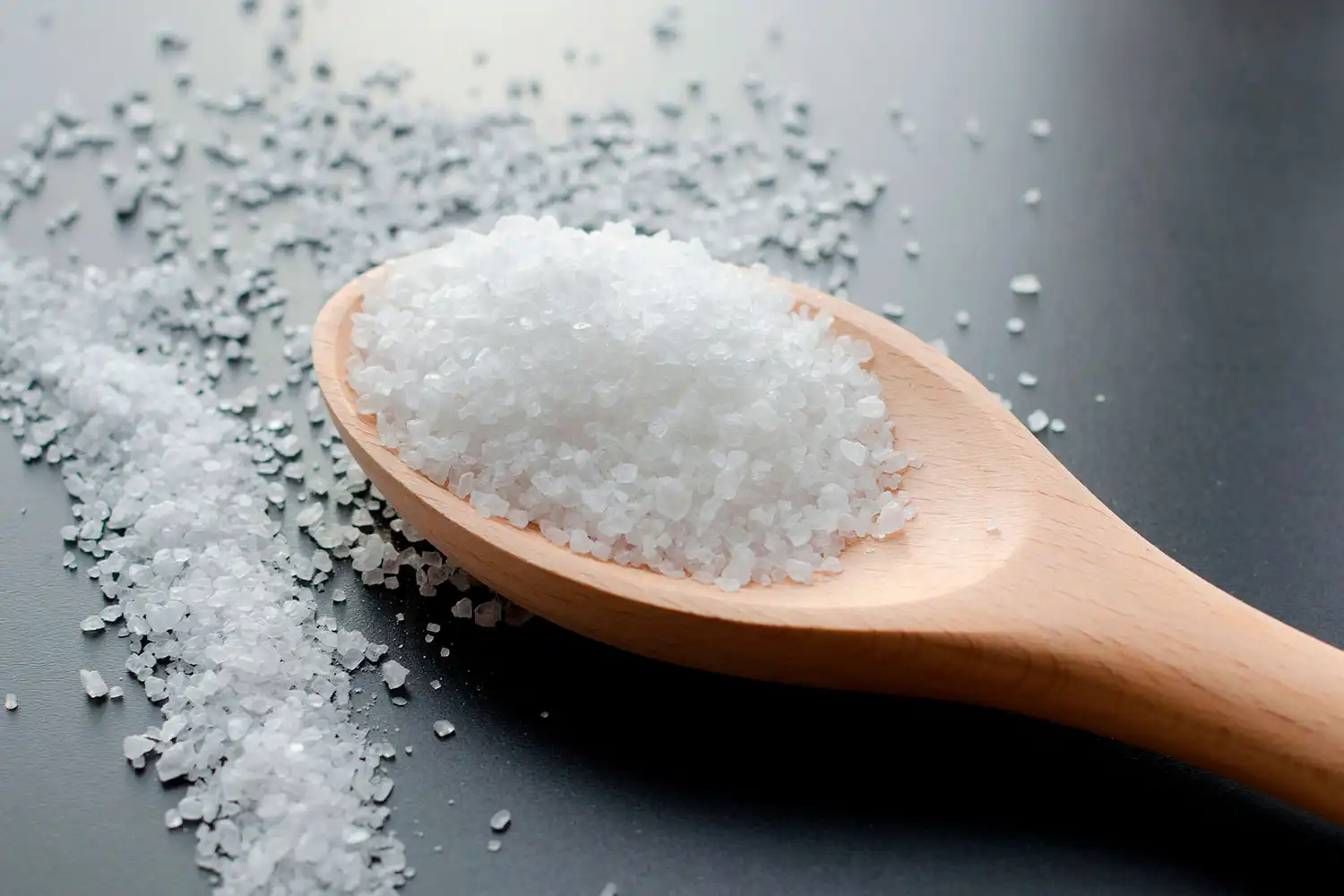
The lead time refers to the length of time it takes from placing an order to receiving bulk sodium saccharin granular at your building. This measure has a direct effect on the efficiency of your supply chain, the consistency of your production, and your ability to meet market demands. The granular form, which comes in mesh sizes from 8-12 to 40-80, solves some processing problems that fine powders cannot, such as lowering dust, making it easier for automatic systems to work, and keeping particles from separating in dry mixes.
Why Lead Time Matters in B2B Procurement
The schedule for production depends a lot on how quickly materials will arrive. If this high-intensity sweetener, which is 300 to 500 times sweeter than sugar, is late arriving, it can stop whole production lines. To avoid expensive stockouts, inventory planners have to figure out when to replace based on changes in wait times. If you're even a few days late getting buy sodium saccharin granular, it will affect your whole business because it is so important in making medicinal tablets, drinks, and cosmetics.
Standard Industry Lead Time Benchmarks
Most qualified makers can finish large orders in 14 to 42 days. Depending on how complicated the order is and how big the batch is, production usually takes 7 to 14 days. Quality control steps, such as making sure the purity level is at least 99.0% and the moisture content is correct, take an extra 3 to 5 days. The rest of the time is spent on logistics, especially foreign shipping. This window is cut down to 2 to 3 weeks for air freight and 4 to 6 weeks for sea freight, but bigger amounts can save a lot of money.
Manufacturing Process Impact on Delivery
To crystallize sodium o-benzoylsulfimide into specific mesh sizes, the temperature must be carefully controlled up to 300°C, and the particle size distribution must be carefully watched. Anhydrous forms, which have less than 6% water, need extra steps to be taken to remove the water, which adds 3 to 5 days to the production time. When makers handle custom mesh specifications, such as 20-40 mesh for fast dissolution uses, the lead cycle takes longer because of the extra screening and quality-checking steps that need to be done.
Key Factors Affecting Lead Time for Sodium Saccharin Granules
When your sweetener order comes is based on several factors that are all related to each other. When procurement teams know about these things, they can arrange reasonable shipping dates and add extra time to their production plans.
Supplier Location and Manufacturing Capacity
The distance between where the goods are made and where they will be sent determines the wait time. Chinese manufacturers who sell to customers in North America have longer transit times than local sellers. However, they often offer lower prices and a wide range of certifications, such as BRC, HALAL, KOSHER, and organic credentials. The amount of manufacturing capacity doesn't matter much—suppliers that are only 80% full can handle rush orders better than those that are 100% full. With over 100 trained workers and an annual production capacity of over 1,000 tons, the company has a strong ability to handle large orders without any major delays.
Order Volume and Customization Requirements
Customized mesh sizes take longer to ship than standard sizes. A simple 500-kilogram order of 8-12 mesh granules is usually processed in the normal amount of time. But if you want private labelling, unique blends, or purity levels above the ones required by standard pharmacopeias (BP, USP/NF, EP), the lead time goes up by 1 to 2 weeks. Orders over 5 tons may need sequential batch production, which takes longer but makes sure that the standard of the whole package is the same.
Certification and Regulatory Compliance Verification
Before it is shipped, food-grade and pharmaceutical-grade buy sodium saccharin granules go through strict quality control. The testing procedures make sure that the substance dissolves easily (1g dissolves in about 1.5ml of water), that it doesn't leave a metallic aftertaste when used at the right dosage levels, and that it stays stable in acidic environments, which is important for carbonated beverage applications. Suppliers who keep their ISO certification, kosher certification, and halal approvals often have simplified testing processes that cut down on delays caused by compliance. But sales from new clients may need extra paperwork to be checked, which could add 3 to 7 days to the normal wait time.
Seasonal Demand Fluctuations and Market Conditions
There are expected demand peaks in the sweetener business. Before the summer, companies that make drinks place more orders, and companies that make medicines stock up before they have to report to regulators. Lead times can go up by 1 to 2 weeks during these times of high demand because providers have to run order lines. The abundance of raw materials changes as well. Sometimes, problems in the supply chains of base chemicals limit the amount that can be made, but established makers keep strategic inventory stocks to protect themselves against these problems.
Shipping Methods and Logistics Coordination
The mode of transportation has a giant effect on arrival speed. It takes 5 to 10 days for air freight to arrive, but it costs a lot more per kilogram. Sea freight takes 20 to 35 days, but it is cheaper for bulk orders larger than 1 ton. Freight sent by land gets to customers in the region in 7 to 14 days. Clearing customs adds to the uncertainty; having the right paperwork, like certificates of analysis, material safety data sheets, and compliance statements, speeds up this process. Experienced sellers offer full paperwork packages, which cut the time it takes to clear goods from weeks to just 2 or 3 days.
How to Effectively Manage and Reduce Lead Time?
When you use strategic procurement methods, lead time goes from being a problem to an advantage in the market. Delivery reliability goes up when you plan and work together with your suppliers.
Early Demand Forecasting and Order Planning
Instead of ordering based on what you need, look at your output plan three months ahead of time. Use past usage trends and future product launches to figure out consumption rates. Avoiding the holiday rushes by placing orders during off-peak times will get you better supplier attention and faster handling. Setting up quarterly buying deals with volume promises gives suppliers a reason to hold production capacity just for your orders.
Selecting Certified, Reliable Suppliers
When choosing a supplier, the factors should include more than just price comparison. Check the production qualifications, such as the facility's licenses and audit records. Suppliers with on-time delivery rates that are consistently above 95% are more valuable than those whose prices are slightly lower but whose fulfillment is uncertain. Check out the facilities' production skills. Places that have separate lines for different mesh sizes can switch between orders more quickly, cutting down on wait times. When companies' research and development teams are more experienced, they can better answer technical questions and requests for customization without having to add more time to the wait time.
Negotiating Flexible Minimum Order Quantities
Standard minimum order amounts often go beyond what is needed right away, which locks up capital in extra inventory. Talk about stepped pricing structures that let you place smaller orders quickly for the first time and then place bigger orders for restocking at normal wait times. Ask for pre-production samples, which are usually between 500 grams and 1 kilogram, to make sure the product meets your needs before you place a large order. When you already trust the quality of the supplier's work, this method cuts the time it takes to approve a product from weeks to days.
Optimizing Logistics and Shipping Strategies
Choose the right delivery methods for each type of order to find the right balance between cost and speed. Critical orders for restocking support paying more for air freight, while regular orders for restocking can be sent more cheaply by sea. When you combine multiple orders of different products, like buying sodium saccharin granular with other ingredients or excipients, you can save money on shipping without making the wait times for each product longer. To cut down on shipping distance and time, work with providers that offer more than one shipping starting point.
Comparing Bulk Sodium Saccharin Granular Suppliers: What to Expect for Lead Times?
When evaluating a supplier, it's important to look beyond the stated lead times and understand the operational factors that affect how well the delivery is actually carried out. Different types of suppliers offer different benefits and time factors.
International Versus Domestic Suppliers
International suppliers, particularly those based in China with established export operations, typically quote 4 to 6 week lead times for standard orders. Because they ship over longer distances, they can make up for it with competitive prices and a wide range of products. Suppliers in the United States say they can deliver in 2 to 3 weeks, but they may charge more. The choice depends on how quickly you need the goods—for regular restocking, you can use foreign providers, but for emergency orders, you need to use domestic sources, even if they are more expensive.
Certified Brand Standards and Process Consistency
Leading sellers use standard working processes to keep wait times from changing too much. People who have more than one foreign certification show process discipline, which leads to predictable performance. Companies that have passed BRC audits, obtained organic certification, and kept their kosher and halal approvals use written quality systems that keep production delays to a minimum. These suppliers list realistic lead times and always keep their word. Smaller, less well-known companies, on the other hand, tend to make empty promises and then not keep them.
OEM and Private Label Considerations
Original equipment manufacturer agreements and private label rules make things even more complicated. Lead times are usually longer by 1 to 3 weeks because of custom packaging, private labelling, and special quality testing. But providers who have worked with OEMs before usually keep standard methods that keep these delays to a minimum. If you tell providers exactly what you need during the first talk, they can give you more accurate timelines, and you won't have to deal with problems during the fulfillment process.
Production Capability Assessment
Reliability of wait times is directly related to annual production capacity. Suppliers that make 1,000 tons or more a year show that they have the capacity to handle multiple large orders at the same time. Virtual or real facility walks show if the equipment fits what it says it can do. Workshop teams with more than 100 technicians show that there are enough workers to keep up with production plans even when demand goes up. Asking for customer references from companies in the same business as you gives real-world proof of the delivery performance claims.
Procurement Tips for Buying Bulk Sodium Saccharin Granular
After learning the basics of buying, you can be sure to get good items at reasonable prices and on time. These useful tips deal with problems that many business-to-business buyers face.
Identifying Food-Grade Certified Products
Check to see if the products meet foreign pharmacopeia standards. Meeting British Pharmacopeia, United States Pharmacopeia, or European Pharmacopeia standards guarantees the products' use in pharmaceutical settings. Applications that deal with food and drinks need to be E954 compliant. Ask for certificates of analysis that show the levels of purity, the amount of moisture, and the solubility properties. Products made for pharmaceutical use usually have a moisture level of less than 1%, while products made for food use can have up to 15% moisture in the dihydrate form. By choosing the right grade, you can avoid problems with composition and legal issues.
Strategic Bulk Pricing Negotiation
When you commit to buying a lot, you can get better prices. Suppliers offer tiered prices, which means that orders over 1 ton usually get 8% to 15% off of smaller orders. When the market is tight, annual purchase deals make sure that prices stay the same and that supplies are distributed evenly. Talk about the payment terms. Longer net-60 or net-90 terms help with managing cash flow, but they might stop you from getting the biggest discounts for early payment or letter of credit plans.
Sample Request Protocol
Before placing a large order, you should always ask for samples, especially when you are looking at new providers. Sample amounts of 500 grams to 1 kilogram are big enough to allow for thorough testing in your real production setting. Check the dissolving rates in your specific formulation matrix, make sure the particle size fits the needs of your handling tools, and make sure there aren't any unpleasant sensory properties. Write down these test results so that you know what level of quality to expect for production orders.
Understanding Shipping Options and Minimum Orders
Make it clear if the prices given include shipping or if they are "ex-works" prices. The terms FOB, CIF, and DDP have a big effect on the total landed cost. Depending on the seller, the minimum order quantity is usually between 100 kg and 1 ton. Smaller specialty providers can work with smaller minimums, but they charge more. Container load optimization—filling a 20-foot container to the brim lowers the cost per unit compared to shipping less than the container load, which costs more because of consolidation fees.
Transparent Supplier Communication
Set up clear ways to talk to your sellers before you place your order. Confirm preferred ways to contact, such as email, chat apps, or video calls, and set standards for how long it will take to respond. Ask for proof, like copies of recent audit reports, current certifications, and standard operating procedures that are related to your order. When suppliers give clear production schedules with specific dates for making and expected shipping dates, they show operating transparency, which is linked to reliable delivery performance.
Conclusion
Knowing that orders for bulk granular sodium saccharin usually take 2 to 6 weeks to arrive helps procurement workers keep production going while improving the efficiency of the supply chain. Delivery times are affected by how the goods are made, the need for licensing, how the orders are customized, and the choices made about transportation. Forecasting demand ahead of time, choosing suppliers based on their production ability and certifications, and clear communication all help to keep delays to a minimum. Long-term operational gains come from comparing providers based on how reliably they deliver instead of just price. By following these best practices for buying things, you can be sure that you will get approved, high-quality sweeteners that will arrive on time, so you can keep making things for use in the nutraceutical, pharmaceutical, cosmetic, food, and beverage industries.
FAQ
How does mesh size selection affect order processing time?
Standard mesh sizes, such as 8-12, 20-40, or 40-80, ship within standard wait times because providers keep these popular sizes in stock. For custom mesh needs, special screening methods are needed, which add 5 to 10 days to normal production times. For uses that need crystal-like looks or controlled release, larger mesh sizes work best, while finer mesh sizes work best for fast breakdown in beverage systems.
Can rush orders significantly reduce standard lead times?
Orders can be expedited by 30% to 50% by well-known suppliers who have open production capacity. This cuts wait times from 4 weeks to about 2 weeks. For this increase, you usually have to pay extra fees of 15% to 25% on top of the regular price. Rush production moves your order ahead of others in the manufacturing line and often needs air freight instead of more cost-effective sea transport, which adds to the overall cost.
What documentation should I request to verify supplier reliability?
Ask for copies of your company's most recent ISO certifications, as well as kosher and halal certificates if they apply to your markets and organic certifications for natural product lines. Certificates of analysis from recent production runs show that the quality is still the same. Customer recommendations from businesses in the same industry can tell you a lot about how well a delivery service works. When they're available, third-party audit reports let you check the manufacturing skills and quality processes without having to go through the company itself.
Partner With Avans for a Reliable Sodium Saccharin Granular Supply
Avans NutriHealth Co., Ltd. offers consistent lead times and high-quality products by combining excellent production with quick customer care. Our factory makes more than 1,000 tons of goods every year, and we have more than 100 dedicated workshop workers, so we can handle your large orders right away. We have many certificates, such as ISO, BRC, HALAL, KOSHER, and organic credentials, which means we can meet the strict needs of food, drug, and supplement makers around the world. When you buy sodium saccharin granular from a reputable seller, you get more than just a product. You also build a relationship with them that is backed by technical knowledge and dependable shipping. Email our team at Lillian@avansnutri.com to talk about your unique needs, ask for samples, and get accurate lead time estimates that are based on your order details and shipping location.
References
1. Smith, J.R. & Anderson, M.K. (2021). "Supply Chain Management in Pharmaceutical Raw Materials: Lead Time Optimization Strategies." Journal of Industrial Procurement, 45(3), 287-304.
2. Chen, L. & Williams, P. (2022). "High-Intensity Sweeteners in Food Manufacturing: Processing Considerations and Quality Standards." Food Technology International, 38(2), 112-129.
3. Rodriguez, A.M. (2020). "B2B Procurement Best Practices for Specialty Chemical Ingredients." Global Supply Chain Review, 17(4), 56-73.
4. Thompson, K. & Liu, H. (2023). "Regulatory Compliance and Quality Assurance in International Sweetener Trade." Pharmaceutical Manufacturing Quarterly, 29(1), 41-58.
5. Patel, S.K. (2022). "Logistics Optimization for Bulk Chemical Shipments: Air Versus Sea Freight Analysis." International Journal of Transportation Management, 33(2), 195-211.
6. Morrison, D.R. & Zhang, W. (2021). "Mesh Size Specifications and Their Impact on Ingredient Functionality in Dry Blend Systems." Food Engineering Science, 52(3), 334-349.