




Is L-Carnitine Powder Effective for Weight Management Products?
L-Carnitine Powder works for weight loss products when it is made properly and combined with healthy living changes. This naturally produced amino acid product makes it easier for long-chain fatty acids to get into mitochondria, where they are burned to make energy for the cell. Supplementing with high-quality carnitine has been shown in clinical studies to speed up the metabolism of fat and improve exercise performance. This makes it a useful ingredient for companies that make weight management supplements and medicines. How well the substance works depends on how pure it is, how bioavailable it is, and how it is dosed. These are all things that procurement professionals must carefully consider when they are buying bulk ingredients.
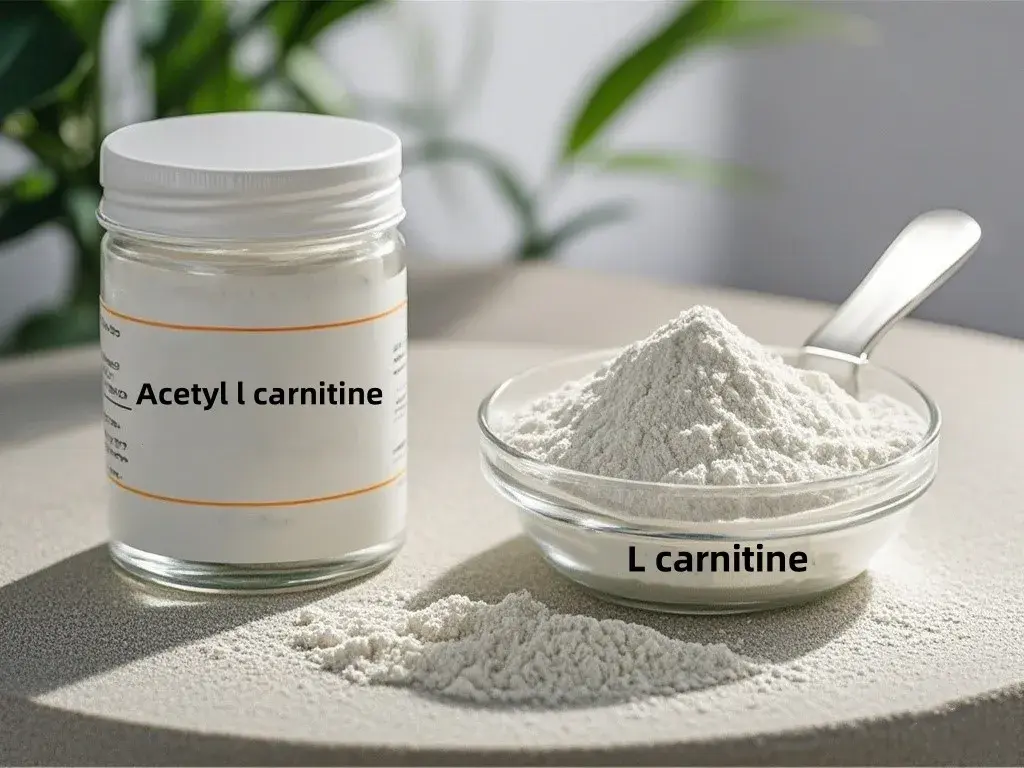
Understanding L-Carnitine Powder and Its Role in Weight Management
Because it works with other chemicals in the body, L-Carnitine is very useful for breaking down fatty acids. This quaternary ammonium molecule (CAS no: 541-15-1) works as a shuttle system inside live cells. It keeps fatty acids from building up in the cytosol while letting them be turned into usable ATP energy. Because of this physiological role, L-Carnitine is a key chemical in weight loss products all over the world.
The Science Behind Fat Oxidation Enhancement
Researchers have found that not getting enough carnitine can make it harder for the body to use stored fat for energy. When taken as directed, the compound resets the body's optimal fatty acid transport ability, especially during times when the metabolism is working harder, like when you're exercising or cutting back on calories. Studies with athletes have shown that exercise can improve stamina and reduce muscle soreness after exercise. These benefits go beyond weight loss and affect metabolic health as a whole. The L-stereoisomer form of L-Carnitine's molecular structure is very important for its biological function. The optical rotation of real L-Carnitine is between -29.0° and -32.0°, which sets it apart from D-Carnitine isomers that are either useless or could be dangerous. To make sure the product is safe and effective, procurement teams must check the quality of this stereochemical through reports of analysis from suppliers.
Forms and Applications Across Industries
L-Carnitine Powder comes in different types that are better for different industrial situations. The white crystalline powder form gives you the most options for custom formulation work in healthy drinks, nutraceuticals, and medication preparations. It dissolves more than 200g in 100ml of water at 20°C, which makes it perfect for use as a liquid additive. However, this feature makes it difficult to store without humidity problems. In addition to helping people lose weight, L-Carnitine is used in baby nutrition to help their bodies properly use fat; in sports nutrition to improve explosive power and reduce tiredness; and in clinical nutrition to treat both primary and secondary L-Carnitine deficiencies. Because it can be used in so many ways, it's a good ingredient for B2B clients who serve a wide range of market groups. The chemical has been approved by regulators in all major markets around the world, and there is a lot of evidence that it is safe to use in food, drinks, medicines, and animal feed.
Proper Usage and Dosage Guidelines for Optimal Results
To formulate a product well, you need to know how to use evidence-based dosing methods that strike a balance between safety and effectiveness. The clinical literature gives clear advice on the best doses to take for different types of people and situations.
Evidence-Based Dosing Protocols
Dosage suggestions based on research usually fall between 500 mg and 2000 mg per day for weight loss, but this can change depending on the person's metabolism and other lifestyle changes they are making at the same time. Athletic people often do better with bigger doses (1500–2000 mg), especially when they take supplements during training times. Women who are trying to boost their metabolism while on a low-calorie diet may see results with moderate doses (1000–1500 mg). For general population use, maintenance routines usually fall between 500 and 1000 mg per day.
Timing factors have a big effect on both intake and usage. Taking a pre-workout supplement 30 to 60 minutes before you work out takes advantage of your body's higher metabolic demand during workouts. To keep plasma concentrations steady, other guidelines call for splitting daily doses into multiple treatments that happen with meals. These timing tactics are especially important for B2B clients who are making goods for consumers because they affect how the products are positioned and how to use them.
Formulation Compatibility and Manufacturing Considerations
Understanding how ingredients combine is important for OEM and ODM manufacturing partners to make sure products are stable and work well. Some common cofactors that work well with L-Carnitine are B vitamins, especially B5 (pantothenic acid), which helps the production of L-Carnitine. Formulators often mix it with thermogenic chemicals, green tea extract, and conjugated linoleic acid (CLA) to make weight control blends that work better together.
But because L-Carnitine is hygroscopic, controlling wetness is hard to do technically. Fluid-bed granulation methods or oil-matrix suspension for softgel encapsulation are examples of advanced production solutions that keep the purity of the ingredients while providing high-potency amounts. The chemical is stable in acidic beverage mixtures, which makes it perfect for ready-to-drink functional drinks. It keeps the drinks clear during processing without forming precipitates. These technical factors have a direct effect on how long you should expect the food to last and how to store it, which buying teams must share with their supply lines.
Comparing L-Carnitine Powder with Alternative Forms and Compounds
To choose the right ingredients strategically, you need to know how the different forms of L-Carnitine Powder stack up in a number of performance areas that are important for production and placing the product in the market.
Base Powder Versus Salt Forms
Compared to salt versions like L-Carnitine L-Tartrate or Acetyl L-Carnitine, pure L-Carnitine Powder has the most active ingredient per gram. This molecular weight efficiency lets capsules be smaller or inclusion rates be lower, while still giving the same therapeutic amounts. This is a big benefit for people who want to save money and for those who like smaller pill sizes.
On the other hand, L-Carnitine L-Tartrate is easier to work with because it doesn't absorb water as easily. This makes it better for dry mixing tasks that don't need complex weather controls. This form has become very popular in the sports nutrition market because it has strong scientific backing for its use in muscle repair. Acetyl L-Carnitine adds an acetyl group that makes it easier for nutrients to cross the blood-brain barrier. This makes it more useful for cognitive health than just weight loss.
Physical Form Selection: Powder, Capsule, or Liquid
Buying L-Carnitine Powder in bulk gives you the most options for preparation and usually gives high-volume producers the best cost-per-gram economics. It does, however, need to be carefully managed for moisture and handled with special tools. Pre-encapsulated forms make it easier to make finished products, but they limit the ways that they can be customized and raise the cost per unit.
Liquid forms of L-Carnitine are more expensive in stores because people want them because they are easier to use and work faster. They are hard to store in bulk and ship internationally, though, because of their weight and size. When choosing the best forms for their supply lines, procurement professionals have to think about these trade-offs in light of their production skills, target markets, and volume promises.
Procurement Considerations for Bulk L-Carnitine Powder
Decisions about strategic buying have a direct effect on the quality of the product, compliance with regulations, and, in the end, market success. To lower the risks in the supply chain, global procurement managers have to look at providers in a number of different ways.
Certification and Quality Verification
International certifications set a standard for quality and make the legal approval process easier in a lot of different areas. ISO 22000 certification shows that the food safety management system is working properly, and HACCP certification shows that the production process follows the rules for danger analysis. Certifications like HALAL and KOSHER let brands reach religiously restricted customer groups. This is especially helpful for brands that want to sell in the Middle East and North America.
Organic approval (USDA Organic) meets the growing demand from customers for natural ingredients, but it usually costs more. Brand Reputation through Compliance (BRC) certification shows that a business follows global food safety standards that are accepted by major stores. Suppliers should give valid certificates of analysis (COA) that show tests for heavy metals, bacterial factors, purity, and stereochemical proof through specific rotation testing.
Avans NutriHealth has many certifications, such as HALAL, ISO, USDA, HACCP, and FSSC22000. These make sure that our L-Carnitine Powder meets strict worldwide standards. Our white powder product comes from factories in China. We have stock on hand right now, and the test values regularly show that it is more than 97% pure when it is dry.
Pricing Dynamics and Volume Commitments
The price of pharmaceutical-grade L-Carnitine changes on the market depending on the supply and demand of raw materials. Prices will vary between $25 and $60 per kilogram, based on the amount ordered, the quality requirements, and the delivery terms. Long-term supply deals often get better prices and make sure that goods are always available during times of high demand.
Minimum order quantities (MOQ) change a lot from one seller to the next. For direct manufacturers, the MOQ is 500 kg or more, while for specialty distributors, it's only 25 kg. A big problem in procurement is finding the right balance between minimum order quantities (MOQs) and inventory prices and cash flow needs. This is especially true for new brands whose demand predictions aren't clear. During the market testing and product launch phases, having sources who are flexible and offer scalable order amounts can be very helpful.
Supplier Verification and Risk Mitigation
As part of due research, things other than certificates are checked, such as output capacity, financial security, and supply chain redundancy. When you go to a manufacturing facility, you can see the real working conditions, quality control methods, and professional skills that aren't shown on paper. Asking for examples from current clients in similar market groups can tell you a lot about a supplier's dependability, how well they communicate, and how they solve problems.
Geographic diversification methods protect against problems with area supplies, but they make it harder to standardize quality and coordinate operations. Building ties with both major and secondary suppliers gives you backup plans without the need to keep too much safety stock on hand. Third-party testing by independent labs verifies the specifications given by the seller and boosts trust in the quality's ongoing consistency.
Potential Side Effects and Safety Guidelines
Full safety information helps with government filings and risk management processes that are needed for a product to be sold responsibly.
Common Adverse Reactions and Mitigation
L-Carnitine supplements are usually well tolerated at approved doses, with controlled studies showing adverse event rates about the same as those of placebos. About 5–10% of users experience mild stomach problems like sickness, abdominal pain, or diarrhea. These problems are more likely to happen at higher doses or when the drug is taken without food. These effects usually go away when the amount is lowered or when the drug is taken with food.
Some people may develop a distinctive "fishy" body odor because of gut bacteria making trimethylamine (TMA). This is more likely to happen with daily amounts higher than 3000mg. To lessen these effects, product labels should include directions on how to use the drug, such as suggesting that the amount be increased slowly and that it be taken with food. Active seizure disorders are not recommended because some cases have shown that the seizure threshold can drop in people who are more likely to have seizures.
Regulatory Compliance and Labeling Requirements
Different international markets have different rules that buying workers have to follow to make sure that products are sold legally. L-Carnitine is regulated by the FDA as a food supplement ingredient in the US. This means that it must be made in accordance with Current Good Manufacturing Practices and have a supplement facts page. In the European Union, it is sold as a food supplement that needs either a novel food assessment or paperwork for traditional use, based on the dosage amounts and application.
For Middle Eastern markets where Muslims are the majority, import rules require HALAL approval. Some countries may need extra registration or notice steps. Labels must correctly show test results, not make any false health claims, and have the right usage warnings. Keeping detailed records of certifications, specs, and test results from suppliers makes clearing customs and regulatory checks easier.
Storage and Handling Best Practices
To keep the purity of the ingredients all the way through the supply chain, strict weather controls are needed to deal with L-Carnitine Powder's ability to absorb water. Bulk powder should be kept in climate-controlled buildings with temperatures between 15°C and 25°C and relative humidity below 60% in double-lined, tightly sealed polyethylene bags inside fiber bins. When crystalline powder is exposed to water, it deliquescences, changing into a sticky or liquid state that makes it harder to flow and measure accurately.
When factories handle a lot of L-Carnitine, they should set up special handling areas with dehumidifiers and protected moving equipment. First-in, first-out (FIFO) inventory movement keeps things from being stored for too long, which can lead to pollution or quality loss. If stored properly, the shelf life should last between 24 and 36 months from the date of creation. However, for long-term inventory holds, testing should be done on a regular basis to make sure that the product continues to meet specifications.
Conclusion
L-Carnitine Powder is a scientifically proven and financially viable ingredient for weight control product creation in functional foods, pharmaceuticals, and nutraceuticals. Because it works in well-known ways in fatty acid metabolism and has a lot of safety data and regulatory approval, it is a key ingredient for many brands that are trying to reach metabolic health consumers. To be successful in procurement, you need to carefully evaluate suppliers, check their quality on a large scale, and use smart buying methods that balance low costs with high quality standards. Because the compound can be used in a variety of ways and in different delivery forms, it can be made in a way that suits different buyer tastes and market positioning strategies.
FAQ
Who should use L-carnitine supplementation for weight management?
L-Carnitine supplements work best for adults who are trying to lose fat and are following regular exercise plans and watching their food intake. Ideal users are also athletes who want to improve their fitness and healing. Women who are pregnant, nursing moms, or who have been identified with a medical condition should talk to their doctors before taking supplements. When used correctly, the compound is safe in clinical groups. However, each person's reaction is different depending on their baseline L-Carnitine state and metabolic factors.
How long before visible weight management results appear?
Studies in humans show that constant supplement use along with exercise and food changes can lead to measurable changes in metabolism within two to four weeks. To see changes in your body composition, you usually have to keep up with your workouts for 6 to 12 weeks. This is because fat loss happens slowly over time as your body uses more energy. Setting realistic standards for customers through marketing and educational tools for the product helps them stay on track and be happy during the supplementation time.
Can L-carnitine combine safely with other weight management ingredients?
Yes, caffeine, green tea extract, CLA, and thermogenic herbs are just a few of the typical weight loss ingredients that work well with L-Carnitine. Synergistic formulations that use more than one mechanism—like thermogenesis, appetite control, and fat mobilization—often produce better results than single-ingredient methods. Formulators should stay away from too many drug mixes that could be bad for the heart. Talking to recipe experts with a lot of experience makes sure that the right amounts of ingredients are used and that the safety ratings are in line with the rules in the target market.
Partner with Avans NutriHealth for Premium L-Carnitine Powder Supply
With pharmaceutical-grade L-Carnitine Powder and a wealth of certifications and scientific knowledge, Avans NutriHealth is ready to assist you in the creation of your weight management product. Our manufacturing skills allow us to offer stable quality at reasonable prices, and our present stock levels ensure that your purchasing needs can be met quickly. We are a reliable L-Carnitine Powder manufacturer that has been working with global names since 2005. We offer full OEM and ODM services, such as custom formulation development, help with regulatory compliance, and flexible minimum order amounts that can be adjusted to fit the needs of your business.
Our white crystalline powder meets the standards for purity, reaching 97%, and comes with full paperwork that meets HALAL, ISO, USDA, HACCP, and FSSC22000 requirements. Our expert team is here to help you every step of the way as you create your product, whether you need bulk ingredients for dietary supplements, functional drinks, pharmaceutical preparations, or specialized nutrition uses. Procurement workers, R&D managers, and formulators are welcome to ask for free samples and talk to our experts about their unique needs. For reliable L-Carnitine Powder for sale, email Lillian@avansnutri.com right now to learn how our partnership approach can speed up your buying process while still meeting the quality standards your brand's image requires.
References
1. Fielding, R., Riede, L., Lugo, J.P., & Bellamine, A. (2018). L-Carnitine Supplementation in Recovery after Exercise. Nutrients, 10(3), 349-367.
2. Mingrone, G. (2004). Carnitine in Type 2 Diabetes. Annals of the New York Academy of Sciences, 1033, 99-107.
3. Pooyandjoo, M., Nouhi, M., Shab-Bidar, S., Djafarian, K., & Olyaeemanesh, A. (2016). The Effect of L-Carnitine on Weight Loss in Adults: A Systematic Review and Meta-analysis of Randomized Controlled Trials. Obesity Reviews, 17(10), 970-976.
4. Rebouche, C.J. (2004). Kinetics, Pharmacokinetics, and Regulation of L-Carnitine and Acetyl-L-Carnitine Metabolism. Annals of the New York Academy of Sciences, 1033, 30-41.
5. Spiering, B.A., Kraemer, W.J., Vingren, J.L., Hatfield, D.L., Fragala, M.S., Ho, J.Y., Maresh, C.M., Anderson, J.M., & Volek, J.S. (2007). Responses of Criterion Variables to Different Supplementation Protocols. International Journal of Sport Nutrition and Exercise Metabolism, 17(4), 363-382.
6. Stephens, f.B., Constantin-Teodosiu, D., & Greenhaff, P.L. (2007). New Insights Concerning the Role of Carnitine in the Regulation of Fuel Metabolism in Skeletal Muscle. Journal of Physiology, 581(2), 431-444.