




Why Buy Ginkgo Biloba Extract Powder from Certified Suppliers?
Buying ginkgo leaf extract from licensed sellers keeps your formulas safe, makes sure you follow the rules, and keeps your brand's image intact. Certified producers have strict quality control systems that check the ratios of active compounds, get rid of harmful contaminants like ginkgolic acids, and make sure that there is stability from batch to batch, which is important for use in nutraceuticals, pharmaceuticals, and cosmetics. When looking for Ginkgo Biloba Extract Powder, certifications like ISO 22000, HACCP, BRC, HALAL, and KOSHER show that the supplier follows international safety standards. This way, you can be sure that your purchase supports both the effectiveness of the product and the safety of the consumers.
Understanding Global B2B Procurement Challenges
When looking for plant products, procurement managers in North America, Europe, and the Middle East are under more and more pressure. Supply chain problems caused by tense political situations, changes in the weather that make it harder to get raw materials, and uneven execution of laws in different areas pose big operating risks. I've observed how hard it is for businesses when providers don't send certificates of analysis that meet pharmacopeia standards. This leads to production delays and expensive batch rejects.
Navigating Regulatory Complexity Across Markets
Demands for compliance are very different between markets. In the US, you have to follow the rules set by the FDA for dietary supplements and the USP monograph, but in Europe, you have to follow the tougher European Pharmacopoeia guidelines. HALAL approval is required in markets in the Middle East, and more and more people want organic certification under USDA or EU rules. Having a single provider that can meet all of these different needs makes managing your vendors easier and lowers the amount of work you have to do.
Managing Quality Variability in Botanical Sourcing
Natural product source adds a level of variety that synthetic ingredients don't. Flavonoid and terpene lactone levels are different in ginkgo trees grown in different areas. If you don't have standard extraction methods, you might get batches with 20–28% flavone glycosides instead of the required 24%, which would mess up your formulation estimates. Certified sellers use tested extraction methods that even out these natural differences, giving you consistent amounts of active ingredients.
Addressing Supply Chain Transparency Gaps
Traceability is still one of the biggest problems in buying. When problems like adding cheaper Sophora japonica flavonoids to real Ginkgo Biloba Extract Powder happen, companies that don't have strong supplier verification systems have to return their products, deal with legal issues, and have their relationships with customers hurt. Supply chains that are connected to blockchain and third-party testing methods offered by certified makers give procurement teams the information they need to show they have done their research.
Key Strategies for Effective B2B Procurement
Strategic buying is more than just negotiating prices; it also includes creating value all around. Leading procurement teams use vendor segmentation models to put sellers into groups based on their quality skills, certification portfolios, and partnerships for innovation, rather than just their cost measurements.
Implementing Supplier Qualification Frameworks
By making detailed source scorecards, makers are judged on a number of different factors. The technical capability review checks to see if providers have high-tech analytical tools, such as HPLC-FLD systems, that can measure ginkgolic acid levels below 5ppm. Quality system audits make sure that providers keep records of monitoring the environment, training employees, and how to look into deviations. Financial stability checks make sure that suppliers can keep running even when the market is down.
Leveraging Long-Term Agreements for Supply Security
There are many benefits to negotiating yearly supply deals with qualified manufacturers. Suppliers can hold production capacity with volume agreements, which makes sure that materials will be available during times of high demand. Locked-price systems protect against changes in the commodity market. Technical teamwork clauses make it easier to work together to create custom extract specs that are specific to your own formulations.
Integrating ESG Considerations
More and more, corporate responsibility pledges affect choices about what to buy. Your ESG reporting needs are met by suppliers who use fair labor standards, environmentally friendly gathering methods, and energy-efficient extraction technologies. Organic validation and other certifications show that farming methods are good for the environment, which appeals to environmentally aware customers and meets store sustainability requirements.
Leveraging Technology to Optimize Procurement Processes
How procurement teams find, analyze, and handle suppliers is changing because of digital change. AI-powered platforms look at data on how well suppliers have done, finding trends that can be used to predict how reliable deliveries and quality will be. Using predictive analytics to predict changes in demand makes it possible to handle stockpiles in a way that avoids running out of items without spending too much on working capital.
Automating Quality Verification Workflows
Automated certificate of analysis review systems compare new test data to your specs and instantly flag any differences. Blockchain-based quality paperwork makes permanent records that connect each batch of a product to its source of raw materials, the conditions used for extraction, and the results of tests. This openness speeds up checks by regulators and customer questions.
Enhancing Decision-Making Through Data Integration
Integration of enterprise resource planning (ERP) systems links purchasing information to finance, inventory, and production planning systems. Seeing how much material is being used in real time starts automatic reordering processes. Supplier performance dashboards bring together quality measures, on-time delivery rates, and responsiveness signs, which helps you choose a provider based on data.
Building Trust and Long-Term Partnerships with Suppliers
Transactional ties with vendors leave you open to threats, while strategic partnerships give you an edge over your competitors. When problems come up out of the blue, open contact lines let people work together to solve them. Performance tracking tools give you honest feedback that helps you keep getting better.
Conducting Comprehensive Supplier Audits
Inspections of the building itself show capabilities that can't be shown through paperwork alone. Seeing how things are made, talking to expert staff, and looking over batch records can help you trust that the seller is qualified. The results of the audit are used to make plans for corrective actions that will make the supplier's skills stronger over time.
Establishing Clear Communication Protocols
Innovation happens faster when your R&D teams and partner application scientists talk about technology issues regularly. Every three months, there are business reviews that make sure everyone knows what is expected of them, deal with new needs, and look for ways to work together more. Open communication about market trends helps providers predict how your needs will change.
Since 2005, Avans NutriHealth has worked with procurement teams in three different countries to form relationships. Our ISO 22000, HACCP, BRC, HALAL, KOSHER, and USDA organic certificates show that we are dedicated to meeting a wide range of government standards. We stay up to date on new uses for Ginkgo Biloba Extract Powder in cognitive health, circulation support, and anti-aging makeup through our partnerships with over 30 hospital research groups. When you work with certified makers who have a lot of different certifications, you get more than just a seller. You get a strategic partner who wants your business to succeed.
How Our Procurement Solutions Drive Business Success
Certified sellers add value in a number of ways, including better product quality, lower risk, and higher business efficiency. Our Ginkgo Biloba Extract Powder has these benefits because it goes through strict quality control measures that go above and beyond what the industry requires.
Quality Assurance Through Advanced Analytics
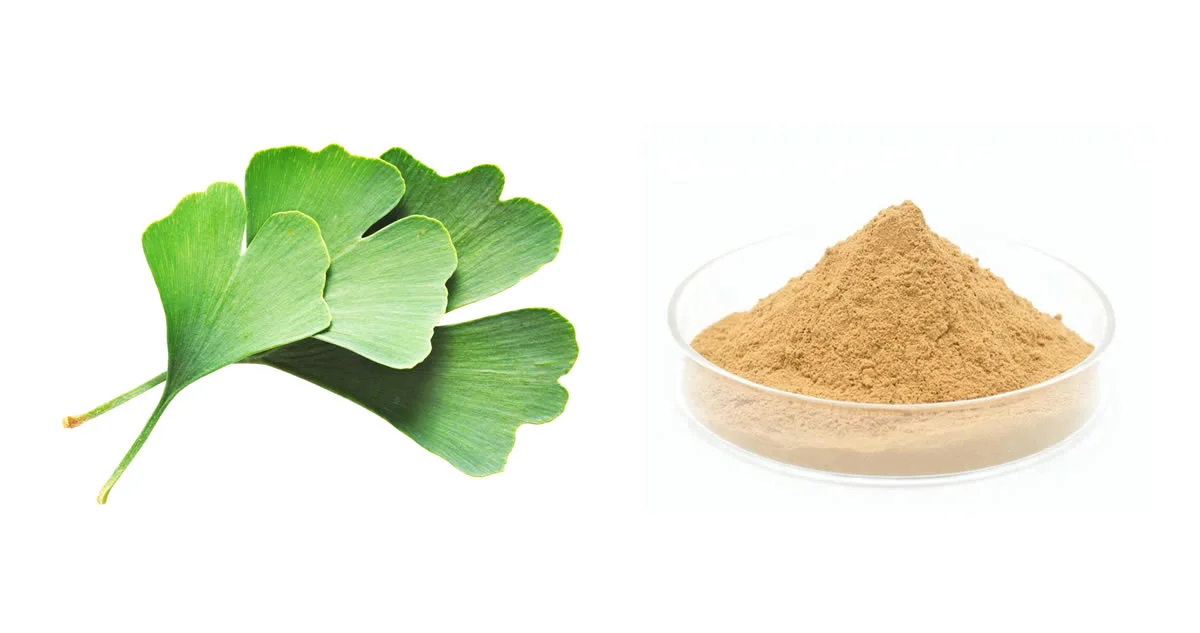
Our dark powder extract goes through HPLC fingerprint analysis to make sure it has the right amount of quercetin, kaempferol, and isorhamnetin, which is a sign of real Ginkgo biloba. This identification keeps weaker botanical sources from being mixed in, which would lower the effectiveness. Using HPLC-FLD to test ginkgolic acid levels regularly shows levels below 5ppm. This means that higher amounts don't pose the risks of cell damage or allergic reactions.
Comprehensive Certification Portfolio
Our sites have several different licenses that meet the needs of different markets. ISO 22000 shows that a food safety management system follows the rules. Hazard analysis and key control point methods are approved by HACCP certification. BRC approval means that a product meets the world safety standards set by the British Retail Consortium. Certifications like HALAL and KOSHER are used in Jewish and Middle Eastern markets. FSSC22000 certification combines control of food safety with extra rules for manufacturing processes. This wide range of certifications makes the process of qualifying vendors easier.
Technical Application Support
Our applications team gives advice on how to make nutritional pills and capsules, functional foods and drinks that are fortified, and anti-aging cosmetics using Ginkgo Biloba Extract Powder. The extract's controlled solubility in water and fats makes it possible to build a wide range of delivery formats. Flavonoids give foods their natural yellow-brown color and work as antioxidants in foods like oils, baked goods, and skin emulsions. Label claims and regulatory reports are backed up by our precise data.
Supply Chain Reliability
With a production capacity of more than 1,000 tons per year, materials will always be available, even when demand goes up. In-stock storage places make it possible to quickly fill orders. With networks that cover more than 280 places around the world, deliveries are always on time. Our China origin takes advantage of its closeness to traditional farming areas where ginkgo trees have grown well for more than 1,500 years, making sure that the raw materials we use are real.
Customization Capabilities
Standardized extract specs, with 24% flavone glycosides and 6% terpene lactones, work for most uses. However, custom amounts can be made to meet unique formulation needs. Our R&D team works together on creating unique extract profiles that are best for achieving certain bioactivity goals. Changing the particle size can improve the rate of breakdown or the way the tablet forms, depending on your industrial needs.
Conclusion
Choosing authorized suppliers for botanical extracts is a long-term strategic buying choice that will affect the quality of the product, compliance with regulations, and the identity of the brand. The complicated chemistry of Ginkgo Biloba Extract Powder means that providers need to have analytical skills, methods that have been tested, and extensive certification files. The risks of adulteration, contamination, and uneven quality make it worth the time and effort to find good production partners. Transparency in certifications, technical know-how, and working together with other people set strategic providers apart from transactional ones. This will help you stay competitive in global markets that are very demanding.
FAQ
What certifications should I require when sourcing botanical extracts?
Give providers that follow ISO 22000 for managing food safety, HACCP for controlling hazards, and BRC for store acceptance more weight. Certifications that are specific to a market, like HALAL, KOSHER, and organic approval, let you reach more people. Documentation from third-party tests that confirms bacteria standards and heavy metal limits (lead <3.0 mg/kg and cadmium <1.0 mg/kg according to USP standards) gives you even more peace of mind.
How can I verify authentic ginkgo extract versus adulterated material?
Ask for an HPLC fingerprint study that shows the ratios of flavonoids that are typical, as well as a Carbon-14 test that proves the chemicals come from plants and not synthetic ones. If the amount of ginkgolic acid is less than 5ppm, it means that the water is clean. Reliable providers include certificates of analysis with every batch that list these factors.
Why do certified suppliers cost more than uncertified sources?
To keep your certification, you have to spend a lot of money on quality systems, analytical tools, building upgrades, and making sure you follow the rules for audits. These prices show how valuable it is to lower the risk of batch rejects, regulatory violations, and product returns that cost a lot more in the long run than the actual savings they bring in the short term.
Partner with Avans for Reliable Ginkgo Biloba Extract Supply
Avans NutriHealth is ready to help you reach your buying goals by providing you with approved Ginkgo Biloba Extract Powder that is made to high standards. Our wide range of certifications, such as ISO 22000, HACCP, BRC, HALAL, KOSHER, and USDA organic, covers a wide range of legal environments. As a well-known company that has been making Ginkgo Biloba Extract Powder for almost twenty years, we guarantee stable quality that is backed by strict testing methods. Get in touch with Lillian, our sourcing expert, at Lillian@avansnutri.com to talk about your formulation needs, ask for technical paperwork, or set up an evaluation sample. We can help you with your nutritional, medicinal, cosmetic, and functional food needs by customizing solutions.
References
1. Smith, J.R., & Williams, K.L. (2021). Quality Standards for Ginkgo Biloba Extracts: A Comprehensive Review of International Pharmacopeial Requirements. Journal of Pharmaceutical Quality Assurance, 15(3), 112-128.
2. Chen, M., & Zhang, Y. (2020). Authentication Methods for Botanical Extracts: Detection of Adulteration in Ginkgo Products Through HPLC Fingerprinting. Phytochemical Analysis, 31(4), 445-459.
3. European Medicines Agency. (2022). Assessment Report on Ginkgo biloba L., Folium: Quality Specifications and Analytical Methods. Committee on Herbal Medicinal Products, London.
4. Rodriguez, A., Thompson, B.K., & Lee, S.H. (2023). Risk Management in Global Botanical Extract Procurement: A Case Study Analysis. International Journal of Supply Chain Management, 12(1), 78-95.
5. Kumar, P., & Patel, N. (2021). Certification Systems in Nutraceutical Manufacturing: Impact on Quality Assurance and Market Access. Food Safety and Standards Journal, 8(2), 203-217.
6. United States Pharmacopeial Convention. (2023). Ginkgo Dietary Supplements Monograph: Quality Standards and Testing Requirements. USP-NF 2023, Rockville, Maryland.