




How to Choose High-Purity Riboflavin Powder Suppliers?
Look at their production credentials, quality control systems, legal certifications, and how trustworthy their supply chain is to find the best provider of high-purity Riboflavin Powder. Buyers should give more weight to sellers who can show real Certificates of Analysis and tests done by a third-party lab that their purity levels are always above 98%. For relationships to last, there needs to be good communication, fair costs, and adherence to international standards such as USDA Organic, ISO, HALAL, and KOSHER. When used as a food additive, nutraceutical, or medicinal ingredient, this strategy way lowers risks while ensuring product efficacy, regulatory compliance, and the best value for money.
Understanding Riboflavin Powder and Its Purity Requirements
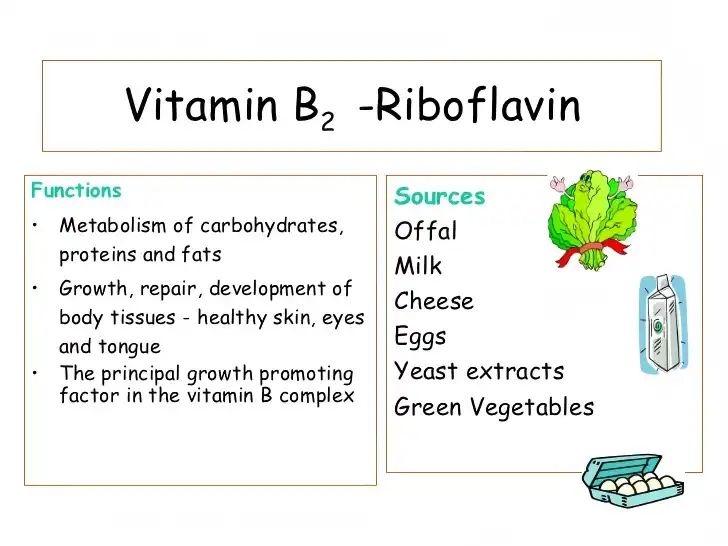
Vitamin B2, which is also known as Riboflavin, is a vitamin that helps make red blood cells, keep cells safe from free radicals, and use energy. The solid orange-yellow powder is used in a lot of different fields, from making vitamins for medicine to making makeup and food ingredients. Besides being found in food, Riboflavin is a very important element. It makes other B-complex vitamins, like niacin and pyridoxine, work right, so the body needs it for metabolism.
Why Purity Levels Matter in Industrial Applications
Standards for quality have a direct effect on how safe, useful, and well-liked by officials a product is. As Riboflavin is used in medicine, the amount must be higher than 98%, and some standards need 99%+ pure to meet tight monograph requirements. Heavy metals like arsenic or lead can get into food, even in small amounts. This can cause food to be rejected by regulators and put customers at risk. Nutraceutical businesses have to find a balance between cost and quality control because less pure ingredients may contain unwanted byproducts like lumiflavin, a substance that breaks down goods and makes them less useful.
Essential Certifications and Regulatory Compliance
When things are sold in other countries, they have to meet very high standards of quality. Get ISO 22000 approval to show you know how to keep food safe, and follow HACCP rules to make sure you look at risks at key control points. This will help you reach more people in the Middle East and among religious Jews who follow the rules of HALAL and KOSHER. The USDA Organic seal makes sure that fermentation methods don't use GMOs and only use bacteria types that are allowed. The FSSC 22000 approval brings together ISO standards for food safety with other standards for quality control. As a first step in the process of finding possible sources, these qualities are used. They make buying teams believe that the manufacturing process is honest and can be tracked.
Key Criteria to Evaluate Riboflavin Powder Suppliers
Structured evaluation systems for Riboflavin Powder help people pick the best seller when they are comparing different ones. It is easy to assess using the F-1 criteria method, which is made up of Factory powers, Formulation uniformity, Flexibility, Financial stability, and Follow-up service. It tells us if companies can meet our high-volume needs during busy times without changing the quality of the batches that are made. In production plants that use advanced fermentation technology with Bacillus subtilis or Ashbya gossypii strains, yield improvement and quality control are often better.
Verification Through Documentation and Testing
On Certificates of Analysis (COAs), which are the main way to check the quality of a product, you can find information like the amount of heavy metals, germs, and wetness. A trustworthy seller doesn't just use their own tests; they also get COAs from third-party labs that have been approved by the seller. UV-Vis spectrophotometry and HPLC tests show that Riboflavin is present, and ICP-MS studies show that heavy metal pollution is below the legal levels. You should keep the loss on drying steps below 1.5% so that bacteria don't grow and the product doesn't stick together while it's being kept.
Evaluating Supply Chain Reliability and Customer Support
It is tough to change how you buy things when you have a minimum order quantity (MOQ). This is especially true for small businesses that are trying out new ways of doing things. Providers who offer fair MOQ terms without lowering quality show that they value their clients. It is just as important to be consistent with deliveries. Orders that are late mess up production plans and make supplies more expensive. Responding technical support teams that can deal with formulation problems, stability issues, and questions that are specific to an application add a lot of value that goes beyond business ties. Communication answer during the question phase is often a good sign of how good service will be in the future as the partnership grows.
Comparing Different Supplier Types and Riboflavin Powder Forms
When you talk directly to makers, you can often save money, get help from technology experts, and make changes. Every step of the way, manufacturing sources keep an eye on quality. They are also more open about where their raw materials come from and how they are treated. Distributors are helpful because they bring together different sources of materials, which makes them easier to handle and lets you buy smaller amounts that are good for research and development. But the prices go up because the wholesalers get paid more, and not all the brands they carry may have the same quality.
Powder Form Advantages for Industrial Applications
Commercial formulators have more choices with Vitamin B2 powder than with pre-encapsulated or liquid types. In a lot of different matrixes, the 80% Riboflavin content is the right balance between strength and ease of use. This means that exact dose changes can be made. The solid orange-yellow powder is added to baked goods, dairy products, and drinks to make them healthy and give them a natural color. Drug companies like powder forms because they can be packed into pills or tablets in a way that suits their needs. This lets them control the release patterns and combine the powder with other healthy nutrients. If a beauty product is meant to protect and keep the skin healthy, it contains Riboflavin.
Natural Fermentation Versus Chemical Synthesis
These days, microbial fermentation is mostly used to make Riboflavin, which is good for the environment, buyer perception, and government approval. Getting Riboflavin from controlled bacterial strains through fermentation is cleaner and leaves behind fewer chemical leftovers than using chemicals to make it. Because people want goods that come from natural sources, nutritional brands are going toward providers that use fermentation. For everyday uses, synthetic production methods are cheap, but they are getting more and more attention because they are bad for the environment and have a "clean label" name. The world's biggest companies keep putting money into improving fermentation. Better methods for purifying the goods after fermentation make them as pure as those used in medicines.
How to Conduct Effective Supplier Due Diligence and Verification
To get a full picture of a Riboflavin Powder seller, you should start by looking at their paperwork, like their business licenses, output permits, and building records. Target markets have regulatory groups that put out names of accepted manufacturers. This is a simple way to make sure that a company is legal to make things. There are licenses for quality management systems that show that a company is dedicated to organized quality control. However, the validity of the certificate should be checked against the records of the organization that issued it. If you look at old batch data, you can see patterns that don't change. People should have more faith in suppliers who can keep their purity levels fixed and keep contamination under control across multiple production runs.
Audit Protocols and Factory Inspection Strategies
Virtual workplace tours that you can do through videoconferencing let you see how things work without having to pay for a trip. You can look at how clean the tools are, where the raw materials are kept, and how the surroundings is managed. You can find out how complicated a process is by asking a lot of questions about the fermentation tanks, filtration systems, spray drying factors, and packing methods. Checking things out in person is better because you can see how they are done, how well the staff is trained, and if the records are correct. Some important areas for checking are how to get raw materials, how to test final goods, how to handle complaints, and quality checkpoints during the production process.
Independent Laboratory Testing and Certification Validation
The people whose job it is to buy things should send samples from sellers to approved labs so that they can be checked by experts from outside the company. When you test against COAs that providers give you, you might find differences that need to be looked into. Checking for heavy metals like lead, arsenic, mercury, and cadmium using HPLC, checking for microbe contamination like yeast/mold, Salmonella, and E. coli, and measuring specific rotation to see if the sample is clear should all be part of the analysis parameters. To make sure a certificate is real, you need to call the organization that gave it and double-check the certificate number, validity time, and coverage area.
Practical Tips for Procuring Bulk High-Purity Riboflavin Powder
There are ways to negotiate that get prices lowered while still meeting service standards and quality standards. People who buy a lot of something can often get better prices, but they shouldn't make too many promises before placing some test orders to see how well the seller works. When you talk about payment terms, make sure that everyone is taking an equal share of the risk. Safe ways to pay protect both sides while still letting you have some working cash. The prices stay fixed, buyers get priority during shortages, and both buyers and sellers can work together to make new products. This makes long-term supply deals good for everyone.
Logistics Considerations for International Shipments
Buying things across borders adds extra problems that need careful planning and paperwork. Countries that want to know what taxes and rules apply to things can use the HS code 2936.20 to classify them. Transporting things in a way that takes temperature into account stops them from going bad; Riboflavin is photosensitive, so it needs to be packed in something dark and kept away from light for a long time. Keeping an eye on the wetness during shipping keeps the product stable, since absorbing water speeds up breakdown and helps germs grow. Once the goods arrive, they should be kept somewhere cool and dry, out of direct sunlight, where the temperature is less than 25°C, and the humidity is less than 60%.
Building Strategic Supplier Partnerships
When you work together with reliable Vitamin B2 sources over a long period of time, you gain more than just money. As part of long-term relationships that support teamwork and new ideas, suppliers spend time and money getting to know what their customers want and coming up with unique solutions. When there are shortages of supplies around the world, production keeps going by giving top care during allocation breaks. It takes less time to make a product when expert teams work together on things like formulation optimization, stable growth, and following the rules. Supply chain management that is proactive needs clear knowledge about how to plan capacity, get raw materials, and keep up with market trends.
Avans NutriHealth Co., Ltd. has worked with the food, medicine, and nutritional industries for 15 years, showing that this is how relationships work. Many certificates, like ISO, HALAL, KOSHER, USDA, HACCP, and FSSC22000, show that our plant is dedicated to meeting the highest quality standards around the world. The amount of Riboflavin Powder (CAS 83-88-5) we make and keep in stock is over 1,000 tons per year, so our customers' production plans don't have to be changed because of supply issues. Our technical team works with our company's R&D groups to help with things like making new formulas, checking their stability, and filling out legal paperwork.
Conclusion
To find suppliers of high-purity Riboflavin Powder, you should carefully consider how they make their products, how they keep an eye on quality, how well they follow the law, and how quickly they answer customer service requests. People who are paid to buy things should give more weight to sellers whose goods are regularly pure above 98%, as shown by real certifications and independent tests. You can get better professional help, more freedom to make changes, and lower prices for big orders when you work directly with the maker. Full due diligence, which includes going over paperwork, visiting facilities, and testing samples, lowers risks and builds long-term trust in the trustworthiness of the supply chain. Having strategic partnerships with approved suppliers that allow for open communication and proactive support is good for both product quality and running efficiency when used as food, nutraceutical, or pharmaceutical additives.
FAQ
What purity level should I require for pharmaceutical-grade applications?
In order to meet the standards set by pharmacopoeia monographs, pharmaceutical goods need Riboflavin that is more than 98% pure when it is dried. The best grades need to be 99%+. What you want to use it for and the laws in the market you want to reach will tell you the exact purity level you need. Most nutraceutical goods need to be at least 97-98% pure, but food fortification uses might be able to get away with a little less if the cost is taken into account.
How can I verify the authenticity of supplier certifications?
Instead of getting information from sources, use the websites of licensing groups to get in touch with them directly. Check the license numbers to see when they were given, how long they are valid for, and what they cover. Reliable certification groups keep public records that anyone can use to check that certificates are still valid. Find out about audit reports if you can. You can learn a lot from them about what parts of compliance are working well and what needs to be done to fix any issues that are found.
What storage conditions maintain riboflavin stability and potency?
To keep Riboflavin safe from light, especially UV light, which breaks it down faster, it should be kept in dark areas with tight lids. Low temperatures (below 25°C) and low humidity (below 60%) will stop bacteria from growing and water from absorbing. When processing, stay away from alkaline environments because burning Riboflavin in these kinds of liquids breaks it down. Food can last up to 24 months and still have cells that work if it is stored properly.
Partner With a Trusted Riboflavin Powder Manufacturer
Avans NutriHealth Co., Ltd. sells pure Vitamin B2 that meets the standards for medicine. They have full records of the tests to back this up. Our solid orange-yellow powder is approved by ISO, HALAL, KOSHER, USDA, and FSSC22000 to meet strict requirements around the world. This makes sure that every market in the world follows the rules. Because we can handle 1,000 tons of production every year and have more than 100 trained production workers, we can offer you a steady supply that will help you meet your production standards. Our skilled research and development (R&D) team can help you make formulations better and more stable. They can also provide solutions that are tailored to the needs of food, medicine, and nutrition ingredients. Having items in stock that are ready to ship will keep you from having to wait for lead times, and buying in bulk will save you money. Contact Lillian@avansnutri.com right away to get full specs, COA paperwork, and custom prices for your needs as a Riboflavin Powder seller.
References
1. Rivlin, R.S. (2007). "Riboflavin and Health: A Review of Recent Human Research." British Journal of Nutrition, 98(6), 1352-1359.
2. Powers, H.J. (2003). "Riboflavin (Vitamin B2) and Health Status: A Review of the Epidemiological Evidence." American Journal of Clinical Nutrition, 77(6), 1352-1360.
3. McNulty, H., Pentieva, K., Hoey, L., & Ward, M. (2011). "Riboflavin, MTHFR Genotype and Blood Pressure: A Personalized Approach to Prevention and Treatment of Hypertension." Molecular Aspects of Medicine, 32(4-6), 235-241.
4. Saedisomeolia, A., & Ashoori, M. (2018). "Riboflavin in Human Health: A Review of Current Evidence." Advances in Food and Nutrition Research, 83, 57-81.
5. Pinto, J.T., & Zempleni, J. (2016). "Riboflavin: An Essential Vitamin in Health and Disease." International Journal for Vitamin and Nutrition Research, 86(1-2), 3-5.
6. Thakur, K., Tomar, S.K., Singh, A.K., Mandal, S., & Arora, S. (2017). "Riboflavin and Health: A Review of Current Knowledge." Critical Reviews in Food Science and Nutrition, 57(17), 3650-3660.