




Is Curcumin Extract Powder Stable for Large Manufacturing?
Curcumin Extract Powder is stable enough to be used in large-scale production as long as the right safety measures are taken. Managing external factors like temperature, humidity, and light exposure, along with using the right extraction methods and packing rules, is key to keeping the powder stable. Since 2005, Avans NutriHealth Co., Ltd. has been improving its production methods so that it can provide stable Curcumin Extract Powder that meets the strict needs of the beauty, nutraceutical, and pharmaceutical industries. When stored properly and treated according to best practices in the industry, our yellow fine powder stays intact during bulk processing.
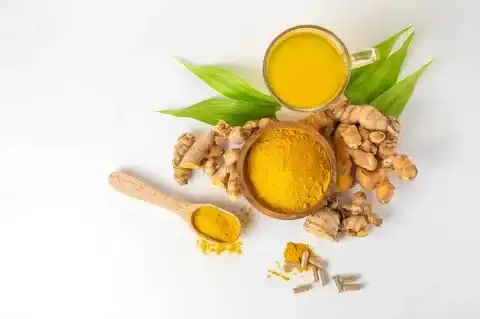
Understanding Curcumin Extract Powder Stability
Stability is the most important thing for large-scale manufacturing processes to work well. When we talk about stability in the context of Curcumin Extract Powders, we're addressing multiple interconnected factors that affect how well your product keeps its quality from production through to consumer use.
Chemical Stability Factors
When chemicals break down, they cause big problems in industrial settings. The active ingredients in our Curcumin Extract Powder are called curcuminoids. These can be oxidized, especially when they are exposed to high temperatures or alkaline conditions. These chemicals are useful for medicine because they have a natural phenolic antioxidant structure that makes them reactive in some situations. The amount of moisture is very important; our tests show that keeping loss on drying (LOD) below 1.0% greatly increases shelf life. We monitor degradation rates through HPLC analysis to make sure that our standardized extracts stay effective for as long as they are supposed to. Because we pay attention to chemical safety, we can tell our clients in North America and Europe exactly what will happen in the production process.
Physical Stability Considerations
Curcumin Extract Powder's physical properties have a direct effect on how well it is made. Color preservation is a clear sign of general stability, while fading shows that the degradation is getting worse. Our production plant keeps the particle size consistency at 95% passing through 80 mesh. This prevents segregation during blending and ensures uniform distribution in final formulations. When the bulk density is between 0.35 and 0.55 g/mL, the flow qualities are reliable, which is important for automatic filling equipment. Agglomeration remains a challenge; our spray drying method limits the amount of moisture exposure, which stops clumping that disrupts large-scale operations. These physical parameters aren't just technical details; they affect how well your production line works or whether it experiences costly downtime.
Environmental Controls During Manufacturing
Changes in temperature cause unstable chains that damage the structure of the product. Our ISO 22000, HACCP, and BRC-certified sites keep strict control over the environment so that it stays within certain limits. Photodegradation happens faster when exposed to light, so we use opaque packing materials and limit exposure while processing. Controlling relative humidity stops the absorption of water, which triggers chemical processes that break down curcuminoids. The conditions in our storage places keep our Curcumin Extract Powder looking bright orange-yellow and fully active. These environmental protections require a lot of infrastructure investment, but suppliers who want to offer stable goods on an industrial scale cannot do without them.
Production Process and Its Impact on Stability
The way of production has a big effect on the stability profile of the finished product. With almost 20 years of specialized production experience, Avans has improved its extraction and processing methods, building systems that prioritize security from the time the raw materials come in until they are packaged.
Extraction Techniques and Purity
The choice of solvent affects both the level of purity and the stability. Using ethanol or acetone for organic solvent extraction results in high amounts of curcuminoids while leaving behind few impurities that could catalyze breakdown. We carefully check solvent residues to make sure they do not exceed USP/EP limits. We pay special attention to benzene and toluene traces that are tightly controlled by regulations. Our standardized extracts have at least 95% total curcuminoids because they go through strict cleaning steps that get rid of any chemicals that could make them less stable. Carbon-14 testing proves that our Curcumin Extract Powder comes from 100% bio-based sources, setting it apart from synthetic versions that exhibit different stability profiles. This dedication to extraction purity sets the stage for a reliable product in the long run that procurement managers can rely on.
Drying Technologies and Moisture Management
Drying represents a critical control point where stability can be maintained or lost. Spray drying technology quickly removes moisture while limiting the time that the product is exposed to heat, which protects the structure of the curcuminoids. Our ability to make more than 1,000 tons of product each year depends on industrial-scale drying systems that are designed to keep particle properties constant. Even though it costs more to prepare, freeze drying has benefits for specific applications that need the highest solubility. Keeping LOD at or below 1.0% is the goal moisture standard. Chemical stability during storage and transport is directly related to this. If you do not dry a product well enough, it will absorb water during storage, which starts hydrolytic breakdown that lowers its effectiveness. Over 100 trained technicians who work in our workshop constantly check the drying conditions to ensure that each batch meets the stability standards before it is put into stock.
Excipients and Formulation Considerations
Strategically choosing the right excipients improves stability while maximizing functionality. Piperine co-formulation greatly increases solubility, but interactions that might affect storage stability need to be carefully thought through. By getting rid of free radicals that would break down curcuminoids, antioxidants like ascorbic acid or tocopherols can make the shelf life last longer. Encapsulation technologies keep active chemicals safe from things that can damage them in the environment, but they make the manufacturing process more complicated and expensive. Our research and development team works with more than 30 hospital research partners to come up with formulation strategies that balance treatment effectiveness with stability. We offer customization services that can help your recipes stay stable, whether you are making dietary supplements, functional drinks, or topical cosmetics.
Comparing Stability Across Product Grades and Standards
Not every Curcumin Extract Powder has the same level of stability. When procurement teams understand these differences, they can make smart choices about where to buy ingredients that meet their operational needs and legal responsibilities.
Organic Versus Conventional Stability Profiles
Getting organic approval adds more factors that affect stability management. Our USDA-certified organic Curcumin Extract Powder is grown and processed according to tighter rules that do not use any synthetic fertilizers or pesticides. This is good for health-conscious customers, but organic versions sometimes need different handling protocols. Synthetic inhibitors may be added to conventional extracts to extend shelf life, but they do not always fit with clean-label positioning. From our experience selling both types of goods around the world, we know that organic products are just as stable as conventional ones when they are made with the right controls and stored properly. When buying from qualified providers with full quality management systems, your choice between organic and conventional should be based on what your target market wants, not on worries about stability.
Impact of Standardization on Consistency
Standardization to specific curcuminoid percentages has a direct effect on consistency from batch to batch. Our normal specification promises ≥95% curcuminoids by HPLC, which gets rid of the inconsistency that comes with raw Curcumin Extract Powder, which only contains 2-5% active compounds. Because of this standardization, industrial results can be predicted; formulation calculations stay the same, and final goods always deliver consistent efficacy. Lower-quality extracts that have varying strengths make things less stable by introducing unpredictable compound ratios that change how they react to storage. This consistency is especially useful for procurement professionals in the pharmaceutical and nutraceutical industries, as it simplifies regulatory submissions and reduces quality control complexity during scale-up phases.
Certification Standards and Quality Benchmarks
International certifications provide objective benchmarks for stability assurance. Our HALAL, KOSHER, HACCP, and FSSC22000 certifications show that we have thorough quality management systems that go beyond basic stability testing. BRC certification specifically addresses supply chain integrity and contamination prevention—critical factors in maintaining stability during distribution. Our ISO 22000 certification shows that we take a structured approach to managing food safety, which includes analyzing risks and putting in place controls that protect product stability. These certificates aren't just marketing tools; they represent operational frameworks ensuring the Curcumin Extract Powder arriving at your facility matches the specifications documented in certificates of analysis, batch after batch, shipment after shipment.
Addressing Challenges in Scaling Up Production
When transitioning from laboratory-scale to industrial manufacturing, there are stability issues that need to be dealt with proactively. By producing botanical extracts at scale, we've learned about common pitfalls and effective solutions.
Preventing Agglomeration and Caking
Agglomeration disrupts automated processing and signals moisture ingress or improper storage. Curcuminoids are lipophilic, which means they do not dissolve easily in water but do dissolve easily in organic solvents. This makes handling them different from handling ingredients that dissolve easily in water. We carefully choose which anti-caking agents to use, weighing the needs for purity in the formulation against the flow properties. Climate-controlled warehousing prevents the temperature cycling that drives condensation and subsequent caking. When we package Curcumin Extract Powder for export to humid environments like Southeast Asian markets, we specify moisture-barrier materials with vapor transmission rates below 1.0 g/m²/day. These preventive measures maintain the free-flowing characteristics essential for efficient large-scale blending and encapsulation operations.
Oxidation Prevention Strategies
Oxidative breakdown is the primary chemical instability mechanism affecting curcuminoids when they are stored for a long time. Free radical reactions start when oxygen is present. These reactions gradually diminish potency and change the color from vibrant orange-yellow to dull brown. As part of our packaging protocols, we use nitrogen flushing to create modified atmosphere conditions within sealed containers. Opaque materials block light wavelengths that catalyze oxidation reactions. For particularly sensitive applications, we recommend refrigerated storage at 2–8°C, though our standard product maintains stability at room temperature when properly packaged. Antioxidant synergists can extend stability further, though we evaluate such additions on a case-by-case basis, considering regulatory implications and clean-label preferences.
Regulatory Compliance and Documentation
Scaling production magnifies regulatory scrutiny across jurisdictions. North American markets require that dietary supplements and food additives follow FDA rules, including specific identity and purity standards for Curcumin Extract Powder products. European clients navigate EFSA guidelines and individual member state requirements. Our thorough documentation systems—which include certificates of analysis, stability studies, allergen statements, and GMO-free declarations—streamline regulatory submissions and audits. We maintain full traceability from raw material sourcing through finished product release, a requirement under FSSC22000 certification. This documentation infrastructure doesn't just satisfy regulators; it provides the transparency B2B clients need to confidently integrate our ingredients into their own quality systems and regulatory frameworks.
Procurement Insights: Selecting Stable Ingredients for Your Operations
To do effective sourcing, you need to judge suppliers based on factors that can predict their long-term stability performance. Talking to procurement managers in the cosmetic, nutraceutical, and pharmaceutical sectors has helped us figure out what really matters when making a choice.
Evaluating Certificates of Analysis
Certificates of analysis reveal if providers use adequate testing methodologies. Demand HPLC analysis rather than UV spectrophotometry, which cannot differentiate individual curcuminoids and may report inflated values due to interfering compounds. Screening for heavy metals, microbiological tests, and pesticide residue analysis are all ways to make sure the quality is complete. Our COAs record results for each batch instead of general requirements. This lets our clients see how performance trends across shipments. Pay attention to the test dates; analyses that are outdated do not reflect current inventory conditions and may mask degradation that occurred during storage. Suppliers who give thorough, batch-specific COAs show that they have the quality systems necessary for consistent Curcumin Extract Powder stability.
Stability Testing and Shelf Life Verification
Accelerated stability studies predict long-term performance under controlled stress conditions. According to ICH guidelines, we test for stability at elevated temperatures (40°C) and high humidity levels (75% RH), monitoring the curcuminoid content, moisture uptake, and physical appearance over defined intervals. Real-time stability data at recommended storage conditions validates assigned shelf life periods. Suppliers unwilling to share stability data or make unsupported shelf life claims present unnecessary risk. Our documentation on stability gives procurement teams the evidence they need to justify sourcing decisions and defend inventory management practices. When evaluating suppliers, request access to stability protocols and summary data—transparency here correlates strongly with overall quality system maturity.
Supplier Capabilities and Support Services
Beyond product specifications, the long-term success of a relationship depends on the skills of the supplier. Our R&D team assists clients with formulation challenges, optimizing stability in specific matrix environments, whether aqueous beverages, oil-based softgels, or topical emulsions. We provide samples for compatibility testing before commercial commitments, reducing development risks. Technical support extends through scale-up phases, troubleshooting stability issues that emerge during manufacturing trials. Our distribution network covering 280+ cities ensures reliable supply chains with minimal lead times, critical for just-in-time manufacturing operations. These service capabilities transform supplier relationships from transactional commodity purchases into strategic partnerships that enhance your competitive positioning.
Conclusion
Curcumin Extract Powder delivers reliable stability for large-scale manufacturing when sourced from suppliers implementing comprehensive quality controls and process optimization. Chemical and physical stability depend on managing environmental factors, employing appropriate extraction and drying technologies, and maintaining rigorous documentation systems. At Avans NutriHealth Co., Ltd., our ISO 22000/HACCP/BRC certified facilities and nearly two decades of specialized experience produce turmeric extracts with consistent stability profiles meeting pharmaceutical, nutraceutical, and cosmetic industry requirements. Procurement professionals benefit from evaluating suppliers based on analytical methodologies, stability testing, transparency, and technical support capabilities rather than price alone. The stability of our China-manufactured Curcuma longa extract, certified HALAL, KOSHER, USDA organic, and FSSC22000 compliant, supports efficient operations and regulatory compliance across global markets.
FAQ
How long does turmeric extract remain stable under typical warehouse conditions?
When stored in opaque, moisture-barrier packaging at ambient temperatures (15–25°C) and controlled humidity (below 60% RH), our standardized Curcumin Extract Powder maintains at least 95% of its curcuminoid content for 24 months. Refrigeration extends stability further, though it's unnecessary for properly packaged material. Exposure to light, heat, or moisture significantly reduces this timeframe, potentially halving shelf life under adverse conditions. Regular monitoring through periodic testing verifies stability throughout the storage period.
Can stability issues be detected visually before analytical testing?
Color changes provide early warning signs of degradation. Fresh Curcumin Extract Powders display vibrant orange-yellow coloration; fading to pale yellow or browning indicates oxidative degradation. Clumping or caking suggests moisture infiltration. However, visual inspection cannot quantify potency loss or detect contamination, making analytical testing irreplaceable for quality assurance. We recommend both visual monitoring and scheduled laboratory analysis for comprehensive stability oversight.
Do bioavailability enhancers affect storage stability?
Piperine co-formulation requires careful evaluation. While dramatically improving absorption, it may interact with curcuminoids during extended storage under certain conditions. We conduct compatibility studies when formulating combinations, adjusting packaging and storage recommendations accordingly. Alternative enhancement strategies like liposomal delivery or nano-emulsification present different stability profiles requiring specific assessment. Our technical team assists clients in selecting approaches balancing bioavailability gains against stability requirements.
Partner with Avans: Your Trusted Curcumin Extract Powder Supplier
Avans NutriHealth Co., Ltd. stands ready to support your large-scale manufacturing needs with premium Curcumin Extract Powder engineered for stability and consistency. Our yellow fine powder, standardized to ≥95% curcuminoids and backed by comprehensive certifications including HALAL, ISO 22000, KOSHER, USDA organic, HACCP, BRC, and FSSC22000, delivers the reliability your operations demand. With over 100 skilled technicians, annual production exceeding 1,000 tons, and in-stock availability, we provide the supply security essential for uninterrupted production schedules. Our R&D team collaborates closely with clients, offering customized formulation support and technical expertise that accelerates product development from concept through commercial launch. Whether you're sourcing for pharmaceutical applications, nutraceutical supplements, or functional food formulations, our commitment to quality and service excellence makes Avans your ideal Curcumin Extract Powder manufacturer. Contact Lillian at Lillian@avansnutri.com today to request samples, discuss your specific stability requirements, and discover how our botanical extract expertise can enhance your competitive advantage in health and wellness markets.
References
1. Amalraj, A., Pius, A., Gopi, S., & Gopi, S. (2017). Biological activities of curcuminoids, other biomolecules from turmeric and their derivatives – A review. Journal of Traditional and Complementary Medicine, 7(2), 205-233.
2. Hewlings, S. J., & Kalman, D. S. (2017). Curcumin: A Review of Its Effects on Human Health. Foods, 6(10), 92.
3. Kocaadam, B., & Şanlier, N. (2015). Curcumin, an active component of turmeric (Curcuma longa), and its effects on health. Critical Reviews in Food Science and Nutrition, 57(13), 2889-2895.
4. Prasad, S., Gupta, S. C., Tyagi, A. K., & Aggarwal, B. B. (2014). Curcumin, a component of golden spice: From bedside to bench and back. Biotechnology Advances, 32(6), 1053-1064.
5. Priyadarsini, K. I. (2014). The chemistry of curcumin: from extraction to therapeutic agent. Molecules, 19(12), 20091-20112.
6. Sharma, R. A., Gescher, A. J., & Steward, W. P. (2005). Curcumin: The story so far. European Journal of Cancer, 41(13), 1955-1968.