




Can Grape Seed Extract Powder Support Antioxidant Formulas?
Due to its high content of oligomeric proanthocyanidins (OPCs), Grape Seed Extract Powder provides excellent antioxidant support. OPCs are more effective at fighting free radicals than many other antioxidants. With a measured polyphenol content of 95% and high bioavailability, this plant extract gives formulators a scientifically proven way to make nutraceuticals, cosmetics, and functional foods work better. Because it doesn't change when heated or cooled and works well with many different types of formulations, it is an important ingredient for companies that want to make high-performance antioxidant products with clean labels.
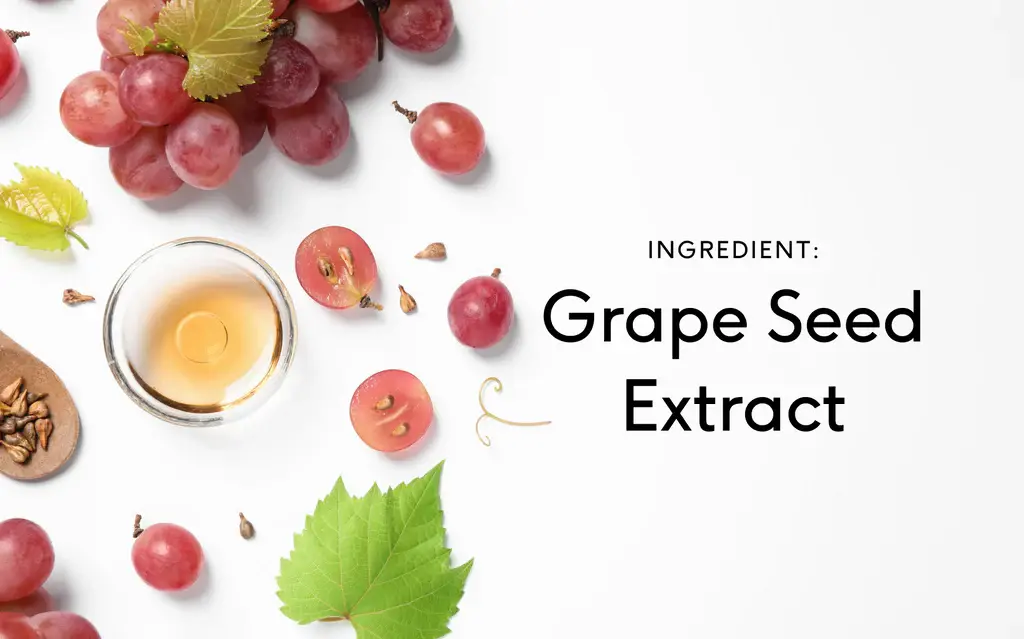
Understanding Grape Seed Extract Powder and Its Antioxidant Properties
What Makes This Botanical Extract Unique?
This reddish-brown powder comes from Vitis vinifera seeds and is extracted using a complex ethanol-water process. It contains beneficial chemicals that are very good for your health. The method of separation keeps the oligomeric proanthocyanidins, flavonoids, and phenolic acids but gets rid of the tannins and leftovers that aren't wanted. Avans NutriHealth uses advanced processing methods to get standardization levels of 95% proanthocyanidins through UV assay. This makes sure that there is stability from batch to batch that meets international pharmacy standards.
How OPCs Neutralize Free Radicals
The antioxidant system is based on the chemical structure of OPCs, which gives electrons to unstable free radicals without reacting with them. A study in the Journal of Agricultural and Food Chemistry shows that proanthocyanidins from grapes have an Oxygen Radical Absorbance Capacity (ORAC) value higher than 10,000 µmol TE/g. This is a lot higher than Vitamin E (about 1,500 µmol TE/g) and green tea catechins (about 1,200 µmol TE/g). This better ability to get rid of radicals means that cells are better protected against oxidative stress.
Clinical Evidence Supporting Health Applications
Several research studies have shown that the extract is good for health in a number of areas. A 2019 study published in Nutrients with 60 people found that taking 300 mg of standardized grape seed proanthocyanidins every day for 12 weeks made the skin 18% more elastic. Phytotherapy Research released the results of another randomized controlled study that showed improved cardiovascular factors, such as lower LDL oxidation and better endothelial function. These results give formulators strong scientific support when they make health goods for specific groups of people.
Safety Profiles and Dosage Instructions
Studies on toxicology show that this plant ingredient has very high safety margins. The FDA says that Grape Seed Extract Powder is generally recognized as safe (GRAS), and the European Food Safety Authority says that it can be used in food products at a dose of up to 400 mg per day. For nutraceutical uses, manufacturers should think about normal doses between 100 mg and 300 mg, with changes made based on formulation goals and target groups. Avans gives full technical information, like Certificates of Analysis and stability data, to back up regulatory applications in all global markets.
Evaluating Grape Seed Extract Powder Within Antioxidant Formulations
Overcoming Traditional Antioxidant Limitations
Synthetic antioxidants like BHA and BHT are getting more and more attention from regulators and consumers, which opens the door for natural options. Concerns about stability are eased by the Grape Seed Extract Powder's natural resistance to oxidation. It keeps its effectiveness even when exposed to mild heat up to 80°C. It is different from lipophilic alternatives because it dissolves in water. This lets formulators make clear drinking solutions without having to deal with emulsification problems. Fine particles (100% to 80 mesh) make it possible for the material to mix well in both water and powder.
Synergistic Combinations with Complementary Antioxidants
Formulation experts are looking into synergistic blends more and more to get the most antioxidant defense. When you mix resveratrol and OPCs from grapes, they work together in ways that are compatible. Resveratrol starts pathways for aging through SIRT1 genes, and proanthocyanidins immediately neutralize free radicals. A study in the journal Molecular Nutrition & Food Research showed that these substances worked as antioxidants 40% better when they were mixed than when they were used separately. In the same way, mixing with Vitamin E improves the defense of lipids in makeup emulsions, especially in anti-aging serums that target photodamage.
Quality Assurance Through Certification Standards
Managers of procurement must give priority to sellers who offer complete quality paperwork. With ISO 22000, HACCP, BRC, and FSSC22000 certificates, Avans makes sure that everything can be tracked, from where the raw materials come from to how they are packaged at the end. Our organic-certified choices meet both USDA and EU organic standards, which meet the growing demand for clean labels in high-end product categories. Heavy metals (lead, cadmium, mercury, arsenic), chemical residues, and microbial pollution are tested thoroughly on each batch, and the results are made public through COA paperwork.
Real-World Applications Across Industries
The extract is very useful in a lot of different situations. Companies that make cosmetics use it at amounts of 2 to 5 percent to protect collagen in face serums and eye creams. Nutraceutical companies make products for heart health that have 200 mg of grape seed proanthocyanidins, CoQ10, and omega-3 fatty acids. Functional drink makers use water-soluble grades in health shots and sports drinks because they taste great at amounts up to 150 mg per serve. Pharmaceutical firms are looking into how it could be used as an ingredient in drugs that are sensitive to antioxidants.
Comparative Analysis: Grape Seed Extract Powder vs Other Antioxidants
Distinguishing Extract Powder from Grape Seed Oil
Even though these products come from the same source, they are used in different ways. Essential fatty acids, especially linoleic acid, make up most of grape seed oil. It also has a small amount of polyphenols, about 0.1-0.3%. The concentrated powder has 300–500 times more proanthocyanidin than the regular powder, which makes it the best choice for formulas that focus on antioxidants. For cosmetic uses that need emollient qualities, oil works well, while Grape Seed Extract Powder works best for targeted supplementation where bioactive concentration drives therapeutic results.
Potency Comparison with Resveratrol and Green Tea
Formulators need to look at both the strength and absorption of antioxidant ingredients when they are choosing them. Resveratrol works very well in the lab, but it's not very bioavailable when taken by mouth (only about 1% is absorbed), which limits how useful it is in real life. Green tea catechins are moderately bioavailable, but they are broken down quickly, so they need to be taken more often. According to pharmacokinetic studies reported in The Journal of Nutrition, 70–80% of grape-derived OPCs are absorbed and stay in the blood for up to 8 hours after consumption. This good profile allows for once-daily dosing schedules that make it easier for people to follow through.
Form Factor Considerations for Production
Depending on production capacity and target markets, capsules and powders have different benefits. The extract has a bulk density of 0.40-0.60 g/ml, which can be easily absorbed by hard-shell capsules. Usually, 250–500 mg of extract is put into each capsule. Because some ingredients absorb water and flow differently, they need to be carefully chosen when making tablets. Powder forms give you the most control over the formulation, so you can make your own mixes for private-label possibilities. For beverage uses, you need grades that dissolve in water and have the right amount of particles spread out so that they don't settle during storage.
Market Intelligence for Informed Sourcing
Different levels of standardization and quality factors lead to very different pricing systems. Standardized extracts with 40–50% polyphenols usually cost between $15 and $25 per kilogram and can be used for a variety of tasks. Premium types with 95% proanthocyanidins cost $45-75 per kilogram, which is reasonable because they have better bioactivity and lower dose needs. Organic choices cost 20 to 30 percent more, but they reach more customers who are willing to pay for sustainability benefits. Avans has reasonable prices for all levels of specifications, and they offer bulk savings to help with large-scale production needs.
Procurement Considerations for Grape Seed Extract Powder in Antioxidant Formulas
Evaluating Supplier Credentials and Consistency
Long-term success of a product depends on choosing the right manufacturing partner. Facility licenses, the ability to do analytical tests, and the openness of the supply chain are some of the most important assessment factors. Avans has production sites that are ISO-certified and have quality control labs with HPLC, UV-Vis spectrophotometry, and ICP-MS equipment. Before going on sale, our quality systems require triple-batch approval. This makes sure that all production runs meet the specifications. Client checks are welcome because they give you a clear picture of our manufacturing standards and methods for checking raw materials.
Regional Manufacturing Considerations
Geographic buying choices try to find the best mix between saving money and making things easier to get. Chinese companies like Avans take advantage of their closeness to the best places to grow grapes in Xinjiang and Shandong provinces to save money on raw materials while still keeping high standards of quality. Our well-established export infrastructure makes clearing customs easier for markets in North America and Europe. Full regulatory paperwork helps make border passes go smoothly. For custom specifications, production wait times are usually between 15 and 20 days, but faster handling is possible for pressing needs. Our stocking management keeps normal grades in stock so that they can be sent out right away.
Negotiating Commercial Terms
Knowing the minimum order quantity (MOQ) standards and how payments are made makes making purchases easier. Avans can handle trial orders starting at 25 kilograms for Grape Seed Extract Powder specification approval, which lets formulators work on new recipes without having to commit too much inventory. Standard production batches start at 100 kilograms, and prices are best when they reach 500 kilograms, which is the size of a yearly supply deal. You can pay with a 30% deposit and the rest against a bill of lading or a letter of credit if you already have a relationship with the company. Volume contracts that cover more than 2,000 kilos per year can get special prices and sure distribution during times of high demand.
Logistics and Supply Chain Reliability
Strategies for shipping have a big effect on overall landed costs and managing supplies. From our sites in China to places in the US, air freight takes 5–7 days. This is perfect for urgent shipments or shipments that need to be kept at a certain temperature. With travel times of 25 to 35 days, sea freight cuts shipping costs by 60 to 70%, making it a good choice for planned inventory builds. We work with experienced freight forwarders who have FDA Prior Notice and customs trading licenses to keep processing times as short as possible. 25-kilogram fiber buckets with polyethylene liners are one type of packaging that can be used. These keep the product's structure during foreign shipping.
Private Label and OEM Partnership Opportunities
Our full OEM services are helpful for brand owners who want turnkey solutions. Avans helps with recipe development, tests for stability, and makes finished products under your brand name. We can fill capsules, compress tablets, and package sachets. We can also create artwork and help with regulatory issues. Minimum order amounts for finished goods begin at 5,000 pieces, which lets new companies enter the market without having to buy expensive equipment. This partnership plan cuts down on time to market while using our already-established quality processes and supplier chains.
Best Practices and Recommendations for Incorporating Grape Seed Extract Powder in Antioxidant Products
Optimizing Dosage Strategies
Effective products strike a balance between how well they work as medicine and how much they cost. There is clinical proof that taking between 100 and 300 mg of standardized 95% proanthocyanidins every day can help your heart and fight free radicals. Cosmetics usually use 2-5% amounts in topical formulas, but this can change depending on the viscosity of the product and how it is delivered. Concentrations of Grape Seed Extract Powder higher than 200 mg per dose may make drinks taste bitter, so drink formulas need to be carefully taste-tested. The technical team at Avans gives you formulation advice that is specific to your application. This includes suggested excipient pairs and methods for stability testing.
Ensuring Ingredient Compatibility
To make good recipes, you need to know how the active ingredients might combine with each other. When mixed with water-soluble vitamins (like Vitamins B-complex and C) and minerals in multivitamin frameworks, the extract stays very stable. When mixed directly with iron salts in water, it's best to avoid complexation, which can make both nutrients less bioavailable. Keep the pH of makeup emulsions between 4.5 and 6.5 to keep the proanthocyanidin stable and stop color changes. When making a recipe with trace minerals, you should add chelating agents like EDTA to stop reactive catalysis during storage.
Quality Control and Regulatory Compliance
Strict testing rules protect the safety of consumers and the purity of products. When raw materials come in, they should be tested for proanthocyanidin content using approved HPLC methods. The level of deviation from the standard should not be more than 5%. Stability tests at high temperatures (40°C/75% RH) show that the ingredient stays effective for 24 months when kept in cases that can't leak or get wet. The finished product has to be tested for bacterial limits according to USP standards, heavy metals using ICP-MS, and label claims have to be checked. As part of its analysis support, Avans creates new methods and transfers technology to help companies run their own testing programs.
Future Innovations in Delivery Systems
New technologies improve absorption and make products more appealing to consumers. Liposomal encapsulation methods protect against stomach degradation, which improves OPC uptake and allows smaller doses to be used while still maintaining effectiveness. Nanotechnology is used to make water-dispersible forms that are better at penetrating tissue for products that are put on the skin. Sustained-release matrix pills use controlled erosion to provide long-lasting antioxidant protection. Avans works with more than 30 medical research partners to look into new ways to give medicines. This puts our clients at the cutting edge of botanical ingredient innovation. These advanced formulas cost a lot, but they meet the high standards of educated consumers who want the best bioavailability.
Conclusion
Scientists have proven that Grape Seed Extract Powder is a good way for companies to make high-performance antioxidant mixtures that can also be sold. Its high ORAC values, high bioavailability, and strong stability profile make it easy to formulate and meet customer expectations for clean labels. The ingredient can be used in a wide range of nutraceutical, skincare, and pharmaceutical products, and it is widely recognized by regulators. This makes it an important part of competitive product lines. When making purchasing choices, companies should give more weight to providers who can show they have the right certifications, do thorough analysis, and offer quick technical help to ensure formulation success and market differentiation.
FAQ
What standardization levels should I specify when sourcing this ingredient?
For most uses, professional-grade products that have been tested and found to contain 95% proanthocyanidins are the best balance of price and performance. Lower standardizations (40–50% polyphenols) work well for formulas that need to stay within a budget, but higher inclusion rates are still possible. Always ask for HPLC fingerprinting to check the ratios of oligomeric to polymeric proanthocyanidin, since oligomeric parts absorb better. Heavy metals should be below the limits set by California Prop 65, pesticide levels should be in line with European Pharmacopoeia standards, and bacteria counts should meet USP supplemental guidelines.
How does this extract compare in cost-effectiveness to synthetic antioxidants?
The cost per kilogram is higher than manufactured options like BHT, but the Grape Seed Extract Powder is more effective, so lower inclusion rates are needed to get the same or better antioxidant protection. Premium price tactics that cover the costs of raw materials are okay because people want natural ingredients. According to market research, 67% of North American customers are ready to pay 15–20% more for goods that contain known botanical ingredients instead of synthetic compounds. This means that brand owners can make more money generally.
Partner with a Trusted Grape Seed Extract Powder Supplier
Avans NutriHealth is ready to help you reach your recipe goals with top-notch grape seed proanthocyanidins and a full range of expert services. Our ISO 22000, HACCP, BRC, and organic certifications show that we are dedicated to quality greatness, and our 1,000-ton production capacity each year makes sure that growing brands always have what they need. We've been working with the cosmetics and nutraceutical businesses for more than 15 years, so we know exactly what specs and paperwork are needed for a product launch to go well. Our helpful expert team gives free advice on formulation, helps with stability tests, and offers regulatory advice. Get in touch with Lillian@avansnutri.com today to request samples, discuss your specific requirements, and find out why Avans is the company that makers choose for mission-critical Grape Seed Extract Powder needs.
References
1. Bagchi, D., et al. "Molecular mechanisms of cardioprotection by proanthocyanidins derived from grape seeds." Molecular and Cellular Biochemistry, vol. 196, no. 1-2, 1999, pp. 117-123.
2. Cos, P., et al. "Proanthocyanidins in health care: Current and new trends." Current Medicinal Chemistry, vol. 11, no. 10, 2004, pp. 1345-1359.
3. Fine, A. M. "Oligomeric proanthocyanidin complexes: History, structure, and phytopharmaceutical applications." Alternative Medicine Review, vol. 5, no. 2, 2000, pp. 144-151.
4. Shi, J., et al. "Polyphenolics in grape seeds—biochemistry and functionality." Journal of Medicinal Food, vol. 6, no. 4, 2003, pp. 291-299.
5. Yamakoshi, J. et al. "Oral intake of proanthocyanidin-rich extract from grape seeds improves chloasma." Phytotherapy Research, vol. 18, no. 11, 2004, pp. 895-899.
6. Ye, X., et al. "The cytotoxic effects of a novel IH636 grape seed proanthocyanidin extract on cultured human cancer cells." Molecular and Cellular Biochemistry, vol. 196, no. 1-2, 1999, pp. 99-108.