




Is Cranberry Fruit Extract Powder the Right Ingredient for Your Formula?
Cranberry Fruit Extract Powder offers nutraceutical, pharmaceutical, and cosmetic manufacturers a concentrated botanical solution with proven bioactive compounds. Derived from Vaccinium macrocarpon, this ingredient addresses formulation challenges including inconsistent potency in raw materials, standardization difficulties, and consumer demand for clean-label actives. With standardized proanthocyanidin content ranging from 1% to 30%, the extract provides reliable efficacy across urinary tract health supplements, antioxidant functional foods, and anti-aging skincare applications. When sourced from certified manufacturers, cranberry extract solves critical procurement pain points such as batch variability and regulatory compliance gaps.
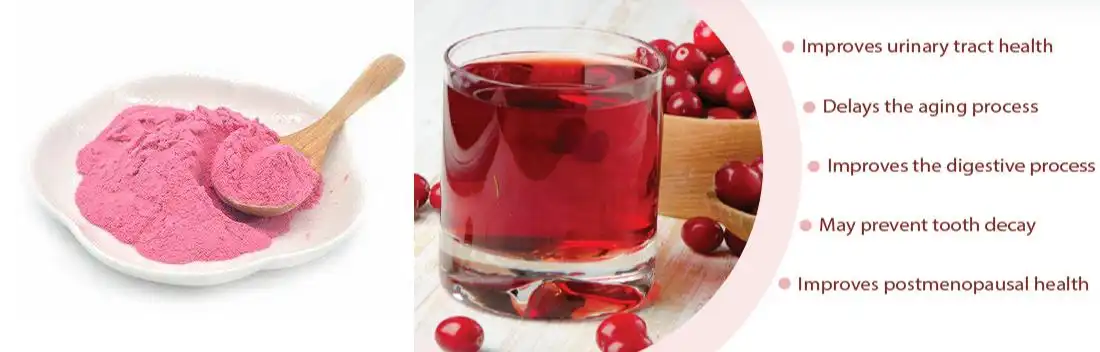
Understanding Cranberry Fruit Extract Powder
Botanical Origin and Extraction Methodology
Cranberry Fruit Extract Powder comes from the Vaccinium macrocarpon cranberry plant, which is grown mostly in wetland ecosystems in Wisconsin, Massachusetts, and some Canadian provinces. Solvent-based or water-based extraction methods are used in industry, and the powder is then spray-dried to make it purple-red. This method increases the amount of Type-A proanthocyanidins (PACs), flavonoids like quercetin and myricetin, and organic acids like quinic acid. In contrast to whole cranberry juice, the method of extraction gets rid of sugars and extra fibre while keeping the bioactive integrity. Modern chromatography methods make sure that the amount of proanthocyanidin is always between 1% and 30%, so it can be used in a wide range of formulations. The end result is a steady, free-flowing powder with less than 5% wetness. This keeps microbes from growing during storage and, under the right conditions, extends the shelf life to 24 months.
Bioactive Profile and Functional Properties
Cranberry Fruit Extract Powder is an antioxidant because it has a lot of polyphenols. This is shown by ORAC readings that are usually higher than 150 µmol TE/g. Type-A proanthocyanidins have special properties that make them less likely to stick to E. coli bacteria, stopping bacteria from colonising the epithelial walls of the urinary tract. Several clinical studies have shown that this process works, which is why cranberry is a well-known ingredient in urinary health products. The flavonoid content of the extract helps heart health by lowering oxidative stress and improving endothelial function, in addition to its use in the urinary system. Anthocyanins are natural colours that can be used to keep the colour of healthy drinks stable without using manufactured dyes. The powder can be used with acidic ingredients that are popular in sports nutrition and health drinks because its pH stability range is 3.0-4.5.
Safety Parameters and Regulatory Compliance
Most food supplements are taken in doses of 200 to 500 mg per day, which is equal to 36 to 72 mg of PACs based on standardised extracts. The results of toxicological tests show that Cranberry Fruit Extract Powder is very safe, with no major side effects seen at the suggested amounts. People who are taking warfarin, on the other hand, need to talk to a doctor because there are possible combinations that could affect the safety of anticoagulation. Lead levels of less than 1 part per million (ppm), arsenic levels of less than 0.5 ppm, and cadmium levels of less than 0.5 ppm are maintained by good providers. Microbiological requirements include a total plate count of less than 1,000 CFU/g, yeast or mould counts of less than 100 CFU/g, and the lack of bacteria such as Salmonella and E. coli. Certifications like ISO, USDA Organic, HALAL, and KOSHER make sure that products can be sold in controlled areas like North America, Europe, and the Middle East.
Comparing Cranberry Fruit Extract Powder with Alternative Ingredients
Extract Powder versus Juice Concentrate and Capsules
Cranberry Fruit Extract Powder has 10–50 times higher PAC amounts per gram than juice-based options because it is more concentrated. There are still sugars in juice concentrates (15–30% by weight), which makes it harder to make low-glycemic or ketogenic products. Because powders don't need to be refrigerated, they can be stored at room temperature for longer periods of time. This saves money on the supply chain. Encapsulated whole cranberry isn't very bioavailable because the plant's structures aren't fully broken down. On the other hand, extract powders have their particle sizes reduced to 60–80 mesh, which makes them easier for the body to dissolve in digestive fluids. Powder forms can be used directly in tableting, capsule filling, and beverage blending without needing any extra steps of processing. When figuring out active PAC delivery, cost analysis shows that extract powder gives better cost-per-dose economics than crude material weight.
Organic versus Conventional Sourcing
Organic cranberry extracts cost 30–50% more than regular ones, but they meet the growing demand for pesticide-free plants. According to market research, 42% of people in the U.S. who buy supplements actively look for organic certification on product labels. If you buy conventional extracts from reputable sellers who test for pesticide residues very carefully, they will still have the same PAC potency. Organic approval requires proof of a clear path from the farm to the finished product, which is appealing to companies that value openness in the supply chain. But harvest changes and shortages caused by bad weather are more likely to affect organic supply chains. Non-organic choices are more stable to buy because they come from well-established farming networks in North American growing areas. When choosing between organic and conventional specifications, procurement managers have to weigh the goals of brand positioning against the need to keep supplies coming in.
High-Potency versus Standard Extracts
Standard extracts (1–10% PACs) work well for applications that need mild antioxidant support or formulations that need to be cheap. High-potency variants (15–30% PACs) allow lower inclusion rates, which lower the number of capsules needed in supplement programs and keep formula costs low in high-end goods. Concentration levels have a direct effect on how efficiently products are made: extracts with higher potencies need smaller batch weights, which cuts down on mixing time and equipment wear. However, ultra-concentrated extracts may not flow as well, so anti-caking agents like silicon dioxide may be needed. Stability tests show that both levels of strength stay active for 24 months as long as they are kept away from moisture and UV light. The selection criteria should match the daily PAC intake goal (usually 36 mg for urinary health claims) and the amount of pill or tablet space that is available in the end product.
Procurement Options and Market Landscape
Identifying Reliable Suppliers and Manufacturers
Suppliers you can trust show a lot of paperwork, like Certificates of Analysis (CoA), reports from third-party tests, and allergen statements. Companies that have been around for a while keep their raw material sourcing integrated, making sure that quality is controlled from the time they buy the berries until they are extracted and dried. U.S. suppliers have logistical benefits, such as shorter lead times (7–14 days vs. 45–60 days from abroad) and easier customs processes. As part of the verification process, you should ask for batch-specific HPLC chromatograms that show the PAC content, as well as microbial test results and heavy metal screens. Supplier checks that look at manufacturing sites can tell you about cleanliness standards, how to calibrate equipment, and systems for tracking batches. References from current customers in the same industry as you confirm that the supplier is reliable and can provide technical support.
Wholesale Relationships versus Online Marketplaces
Direct wholesale relationships with makers let you make your own specs, such as adding your own label, changing the particle size, and changing the way the package is set up. Long-term supply agreements keep prices stable even when the prices of other commodities change, which can affect cranberry harvests. Wholesale outlets offer personalised account management, which speeds up access to technical questions and regulatory documents. Online business-to-business (B2B) sites make it easy to get samples and place small orders, but they don't give personalised formulation help. Relationship-based sourcing lowers the risk of counterfeiting that comes with shopping in open markets, where ingredients are sometimes mixed up or labelled incorrectly. Payment terms with known suppliers usually include net-30 or net-60 choices. This makes managing cash flow easier than the need to pay in advance, which is common in online transactions.
Pricing Dynamics and Budget Optimization
When you buy Cranberry Fruit Extract Powder in bulk, the unit economics change a lot. Usually, breaks happen at 25 kg, 100 kg, and 500 kg order numbers. Between small orders and pallet-level orders, volume discounts range from 15% to 30%. When compared to regular grades, organic prices cost an extra $45-75 per kilogram. During the North American harvest season (September–November), prices change with the seasons. Prices are lowest after the harvest, and they rise during the pre-season (June–August). Multi-year contracts with price caps protect against changes in the market and keep the supply going. When you figure out the total cost of ownership, you have to include costs like freight, customs taxes for foreign materials, storage, and quality testing that are on top of the price of the ingredients themselves.
Formulating with Cranberry Fruit Extract Powder: Best Practices and Use Cases
Dosage Guidelines and Mixing Protocols
The best inclusion rates rely on the format of the finished output and the PAC distribution goal. Most capsules have 300 to 500 mg of extract per dose, which equals 36 to 72 mg of PACs when taken twice a day. For beverage use, 200 to 400 mg per serving must be dissolved in acidic matrices (pH 3.0 to 4.0) to keep the substance stable and stop it from precipitating. When mixed ahead of time with hydrophilic carriers like maltodextrin or inulin at a 1:2 ratio, the powder mixes easily in cold water. When making tablets, grinding methods that use binding agents like microcrystalline cellulose and hydroxypropyl methylcellulose at 15-20% of the formula weight are helpful. To keep thermosensitive proanthocyanidins safe, hot handling should stay below 70°C. Cranberry Fruit Extract Powder should be added during the last stages of mixing to protect particles from pressure forces that could damage their structure.
Ingredient Compatibility and Stability Considerations
Cranberry Fruit Extract Powder and D-mannose work better together than when they are used alone, helping the urinary tract in ways that work together. Adding 50 to 100 mg of vitamin C per dose boosts the antioxidant action without changing the stability of the extract. Do not pair with alkaline buffers (pH >6.0), as they break down PAC structures and lower bioactivity. Mineral absorption may be lowered when iron salts combine with polyphenols. This interaction can be lessened by separating the minerals through enteric coating or sustained-release matrices. Using materials that keep moisture out, like aluminium foil laminates and HDPE boxes with desiccant sachets, to package food keeps it from hygroscopic caking during storage. Amber glass and other dark objects that block light help keep anthocyanin pigments and sensitive flavonoids from breaking down.
Real-World Applications Across Industry Sectors
Leading brands of bladder health supplements use Cranberry Fruit Extract Powder and probiotics (Lactobacillus rhamnosus) together in products that are good for women's health. Companies that make functional drinks mix the extract into sparkling water, using the natural colour and advertising around antioxidant promises. The extract is used in anti-aging serums at amounts of 1% to 3%. This is because it has qualities that protect dermal cells from oxidative stress by scavenging free radicals. To prevent recurring cystitis, European drug firms have made standardised cranberry capsules that are recognised by rules for traditional plant medical products. These uses show that the market is accepted by different types of regulators and customers, showing that the ingredients are flexible and can be used in business.
Making the Right Choice: Is Cranberry Fruit Extract Powder Ideal for Your Needs?
Evaluating Cost-Effectiveness and Supply Chain Reliability
Total value assessment looks at more than just the cost of the ingredients; it also looks at how well the product is made and how much profit it makes. Even though they cost more per kilogram, high-potency extracts make formulas simpler and lower the cost of making them. For a supply chain to be resilient, it needs to have two sourcing methods, with the main and secondary sources being in different parts of the world. Inventory management should keep enough on hand to cover 60 to 90 days of needs, taking into account the timing of harvests and the possibility of supply problems. Some signs of a supplier's financial security are the number of years they've been in business, their production capacity (at least 100 tonnes per year), and the number of different types of clients they have. Quality consistency measures that are watched across multiple runs (PAC content variation <5%, moisture stability) show that the formulation will work well in the long term.
Why Leading Brands Prefer Standardized Cranberry Extracts
The biggest supplement brands focus on standardised extracts because clinical studies that back up health claims use set PAC concentrations instead of whole fruit values. Standardisation makes it possible for labels to make accurate claims that meet FDA structure-function statement standards and other foreign rules. Standardised extracts are better than regular cranberry powders because consumers are more likely to believe products that have ingredients that are easy to recognise and are backed up by research. Brand differentiation strategies stress ingredient traceability, third-party testing certifications (NSF, USP Verified), and non-GMO verification more and more. These are qualities that are easier to prove with professionally made extracts. Because of these things, producers who care about quality tend to prefer extract pills in the market.
Strategic Sourcing for Innovation and Market Positioning
Unique extract specs, like solvent-free (water-extracted) processes that appeal to people who want to buy products with clean labels, or speciality certifications (Certified Organic, Fair Trade), can help a product stand out. Innovation pipelines benefit from relationships with suppliers that offer technical support, such as stability studies, methods for improving bioavailability, and help with regulatory paperwork. Getting suppliers involved early on in the development of a product speeds up the time it takes to market and lowers the risk of having to change the formula. Consumers who care about the environment respond well to stories about sustainable sourcing. Suppliers who show they care about the environment through partnerships with responsible farmers strengthen brand authenticity and market positioning.
Conclusion
For formulators who prioritise standardised bioactivity, regulatory compliance, and customer appeal, Cranberry Fruit Extract Powder represents a wise ingredient choice. The extract has been shown to improve the health of the urinary tract. It also has antioxidant properties and can be used in a variety of ways. This makes it useful in the nutrition, functional food, and skincare industries. Building partnerships with certified manufacturers that offer uniform quality, thorough documentation, and expert help throughout product development stages is key to successful procurement. When comparing cranberry extract to other ingredients, you should think about how to standardise the potency, how much each dose costs, and how well it fits with the tastes of your target customers. Strategic sourcing from trustworthy partners lowers supply chain risks and sets your brand up for long-term success in the market.
FAQ
1. What is the recommended dosage range for cranberry extract in supplements?
To keep your urinary tract healthy, clinical studies suggest taking between 36 and 72 mg of PACs every day. This is usually done by taking 300 to 500 mg of a standardised extract that contains 10 to 15 percent PACs. In clinical studies, higher amounts of up to 1,500 mg per day were shown to be safe and not cause any harm. Dosing may need to be changed for certain uses; check regulatory rules in target markets to see what health claims are allowed and what doses are needed.
2. Are there potential allergens or side effects associated with cranberry extract?
Most of the time, Cranberry Fruit Extract Powder is well tolerated and has few side effects. At high amounts, mild stomach pain happens very rarely. People who are allergic to plants in the Ericaceae family should be careful. The extract might make the effects of warfarin stronger, so people who are taking anticoagulation therapy need to be closely watched by a doctor. When products are made in special facilities with allergen control programs, good suppliers give detailed allergen statements that prove the products don't contain common allergens like gluten, soy, or dairy.
3. How can I verify supplier authenticity and ingredient quality?
Ask for all the paperwork, like Certificates of Analysis with test results unique to each batch, HPLC chromatograms proving PAC content, heavy metal screening, and microbe testing. Third-party approvals, like ISO, USDA Organic, HALAL, and KOSHER, show that quality systems are strong. When you can, check out the facilities of your suppliers and look at their equipment calibration records, cleaning validation protocols, and traceability systems. Checking with current customers for references can give you information about how reliable a supplier is and how good their technical support is.
Partner with Avans for Premium Cranberry Fruit Extract Powder Supply
Avans NutriHealth Co., Ltd. sells pharmaceutical-grade Cranberry Fruit Extract Powder that is standardised from 1% to 30% proanthocyanidins. It is made in factories that are ISO, USDA Organic, HACCP, FSSC22000, and HALAL-certified. Our purple-red fine powder comes from carefully chosen sources of Vaccinium macrocarpon that were extracted using our own special methods that keep the bioactive purity. We serve nutraceutical, pharmaceutical, and cosmetic companies that need reliable supply chains and consistent quality. Each year, we can make more than 1,000 tonnes of products, and we always have them in stock. Our expert team can help you with all aspects of formulation, provide data from stability tests, and create regulatory documents that will speed up the development of your product. As a top producer of Cranberry Fruit Extract Powder, we can meet your specific needs when it comes to minimum order quantities, private labelling, and cheap bulk pricing. You can email Lillian at Lillian@avansnutri.com to ask for samples, talk about unique requirements, or get full quotes. Avans blends high-quality manufacturing with personalised service. They set up your brand for market success by using only the best ingredients and providing committed partnership support.
References
1. McKay, D. L., & Blumberg, J. B. (2007). Cranberries (Vaccinium macrocarpon) and cardiovascular disease risk factors. Nutrition Reviews, 65(11), 490-502.
2. Howell, A. B., Reed, J. D., Krueger, C. G., Winterbottom, R., Cunningham, D. G., & Leahy, M. (2005). A-type cranberry proanthocyanidins and uropathogenic bacterial anti-adhesion activity. Phytochemistry, 66(18), 2281-2291.
3. Blumberg, J. B., Camesano, T. A., Cassidy, A., Kris-Etherton, P., Howell, A., Manach, C., & Ostertag, L. M. (2013). Cranberries and their bioactive constituents in human health. Advances in Nutrition, 4(6), 618-632.
4. Jepson, R. G., Williams, G., & Craig, J. C. (2012). Cranberries for preventing urinary tract infections. Cochrane Database of Systematic Reviews, Issue 10.
5. Neto, C. C. (2007). Cranberry and its phytochemicals: a review of in vitro anticancer studies. The Journal of Nutrition, 137(1), 186S-193S.
6. Pappas, E., & Schaich, K. M. (2009). Phytochemicals of cranberries and cranberry products: characterization, potential health effects, and processing stability. Critical Reviews in Food Science and Nutrition, 49(9), 741-781.