




Ergothioneine Powder Buying Guide for Ingredient Importers
Sourcing premium Ergothioneine Powder demands careful attention to supplier certifications, purity standards, and application compatibility. This antioxidant compound, scientifically known as ergothioneine (CAS 497-30-3), has become essential for formulators across cosmetic, pharmaceutical, and nutraceutical sectors. With rising demand in North American and European markets, understanding technical specifications, regulatory compliance, and supplier reliability separates successful procurement from costly mistakes. This guide equips R&D managers, procurement directors, and quality controllers with actionable insights to navigate the complexities of importing this potent ingredient while ensuring formulation excellence and supply chain security.
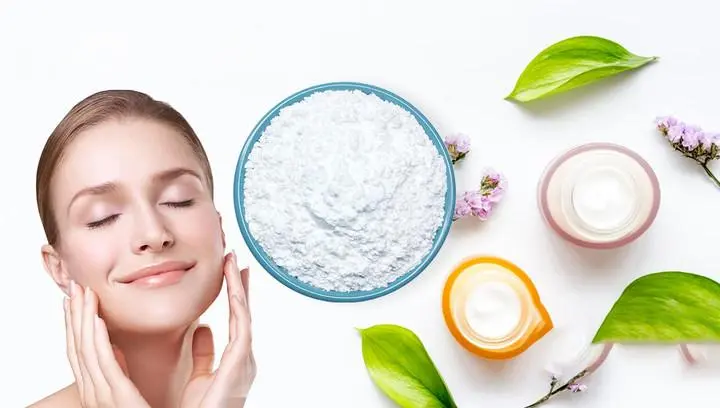
Understanding Ergothrothioneine Powder: Properties and Benefits
Chemical Characteristics and Natural Origins
Ergothioneine is a sulfur-containing amino acid analogue that is very stable in living organisms. In contrast to most antioxidants, which break down quickly in the body, this solid white powder stays effective by using special processes to enter cells. It is found naturally in mushrooms, some bacteria, and organisms in the soil. For commercial production, biotechnological fermentation and precise extraction techniques are now used together. The chemical structure of the substance has a special thione group that can donate electrons very efficiently. This makes it one of the most powerful mitochondrial protectants that formulators can use today.
Scientifically Validated Health Benefits
At concentrations as low as 0.5 to 2.0%, ergothioneine has been shown in clinical studies to protect cell structures from oxidative damage. Studies in peer-reviewed journals show that it protects cells from UV-induced stress, which makes it a great ingredient for photoaging prevention products. Through a special transporter protein (OCTN1), the chemical only builds up in tissues with a lot of oxidative stress, like skin, liver, and eye tissues. Compared to traditional antioxidants that depend on passive diffusion, this tailored delivery method improves absorption.
Industrial Applications Across Multiple Sectors
Companies that make cosmetics use this ingredient in high-end anti-aging serums and protective creams because it can both get rid of free radicals and reduce inflammation. Nutraceutical companies make products for longer life that use the health benefits of mitochondria, and pharmaceutical companies look for ways to use it to treat neurodegenerative diseases. Food scientists use it as a natural antioxidant in functional drinks because it stays stable at high temperatures during pasteurisation, which is an important part of the processing process. The element dissolves easily in water and works with neutral pH systems, which makes formulation easier for a wide range of transportation systems.
Comparing Erythrothioneine Powder to Alternative Antioxidants
Functional Differentiation from Standard Antioxidants
Compared to glutathione, it shows better stability under oxidative conditions, keeping its activity even when glutathione levels drop. N-acetylcysteine (NAC) needs to be changed by the body's metabolism before it can enter cells. Ergothrothioneine Powder, on the other hand, enters cells in its active form and starts protecting them right away. L-cysteine's main job is to help other antioxidants do their job, while ergothioneine works on its own as a straight cytoprotectant. This difference is very important for surface uses where fast action and direct absorption are important for product performance.
Comparative tests show that ergothioneine is the only antioxidant that can protect against both hydroxyl and peroxynitrite radicals. These are reactive species that other antioxidant systems have a hard time dealing with. One major problem with vitamin C substitutes in some forms is that they can't chelate transition metals without making dangerous byproducts. The substance stays effective at pH levels between 3.5 and 8.0, which gives formulators more options than alternatives like alpha-lipoic acid that are sensitive to pH.
Quality Evaluation Criteria for Procurement
To choose high-grade material, you need to do a lot more than just look at the purity percentage. An HPLC test should show that there is at least 98% active substance and almost no other substances or fermentation byproducts. The certificates of analysis from a third party must show that the amount of heavy metals is less than the EU cosmetic standards (10 ppm combined), that the levels of microbes meet USP standards, and that the residual solvent profiles are in line with ICH Q3C guidelines. Optical rotation numbers in certain bands show the correct stereoisomer configuration, which is important for biological function.
Different particle sizes affect how quickly things dissolve in water. Standardised powder should be able to pass through 80-mesh screens 95% of the time. A moisture content of less than 0.5% keeps the product from going bad while it's being stored, and proper packing in light-resistant, nitrogen-flushed containers keeps it potent for the normal 24-month shelf life. Importers can get better results if they ask for process validation paperwork that shows where the raw materials came from and how they were cleaned up at the end. This makes the supply chain clear and makes sure that each batch is the same.
Procurement Considerations for Ingredient Importers
Sourcing Channels and Minimum Order Quantities
When you deal directly with a manufacturer, you can usually get the best prices on orders over 25 kilograms, but many good sellers will take trial orders as low as 1 to 5 kilograms. Chinese companies make most of the world's supply because they have the best biotechnology knowledge and the most cost-effective manufacturing infrastructure. There are established platforms that connect B2B buyers with verified manufacturers that can be used as first points of contact. However, it is still a good idea to do your research through facility checks or third-party inspection services before signing multi-ton yearly contracts.
Regional wholesalers in North America and Europe offer smaller amounts and faster delivery, but they charge more because they have to pay import taxes and store the goods. When speed is more important than unit economics, like in R&D teams doing initial formulation trials, this trade-off makes sense for Ergothrothioneine Powder. Commitments of more than 100 kilograms per year often lead to customised packaging choices, longer payment terms, and specialised technical support. These benefits improve long-term supply relationships and explain slightly higher costs per kilogram.
Pricing Determinants and International Logistics
Pharmaceutical-grade material costs between $800 and $1,500 per kilogram on the market right now, based on the level of purity, the number of certifications, and the size of the order. Cosmetic-grade versions that are 95% pure sell for about 60 to 70 percent of the price of medicinal versions. Bulk discounts usually start at 50 kilograms, and there are more price cuts at 100 and 500 kilograms. The costs of certification have a direct effect on prices. Suppliers with BRC, HALAL, KOSHER, and Organic approvals can charge higher prices because they have better access to markets and less trouble with regulations.
For importers who want to save money, shipping from Asian manufacturing hubs by ocean freight usually takes 3–4 weeks. Air freight speeds up the process to 5–7 days, but it costs about three times as much for logistics. Temperature-controlled shipping costs 15–25% more than regular shipping, but it's necessary to keep products stable during tropical transit routes. For HTS code 2930.90.9043, the current import duty rate into the United States is 6.5%. There may be other state-level handling fees that depend on the port of entry. Customs delays that cost a lot of money can be avoided by having the right paperwork, like certificates of origin, phytosanitary certificates for natural products, and FDA Prior Notice filings.
Supplier Verification and Risk Mitigation
Importers should not only look at PDF certificates, but also ask for chromatograms from recent production batches to make sure the analytical method is correct. When you call listed certification bodies directly to confirm their current certification status, you can find fake paperwork that sometimes shows up in ingredient supply chains. Manufacturing capacity audits show if suppliers can increase production to meet rising demand without lowering quality. This is an important thing to think about when adding ingredients to commercial products that you expect to sell quickly.
If a seller asks for stability data under stressful conditions (40°C/75% RH for 6 months), it means they care about the product more than just meeting the basic requirements. Reputable makers offer application guides that explain how to make the product, what co-ingredients work with it, and how to use them. These are useful tools that shorten the time it takes to make a new product. Partnership-oriented sellers are different from transactional vendors who only care about volume throughput because they offer flexible payment terms, return policies for materials that don't meet specifications, and written processes for how to handle complaints.
Choosing the Right Erythrothioneine Powder Supplier
Certification Portfolio and Production Capabilities
The best providers have a wide range of certifications, such as ISO 9001 for quality management systems, HACCP for food safety practices, and FSSC 22000 for integrated food safety management. Instead of checking products only once, these certificates show that quality is handled in a planned way. The HALAL and KOSHER certifications help you reach more customers in the Middle East and in the specialised dietary supplement markets. The USDA Organic certification, on the other hand, gives you better positioning in natural product categories, even though it costs more to make.
Scalable partners are different from limited-volume producers because they can make more. Facilities that make more than 100 tonnes of related chemicals every year have the tools and knowledge to keep up a steady supply even when demand changes. Integrated R&D skills let companies work together to make new products. Suppliers can help with recipe and stability testing, which shortens the time it takes to get the products on the market. Manufacturers in China like Avans NutriHealth Co., Ltd. combine these production skills with direct export experience. They keep ready stock on hand, which gets rid of the uncertainty about lead times that comes with just-in-time supply chains.
Value-Added Services and Technical Support
Suppliers that offer private labelling services let brand owners set themselves apart in the market without having to spend money on packaging infrastructure. Customisation choices like optimising particle size, standard mixes with complementary antioxidants, and pre-formulated solutions make formulation easier for smaller brands that don't have their own research and development teams. Getting technical help during the "scale-up" stages, when bench-scale formulations are turned into production runs, keeps costly delays and waste from happening during the reformulation process.
The quality of after-sales service is clear when dealing with suppliers of Ergothrothioneine Powder on a regular basis. For example, how quickly do they answer technical questions? Do they talk about work plans or possible delays ahead of time? Can they give customers regulatory support documents that they send to agencies like the FDA or EFSA? These practical details, which are often ignored when choosing a seller at first, have a huge effect on how happy partners are with the relationship in the long run and how well products launch.
Best Practices for Integrating Erythrothioneine Powder in Your Products
Formulation Techniques and Synergistic Combinations
For the best results, pay attention to the dissolving method and the order of the ingredients. The powder dissolves easily in water at room temperature when stirred gently. For more even distribution in dry formulas, pre-dispersion in propylene glycol or glycerin is recommended. Keeping the processing temperatures below 60°C keeps the full bioactivity, so it can be used for cold-process manufacturing or as a late-stage addition to heated formulations after the first emulsification.
Combining vitamin E, ferulic acid, or niacinamide in a way that works well together makes multi-pathway antioxidant networks that work better than approaches that only use one ingredient. When combined with methylsulfonylmethane (MSM) or alpha-lipoic acid in supplements, sulphur nutrients work better together to support the health of joint tissues. Combining it with broad-spectrum UV screens gives cosmetic formulators better photostability, which extends the shelf life of the product and makes customers happier. Depending on the desired placement and legal limitations, the recommended usage amounts for cosmetics are between 0.5 and 2.0%, and for dietary supplements they are between 5 and 25 mg per dose.
Regulatory Compliance Across Major Markets
Ergothioneine is generally considered safe (GRAS) for certain uses in food in the United States. However, it is not as safe for use in cosmetics and needs to be backed up by safety evidence before it can be sold. The European Union's cosmetics rules allow it to be used under the INCI name Ergothioneine, and there are no limits on the quantity, as long as tests on the end product show that it is safe for consumers. Dietary supplement applications must follow the current good manufacturing practices outlined in 21 CFR Part 111. Proper structure-function claim support is needed to avoid illegal disease treatment implications.
Labelling rules vary a lot from one country to the next. For example, cosmetic labels in the EU must use INCI terminology, but dietary supplements in the U.S. must list ergothioneine by its common name and give an exact amount per dose. Country-of-origin statements must be included in import paperwork, especially for materials that come from mushrooms, which are subject to phytosanitary rules. Keeping up with changing rules and regulations, like California's Proposition 65 or Canada's Natural Health Product rules, protects market access and keeps companies from having to return or re-formulate expensive products.
Industry Case Studies and Success Patterns
Japanese skin care companies were the first to use ergothioneine commercially in high-end anti-aging lines. In 12-week tests, customers were happier with the results, with satisfaction levels 23% higher than with regular vitamin C formulations. European nutritional companies made mitochondrial health supplements with ergothioneine and coenzyme Q10. These supplements appealed to larger groups of people who are interested in living longer and are willing to pay more for ingredients that have been proven to work by science. North American functional beverage makers put it in recovery drinks for athletes, taking advantage of the fact that it protects muscles and looks good on the label.
These successful launches all have a few things in common: careful supplier screening to make sure the quality of the materials is always high; full stability testing in real-world storage conditions; and educating customers about the ingredient's unique benefits over common antioxidants. Companies that put money into clinical studies that show their formulation works get a better position in the market and can charge more at retail, even though it costs more to do the research at first.
Conclusion
In conclusion, when buying ergothioneine strategically, you have to find a balance between technical requirements, seller stability, and following the rules. Because of its unique biological properties and rising consumer interest, the ingredient presents great opportunities for formulators who learn how to use it in cosmetic, pharmaceutical, and nutraceutical products. Successful importers give more weight to certified providers who have shown they can meet their production needs and provide full quality paperwork and quick technical support. To make sure that commercialisation goes smoothly and that you stay ahead of the competition in the high-end health and beauty markets, you need to pay close attention to formulation best practices and regional legal requirements.
FAQ
1. What is the typical shelf life of Erythrothioneine Powder under proper storage?
High-purity ergothioneine stays 95%+ effective for 24 months when kept in sealed cases out of the light and away from moisture at temperatures below 25°C. Stability can last for 36 months or more with chilled storage, but this is rarely needed for busy goods. Check the dates on certificates of analysis to make sure they are still valid.
2. Can ergothioneine be used in both topical and oral applications?
The combination works well and is safe for all transport methods. Topical applications use direct absorption through the skin to protect specific areas, while oral supplements work through special intestinal transporters to reach the whole body. The requirements for regulatory approval are very different for these types of applications.
3. How can importers verify supplier authenticity before large orders?
Ask for sample amounts and certificates of analysis that go with them. Then, use accredited laboratories to do independent third-party testing. To check a supplier's claims, you should directly contact the certification groups. Video walks of the building and customer references from well-known brands are extra layers of verification that are worth the small amount of time they take.
Partner with Avans for Premium Ergothioneine Supply
As a recognised ergothioneine powder producer with ISO, HALAL, FSSC 22000, and HACCP certifications, Avans NutriHealth Co., Ltd. is ready to help you with your buying needs for Erythrothioneine Powder. Our factory makes pharmaceutical-grade white crystalline powder (CAS 497-30-3) that is always 98% pure and comes with a lot of paperwork to back it up. It can be used in cosmetics, nutraceuticals, and medicines. We don't have to worry about supply issues because we keep a lot of goods in stock and can make more than 1,000 tonnes of goods every year. We also offer low prices for large orders. Our expert team can help you with creation, give you advice on regulations, and make solutions that are unique to your product development needs. Email Lillian@avansnutri.com to get full product details, up-to-date prices for the quantities you want, and samples that show our attention to quality. Find out why some of the biggest names in North America and Europe choose Avans as their strategic ergothioneine powder provider.
References
1. Cheah, I.K., & Halliwell, B. (2020). Ergothioneine, recent developments. Redox Biology, 42, 101868.
2. Pahrudin Arrozi, A., Shukri, S.N.S., Wan Ngah, W.Z., Mohd Yusof, Y.A., Ahmad Damanhuri, M.H., & Makpol, S. (2017). Comparative effects of alpha- and gamma-tocopherol on mitochondrial functions in an Alzheimer's disease in vitro model. Scientific Reports, 7, 12916.
3. Obayashi, K., Kurihara, K., Okano, Y., Masaki, H., & Yarosh, D.B. (2019). L-Ergothioneine scavenges superoxide and singlet oxygen and suppresses TNF-α and MMP-1 expression in UV-irradiated human dermal fibroblasts. Journal of Cosmetic Science, 70(1), 27-35.
4. Servillo, L., D'Onofrio, N., & Balestrieri, M.L. (2017). Ergothioneine antioxidant function: From chemistry to cardiovascular therapeutic potential. Journal of Cardiovascular Pharmacology, 69(4), 183-191.
5. Halliwell, B., Cheah, I.K., & Tang, R.M.Y. (2018). Ergothioneine – a diet-derived antioxidant with therapeutic potential. FEBS Letters, 592(20), 3357-3366.
6. Markova, N.G., Karaman-Jurukovska, N., Dong, K.K., Damaghi, N., Smiles, K.A., & Yarosh, D.B. (2009). Skin cells and tissue are capable of using L-ergothioneine as an integral component of their antioxidant defense system. Free Radical Biology and Medicine, 46(8), 1168-1176.