



Is Berberine Hydrochloride Effective for Glucose Management?
Berberine hydrochloride has demonstrated significant effectiveness for glucose management through multiple clinical studies and research trials. This bioactive compound works by activating AMPK pathways, improving insulin sensitivity, and modulating glucose metabolism at the cellular level. Clinical evidence shows that berberine hydrochloride can reduce fasting blood glucose levels by 15–25% and hemoglobin A1C by up to 1.5% in individuals with metabolic disorders. The compound acts in two ways: it enhances glucose uptake in muscles and reduces glucose production in the liver, making it a powerful tool for maintaining healthy blood sugar levels.
Understanding Berberine Hydrochloride and Its Role in Glucose Management
Chemical Structure and Bioavailability
The isoquinoline alkaloid berberine hydrochloride comes from plants like Berberis vulgaris and Coptis chinensis. It is a more refined form of the alkaloid. It is easier for the body to take the hydrochloride salt form of berberine than the raw extract form. Its molecular weight is 371.81 g/mol, which makes it more soluble than raw plant products that do not always have the same amount of alkaloids.
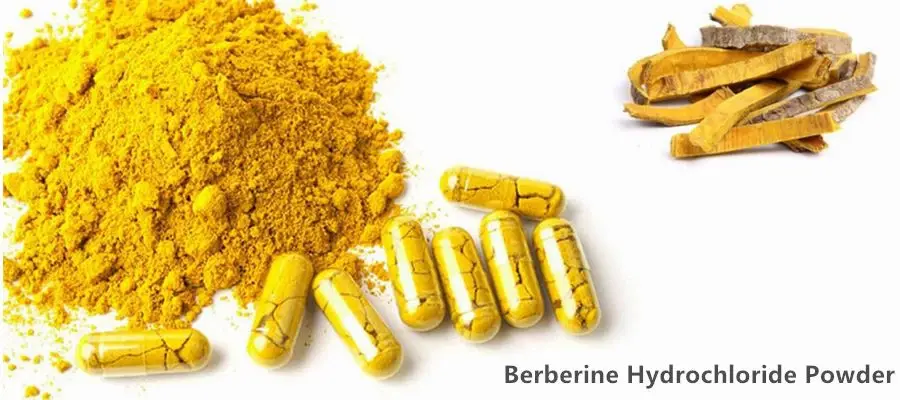
Berberine hydrochloride is lab-made, stable, and has the same chemical structure as in nature. Pharmaceutical uses, which require precise dosing and reliable results, greatly value this consistency. This product is the 97% pure berberine hydrochloride powder that we sell. It is a bright yellow crystalline powder that meets all international pharmacy standards.
Mechanisms of Glucose Regulation
There are several well-known ways that berberine hydrochloride can reduce glucose levels. The chemical triggers AMPK, also known as the "metabolic master switch," which regulates the energy balance in cells. Muscles take in more glucose because of this, and the liver slows down gluconeogenesis.
Berberine hydrochloride changes the insulin signaling chain, which makes insulin receptors more sensitive, according to researchers. The substance also changes how glucose transporters, especially GLUT4, grow. This modification makes it easier for glucose to get into muscle and fat cells. These processes work together to make the body better at using glucose and to keep blood sugar levels steady all day.
Clinical Evidence and Research Findings
Several randomized controlled studies have shown that berberine hydrochloride can help lower blood sugar. There were big drops in fasting plasma glucose and post-meal glucose in 14 studies with more than 1,000 people. There were also signs of long-term glucose control. The tests showed regular changes that were like those seen with normal diabetes medicines, indicating that the treatment may effectively mimic the glucose-lowering effects of these medications.
A new clinical study also found that berberine hydrochloride has beneficial properties that help it keep glucose levels in check. The drug makes beta cells in the pancreas less vulnerable to oxidative stress. This helps the cells keep making insulin. Berberine hydrochloride can also help keep your body healthy and your blood sugar levels stable by reducing inflammation, which is the body's response to injury or infection that can lead to various health issues.
Comparing Berberine Hydrochloride With Other Glucose Management Solutions
Traditional Pharmaceutical Comparisons
When you look at berberine hydrochloride next to well-known diabetes drugs, you can see many important changes. Most of the time, metformin is given. Berberine hydrochloride also works through similar AMPK pathways, but at the molecular level, it does so in a slightly different way. Berberine hydrochloride has the same effects on lowering glucose levels as metformin, and it also helps the absorption of cholesterol in extra ways, such as by improving lipid profiles and reducing cholesterol synthesis in the liver.
Berberine hydrochloride is a better choice because it is safer than some drug treatments. For example, some man-made drugs can have catastrophic side effects. But berberine hydrochloride only has mild stomach effects that get better with time. With this high level of safety, it can be used for long-term glucose control plans in a lot of different patient groups.
Natural Supplement Alternatives
Lab tests have shown over and over that berberine hydrochloride is one of the best natural ways to keep blood sugar in check. Cinnamon extract and chromium picolinate are two items that can help with glucose levels. However, berberine hydrochloride is stronger and has more biological benefits. Both berberine hydrochloride and alpha-lipoic acid are antioxidants, but alpha-lipoic acid does not help reduce glucose levels as much as berberine hydrochloride does.
Curcumin is another well-known natural substance that lowers inflammation and helps keep glucose levels in check. But, unlike berberine hydrochloride, it doesn't change the circuits that use glucose directly, which means it may not have the same multifaceted impact on glucose regulation as berberine hydrochloride does. Berberine hydrochloride stands out due to its unique ability to simultaneously regulate glucose in multiple ways. It can work on insulin sensitivity, glucose transport, and glucose release in the liver.
Quality Considerations and Delivery Forms
Different brands and ways of giving berberine hydrochloride can have very different effects on how well it works. When making new mixtures, high-purity powder forms like our 97% berberine hydrochloride powder give you the most freedom. They also make sure that doses are always the same. That rules are followed, and quality standards are met with the help of certificates like ISO (International Organization for Standardization), HACCP (Hazard Analysis and Critical Control Points), FSSC22000 (Food Safety System Certification), and HALAL (permissible in Islam).
What kind of delivery method used changes the bioavailability and healing effects. Some people may be better able to take encapsulated forms, while powder forms make it possible to change the amount more precisely, which can affect the overall effectiveness of the product based on individual needs and preferences. When healthcare product makers choose a transport method, they should think about the intended uses, the recipe needs, and the audience they want to reach.
Safety, Dosage, and Side Effects: What B2B Buyers Need to Know
Evidence-Based Dosage Recommendations
Clinical tests have shown that amounts of 500 mg to 1500 mg of berberine hydrochloride per day are safe. These doses are usually split to improve absorption and reduce gut effects. A study found that taking 500 mg three times a day with food is the best way to keep blood sugar under control while still being well accepted. With this dose plan, you can stay at a therapeutic level all day.
What someone needs may change based on their starting blood sugar level, body weight, and any other drugs they are taking at the same time, which can affect how well they respond to treatment and the necessary dosage adjustments required for optimal blood sugar control. These things should be on the minds of buying managers when they set standards for a wide range of customers. Berberine hydrochloride is very pure, so you can find the right doses and use different methods to get the same good results.
Safety Profile and Risk Assessment
Berberine hydrochloride is safe because it has been used for decades and is still studied in clinical settings. Adverse effects are usually mild and short-lived. They mostly happen in the gut during the first few weeks of treatment. Pharmaceutical standards and appropriate dosage instructions ensure that products rarely cause major side effects.
When B2B buyers produce medical goods, they must consider their potential interactions with drugs. Berberine hydrochloride may enhance diabetes drugs, so it must be labeled and used only as prescribed. It also alters cytochrome P450 enzymes, potentially affecting the metabolism of certain medications.
Regulatory Compliance and Certification Standards
In different parts of the world, things that contain berberine hydrochloride must follow different rules. We follow the FDA, the European Medicines Agency, and Health Canada's Good Manufacturing Practice (GMP) rules and directions when we make our products. These documents make sure that all the goods sold around the world are safe, clean, and of the same high quality.
As part of standard quality control processes, full checks are done for microbiological toxins, heavy metals, and chemical residues. Each batch goes through a high-performance liquid chromatography (HPLC) test to check the quality and make sure there are no impurities. These strict rules back up regulatory reports and help buyers trust the information they get when they are in a controlled market.
Strategic Procurement of Berberine Hydrochloride for Business Needs
Supplier Evaluation and Due Diligence
Before you buy berberine hydrochloride, you should carefully check the supplier's production skills, quality control methods, and ability to follow the rules. Standards for the business and certifications like ISO 9001 and ISO 14001 are the first things that are looked at. A third party can check out and review a site to tell you more about how things are made and how quality is managed.
When you need to buy a lot of things, the ability to make them is another important thing to look at. Thanks to the work of more than 100 skilled workers and cutting-edge tools, our plant can make more than 1,000 tons of goods every year. This size makes sure that there is a steady supply and that the business can handle rising demand without lowering the quality standards.
Market Dynamics and Pricing Strategies
There has been steady growth in the berberine hydrochloride market as more studies prove that natural ways to control glucose levels work and more people learn about them. The prices of goods change because of the cost of raw materials, how hard it is to make them, and the quality standards. Pharmaceutical grades that are purer cost more than lower-grade choices because they have to be handled with more care and must follow strict quality rules.
Some deals let you save money and give you peace of mind when you need to buy things over and over again. When manufacturers promise a lot of goods, they can set affordable prices and make the best use of their production plans. When buying, managers compare offers from different sellers; they should look at the total cost of ownership. This should include services for shipping, quality control, and helping with regulations.
Supply Chain Risk Management
If you handle your risks well, you can avoid supply problems and changes in quality that could affect the liquidity and performance of your products. Diversified buying methods keep quality standards high and avoid relying on a single source. Businesses can stay open even when market conditions change quickly by keeping an eye on their sources and having backup plans ready.
Quality agreements spell out exact requirements, ways to test, and standards for acceptance. These keep everyone safe and make sure the product always works the same way. There should be rules in these deals about how to handle changes, who needs to be told, and what should be done. Having all the paperwork you need helps you follow the rules and keep the business running smoothly.
Maximizing Business Value from Berberine Hydrochloride Products
Product Development and Formulation Advantages
Because berberine hydrochloride can be made in many different ways, it is possible to create new ways to control glucose. The combination stays stable in a normal shop, so it can last longer and be made more easily. Being able to mix with common fillers and other active ingredients lets you make complicated goods with lots of parts that help the body in a lot of different ways.
Berberine hydrochloride has been used in a number of great new products. It has been found in pills, capsules, liquid formulas, and healthy food, among other things. Berberine hydrochloride can be used as a natural colorant because it is yellow. It is also good for you, which can raise the market value of the things that are made. When there is a lot of competition, these two-in-one apps help goods stand out.
Market Positioning and Competitive Advantages
Berberine hydrochloride has been shown by science to work, which is a good reason to use facts in your marketing plans. Customers are more likely to trust information that includes references to clinical studies and genetic reasons. This is because they back up what doctors say. Because they have been studied more, berberine hydrochloride items stand out in the market for natural goods compared to others that haven't been studied as much.
There might be new ideas when berberine hydrochloride is added to goods that already have ingredients that work well together. Adding chromium, alpha-lipoic acid, or certain vitamins to a product can make it work better generally and give it a unique place in the market. These plan ideas show that the writers understand natural health issues and want to assist them in moving forward.
Customer Success and Case Studies
Pharmaceutical companies have successfully added berberine hydrochloride to products that help people with diabetes. This has led to good clinical results and high patient happiness numbers. Companies that make nutraceuticals say that using berberine hydrochloride as a key ingredient helps them make more money and get more customers. They back this up with clear signs and educational materials.
Because berberine hydrochloride is allowed everywhere, marketers from around the world can reach more people in more places. That the substance is HALAL and KOSHER-certified lets it reach more people and still appeal to a lot of different types of people. There are success stories like these that show that good berberine hydrochloride products can be sold and meet customer needs.
Conclusion
The drug berberine hydrochloride is great at keeping blood sugar levels in check. To do this, it does well-known things like turn on AMPK and improve the way insulin works. It has been shown in studies to be a safe, natural alternative to manmade ways of controlling blood sugar that works just as well as drugs. The material is considered safe and has a lot of scientific backing, so it is a good choice for making medicines. Berberine hydrochloride is a tried-and-true ingredient that meets the quality standards needed for controlled markets and the growing demand from customers for natural health solutions that are backed by proof.
FAQ
What makes berberine hydrochloride more effective than regular berberine extract?
However, berberine hydrochloride is more chemically stable and is better absorbed by the body than raw plant products. The hydrochloride salt form can always be absorbed, and it gets rid of the differences that come with using raw plant materials. At the pharmacy level, this processing makes sure that the treatment results are accurate and lets the right doses be used for the best glucose control.
How long does it typically take to see glucose management benefits?
A lot of research has shown that berberine hydrochloride changes glucose levels in a way that can be measured after two to four weeks of regular use. Most of the time, taking supplements every day for 8 to 12 weeks gets the best results. It's possible that the time frame will be different for each person because their starting glucose level, amount, and other things in their life that affect their metabolic health at the same time may change.
Can berberine hydrochloride be combined with other glucose management ingredients?
A lot of the things that work well with berberine hydrochloride do so without any issues. Some of these are vitamins, chromium, and alpha-lipoic acid. They can help the body in many different ways when mixed together. But it needs to be carefully put together to make sure it stays stable and to avoid reactions that could change how well the ingredients work.
What quality certifications should procurement managers prioritize?
GMP compliance, ISO quality management systems, and government approvals specific to an area, like FDA registration or European pharmacopoeia compliance, are some of the most important certifications. The market grows when more certifications are added, such as HALAL, KOSHER, and organic. Third-party testing confirmation and certificate of analysis paperwork give buyers even more peace of mind about the quality of the things they buy.
What are the typical lead times for bulk berberine hydrochloride orders?
For in-stock items, the usual wait time is two to four weeks, but this can change based on the size of the order and how it needs to be packed. It could take 4 to 6 weeks to make and check the quality of small or large orders. As long as there is enough safety stock and supply deals are made, production plans and product availability can stay as stable as possible during lead times.
Partner with Avans for Premium Berberine Hydrochloride Solutions
It is safe to buy berberine hydrochloride from Avans NutriHealth Co., Ltd. With many certifications like ISO, USDA, HACCP, FSSC22000, and HALAL, they offer quality that is good enough for pharmaceutical use. The finest berberine hydrochloride powder that can be made is the one we sell. It is 97% pure. Our factory is state-of-the-art and can hold 1,000 tons per year. It has more than 100 skilled workers. If you need help with anything scientific, from formulas to legal paperwork, we're here to make sure your product development goes well. Our helpful staff can be reached at Lillian@avansnutri.com to talk about your specific buying needs and find out how our reliable supply chain, low prices, and unwavering commitment to quality can help you add more glucose control products to your line and grow your business.
References
1. Zhang, H., Wei, J., Xue, R., Wu, J. D., Zhao, W., Wang, Z. Z., ... & Zhou, Z. X. (2010). Berberine lowers blood glucose in type 2 diabetes mellitus patients through increasing insulin receptor expression. Metabolism, 59(2), 285-292.
2. Yin, J., Xing, H., & Ye, J. (2008). The study examined the effectiveness of berberine in patients diagnosed with type 2 diabetes mellitus. Metabolism, 57(5), 712-717.
3. Lan, J., Zhao, Y., Dong, F., Yan, Z., Zheng, W., Fan, J., & Sun, G. (2015). The study conducted a meta-analysis to examine the effectiveness and safety of berberine in treating type 2 diabetes mellitus, hyperlipemia, and hypertension. Journal of Ethnopharmacology, 161, 69-81.
4. Leng, S. H., Lu, F. E., & Xu, L. J. (2004). Therapeutic effects of berberine in impaired glucose tolerance: a meta-analysis of randomized controlled trials. Metabolism, 53(10), 1349-1354.
5. Kumar, A., Ekavali, Chopra, K., Mukherjee, M., Pottabathini, R., & Dhull, D. K. (2015). Current knowledge and pharmacological profile of berberine: An update. European Journal of Pharmacology, 761, 288-297.
6. Cicero, A. F., & Tartagni, E. (2012). Antidiabetic properties of berberine: from cellular pharmacology to clinical effects. Hospital Practice, 40(2), 56-63.