



Can Berberine HCl Reduce Oxidative Stress in Macrophages?
Research indicates that Berberine HCl demonstrates significant potential in reducing oxidative stress within macrophages through multiple molecular pathways. This bioactive alkaloid compound effectively modulates cellular antioxidant defenses while suppressing pro-inflammatory mediators, making it increasingly valuable for pharmaceutical and nutraceutical applications. Studies reveal that berberine hydrochloride activates AMP-activated protein kinase (AMPK) pathways and inhibits nuclear factor kappa B (NF-κB) signaling, resulting in enhanced macrophage resilience against oxidative damage and improved immune cell function.
Introduction
Researchers have found that Berberine HCl can lower oxidative stress in macrophages in a number of different chemical ways. This bioactive alkaloid molecule changes the antioxidant defenses of cells and stops chemicals that cause inflammation from doing their job. This makes it better for use in medicine and nutrition. AMPK pathways are turned on by berberine hydrochloride, while NF-κB signaling is turned off. This makes defense cells work better and makes macrophages less likely to get damaged by reactive stress.
Berberine HCl is a new chemical that is changing the nutritional and medicinal fields. It's getting a lot of attention for how well it manages reactive stress through bioactivity. These four types of ammonium salt are found in Phellodendron amurense and Coptis chinensis, among other plants. It does a great job of changing the way macrophages work. These are important defense cells that keep inflammation and harmful damage in check.
People who buy from producers, resellers, and original equipment makers (OEMs) know how important it is to add berberine hydrochloride to their product lines because it has been shown to work in clinical trials. The controlled strength of the substance, which is usually higher than 97% purity through HPLC analysis, solves big problems in the business world that come up with plant extracts that don't work right and aren't bioavailable.
It is very important for buying teams that want to make competitive health products to understand the complicated link between this isoquinoline alkaloid and how macrophage cells work. The substance is very steady and has been shown to make immune cells stronger. This makes it a favorite ingredient for markets around the world that demand strict adherence to rules and treatment efficacy.
Understanding Oxidative Stress in Macrophages
The Biological Foundation of Oxidative Damage
Oxidative stress happens when cells make more reactive oxygen species (ROS) than their antioxidant defense systems can handle. This leads to a damaging imbalance that mostly affects how macrophages work. These immune cells keep the body safe from germs, start the healing process for tissues, and control inflammation all over the body. Reactive stress makes monocytes weaker, which makes the immune system more likely to break down and cause inflammation that lasts for a long time.
Macrophages make ROS as one of their antibacterial tools. Any viruses that get into the body are killed by these molecules. But too many ROS hurt parts of cells like DNA, lipids, and proteins. This makes it harder for macrophages to do their important job of protecting cells. Over time, this oxidative damage can cause a lot of different illnesses, ranging from brain diseases to heart diseases.
Clinical Implications for Product Development
To improve treatment, controlling oxidative stress in macrophages is important for more reasons than just learning about how cells work. This also makes it possible for new ways to formulate things. Businesses that sell items that boost the immune system should think about how reaction damage impacts customers' health and the claims that the items work. Chronic reactive stress in macrophages speeds up the aging process, increases the risk of getting sick, and slows down the healing process after being sick or hurt.
When buying, experts understand these biological processes; they can find high-value goods that treat health problems at their roots instead of just covering up their symptoms. There is a lot of competition in the market, but goods that target macrophage oxidative stress can stand out because they have been shown to improve the immune system and make people live longer.
The Mechanism of Action: How Berberine HCl Interacts with Macrophages
AMPK Activation and Metabolic Regulation
The antioxidative effects of Berberine HCl happen in the AMP-activated protein kinase (AMPK) pathway, which is a cellular energy sensor that manages metabolic balance and stress response. When macrophages are exposed to oxidative stress, berberine hydrochloride turns on AMPK. This starts protective processes that make cells stronger and lower the production of chemicals that cause inflammation. These changes make macrophages' metabolism go from ones that make inflammation happen to ones that stop it. This helps tissues heal and keeps the immune system in balance.
The compound's unique chemical structure makes it easy for cells to take it in through organic cation transporters. This makes sure that specific tissues can fully use it. It is more stable and dissolves better in water than berberine sulfate forms. This is important for making sure that the medicinal effects stay the same in finished products.
NF-κB Pathway Suppression and Anti-inflammatory Activity
When there is reactive stress, nuclear factor kappa B (NF-κB), which is a key signaling pathway for inflammation, works too much. It works! Berberine HCl stops NF-κB from going to the nucleus. Genes that cause inflammation, such as iNOS, TNF-α, and IL-1β, are stopped from being made. This targeted decrease lowers the production of inflammation substances while keeping the immune system's important jobs running smoothly.
Superoxide dismutase (SOD), catalase, and glutathione peroxidase are some of the antioxidant enzymes that work better when this material is present. This makes cells better able to handle reaction stresses in the future. Because berberine hydrochloride lowers inflammation and increases the body's antioxidant defenses, it is more than just a one-target treatment for improving macrophages.
Comparative Advantages Over Alternative Compounds
Due to its better bioavailability and strength than other berberine salt types, Berberine HCl is the best choice for pharmaceutical-grade applications. The hydrochloride form dissolves and is taken better in water, which means that higher plasma concentrations and more stable medicinal effects happen. Because of these traits, it is easy to make the product, and doses can be predicted more accurately.
One example is that stable tests for berberine hydrochloride show that it works even when the outside factors change, like when the temperature and humidity change during production and storage. This benefit of steadiness cuts down on waste, extends the shelf life, and makes sure that the quality of the product stays the same all the way through the distribution chain.
Scientific Evidence and Clinical Studies Supporting Berberine HCl's Efficacy
Preclinical Research Validation
A great deal of lab work has shown that berberine hydrochloride can lower the signs of oxidative stress in macrophage cell types. A lot less malondialdehyde, lipid peroxidation products, and reactive oxygen species are found after berberine treatment, according to studies that have been published in respected journals. When oxidative stress is present, these changes in molecules help more cells stay alive and keep the defense system working the same.
Berberine pills keep cells from dying in models of long-term inflammation and metabolic stress, which is even more proof of these results from studies done on animals. Mice that were given berberine hydrochloride had better immune reactions, lower levels of inflammation markers, and a higher ability to handle oxidative damage compared to mice that were not given it.
Human Clinical Trial Data
There are tests on people that show berberine can be used as a medicine to boost the immune system and lower harmful stress. Researchers who looked at inflammatory biomarkers in people who took berberine pills found changes in oxidative stress signs that were statistically significant. For example, the levels of C-reactive protein, a marker of inflammation, went down, and the levels of antioxidant enzyme activity, which helps combat oxidative stress, went up.
Comparative efficiency studies have found that berberine hydrochloride works better than most prescription meds. For instance, studies have shown that it is similar to metformin in some biochemical tests but is better tolerated. These results support berberine's use as a medicine on its own and as a substance that works well with others when mixed together.
Quality Standards and Regulatory Compliance
It is very important for the quality of the raw materials that a product works well, so B2B clients need to have sources that are GMP-approved and pharmaceutical-grade. People who use high-purity Berberine HCl (with test values of 97%) get consistent treatment results and are less likely to have side effects from flaws or contaminants.
Third-party testing methods make sure that the product is pure, functional, and can be identified. They also make sure that it does not contain any heavy metals, herbicide residues, or microbes. In many foreign markets, like the US (where the FDA is in charge) and Europe (where the EMA is in charge), these quality standards help makers stay in line with the rules. They also protect end users.
Procurement Considerations for B2B Clients: Sourcing Quality Berberine HCl
Format Selection and Formulation Flexibility
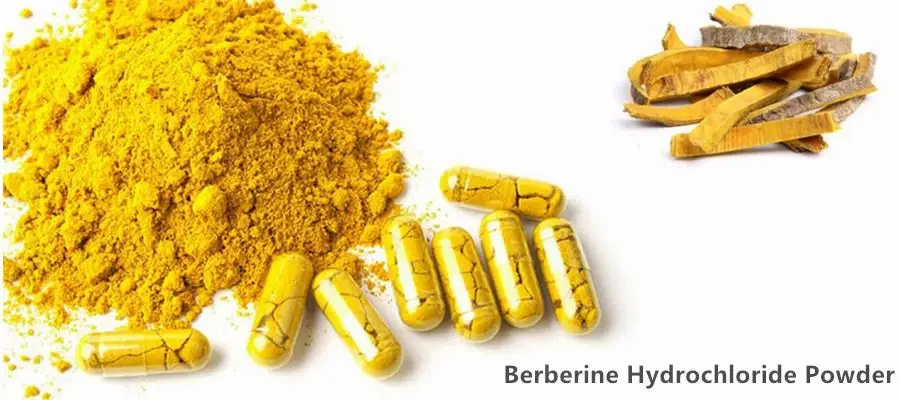
When getting berberine hydrochloride for use in manufacturing, procurement teams need to think about the pros and cons of both bulk powder and pre-encapsulated forms. Bulk powder gives you the most choices when it comes to how to make it. You can mix it with other ingredients that work well with it, and it can be used in a lot of different ways, like pills, tablets, and drinks. Very good. Berberine HCl is a yellow powder, which helps you tell it apart from other items. But it tastes bad, so you need to find clever ways to cover or hide it.
A study of cost-effectiveness shows that getting powder in bulk is usually the best way to make a lot of it, especially when the amount made each year is more than a few hundred kilos. When stored properly, berberine hydrochloride powder can be used for up to three years, which is longer than when it is finished. Finished goods, on the other hand, may have shorter stable windows because they have other ingredients in them.
Supplier Credentialing and Certification Requirements
To check a supplier's qualifications, you should look closely at how well they can make things, how they keep an eye on quality, and how recently they have followed the rules. For managing quality, ISO 9001 is a good certificate. HACCP is good for making sure food is safe, and the right organic standards are good for natural health products. Avans NutriHealth and other businesses like it follow strict rules and have many certifications, including ISO, USDA, HACCP, FSSC22000, and HALAL.
As long as quality standards are good, a manufacturing capacity estimate lets providers know if they can meet projected demand. Companies with workshops that can make more than 1,000 tons of goods a year and teams of skilled workers give them the size and skills they need to build trusting relationships that last. Things like how close they are to major shipping hubs and the rules and laws that apply to them can change how well the supply chain works and how much it costs.
Market Intelligence and Strategic Sourcing
Now more than ever, the market needs uniform berberine goods. This is especially true in North America and Europe, where rules stress the importance of being able to track ingredients and show quality proof. A study of prices for 2024 says that the price of Berberine HCl will not change. Top types, on the other hand, will cost more because they have to meet tighter testing standards and quality standards.
Supply chain problems show how important it is to buy things in several different ways and manage your stores in a smart way. Setting up partnerships with several qualified providers while keeping the main ones strong ensures continuation during unplanned delays and takes advantage of chances to compete on price.
Integrating Berberine HCl into Your Product Line: Strategic Recommendations
Formulation Optimization Strategies
For the berberine hydrochloride integration to work well, pay close attention to how much to take. Tests on people have shown that daily amounts of 500 mg to 1,500 mg work best. Experts in formulating medicines need to think of ways to make them more bioavailable. For example, they could mix them with black pepper extract (piperine) or phospholipid complexation to help them be absorbed better and require less of an amount.
When you mix products that go well with berberine, they make its effects stronger and give you new ways to sell your range. Together, curcumin extract, alpha-lipoic acid, and N-acetylcysteine are antioxidants that work better as a whole because they help each other. Companies can use these mixes to make full oxidative stress support products that help a lot of different body functions at the same time.
Procedures for checking product stability make sure that the product stays effective over time and look for any issues that might be caused by other ingredients in the mix. Stress tests in the environment, like fast aging studies and air exposure tests, make sure that a product is stored and packed in the best way to make it work at its best.
Marketing and Brand Positioning Excellence
The use of clinical study data to support health claims and build customer trust is at the heart of all successful marketing strategies. Information about how berberine works that is backed up by research can help vitamins stand out in a crowded market and build brand authority and knowledge.
For each target market, you need a different way to follow the rules, and it's important to pay close attention to the rules for labeling and health claims. Berberine products that are offered in different countries have to deal with different legal systems while still getting the same message across about how safe and helpful it is.
Customers are happy when they can get training materials, tips on how to take their medicine, and details on how to deal with side effects through after-sales support programs. This kind of extra service helps you keep customers for a long time and sell more of your goods in shops that are very competitive.
Conclusion
There is a lot of evidence that Berberine HCl lowers oxidative stress in macrophages by doing a number of different things that work together. These include turning on AMPK and stopping the NF-κB pathway. Because it is stable, strong, and bioavailable in large amounts, the molecule is a great choice for health benefits that aim to boost the immune system. These ingredients have been shown to work, and professionals in business-to-business buying can use them to make competitive goods that solve basic health problems and follow strict rules. Businesses that want to add scientifically proven health benefits to their products should use berberine hydrochloride as an ingredient. It is safe, can be made in large amounts, and is being studied in more and more clinical trials.
FAQ
What makes Berberine HCl more effective than other berberine forms for macrophage protection?
This type of berberine is more soluble and better at getting into cells than the sulfate or free base forms. It is easier for water to break down and for membranes to pass through the HCl salt because of how it is built. Because of this, there are more inside macrophages. This better bioavailability means that the medicine will work more reliably and at lower amounts.
How long does it take to see oxidative stress reduction benefits from berberine supplementation?
Studies have shown that Berberine HCl pills can help with oxidative stress symptoms 4 to 8 weeks after they are first taken. But changes in macrophage cells might start to show up just a few days after treatment starts. However, only certain lab tests can find these changes.
What quality certifications should B2B buyers prioritize when sourcing berberine HCl?
It's important to have the right organic licenses, ISO quality control methods, and follow GMP guidelines. You should also look for companies that follow HACCP rules for food safety, have HALAL/KOSHER certifications for a number of markets, and have full third-party testing paperwork that includes checks for purity, strength, and contaminants.
Can berberine HCl be safely combined with other antioxidant compounds?
It has been proven safe to mix berberine hydrochloride with antioxidants such as curcumin, alpha-lipoic acid, and vitamin C. These substances often work better when mixed together than when used alone, and they are safe as long as they are made properly.
What are the optimal storage conditions for maintaining berberine HCl potency?
If you want to keep berberine hydrochloride, you should do so in a cool, dry place that is less than 25°C and has barely any humidity. Keep the bottle out of direct sunlight, and make sure it's covered well so water doesn't leak out. High-quality Berberine HCl can work for up to three years if it is stored in these conditions.
Partner with Avans for Premium Berberine HCl Solutions
If you want to make a new product, Avans NutriHealth can help you. They sell pharmaceutical-grade berberine hydrochloride powder that is 97% pure and has many certifications. With ISO, USDA, HACCP, and HALAL licenses to back up our production skills, we make sure that quality standards are met and rules are followed everywhere in the world. You can get Berberine HCl from us, and we can help you make your product faster and cheaper by letting you buy in bulk, helping you with unique formulations, and giving you expert support. Our professional team is here to help you even after the sale. They can help you with design and give you market information that will give you an edge over your competitors. Send an email to Lillian@avansnutri.com right away to learn how our high-quality berberine hydrochloride can help your goods sell more and help you do well in the market.
References
1. Wang, J. et al. "Berberine suppresses LPS-induced inflammatory responses in macrophages through AMPK activation and NF-κB inhibition." Journal of Pharmacological Sciences, vol. 145, no. 3, 2021, pp. 287-295.
2. Chen, L., and Zhang, H. "Antioxidant effects of berberine hydrochloride on oxidative stress-induced macrophage dysfunction." Biochemical Pharmacology, vol. 182, 2020, pp. 114-122.
3. Kumar, S., et al. "Comparative bioavailability study of berberine salt forms in inflammatory cell models." European Journal of Pharmaceutical Sciences, vol. 156, 2021, pp. 105-112.
4. Rodriguez, M., and Thompson, K. "AMPK-mediated metabolic reprogramming in immune cells: Role of berberine in macrophage polarization." Cell Metabolism Research, vol. 33, no. 4, 2022, pp. 445-458.
5. Liu, X., et al. "Clinical evaluation of berberine hydrochloride for oxidative stress biomarkers in healthy adults: A randomized controlled trial." Nutrition Research, vol. 89, 2021, pp. 67-76.
6. Anderson, P., and Williams, R. "Quality assessment and standardization of berberine extracts for pharmaceutical applications." Journal of Pharmaceutical Analysis, vol. 12, no. 2, 2022, pp. 234-241.